

♥ Wishlist
Compare 50 verified Beach Tent products in United Kingdom. Reviews, ratings, pros, cons and buying advice updated for November 2026.


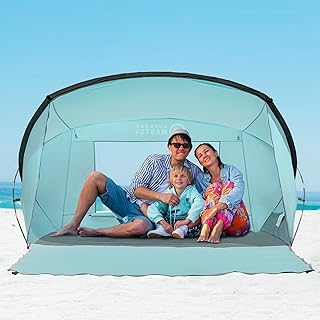


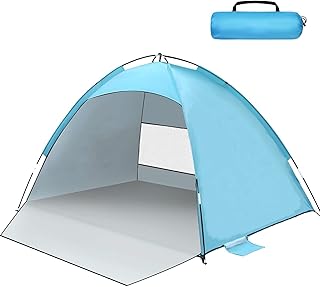


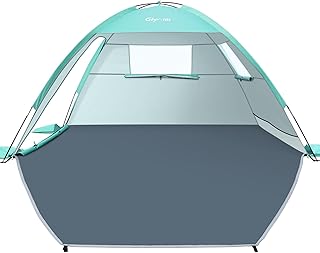


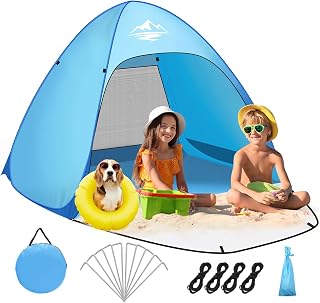


Choosing the right beach tent is about more than finding the largest canopy or the cheapest shelter. A good beach tent needs to suit the way you actually spend time outdoors, whether that means a short family visit to the coast, a full day beside the sea, a picnic on a windy beach, or a holiday where compact luggage matters. The best beach tent for one person may be very different from the best option for a family with young children. Capacity, packed size, weight, ventilation, UV protection, wind resistance, waterproofing, ease of pitching and the quality of the frame all influence how useful a shelter will be in real conditions. This guide expands the buying criteria to consider when comparing beach tents in the UK. Rather than focusing on one specification in isolation, it explains how different features work together so you can make a more informed comparison before purchasing. A beach tent is a lightweight outdoor shelter designed to provide shade, privacy and some protection from wind, sand and changing weather conditions. Unlike a conventional camping tent, a beach tent is generally intended for daytime use and prioritises quick setup, ventilation, portability and sun protection. Beach shelters come in several forms. Some are compact pop-up tents that can be deployed in seconds, while others use flexible poles and require a conventional assembly process. Larger family shelters can resemble small awnings or enclosed cabanas, offering considerably more usable floor space. The term can also cover products sold as beach shelters, sun tents, pop-up beach tents, beach cabanas, sun shelters and family beach tents. These designs can have significantly different characteristics, so checking the actual specifications is more useful than relying on the product name alone. These terms are sometimes used interchangeably, but they can describe substantially different products. If you only need somewhere to escape strong sunlight for an afternoon, a full camping tent may be unnecessary. Conversely, if you need enclosed sleeping accommodation, a lightweight beach shelter is not an appropriate substitute for a properly rated camping tent. Capacity should be assessed using actual dimensions rather than the marketing description alone. A tent described as suitable for two people may technically accommodate two adults while providing very little room for bags, towels, footwear or children. For families, consider both the number of people and how they will use the shelter. A parent looking for a shaded place for a baby may need less floor space than a family intending to keep food, bags and beach equipment inside the shelter throughout the day. A beach tent can be spacious when erected but surprisingly awkward to transport once folded. Packed dimensions are therefore one of the most important specifications for anyone travelling by public transport, carrying equipment from a car park or fitting several items into holiday luggage. Do not compare only the weight. A lightweight product with a long packed length may be less convenient than a slightly heavier model that folds into a compact circular or cylindrical carry case. Weight affects portability, but the lightest product is not automatically the best choice. A shelter needs enough structural stability and anchoring equipment to cope with its intended environment. For short walks from a car to the beach, a modest increase in weight may be worthwhile if it provides stronger poles, better anchoring options or a more durable floor. For hiking to a remote beach, however, every additional kilogram becomes much more noticeable. UV protection is an important consideration when comparing beach tents. Look for clear information about the fabric's stated ultraviolet protection rather than assuming that a darker or thicker-looking material automatically provides superior protection. Where a manufacturer provides a UPF rating, check the exact rating and understand that the shelter is intended to provide shade rather than eliminate the need for sensible sun protection. Areas outside the shelter remain exposed, and UV radiation can also be affected by reflected light from sand and water. A beach tent should therefore be considered one part of a sensible sun-safety setup rather than a complete substitute for appropriate clothing, shade management and sunscreen. Ventilation is easy to overlook when comparing photographs online. A shelter that blocks sunlight effectively can become uncomfortable if warm air has nowhere to escape. Look for mesh panels, adjustable openings, raised vents or designs that allow air to move through the shelter. Cross-ventilation is particularly useful because it allows fresh air to enter while warm air exits elsewhere. For family use, ventilation becomes even more important because several occupants can increase the temperature inside a relatively small enclosed shelter. Wind is one of the most important practical considerations when using a beach shelter in the UK. Beaches can be considerably more exposed than gardens or campsites, and conditions can change quickly. A good beach tent should have a practical anchoring system appropriate to its design. Depending on the model, this can include sand pockets, guy lines, pegs, reinforced attachment points or combinations of these. Never assume that a beach tent is suitable for severe weather simply because the product description mentions wind resistance. Always follow the manufacturer's setup and safety instructions and take the shelter down when conditions become unsuitable. Traditional camping pegs are not always ideal in loose beach sand. Some beach shelters therefore use large sand pockets or specialised anchoring arrangements to increase stability. When comparing products, inspect how the anchoring system actually works rather than simply counting the number of included accessories. A well-positioned sand pocket can be more useful than several small pegs that struggle to hold in soft sand. Beach tents vary considerably in their ability to handle rain. Some are primarily sun shelters and offer limited weather protection, while others use water-resistant or waterproof fabrics and more enclosed construction. If occasional showers are a realistic possibility, check whether the manufacturer describes the fabric as water resistant or waterproof and look for any available hydrostatic-head information. Do not assume that a UV-focused beach shelter is equivalent to a waterproof camping tent. The floor affects comfort, cleanliness and the shelter's overall usefulness. A continuous sewn-in floor can provide better protection from damp ground and sand, whereas an open-front design may be quicker to enter and exit. For babies and young children, a larger integrated floor can be particularly useful because it provides a defined clean area away from the surrounding sand. For adults who primarily want shade while sitting on chairs, a large floor may be less important. Some beach tents are completely open at the front, while others include zippered doors, roll-down panels or curtains. The right choice depends on how you intend to use the shelter. Polyester is widely used for lightweight outdoor shelters because it can provide a useful balance between weight, durability and resistance to moisture. Different polyester fabrics can have very different specifications, so simply seeing the word “polyester” does not tell you everything about a product's performance. Nylon is also used in outdoor equipment because of its low weight and strength-to-weight characteristics. Coatings and fabric construction have a significant influence on its weather performance. Mesh panels are commonly used for ventilation and can help reduce the amount of insects entering an enclosed shelter. Mesh should not be treated as equivalent to solid fabric when considering rain protection or privacy. Fibreglass poles are common in lightweight tents and shelters. They can provide flexibility while keeping overall weight relatively low. Check how replacement sections are handled if the manufacturer provides spare components. Steel can offer useful rigidity but generally adds weight. It can therefore make sense in larger shelters where structural stability is prioritised over minimum carrying weight. Pop-up beach tents are attractive because they can dramatically reduce pitching time. They are particularly convenient when travelling with children or when the shelter needs to be assembled quickly after arriving at the beach. The main trade-off is often the folding process. A pop-up shelter that opens almost automatically may require a specific sequence of movements to return to its carry case. Before taking a new pop-up tent to a busy beach, it is sensible to become familiar with the folding mechanism in a controlled environment. This can prevent unnecessary frustration when it is time to leave. Families should prioritise usability rather than simply choosing the largest shelter available. A large tent can provide more space but may also require more anchoring, take longer to carry and occupy more room on a crowded beach. For families with infants, also consider whether the entrance can be opened and closed easily while carrying a child and whether the floor provides enough space for changing, resting or storing essential items without creating a cramped environment. A shelter used around babies requires particularly careful consideration. Shade is useful, but the interior can still become hot if airflow is restricted. Prioritise ventilation, stable positioning and sufficient space. Avoid treating the tent as an unattended sleeping environment, and follow the manufacturer's instructions regarding use with children. It is also worth checking whether the floor has a raised lip or other features that may help contain sand. A shelter that is easy to clean can be more practical for family beach trips than a visually impressive but complicated design. A two-person beach tent does not necessarily need to be large. For couples who mainly want somewhere to sit out of the sun, a compact shelter can provide the right balance of portability and shade. However, check the floor dimensions rather than relying on the stated capacity. Two adults lying down may need significantly more usable space than two people sitting upright. Solo users can often prioritise low weight and compact packing. A smaller shelter may also be easier to position securely in exposed conditions because it presents less surface area to the wind. If carrying the shelter for a long distance, compare packed length, total weight and the quality of the carry handle or bag. These details can make a noticeable difference during transport. A beach shelter can provide useful shade for a dog, but it should not be treated as a substitute for appropriate supervision, hydration or temperature management. When comparing shelters for pets, consider the floor material, ventilation, entrance width and the dog's ability to move comfortably. Claws can also place additional stress on lightweight fabrics and floors, so durability is worth considering. There is no universal “best” beach tent size because capacity depends on how the shelter will be used. The following approach is more useful than selecting a size based solely on the manufacturer's headline capacity. Rounded shelters can offer a relatively compact footprint and are common among pop-up designs. Their curved profiles can also reduce the amount of direct surface area exposed to wind compared with some tall, flat-sided designs, although actual stability depends on the complete construction and anchoring system. Cabana-style shelters generally provide more usable standing or sitting space. They can be attractive for families and groups but usually demand more consideration regarding anchoring and transport. Open-front shelters prioritise airflow and accessibility. They are often convenient when occupants frequently move between the shelter and the beach. More enclosed shelters can offer greater privacy and protection from wind-blown sand, but ventilation becomes increasingly important as the number of occupants increases. Product specifications are most useful when they are considered together. A shelter with excellent UV protection but poor ventilation may not be comfortable in warm weather. A very lightweight shelter may be convenient to carry but less suitable for exposed beaches if its anchoring system is inadequate for the conditions. When comparing two models, create a simple specification checklist covering: When researching beach shelters, it can be useful to compare established outdoor brands alongside specialist beach-shelter manufacturers. The brand name should not replace specification checking, but established ranges can make it easier to compare construction, accessories and intended use. Brand reputation should always be considered alongside the exact model. Different products from the same manufacturer can have very different fabrics, frames, capacities and intended uses. A low purchase price can be attractive, but the cheapest shelter may not provide the combination of capacity, stability, ventilation and durability you actually require. One of the most common mistakes is looking only at the erected size. Always check the folded dimensions before buying, particularly if you travel by train, bus or plane. Many beach shelters are designed primarily for shade. If rain protection matters, check the manufacturer's stated water-resistance information rather than assuming the fabric is suitable for prolonged rainfall. A beach is an exposed environment. A shelter that works perfectly in a garden may require substantially more careful anchoring beside the sea. Headline capacity can be misleading if the actual floor area is limited. Consider the occupants, bags and intended activities before selecting the smallest possible model. The opposite problem is equally common. An oversized shelter can become difficult to transport and may require more anchoring and setup space than is practical on a busy beach. Pop-up products can be extremely convenient to erect but less intuitive to pack away. Read the instructions and, where possible, practise before your first trip. Product photography can make a shelter appear more substantial than it really is. Check dimensions, fabric details, pole construction and included accessories instead of relying solely on images. Customer reviews can provide useful information, but they should be interpreted carefully. A review from someone using a shelter in a sheltered garden is not necessarily representative of coastal use. When comparing reviews, look for repeated comments about the same practical characteristics: Individual reviews can reflect personal expectations, so repeated patterns are generally more useful than a single unusually positive or negative comment. Sand, salt and moisture are particularly relevant to coastal equipment. Proper care can help preserve fabric, frame components and zips. Shake the shelter thoroughly before putting it back into its bag. Fine sand can work into zips, joints and fabric folds, where it may contribute to premature wear. Do not store a damp shelter for extended periods. Moisture trapped inside folded fabric can encourage unpleasant odours and, depending on the material and storage conditions, contribute to mould or mildew problems. If the shelter has been exposed to sea spray, follow the manufacturer's cleaning guidance. Where permitted, fresh water can help remove salt deposits from suitable components. Before storing the shelter, check for damaged stitching, worn attachment points, broken pole sections and zip problems. Early identification of damage is easier than discovering a problem immediately before a holiday. Long-term storage should be in a dry environment following the manufacturer's instructions. Avoid compressing components unnecessarily if the storage instructions recommend a particular folding method. Choose a suitable position before pitching. Avoid placing the shelter close to unstable dunes, areas affected by rising water or locations where other beach users could trip over guy lines. Never leave a lightweight shelter unattended in changing or strong winds. If conditions become unsuitable, dismantle it rather than relying on additional improvised weights or anchors. A windbreak and a beach tent solve different problems. A windbreak primarily creates a barrier against wind and can provide a degree of privacy, while a beach tent generally creates an overhead shaded space. For some families, combining a shelter with a suitable windbreak may provide more practical outdoor space than buying an enormous enclosed tent. However, both products increase the amount of equipment that needs to be carried and anchored. A sun canopy can provide a large amount of overhead shade and may be preferable for groups that do not need an enclosed floor area. A beach tent generally provides more defined personal space and can offer greater privacy. Consider how much time you expect to spend inside the shelter. If occupants mainly sit underneath it, a canopy-style design may be more suitable. If you need a protected floor area for children or personal belongings, a tent-style shelter may be more useful. A camping gazebo can provide significantly more usable space but is usually heavier, bulkier and more demanding to transport. It may also require a more substantial anchoring system. For a typical day at the seaside, a compact beach shelter is often more practical. Larger gazebos make more sense where transport, setup space and the rules of the location allow them. Value is not simply the lowest price. A beach tent represents better value when its specifications match your intended use without forcing you to pay for features you will never use. For example, a solo beachgoer may gain little from a large family shelter, while a family of four may regret saving money on a tiny model that cannot comfortably accommodate everyone. Consider the expected frequency of use, durability, transport requirements, ease of setup and the consequences of choosing an unsuitable size. The right balance is more useful than focusing on the headline price alone. UK beaches can experience variable weather, including strong coastal winds, cloud, rain and rapidly changing conditions. A shelter should therefore be selected according to the conditions you reasonably expect to encounter, rather than assuming that a sunny forecast guarantees calm weather throughout the day. Look for a combination of reliable anchoring, sensible ventilation, appropriate weather resistance and easy dismantling. The ability to take the shelter down quickly can be as important as the ability to erect it quickly. Use this checklist when comparing several products side by side: There is no single beach tent that is automatically best for every buyer. The most suitable option depends on capacity, transport, weather expectations, desired shade, privacy and how frequently the shelter will be used. Start by deciding what the shelter must do. If the primary requirement is lightweight shade for one or two people, a compact pop-up model may be sufficient. Families may benefit from a larger shelter with good ventilation and a practical floor. Buyers expecting more variable weather should pay closer attention to fabric construction and weather resistance. Once the essential requirements are established, compare exact specifications rather than choosing based on appearance alone. Reading customer feedback can then help identify practical strengths and weaknesses that are difficult to understand from a product specification sheet. The best beach tent is ultimately the one that fits your intended use rather than the one with the longest feature list. A compact shelter can be an excellent choice when portability matters, while a larger family model can be more appropriate when several people need reliable shade throughout the day. Pay particular attention to dimensions, packed size, weight, UV protection, ventilation, anchoring, fabric construction and weather resistance. These specifications have a direct impact on comfort and practicality. Before purchasing, compare the exact model's current specifications and customer feedback, check the manufacturer's instructions, and review the retailer's current price, delivery, returns and warranty information separately. Product details can change, so the information shown at the point of purchase should take precedence over older listings or third-party descriptions. The best type depends on how you intend to use it. Pop-up beach tents are convenient for quick setup, compact shelters are useful when portability matters, and larger cabana-style shelters can be better suited to families or groups. Compare capacity, ventilation, anchoring, UV protection and packed size before deciding. Not all beach tents are waterproof. Many are primarily designed to provide shade and UV protection. If rain resistance matters, check the manufacturer's exact water-resistance or waterproofing specification instead of assuming that the shelter is suitable for prolonged rainfall. A beach tent should not be treated as suitable for severe or rapidly deteriorating weather simply because it includes pegs or sand pockets. Coastal wind can be unpredictable. Follow the manufacturer's instructions, anchor the shelter correctly and dismantle it if conditions become unsuitable. They can be quick to erect, but folding mechanisms vary. Some require a specific sequence of twists or folds. Read the instructions and practise before taking the tent to the beach. Choose according to the actual number of occupants, the amount of floor space required and whether you need room for bags. A family shelter should also provide adequate ventilation and convenient access rather than simply maximising its stated capacity. A beach tent generally creates a more defined enclosed or semi-enclosed space, while a canopy concentrates on overhead shade and may have open sides. The better choice depends on whether you prioritise privacy and a protected floor area or maximum airflow and accessibility. Many are designed with sun protection in mind, but the level varies between products. Look for the manufacturer's stated UV or UPF information and consider the amount of shade actually provided by the shelter. Depending on the design, beach shelters can use sand pockets, guy lines, pegs or other anchoring methods. Check the manufacturer's recommended setup for sand and use all supplied anchoring components correctly. Some beach shelters can be used on grass, but suitability depends on the product's design and anchoring system. Check the manufacturer's recommended surfaces before using it away from the beach. A daytime beach shelter should not automatically be used as an overnight camping tent. Check the manufacturer's intended use, weather protection, ventilation, structure and sleeping specifications. A properly designed camping tent is generally the appropriate choice for overnight accommodation. Follow the manufacturer's cleaning instructions. In general, remove sand before storage, allow the shelter to dry completely and deal with salt or dirt according to the fabric and component care guidance. Store it completely dry in accordance with the manufacturer's instructions. Avoid putting a damp or heavily sandy shelter into long-term storage, as trapped moisture and debris can contribute to unpleasant odours and material deterioration. Focus on usable floor space, ventilation, shade coverage, stable anchoring, convenient entrances, easy setup and manageable packed dimensions. For families with children, a practical floor and good airflow can be particularly valuable. No. A higher price does not automatically mean that a shelter is better suited to your needs. Compare the exact specifications, construction, intended use and customer feedback to determine whether additional features provide meaningful benefits for you.
Beach Tent Buying Guide: How to Choose the Right Beach Shelter
What Is a Beach Tent?
Beach Tent vs Beach Shelter vs Camping Tent
Key Features to Compare When Buying a Beach Tent
1. Capacity and Usable Floor Area
2. Packed Size
3. Weight
4. UV Protection
5. Ventilation
6. Wind Resistance
7. Sand Anchoring
8. Waterproofing
9. Floor Design
10. Doors, Curtains and Privacy Panels
Beach Tent Materials Explained
Polyester
Nylon
Mesh
Fibreglass Poles
Steel Components
Pop-Up Beach Tents: Are They Worth It?
Best Beach Tent Features for Families
Best Beach Tents for Babies and Young Children
Beach Tents for Couples and Two Adults
Beach Tents for Solo Use
Beach Tents for Dogs
Beach Tent Size Guide
Beach Tent Shape and Design Considerations
Dome and Rounded Designs
Cabana-Style Designs
Open-Front Shelters
Fully Enclosed Designs
How to Compare Beach Tent Specifications
Beach Tent Brands Worth Comparing
Common Beach Tent Buying Mistakes
Choosing by Price Alone
Ignoring Packed Dimensions
Assuming Every Beach Tent Is Waterproof
Ignoring Wind
Buying Too Small
Buying Too Large
Forgetting the Folding Mechanism
Judging Quality from Photographs
How to Read Beach Tent Customer Reviews Properly
What to Check Before Buying a Beach Tent Online
Beach Tent Maintenance and Cleaning
Remove Sand Before Packing
Allow the Tent to Dry
Rinse Salt Residue
Inspect Zips and Seams
Store It Completely Dry
How to Set Up a Beach Tent Safely
Beach Tent Accessories That Can Be Useful
Beach Tent vs Windbreak
Beach Tent vs Sun Canopy
Beach Tent vs Camping Gazebo
What Makes a Beach Tent Good Value?
How to Choose a Beach Tent for UK Coastal Conditions
Questions to Ask Before Buying
Quick Beach Tent Comparison Checklist
How to Find the Best Beach Tent for Your Needs
Beach Tent Buying Guide: Final Advice
Frequently Asked Questions About Beach Tents
What is the best type of beach tent?
Are beach tents waterproof?
Are beach tents safe in strong wind?
Are pop-up beach tents easy to fold?
What size beach tent do I need for a family?
What is the difference between a beach tent and a beach canopy?
Do beach tents provide UV protection?
How do beach tents stay in place on sand?
Can I use a beach tent on grass?
Can beach tents be used for camping overnight?
How should I clean a beach tent?
How should I store a beach tent?
What should I look for in a family beach tent?
Is a more expensive beach tent always better?
Key Takeaways Before You Buy