

♥ Wishlist
Compare 29 verified Camping Hiking Equipment for Outdoor Adventures products in United Kingdom. Reviews, ratings, pros, cons and buying advice updated for November 2026.


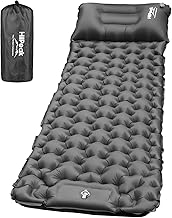


Choosing the right camping and hiking equipment is less about buying the largest collection of outdoor gear and more about selecting products that suit the terrain, weather, distance, season and type of trip you actually undertake. A lightweight day hike through the Peak District has very different requirements from a wet weekend on a remote Scottish campsite, while family camping, wild camping, backpacking and multi-day trekking each place different demands on equipment.
This independent buying guide explores the most important camping and hiking product categories for UK outdoor use, including tents, sleeping bags, sleeping mats, backpacks, walking boots, waterproof clothing, cooking equipment, lighting, navigation equipment and useful accessories. The aim is to make product comparison easier by explaining which specifications matter, which features are genuinely useful and where buyers can make expensive mistakes.
When comparing individual products, consider the manufacturer's specifications alongside verified customer reviews, intended conditions, packed size, weight, durability, comfort and practical features. Established outdoor brands such as Vango, OEX, Berghaus, Rab, Osprey, Deuter, Mountain Equipment, Sea to Summit, Coleman, MSR, Black Diamond, Petzl, Merrell and Salomon offer products across different price and performance levels, but the most expensive option is not automatically the best choice for every camper or walker.
The best outdoor equipment is equipment that performs reliably in the conditions in which it will actually be used. Before comparing individual models, establish your intended use. Think about whether you primarily go on short countryside walks, long-distance hikes, family camping trips, backpacking adventures, mountain walks or four-season expeditions.
A tent is one of the most important camping purchases because it affects protection from wind and rain, sleeping comfort, storage space and the overall practicality of a trip. There is no universal best tent. A compact backpacking tent prioritises low weight and small packed dimensions, whereas a family tent may prioritise headroom, bedrooms, living space and convenient storage.
Tent capacity should be treated as a starting point rather than an exact measurement of comfort. A two-person tent may technically accommodate two sleeping occupants but offer limited room for luggage. If additional internal space is important, a larger model may provide a substantially more comfortable experience.
For British conditions, waterproof protection, storm resistance, ventilation and sensible construction are particularly important. Look at the flysheet material, waterproof rating where provided, groundsheet design, seams, pole system and guying arrangements. A tent that is quick to pitch can also be valuable when conditions deteriorate.
Ventilation deserves particular attention because condensation can occur even when a tent is completely waterproof. Internal vents, breathable inner fabric and appropriate separation between the inner and outer layers can help manage moisture.
Tunnel tents can provide excellent usable living space and are often attractive for family camping. Their elongated structure can create practical sleeping and storage areas. Dome tents are generally versatile and can be relatively straightforward to pitch. Geodesic and semi-geodesic structures use intersecting poles to create increased structural stability and are particularly relevant when camping in exposed conditions.
Hydrostatic head is commonly used to describe the pressure of water a fabric can withstand before leakage occurs under a specified test. It is useful when comparing tent fabrics, but it should not be treated as the only measure of weather performance. Seam construction, fabric quality, groundsheet design, pitching technique and the overall tent structure also matter.
A high waterproof specification cannot compensate for poor pitching, damaged fabric or water entering through an open door. Check the complete construction rather than selecting a tent based on a single specification.
A sleeping bag should be selected according to the temperatures and conditions in which it will be used. Temperature ratings can be useful for comparison, but buyers should understand whether the stated figures represent a comfort temperature, limit temperature or extreme rating.
For most buyers, the comfort rating is more useful than the extreme rating because it provides a better indication of the conditions in which a typical sleeper may remain comfortable. Personal warmth, clothing, sleeping mat insulation, humidity and shelter conditions can all influence real-world performance.
Down is valued for its low weight, compressibility and warmth relative to its mass. However, moisture can reduce the effectiveness of down insulation, so appropriate storage and moisture management are important. Synthetic insulation generally remains more forgiving in damp conditions and can be easier to care for.
The choice should therefore be based on the intended environment rather than assuming one insulation type is universally superior.
A sleeping mat does more than make a campsite floor softer. It also provides insulation between the sleeper and the ground. This makes insulation a critical consideration when comparing sleeping mats, particularly for cooler-weather camping.
R-value indicates thermal resistance and is particularly useful when comparing sleeping mats for cooler conditions. Higher insulation values generally provide greater resistance to heat loss through the ground. Rather than choosing a mat based only on thickness, consider its insulation rating, packed size, weight and intended season.
A hiking backpack needs to carry equipment without creating unnecessary pressure points or instability. Capacity is important, but fit is equally important. A poorly fitting backpack can become uncomfortable even when its weight is relatively modest.
Do not automatically choose the largest backpack available. Extra capacity can encourage overpacking, increasing the amount of weight carried. A correctly sized pack can make it easier to organise equipment and keep frequently used items accessible.
Look for adjustable shoulder straps, a suitable hip belt, a sternum strap and a back system appropriate to the intended load. The hip belt can transfer part of the load towards the hips, while the shoulder straps help stabilise the pack.
Backpack sizing can vary between manufacturers, so use the manufacturer's fitting guidance rather than assuming a particular capacity automatically corresponds to a particular body size.
Footwear selection should reflect terrain, distance, weather and personal comfort. A lightweight trail shoe can be ideal for well-maintained paths, while a supportive hiking boot may be more suitable for rougher terrain or carrying a heavier pack.
Walking boots generally provide greater coverage around the ankle and may offer a more substantial structure. Hiking shoes are usually lighter and can provide a more natural walking feel. Neither category is automatically better; terrain and individual preference are important.
Waterproof footwear can be useful for wet grass, muddy trails and rainy conditions. However, waterproof membranes can alter breathability and may not always be desirable in warm, dry conditions. Consider whether your typical walking environment benefits more from weather protection or maximum ventilation.
Fit should take priority over appearance or brand. Allow sufficient room for natural foot movement while avoiding excessive heel movement. Try footwear with the socks normally worn for hiking and consider how your feet may change slightly during a long walk.
A reliable clothing system is often more useful than relying on one heavy garment. For changeable UK weather, layering allows walkers to adjust insulation and ventilation according to activity level and conditions.
A waterproof shell should be assessed for waterproof performance, breathability, hood adjustment, pocket placement, cuff design, ventilation and durability. If the jacket will be worn with a backpack, check whether the pocket layout remains practical when shoulder straps and a hip belt are fitted.
Waterproof clothing specifications can include water-pressure testing and breathability measurements. These numbers can help with comparison, but real-world comfort depends on several factors, including temperature, physical exertion, humidity, ventilation and garment construction.
For high-output hiking, breathability and ventilation can be particularly important. Underarm zips, adjustable cuffs and a well-designed hood can make a shell more versatile.
Fleece jackets remain popular because they provide warmth without the bulk associated with some heavier garments. They can be used as mid-layers beneath waterproof shells or independently during dry weather.
When comparing fleeces, consider fabric weight, fit, stretch, pocket design, drying characteristics and compatibility with other layers. A close-fitting fleece can work well under a shell, whereas a looser garment may be preferable for casual campsite use.
Cooking equipment should be selected according to the number of people, trip duration, fuel availability, cooking style and pack size. A solo backpacker may only need a compact stove and small pot, while family camping can justify a larger cooking system.
Always follow the manufacturer's instructions for fuel handling, ventilation, positioning and operation. Outdoor cooking equipment should be used only in the conditions and locations for which it is designed.
Camping cookware ranges from ultralight titanium pots to larger aluminium or stainless-steel cooking sets. Titanium can reduce weight, while aluminium is valued for efficient heat distribution and relatively low weight. Stainless steel can provide durability and resistance to wear.
For backpacking, nesting cookware can save considerable space. For vehicle camping, weight may matter less, making larger cookware and more comfortable utensils practical choices.
Camping furniture is particularly useful for family camping and longer stays. The most important considerations are weight capacity, packed size, stability, comfort and portability.
Compact folding chairs are convenient for transport but may offer less cushioning or back support. Larger reclining or padded designs can be more comfortable but take up considerably more storage space. Check the manufacturer's stated load capacity and packed dimensions before purchase.
Good lighting is essential after sunset, especially when navigating a campsite, preparing food or setting up a tent. Head torches are particularly useful because they leave both hands free.
Do not judge a head torch only by its maximum brightness. A useful low-power mode can be more practical inside a tent, while beam control can be important when walking after dark.
Digital navigation has made route planning easier, but hikers should not assume that a smartphone alone is sufficient for every environment. Battery life, mobile coverage, weather, screen visibility and device damage can all become problems.
A suitable map and compass remain valuable backup tools. GPS devices and smartphones can complement rather than completely replace traditional navigation skills.
A power bank can be useful for multi-day trips where phones, GPS devices, cameras or other electronics need additional power. Capacity is only one consideration. Weight, physical size, charging speed, output ports and environmental protection can be equally important.
For lightweight backpacking, a very large power bank may add unnecessary weight. For family camping or trips involving several electronic devices, higher capacity may be worthwhile.
Hydration equipment should be easy to access while walking. Traditional bottles are simple and straightforward to clean, while hydration reservoirs allow drinking through a hose without removing the backpack.
Consider capacity, leak resistance, cleaning access, freezing conditions, durability and compatibility with your backpack. A hydration system that is difficult to clean can become inconvenient if used frequently.
Water treatment requirements depend on the location and source. Outdoor water should not automatically be assumed safe simply because it appears clear. Hiking water filters, purification tablets and other treatment systems operate differently and should be selected according to the manufacturer's stated capabilities.
Check which organisms or contaminants a product is designed to address, its flow rate, treatment capacity, maintenance requirements and limitations. Always follow the manufacturer's instructions and local guidance when collecting and treating water.
Trekking poles can provide additional points of contact with the ground and may be useful on steep, uneven or slippery terrain. They can also assist with balance when carrying a backpack.
Carbon-fibre poles can offer low weight, while aluminium poles are often valued for durability and resistance to certain types of impact. The appropriate choice depends on the balance between weight, durability and intended use.
A compact first aid kit can be an important part of outdoor preparation. The contents should reflect the trip rather than simply the size of the case.
For remote walking, first aid knowledge is as important as the equipment itself. Check the contents regularly and replace expired, damaged or used items.
Foot problems can turn an otherwise enjoyable hike into an uncomfortable experience. Socks, footwear fit, moisture management and pacing all contribute to foot comfort.
Merino wool and synthetic hiking socks are common choices because they can help manage moisture and temperature. Cotton socks may hold moisture and can become uncomfortable during prolonged walking. Choose sock thickness according to footwear fit rather than treating thicker socks as automatically better.
Some of the most useful camping products are relatively inexpensive accessories that solve practical problems. Depending on the type of trip, useful additions may include dry bags, repair kits, guyline accessories, waterproof storage, tent footprints, spare batteries, compact towels, rubbish bags and equipment organisers.
The important question is not whether an accessory looks useful in isolation, but whether it solves a problem you are likely to encounter. Avoid filling a backpack with products that duplicate functions or will rarely be used.
Aluminium is widely used in tent poles, cookware and trekking poles because it can provide a useful balance of weight, strength and cost. Different alloys and constructions can produce significantly different performance characteristics.
Stainless steel is valued for durability and resistance to corrosion. It can be heavier than alternative materials, so it is often more attractive for car camping or equipment where ruggedness is prioritised over minimum weight.
Titanium is particularly attractive for lightweight cookware and outdoor equipment because it offers low weight and strong corrosion resistance. The trade-off can include higher cost and different heat-distribution characteristics compared with aluminium cookware.
Nylon and polyester are commonly used in tents, backpacks and clothing. Their performance depends on fabric construction, coating, denier, weave and treatment. A higher denier does not automatically make a product better because the ideal specification depends on the balance between durability and weight.
Down offers excellent compressibility and warmth relative to weight, while synthetic insulation can be more forgiving in damp environments. Both can be appropriate depending on the intended use and conditions.
Product specifications can appear complicated because manufacturers use different terminology and measurement methods. Focus on specifications that directly affect your intended use.
Ultralight equipment can make a major difference on long-distance backpacking trips because every gram contributes to total pack weight. However, reducing weight can involve compromises in fabric thickness, structural components, padding or features.
For occasional campsite use where equipment is transported by car, extreme weight reduction may provide little benefit. Spending more for an ultralight specification only makes sense when the reduction in weight has a meaningful effect on the way the equipment will be used.
Customer reviews can provide useful information that is difficult to obtain from specifications alone, but they should be assessed critically. Look for recurring comments rather than isolated opinions.
A review that says a product is excellent may be less useful than a detailed review explaining how it performed during a particular type of trip. Always compare the reviewer's use case with your own.
British outdoor conditions can change quickly. Choosing equipment solely for warm, dry weather can leave you poorly prepared when wind and rain arrive. Consider the conditions that are realistically possible rather than the conditions you hope to encounter.
The number printed in a tent's name does not tell you how comfortable it will be. Compare internal dimensions, vestibule space, storage options and headroom.
Large equipment can be perfectly suitable for car camping but frustrating for backpacking. Always check packed dimensions before buying products intended to be carried.
With head torches and lanterns, maximum output is only one part of usability. Runtime, lower brightness settings, beam pattern and controls can be more important for everyday outdoor use.
A technically impressive boot is of little value if it causes pressure points or allows excessive movement. Fit should take priority over appearance and isolated specifications.
Buying additional accessories can increase convenience, but unnecessary equipment adds weight and occupies valuable storage space. Build your kit around genuine requirements.
Beginners do not necessarily need specialist expedition equipment. A sensible starter setup can include a suitable tent, sleeping bag, sleeping mat, basic cooking equipment, reliable lighting, appropriate clothing, water storage, navigation equipment and a small first aid kit.
It is often better to buy versatile equipment that can be used across several types of trips rather than purchasing highly specialised products immediately. Once you understand your preferred camping style, equipment can be upgraded according to actual experience and requirements.
A day hike normally requires less equipment than an overnight backpacking trip, but preparation remains important. Depending on route, weather and distance, useful equipment can include comfortable footwear, a suitable backpack, waterproof jacket, warm layer, food, water, navigation tools, lighting and basic emergency equipment.
The more remote or exposed the route, the more important it becomes to consider changing weather, navigation, communications and emergency planning.
Backpacking changes the priorities because every item has to be carried. Weight, packability, reliability and multifunctionality become increasingly important.
Family camping has different priorities from solo backpacking. Comfort, storage, living space, easy setup and practical organisation can matter more than saving every gram.
A larger tent with a separate sleeping area and usable living space can make wet-weather days easier. Camping furniture, larger cooking equipment and lighting can also be worthwhile where equipment is transported by vehicle.
Wild camping and remote hiking require greater attention to self-sufficiency. Equipment should be selected for reliability and weight while allowing for changes in weather and unexpected delays.
Before travelling, understand access restrictions, land-management rules, local guidance and any relevant permissions. Navigation and emergency planning become particularly important when travelling away from populated areas.
Summer camping can allow lighter sleeping systems, less insulation and simpler clothing. Colder conditions require greater attention to sleeping-bag temperature ratings, sleeping-mat insulation, clothing layers and shelter performance.
Do not compare summer and winter equipment solely on price. A product designed for warmer conditions may be entirely appropriate for summer use but unsuitable when temperatures fall significantly.
A balanced camping kit combines essential safety and comfort with sensible weight and storage requirements. Start with shelter, sleep system, clothing, food, water, navigation and emergency needs before adding convenience accessories.
Proper maintenance can help outdoor equipment remain functional for longer. After a wet camping trip, allow tents, sleeping bags, mats and other moisture-sensitive equipment to dry thoroughly before long-term storage.
Clean dirt from tent fabric using the manufacturer's recommended method. Inspect poles, clips, guylines, zips, seams and groundsheets regularly. Store the tent completely dry to reduce the risk of mould and unpleasant odours.
Follow the manufacturer's cleaning instructions because down and synthetic sleeping bags can have different care requirements. Avoid storing a sleeping bag compressed for long periods if the manufacturer recommends loose storage.
Waterproof garments can require specific cleaning and reproofing procedures. Dirt, body oils and unsuitable detergents can affect fabric performance. Follow the manufacturer's care instructions rather than assuming ordinary laundry products are appropriate.
Remove mud after walks and allow footwear to dry naturally according to the manufacturer's guidance. Avoid excessive direct heat, which can damage certain materials, adhesives or waterproof membranes.
Storage conditions can influence the lifespan of outdoor equipment. Keep gear clean and dry, avoid unnecessary compression and inspect equipment before storing it for extended periods.
Sleeping bags, tents and technical clothing generally benefit from storage practices appropriate to their materials. Batteries should also be removed from equipment when recommended by the manufacturer, particularly where products will remain unused for long periods.
The cheapest purchase price does not always represent the lowest long-term cost. A durable product that can be repaired or maintained may provide better value than a cheaper item that needs to be replaced after limited use.
When comparing products, consider whether poles, buckles, zips, tent clips, straps, valves or other components can be replaced where applicable. Also check whether the manufacturer provides care guidance and spare components for the product category.
Brand reputation can be a useful starting point, but it should not replace specification-based comparison. Vango and Coleman have broad camping ranges, while brands such as Osprey, Deuter and Berghaus are well known across hiking and backpacking equipment. Rab and Mountain Equipment have strong associations with technical outdoor clothing and mountain equipment, while MSR and Sea to Summit cover specialist camping and backpacking categories.
However, a brand's reputation does not mean every product in its range is automatically the right choice. Compare the specific model, materials, intended use, weight, fit, construction and available features.
Premium equipment can offer advantages such as lower weight, advanced materials, improved construction, additional adjustment or specialist performance. Budget equipment can still be perfectly suitable for occasional recreational use.
The correct question is whether the additional cost provides a benefit that matters to your particular use. A frequent backpacker may benefit substantially from a lighter tent or backpack, while an occasional family camper may place greater value on space and ease of setup.
Spending more can make sense when the product will be used frequently, when reliability is particularly important, when weight has a significant effect on performance or when better fit and comfort can materially improve the experience.
For low-frequency recreational use, a mid-range product with appropriate specifications may provide a better balance than an expensive specialist model.
A simple comparison process can prevent many purchasing mistakes. Start by identifying your primary use, then define the specifications that genuinely matter.
There is no single product that can be described as the best choice for every UK camper or hiker. The strongest purchase is the one that delivers the right combination of protection, comfort, reliability, weight and practicality for your circumstances.
For occasional family camping, space and convenience may be more important than ultralight construction. For backpacking, low weight and compact dimensions become much more significant. For mountain walking, weather protection, footwear, navigation and layering deserve greater attention. For casual day hikes, a comfortable backpack, suitable footwear, waterproof layer and dependable navigation equipment may be more useful than specialist expedition gear.
The essential categories are normally a suitable tent, sleeping bag, sleeping mat, weather-appropriate clothing, cooking equipment, food and water storage, lighting, navigation equipment and basic first aid or emergency supplies. The exact equipment depends on the type, season and location of camping.
Focus on fit, capacity, weight, load distribution, adjustment, back design, pocket configuration and durability. Choose capacity according to the amount of equipment you genuinely need rather than simply buying the largest pack available.
No. Fit, suitability for the terrain, comfort, construction and weather protection are more important than price alone. A moderately priced boot that fits correctly can be a better choice than an expensive model that causes discomfort.
Both matter. Waterproof construction protects occupants from precipitation, while ventilation helps manage condensation and internal moisture. A good tent needs an appropriate balance between weather protection and airflow.
Down can provide excellent warmth for relatively little weight and packs efficiently, while synthetic insulation can be advantageous in damp conditions and may be easier to care for. Consider expected weather, storage, weight and budget before choosing.
Look for a sleeping mat with an appropriate insulation rating rather than choosing solely by thickness. R-value is useful when comparing thermal performance, particularly for colder conditions.
They can be useful on uneven, steep or slippery terrain and may provide additional stability. Whether they are worthwhile depends on personal preference, route characteristics and walking style.
Consider waterproof performance, breathability, hood adjustment, cuffs, pocket placement, ventilation, durability and compatibility with your backpack. The best balance depends on how active you are and the weather conditions expected.
A smartphone can be a highly useful navigation tool, particularly when equipped with suitable offline mapping, but battery depletion, damage and signal limitations can create problems. Carrying an appropriate map and compass and understanding how to use them provides an important backup.
Equipment should be selected for the expected conditions rather than a generic idea of British weather. Waterproof shelter, suitable insulation, weatherproof clothing, dependable footwear and reliable navigation are particularly important when conditions are changeable.
Consider how you will transport the equipment and how frequently it will be used. Backpackers may benefit considerably from lower weight, while car campers can often prioritise durability, comfort and space.
Inspect equipment before trips and after demanding use. Check tents for fabric or pole damage, sleeping systems for leaks or insulation issues, backpacks for damaged straps and footwear for worn soles or compromised construction.
Complete sets can simplify purchasing, but individual products often allow you to choose specifications more precisely. Compare the contents, quality, compatibility and actual usefulness of every item rather than assuming a bundle offers better value.
The best camping and hiking equipment is not necessarily the newest, most expensive or most technically advanced option. It is the equipment that matches your activity and remains dependable in the conditions you are likely to encounter.
Start with the essentials: shelter, sleep system, footwear, clothing, food, water, navigation and safety. Then compare the specifications that directly affect performance, including weight, packed dimensions, materials, insulation, waterproofing, capacity, fit and durability. Use verified customer reviews to identify recurring practical strengths and weaknesses, but always interpret those comments in the context of your own intended use.
For 2026 buying decisions, compare current specifications and today's prices from trusted retailers before committing to a purchase, as product versions, included accessories, retailer offers and availability can change. A careful comparison at the point of purchase can help you avoid paying for features you do not need while ensuring that the equipment you choose is appropriate for the walks, camps and outdoor adventures you actually plan to undertake.