

♥ Wishlist
Compare 41 verified Gazebos for Gardens, Parties and Outdoor Events products in United Kingdom. Reviews, ratings, pros, cons and buying advice updated for November 2026.


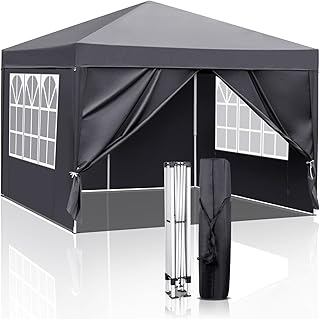


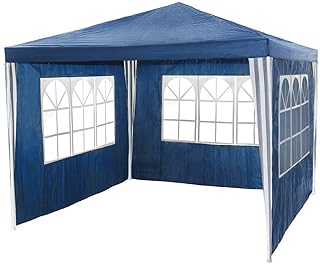


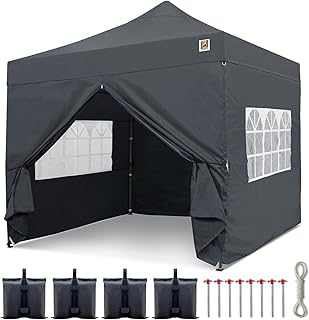


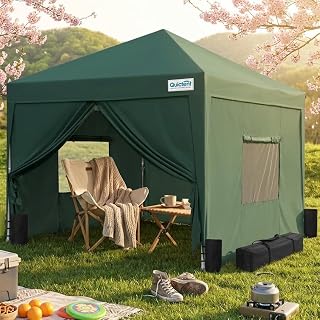


Choosing the best gazebo for a UK garden, patio, campsite, outdoor gathering or seasonal event involves more than comparing dimensions and prices. Weather resistance, frame construction, roof design, fabric quality, anchoring, portability and ease of assembly can all affect how practical a gazebo is once it is outside. A model that looks impressive in a product photograph may not be the right choice for a small garden, frequent transport or exposed conditions.
This expanded buying guide explains the main gazebo types, materials, specifications and features worth comparing before you buy. It is designed to help UK shoppers assess products from established brands such as Coleman, Outsunny, Kampa, Quest, Vango and vidaXL, while recognising that specifications and product ranges can vary between individual models.
The right choice depends on how you intend to use the gazebo. A lightweight pop-up gazebo can be convenient for occasional gatherings, markets and camping, whereas a larger garden gazebo may be better suited to entertaining, dining and creating a semi-permanent outdoor area. Before comparing individual products, consider the space available, how often the gazebo will be moved, how many people need to use it and the type of weather it is likely to encounter.
A gazebo is a freestanding outdoor shelter designed to provide shade, cover and a defined area for people to sit, dine, relax or gather. Modern gazebos range from lightweight folding structures that can be assembled in minutes to larger framed structures intended for extended garden use.
The term covers several different designs, so comparing products simply by calling them gazebos can be misleading. A compact pop-up shelter, a fully enclosed event gazebo and a decorative garden structure may all have very different construction methods and intended uses.
For UK conditions, the most important distinction is often between temporary and more permanent structures. Temporary gazebos are generally designed to be erected when required and packed away afterwards. More substantial garden models can remain assembled for longer periods, but they still need appropriate anchoring, maintenance and protection from unsuitable weather.
Pop-up gazebos are among the most versatile choices for temporary outdoor shelter. Their folding frames are designed to make set-up and dismantling easier than with traditional sectional structures. They are commonly considered for garden parties, outdoor dining, camping, sporting events, markets and occasional gatherings.
The main advantage is convenience. However, portability can involve compromises in frame thickness, roof construction and overall stability. A lightweight pop-up model may be easier for one or two people to transport, but it can require more careful anchoring in windy conditions.
Folding gazebos use a collapsible frame that normally folds into a relatively compact package. They are particularly useful where the shelter is not intended to remain outdoors permanently.
When comparing folding designs, examine the folding mechanism, frame joints, locking arrangements and packed dimensions. A gazebo that folds neatly but has a cumbersome carrying weight may still be inconvenient if it has to be transported regularly.
Garden gazebos are intended to create a more established outdoor living or entertaining area. Depending on the design, they may feature curtains, mosquito netting, solid side panels, decorative roofs or more substantial frames.
These models can be attractive additions to patios and lawns, but their larger footprint makes planning particularly important. Check the exact external dimensions rather than relying on photographs, and allow enough room to walk around the structure safely.
Side panels can make a gazebo considerably more versatile. They can provide additional privacy, reduce exposure to light rain and help define the sheltered area.
Some models have removable panels, while others use curtains or zipped sections. Removable sides are useful when you want an open structure in warm weather and additional shelter when conditions change.
Mosquito netting is particularly useful during summer evenings when insects can make outdoor dining uncomfortable. Fine mesh can help create a more enclosed seating area without completely blocking airflow.
When comparing models, check whether the mesh is included as standard and whether it can be opened independently of solid side curtains.
Event gazebos are often selected for parties, celebrations, garden gatherings and temporary hospitality areas. Their key requirements are usually usable floor space, convenient access and the ability to create a comfortable sheltered environment.
For events, consider the number of people who will actually occupy the gazebo at one time rather than simply choosing the largest available size. Tables, chairs, serving areas and walking routes can consume a surprising amount of space.
Camping gazebos are designed to provide additional outdoor living space around a campsite. They can be useful for cooking areas, dining tables, chairs and storing equipment away from direct sunlight or light rain.
Portability becomes especially important for camping. Consider packed size, carrying weight, assembly time and compatibility with the vehicle or camping equipment you already own.
Gazebo dimensions should be assessed in relation to the activity taking place underneath the structure. A nominal footprint does not necessarily represent the amount of usable space because roof overhangs, sloping sides, frame legs and furniture placement can reduce the practical area.
Smaller gazebos can suit compact gardens, balconies where permitted, small patios and limited outdoor areas. They are often easier to transport and store.
They are best suited to modest seating arrangements or providing a shaded area rather than accommodating a large dining table and numerous chairs.
Medium-sized models offer a useful balance between coverage and practicality. They can work well for family gatherings, outdoor meals and garden seating.
Before purchasing, measure your furniture and mark the gazebo footprint on the ground. This simple exercise can reveal whether the chosen dimensions are genuinely suitable.
Large gazebos can provide substantial entertaining space, but they also require more storage, more assembly effort and more attention to anchoring. Larger fabric surfaces can also catch more wind.
Do not assume that a bigger gazebo is automatically better. The best size is the one that provides sufficient usable space without becoming impractical for your garden, storage arrangements or typical weather conditions.
Start by measuring the intended location from several directions. Consider fences, walls, trees, garden furniture, sheds, gates and access routes. You should also consider how the gazebo will be assembled and whether the frame requires additional clearance during set-up.
Think about the furniture you intend to place underneath. A dining table needs sufficient space for chairs to be pulled out, while a lounge arrangement needs comfortable circulation between seating areas.
Steel is widely used for gazebo frames because it can provide a rigid and substantial structure. It is often selected when strength and stability are more important than achieving the lowest possible carrying weight.
The quality of a steel frame depends on factors such as tube dimensions, joint construction, protective finish and overall design. Powder-coated finishes can help protect suitable steel components from surface corrosion, but no finish makes a structure immune to damage or neglect.
Aluminium is valued for its relatively low weight and resistance to corrosion. It can be particularly attractive for portable gazebos that need to be carried between locations.
A lightweight frame is not automatically a weak frame, but frame design and tube construction matter. Compare the complete specification rather than judging quality solely from the material name.
Some gazebos combine different materials to balance weight, rigidity and cost. For example, a model may use one material for primary frame sections and another for connectors or supporting components.
When comparing such products, pay attention to the construction of the joints because these areas experience repeated loads during assembly, dismantling and use.
The roof is one of the most important parts of a gazebo because it receives direct exposure to sunlight and rainfall. Common outdoor fabrics include polyester and other synthetic materials designed for temporary outdoor use.
Fabric thickness, coating, stitching and seam construction can all influence practical performance. A specification that simply states the fabric type provides only part of the information needed to compare products.
Polyester is common because it offers a useful balance between weight, flexibility and outdoor practicality. Depending on the construction, polyester can be coated or treated to improve water resistance and protection from sunlight.
Do not confuse water-resistant fabric with a structure designed for prolonged exposure to heavy rain. A gazebo's performance depends on the roof, seams, drainage, frame, anchoring and overall design.
Coatings can improve the ability of fabric to resist water penetration and can provide additional protection against outdoor conditions. However, coatings can deteriorate through prolonged exposure, abrasion, incorrect cleaning or storage while damp.
Seams deserve attention because they can become vulnerable points for water ingress and mechanical stress. Look for clearly described seam construction and check product photographs carefully where detailed specifications are unavailable.
One of the most common gazebo buying mistakes is treating the words water-resistant and waterproof as interchangeable. They are not necessarily equivalent.
Water resistance generally indicates that a material can repel or resist water to a stated degree. Waterproofing implies a higher level of resistance, but the precise meaning depends on the manufacturer's specification and testing method.
Even a gazebo with a water-resistant or waterproof canopy is not necessarily suitable for prolonged exposure to severe rain. Wind-driven rain can enter through seams, side openings and joints, while water can collect if the roof is not correctly tensioned.
Wind is one of the most important considerations when choosing and using a gazebo in the UK. A large canopy acts as a surface that can catch moving air, potentially placing significant force on the frame and anchoring points.
Never assume that a heavy gazebo is automatically safe in strong winds. Stability depends on the complete structure, anchoring method, ground conditions and weather.
Temporary gazebos should generally be dismantled when conditions become unsuitable. Manufacturer guidance should always take priority over assumptions based on frame weight or canopy size.
Grass allows several anchoring approaches, including suitable ground stakes, pegs and guy lines where provided or recommended. The correct system depends on the gazebo design and ground conditions.
Soft, saturated or loose soil can provide less reliable resistance than firm ground. Check that stakes are fully secured and inspect them during use.
Hard surfaces require a different approach. Some temporary structures can use weighted bases designed specifically for the frame, while other structures may require alternative anchoring arrangements.
Do not improvise with unsuitable weights or attach a gazebo to objects that could become dangerous if the structure moves. Follow the manufacturer's anchoring instructions.
A simple single-tier canopy is common on lightweight pop-up gazebos. It can be straightforward to assemble and offers an uncomplicated shelter design.
A vented roof can help release warm air and reduce pressure beneath the canopy. This can be particularly useful during sunny weather and may also contribute to a more comfortable environment beneath the shelter.
Ventilation should be considered alongside side-panel configuration. Closing every side can significantly change airflow compared with using an open-sided gazebo.
Some larger or more decorative gazebos use a two-level roof arrangement. The additional upper section can provide ventilation while maintaining a more substantial appearance.
When comparing these models, assess whether the additional roof design provides a practical advantage for your intended use rather than choosing it solely for appearance.
Side panels can transform an open canopy into a more sheltered outdoor room. They can provide privacy, shade and some protection from light weather.
However, enclosed sides can also reduce airflow and increase the amount of surface exposed to wind. Removable or adjustable panels therefore provide useful flexibility.
Zipped panels can create a more enclosed environment and may be useful for evening gatherings or events. Check the quality and placement of zips because they are frequently operated components.
Roll-up curtains provide a convenient way to change between open and enclosed configurations. They can be especially useful when weather conditions change during the day.
Mesh panels offer airflow and insect protection while maintaining a degree of enclosure. They can be a strong choice for summer evenings, camping and outdoor dining.
Product specifications are useful only when you understand what each measurement represents. A detailed specification can help you eliminate unsuitable models before spending time comparing smaller features.
Erected dimensions describe the approximate footprint and height when the gazebo is assembled. Use these measurements to assess whether the product fits your garden or event area.
Peak height refers to the highest point of the gazebo. It does not necessarily indicate the clearance available everywhere underneath the roof because some designs slope down towards the edges.
Weight is particularly important for portable models. A heavier frame may offer useful rigidity, but it can also make transport and assembly more demanding.
Packed dimensions are often overlooked. They determine whether the gazebo can fit in your car, shed, garage or storage cupboard.
Where provided, frame tube dimensions can help when comparing construction. However, larger tubing alone does not guarantee superior performance because joint design, material thickness and overall engineering also matter.
A sensible gazebo comparison should begin with intended use rather than brand or appearance. Create a shortlist based on footprint, portability, construction and weather requirements before comparing extras.
Coleman is a recognised outdoor equipment brand with a range that includes camping and outdoor shelter products. When considering a Coleman gazebo, compare the exact model specification rather than relying on the reputation of the brand alone.
Pay particular attention to dimensions, packed weight, frame design, canopy construction and the intended use described for the individual product.
Outsunny offers a broad selection of outdoor structures and garden shelters, including different gazebo styles and sizes. Its range can appeal to shoppers looking for garden-focused designs as well as temporary outdoor shelters.
Because the range is varied, model-by-model comparison is essential. Check frame materials, roof construction, side arrangements, dimensions and installation requirements before choosing.
Kampa is associated with outdoor leisure and camping equipment, making its products relevant to shoppers seeking portable shelter for outdoor recreation. Individual models can differ considerably, so compare their dimensions, construction and intended application carefully.
Quest is another outdoor leisure brand worth considering when comparing portable shelters. For any Quest model, check the current product specification, frame construction, canopy material, packed size and included components.
Vango has a strong presence in camping and outdoor equipment. Its gazebo options can be relevant to campers and households looking for flexible outdoor shelter.
As with any brand, the correct choice depends on the individual model. Compare the dimensions, weight, materials and weather guidance rather than selecting solely on brand recognition.
vidaXL offers a wide range of garden and outdoor products, including gazebos in different styles and sizes. Its range can cover everything from temporary shelters to larger garden structures.
With a broad catalogue, careful specification checking is especially important. Examine frame materials, roof fabric, dimensions, assembly requirements and anchoring arrangements for the exact model under consideration.
This is one of the most important decisions to make before purchasing. Temporary gazebos are generally designed to be erected for a specific occasion and dismantled afterwards. Permanent-looking garden structures may be designed for longer-term installation, but their suitability for continuous exposure depends on the product.
If you expect to pack the gazebo away regularly, prioritise folding mechanisms, carrying weight and storage dimensions. If the structure will remain assembled for longer periods, pay more attention to material durability, anchoring, drainage, maintenance and weather limitations.
Assembly requirements vary considerably between models. A basic pop-up gazebo can have relatively few components, while larger garden structures can require multiple frame sections, roof supports, curtains and anchoring components.
Before purchasing, check whether assembly requires two or more people. Large frames and canopies can be awkward to position safely without assistance.
The cheapest gazebo may appear attractive initially, but price alone does not tell you whether the frame, fabric, connectors and anchoring system suit your requirements. Compare the specification and intended use before comparing cost.
Customers sometimes choose a gazebo based on the overall dimensions without considering furniture. A gazebo that technically fits a table may leave insufficient space for chairs and movement.
A large gazebo can be difficult to transport or store. Always check packed dimensions if you plan to carry it in a car or store it in a limited space.
Even a well-made gazebo is not necessarily designed for severe weather. Heavy rain, strong winds and storms can place loads on the structure that exceed its intended use.
A gazebo's stability is affected by how it is secured to the ground. Treat anchoring as an essential part of the purchase rather than an optional accessory.
A fully enclosed gazebo can become uncomfortable during warm weather. If you expect to use the structure in summer, consider roof vents, mesh panels and adjustable sides.
Decorative roofs, curtains and large canopies can look attractive, but the best gazebo is the one that works for your available space, storage arrangements and intended use.
Do not measure only the footprint of the gazebo. Allow space for access, furniture movement, opening doors and safe circulation around the structure.
If the gazebo is positioned close to a wall or fence, check whether the roof overhang or side curtains require additional clearance. On grass, also consider whether the anchoring system requires space around the frame.
For garden parties, leave a practical route between the gazebo and other garden features. A crowded layout can make a large gazebo feel less useful than a smaller structure positioned more effectively.
Furniture selection can determine whether a gazebo feels comfortable or cramped. Before buying, measure tables, chairs, benches and outdoor sofas that you intend to use.
Proper maintenance can help preserve the appearance and functionality of a gazebo. The exact care procedure should always follow the manufacturer's instructions because different fabrics, coatings and frame finishes have different requirements.
Remove loose dirt regularly using an appropriate gentle cleaning method. Avoid aggressive chemicals or abrasive tools unless the manufacturer specifically states that they are suitable.
Allow fabric to dry completely before storage. Packing a damp canopy away can encourage mould and unpleasant odours and may damage the fabric over time.
Wipe the frame periodically to remove dirt, dust and moisture. Inspect joints, connectors and locking mechanisms for signs of damage or unusual movement.
Before each significant use, inspect the canopy for tears, damaged seams and worn attachment points. Check the frame for bent sections, cracks, loose connectors or corrosion.
Do not continue using a structure if a damaged component compromises its stability.
Store the gazebo in a dry location when it is not being used. Keep the folded canopy clean and completely dry, and protect frame components from unnecessary moisture.
The accessories you need depend on the gazebo and the conditions in which it will be used. Some products include essential components, while others may require additional accessories to create the desired set-up.
Gazebos should be treated as temporary outdoor structures unless specifically designed for a different purpose. Follow the manufacturer's instructions for assembly, anchoring, occupancy and weather conditions.
Never rely on a gazebo's weight alone as evidence that it can withstand strong winds. Inspect the structure during use and dismantle it when weather conditions become unsuitable.
Keep children away from unsecured frames and loose components during assembly. Ensure that walkways remain clear and that the structure does not create trip hazards.
Any electrical equipment used around a gazebo should be suitable for the environment and installed or operated according to the relevant safety instructions. Avoid unsafe electrical arrangements in wet conditions.
For garden parties, prioritise usable floor area, easy access and flexible side panels. A model with removable curtains or mesh can adapt to changing conditions.
Consider where tables, chairs and serving areas will be positioned before selecting the dimensions.
Outdoor dining benefits from good headroom, adequate ventilation and sufficient room around the table. Side curtains can be helpful if weather changes during a meal.
For camping, portability is usually more important than decorative features. Compare carrying weight, packed dimensions, assembly process, ventilation and compatibility with the rest of your camping equipment.
For commercial or community events, practical access, repeated assembly, transport and anchoring can be more important than decorative styling. Check event organiser requirements before using a gazebo at a particular venue.
Small gardens benefit from careful measurement. A compact folding gazebo may provide useful shade without overwhelming the available space.
Larger gardens can accommodate bigger structures, but size should still be based on actual use. Consider whether you need dining, lounging, entertaining or a combination of functions.
Use the following checklist when comparing products on different retailers and manufacturer pages:
Customer reviews can provide useful information that is not always obvious from a specification sheet, but they should be interpreted carefully. Focus on detailed reviews that explain how the product was used rather than relying only on star ratings.
Look for recurring comments about assembly, frame joints, fabric quality, packaging, storage, dimensions and ease of use. A review from someone using a gazebo for occasional summer parties may not be directly relevant to someone who needs a shelter for frequent camping.
Pay attention to the date of reviews and the exact product variant. Product ranges can change, and similarly named models may have different specifications.
Specifications and customer feedback serve different purposes. Specifications tell you what the manufacturer states about the product, while customer reviews can reveal practical experiences with assembly, handling and everyday use.
If reviews appear to conflict with the specification, investigate the exact model, variant and circumstances before drawing a conclusion. Avoid treating an isolated review as proof of a universal product characteristic.
The best-value gazebo is not necessarily the cheapest model. Value comes from matching construction, features and durability expectations to the way the gazebo will be used.
A person who needs a shelter once or twice each summer may reasonably prioritise affordability and easy storage. Someone who assembles a gazebo frequently may benefit more from a robust frame, convenient folding mechanism and durable components.
When checking today's prices, compare equivalent sizes and specifications. A larger canopy, heavier frame or additional side panels can make two apparently similar products difficult to compare on price alone.
Not every feature deserves equal weight in a buying decision. For most UK shoppers, frame quality, canopy construction, stability, size, portability and weather guidance are more important than decorative extras.
For frequent transport, weight and packed dimensions rise in importance. For garden entertaining, usable floor area and side-panel flexibility become more relevant. For camping, ventilation and portability can be particularly valuable.
A good gazebo is one that matches its intended use, available space and expected conditions. It should have a suitable frame, properly fitted canopy, practical anchoring arrangements and dimensions that work with the furniture or equipment placed underneath.
Good design is also about usability. If a gazebo takes excessive effort to assemble, cannot be stored conveniently or becomes unstable in the conditions where you intend to use it, it may not be the right product even if its specification appears impressive.
Gazebos can be useful in the UK's changeable weather, but they should not be regarded as all-weather structures by default. Rain, wind, sunlight and temperature changes can all affect temporary outdoor shelters.
The most important rule is to follow the manufacturer's stated weather limitations. In particular, temporary gazebos should not be treated as permanent wind shelters. Dismantling the structure before unsuitable weather arrives is often more sensible than attempting to reinforce a product beyond its intended use.
When comparing gazebos in 2026, shoppers should focus on the complete product rather than a single headline feature. Product ranges and specifications can change, so check the current listing for the exact model before purchasing.
Compare dimensions, frame materials, canopy construction, side panels, packed weight, anchoring equipment and manufacturer guidance. Then use verified customer reviews to investigate practical concerns such as assembly, portability and long-term usability.
For affiliate shopping research, it is also sensible to compare the same model across trusted retailers because included accessories, delivery arrangements and current pricing can differ.
The best gazebo depends on how you plan to use it. A compact folding model may be ideal for occasional events and transport, while a larger garden gazebo may be better for regular outdoor entertaining. Compare size, frame construction, canopy material, anchoring and portability before deciding.
Choose a size that accommodates your furniture and leaves comfortable space for movement. Measure the intended location and the furniture you plan to use before comparing gazebo dimensions.
Pop-up gazebos can be a practical choice when convenience and portability are important. They are particularly useful for temporary events, camping and occasional garden use. Their suitability depends on the quality of the frame, canopy and anchoring system.
Neither material is automatically better for every application. Steel can provide a substantial and rigid frame, while aluminium can offer lower weight and useful corrosion resistance. Compare the complete frame design, construction and weight.
Aluminium frames can be strong when properly designed and manufactured. Material choice alone does not determine overall stability because tube dimensions, joints, connectors, anchoring and structural design also matter.
Yes. Side panels can provide additional shade, privacy and protection from light weather. Removable panels are particularly versatile because the gazebo can be opened when ventilation is preferred.
That depends on the specific product and the manufacturer's instructions. A temporary gazebo should not automatically be considered suitable for continuous outdoor exposure. Check the manufacturer's guidance and dismantle it when conditions become unsuitable.
Wind performance depends on the complete design, anchoring method and conditions. Do not assume that any gazebo is suitable for strong winds. Follow the manufacturer's weather guidance and dismantle temporary structures when severe weather is expected.
Use the anchoring equipment recommended for the specific gazebo, which may include suitable stakes, pegs and guy lines. Ensure the ground is suitable and check the anchoring throughout use.
Use a suitable anchoring or weighted-base system specified for the gazebo. Do not rely on improvised weights or unsecured objects. The correct approach depends on the frame design and the surface.
Some gazebo canopies are designed to provide water resistance or a stated level of waterproofing, but this does not mean every gazebo can safely remain outside in heavy rain or storms. Check the exact product specification and weather guidance.
Follow the manufacturer's cleaning instructions. In general, remove loose dirt, use an appropriate gentle cleaning method and allow the canopy to dry completely before storage. Avoid harsh chemicals unless specifically approved.
Clean and dry the canopy before folding it away. Store the frame and fabric in a dry location, ideally protected from unnecessary moisture and physical damage.
The terms can overlap in everyday use, but gazebos are commonly associated with framed outdoor shelters that may be open or partially enclosed, while marquees are often larger temporary event structures. The exact distinction depends on the product design.
Yes, a suitable camping gazebo can create additional outdoor living space for dining, relaxing and storing equipment. Portability, packed dimensions, weight, ventilation and ease of assembly are especially important for camping.
Prioritise enough usable floor space for guests and furniture, convenient access, suitable ventilation and flexible side panels. Also consider anchoring and the weather conditions expected during the event.
No. Some are open-sided, while others include solid curtains, mesh panels or removable walls. Check the exact product specification to determine which components are included.
Yes. Appropriate anchoring is an important part of gazebo stability. The recommended method depends on the gazebo and the surface on which it is installed.
There is no single specification that is most important for every buyer. Size, frame construction, canopy material, weight, anchoring and weather guidance should be considered together according to intended use.
The best gazebo is not necessarily the largest, heaviest or most expensive option. It is the product that provides the right combination of shelter, stability, usable space, portability and convenience for your particular situation.
Start by deciding where the gazebo will be used and whether it will be temporary or remain assembled for longer periods. Measure the available area, account for furniture and access, then compare frame materials, canopy construction and anchoring arrangements.
For portable use, give greater importance to packed dimensions, weight and assembly. For garden entertaining, concentrate on usable space, ventilation and side-panel flexibility. For camping, consider transport and storage as carefully as the erected dimensions. For extended outdoor use, investigate maintenance requirements and weather limitations in greater detail.
Before purchasing, compare the exact model specifications, read verified customer reviews and check current retailer information. Product names can be similar while dimensions, materials and included accessories differ. Taking a few extra minutes to verify the specification can prevent common buying mistakes and help you choose a gazebo that is genuinely suited to your outdoor space.