

♥ Wishlist
Compare 51 verified Men Formal Shoes products in United Kingdom. Reviews, ratings, pros, cons and buying advice updated for November 2026.
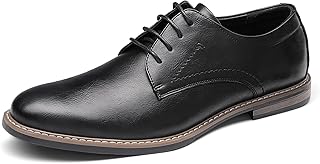


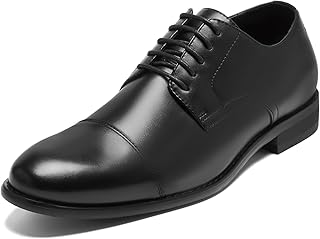
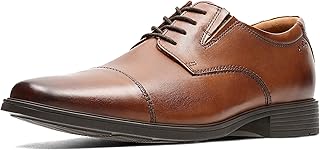


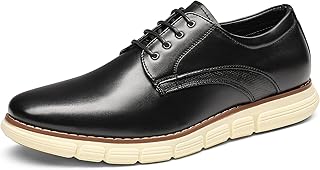


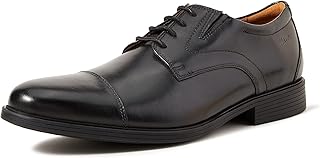


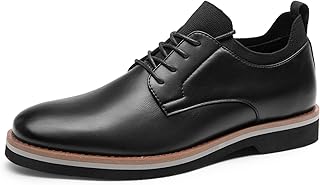


Choosing men’s formal shoes is not simply a matter of selecting the smartest-looking pair. The right shoe needs to work with the occasion, suit the formality of the outfit, provide a sensible level of comfort and remain practical for the conditions in which it will be worn. A pair selected for an office environment, for example, may need to prioritise all-day comfort and durability, while shoes for a wedding or black-tie event place greater emphasis on finish, silhouette and dress-code compatibility.
When comparing men’s formal shoes, look beyond photographs and headline ratings. Examine the construction, upper material, sole, fastening, toe shape, lining, cushioning, heel design and available sizing. These details can make a substantial difference to how a shoe looks and feels after several hours of wear.
Popular footwear brands such as Clarks, Loake, Barker, Church’s, Charles Tyrwhitt, Hush Puppies, Dune London and Ted Baker can be useful reference points when comparing styles and construction, but the brand name alone should not determine a purchase. Different ranges within the same brand can use different materials, constructions and design priorities.
The term formal shoes covers several distinct styles. Understanding the differences makes it much easier to narrow down suitable options before comparing individual products.
Oxford shoes are among the most traditionally formal choices for men. Their defining feature is closed lacing, where the eyelet facings are stitched beneath the vamp. This produces a relatively clean and streamlined appearance.
Black leather Oxfords are particularly versatile for formal business wear, interviews, ceremonies and many evening occasions. Brown and burgundy versions can provide more flexibility with navy, grey and other tailored clothing, although the appropriate shade depends on the dress code.
A plain-toe Oxford generally has a minimalist appearance, while cap-toe designs introduce a horizontal seam across the toe. A cap-toe Oxford can be an excellent choice when you want one pair that works across professional and formal settings.
Derby shoes use open lacing, with the eyelet sections attached on top of the vamp. They generally have a slightly more relaxed appearance than Oxfords and can be more forgiving for people who prefer additional room across the instep.
A well-designed Derby can still look highly formal, particularly when it has a sleek shape, restrained detailing and a leather sole. Derbies are also useful when you want a shoe that can transition between tailored trousers, smart separates and less formal business clothing.
Monk strap shoes replace traditional laces with a buckle fastening. Single monk styles are relatively understated, whereas double monk designs have two straps and create a more distinctive appearance.
Monk straps can work particularly well when the wearer wants formal footwear with more visual character. However, the additional hardware makes them less conservative than a plain black Oxford, so they are not always the first choice for the most traditional business or ceremonial dress codes.
Loafers are slip-on shoes without conventional laces. Their formality varies considerably according to the design and material.
Leather penny loafers can work well with smart trousers and business-casual clothing. Tassel and horsebit styles introduce additional decoration. Sleek leather loafers may be appropriate for certain formal occasions, but they are generally more versatile in smart and business-casual wardrobes than in strictly conservative formal settings.
Wholecut shoes are made from a single primary piece of leather, giving them a particularly clean appearance with fewer visible seams. Their minimalist construction can look exceptionally refined when the leather, finishing and shape are well executed.
Because the design is visually simple, imperfections in the leather or finishing can be more noticeable. Wholecuts are therefore worth assessing carefully for material quality and overall finishing rather than choosing solely because of their minimalist appearance.
Brogues are characterised by decorative perforations and punched detailing. They range from relatively restrained quarter brogues to more elaborate full brogues, often called wingtips.
The additional decoration generally makes a brogue less formal than a plain Oxford. However, a subtle brogue can provide useful versatility for office wardrobes and smart occasions where a completely minimalist shoe would feel too conservative.
Two shoes can look almost identical in product photographs while being very different in construction. Understanding how a shoe is made helps explain differences in comfort, durability, repairability and price.
Goodyear welted footwear uses a strip known as a welt around the perimeter of the shoe. The upper, welt and sole are joined through a construction designed to provide structural stability and allow certain shoes to be resoled.
This construction is particularly associated with traditional British footwear. It can be a useful consideration for buyers who want a formal shoe intended for long-term ownership rather than a short-term fashion purchase.
However, Goodyear welted does not automatically mean that every aspect of a shoe is superior. The quality of the leather, last, insole, welt, sole, stitching and finishing still matters. Construction should therefore be considered alongside the rest of the specification.
Blake construction involves stitching the sole directly through the insole and upper. It can produce a relatively slim and flexible shoe, which may suit sleek formal designs.
Compared with a more substantial welted construction, Blake footwear can have a different feel underfoot and may offer less separation between the foot and the ground. It is not inherently inferior; it simply represents a different design approach.
Cemented shoes use adhesive to attach the sole assembly to the upper. This construction is widely used because it can support lighter footwear and streamlined designs while allowing manufacturers to produce shoes at a broad range of price points.
For buyers, the important question is not whether a shoe is cemented but whether the overall materials, workmanship and intended use justify the purchase. A well-made cemented shoe can be perfectly suitable for occasional formal wear.
Inspect the visible stitching when comparing photographs or examining footwear in person. Look for reasonably consistent stitch spacing, clean edges and secure-looking seams. Uneven stitching does not necessarily prove that a shoe will fail, but careless finishing can indicate that greater attention should be paid to the rest of the construction.
The upper material has a major influence on appearance, flexibility, breathability, ageing and maintenance requirements.
Full-grain leather retains the natural grain of the hide and can develop character with use when properly maintained. It is often valued for durability and the way it can age.
Not every full-grain leather shoe is automatically a better purchase, however. Leather quality varies within the category, and the tanning, finishing, thickness and workmanship all affect the finished product.
Top-grain leather has been processed to some degree to create a more uniform surface. It can provide an attractive finish and is used across many different footwear ranges.
When comparing shoes, consider the complete specification rather than treating a leather classification as a guarantee of overall quality.
Corrected-grain leather is processed to make the surface more uniform, which can reduce the visibility of natural marks. It may be finished with coatings or treatments that create a particular appearance.
It can be practical for buyers who prioritise consistent appearance, but it may not develop the same patina or natural character associated with less heavily altered leather.
Modern synthetic materials can provide an alternative to animal leather. They may offer advantages such as easier cleaning, consistent appearance and potentially lower purchase costs, depending on the product.
However, synthetic formal shoes can differ significantly in breathability, flexibility and ageing behaviour. Check the material specification and intended use rather than assuming that every synthetic upper will perform in the same way.
The sole is easy to overlook because much of it is hidden when the shoe is worn, yet it has a direct effect on grip, flexibility, weight and comfort.
Leather soles are closely associated with traditional formal footwear. They can provide a refined appearance and a distinctive feel when walking on suitable surfaces.
Their performance can be less convenient in persistent rain or on slippery surfaces, particularly when compared with modern rubber compounds. Buyers in the UK should consider the environments in which the shoes will actually be worn.
Rubber soles can provide greater practicality for wet conditions and everyday commuting. Modern rubber outsoles can also be designed with relatively discreet profiles, meaning that choosing rubber does not necessarily require sacrificing a smart appearance.
For regular office use involving walking, public transport and unpredictable weather, a formal shoe with a suitable rubber sole can be a sensible alternative to a traditional leather-soled design.
Textured rubber soles can provide additional grip and weather resistance. Heavier tread patterns are generally more casual in appearance, while restrained rubber patterns can remain compatible with smart clothing.
The right choice depends on the balance between appearance and practicality. A heavily lugged sole may be useful for outdoor conditions but can look out of place with highly formal tailoring.
Correct sizing is more important than choosing a particular brand or construction. A beautifully made shoe that does not fit properly is unlikely to become a favourite.
The heel should feel secure without creating painful pressure. Some movement is normal while a new shoe is being worn in, but excessive heel lifting can indicate an unsuitable shape or size.
The widest part of the foot should sit comfortably within the shoe's widest area. Your toes should have sufficient room to move naturally without the foot sliding forward.
Do not assume that the same numerical size will fit identically across every manufacturer. Different lasts, widths, toe shapes and internal dimensions can produce substantially different fits.
Pointed and sharply tapered shoes can create a particularly elegant silhouette, but the toe box must still accommodate the wearer's foot. A narrow-looking shoe does not necessarily need to have an uncomfortably narrow internal shape.
Round and almond-shaped toes are often more forgiving. Square-toe designs occupy another part of the style spectrum and can create a contemporary appearance, although they may not suit traditional formal tailoring as naturally as a more streamlined silhouette.
Foot width is one of the most overlooked considerations when buying formal shoes online. Some manufacturers provide multiple width fittings, while others rely on a single standard width.
If you frequently experience pressure at the sides of your feet, look for a model available in an appropriate width rather than simply buying a longer size. Increasing length to compensate for insufficient width can create unwanted movement and poor heel fit.
For conventional office environments, black or dark brown Oxfords and understated Derbies are dependable choices. The more conservative the workplace, the more useful it is to prioritise clean lines and minimal decoration.
If your workplace is business-casual, dark loafers, brogues and refined Derby shoes can offer greater flexibility.
A job interview usually rewards restraint. A clean, well-maintained pair of black or dark brown formal shoes is generally more appropriate than an unusually shaped or heavily decorated design.
The condition of the shoes matters as much as the style. Scuffed leather, dirty soles or badly creased uppers can undermine an otherwise polished outfit.
Wedding footwear depends on the suit, venue, season and dress code. Black formal shoes can work with conventional dark tailoring, while dark brown or burgundy can provide more flexibility with navy and other suit colours.
For a formal wedding, avoid allowing highly decorative footwear to compete with the overall outfit unless the dress code and personal style call for it.
Black-tie dressing has stricter requirements than ordinary formalwear. Sleek black footwear with a refined finish is generally more appropriate than casual brogues, chunky soles or strongly contrasting colours.
Always check the stated dress code before selecting footwear. “Formal” and “black tie” should not be treated as interchangeable instructions.
For sombre occasions, understated black footwear is usually the safest direction. Minimal decoration and a conservative silhouette are generally more appropriate than fashionable statement designs.
Colour coordination should be considered before choosing a shoe rather than as an afterthought.
The darker and more conservative the suit, the more important it is to keep the footwear proportionate in colour and design. Highly contrasting shoes can become the dominant feature of an otherwise formal outfit.
Rather than relying on one “best” model for every buyer, compare shoes against a consistent set of criteria.
Formal footwear does not have to mean uncomfortable footwear. Manufacturers use a range of design features to make dress shoes more wearable.
Cushioned footbeds can reduce the sensation of hard contact underfoot, particularly when shoes are worn for several hours. However, excessive softness is not automatically beneficial. The footbed should provide a stable platform rather than allowing the foot to move excessively.
A degree of flexibility around the forefoot can make walking more comfortable. The amount required depends on the construction and intended use. Very structured formal shoes may naturally feel firmer than lightweight business-casual footwear.
Lining materials can affect moisture management and comfort. Leather linings are commonly found in traditional formal footwear, while synthetic linings are also widely used.
If the shoes will be worn throughout long working days, lining and breathability deserve greater consideration than they would for occasional evening use.
Product photographs can make a shoe appear impressive while concealing important details about construction, fit and materials. Always inspect the full specification where available.
Footwear sizing is not completely uniform between manufacturers. Last shape and width can change how a nominally identical size feels.
A recognised brand can provide useful context, but different collections may be designed for very different purposes. Compare the actual shoe rather than assuming that a familiar name guarantees the right choice.
A beautiful leather-soled shoe may not be the most practical choice for someone walking through wet pavements every day. Consider the environment before deciding which sole material is preferable.
A sharply tapered toe can look elegant but should never force the toes into an unnatural position. Comfort and fit should remain more important than achieving a particular silhouette.
If your budget is limited, consider how often the shoes can realistically be worn. A restrained Oxford or Derby may serve considerably more purposes than a highly distinctive formal shoe.
Leather footwear requires care if you want to preserve its appearance. Buying an expensive pair without being prepared to clean, condition and store it properly can reduce its useful life.
When comparing products online, create a simple checklist rather than relying on photographs alone.
Customer ratings can be useful, but a single overall score rarely tells you everything you need to know about a formal shoe.
Look for repeated comments rather than isolated complaints or compliments. If multiple buyers independently mention that a model runs narrow, has a firm sole or requires sizing up, that information may be more useful than the average rating alone.
Pay particular attention to reviews discussing long-term comfort, sizing accuracy, leather quality, sole durability, creasing and overall appearance. Also distinguish between comments about the product and comments about delivery or retailer service, because these address different aspects of the buying decision.
If you spend most of the working day on your feet, comfort should become a primary selection criterion rather than a secondary feature.
Look for a secure heel, suitable width, supportive footbed and a sole that provides the right combination of cushioning and stability. A slightly less formal Derby or loafer may be a better practical choice than an extremely rigid dress shoe if your working environment permits it.
Having two or more pairs can also be beneficial. Rotating footwear gives each pair an opportunity to dry and recover between uses and reduces the need to wear the same shoes every day.
British weather creates a practical challenge for traditional formal footwear. Rain, damp pavements and changing temperatures can affect both leather uppers and soles.
If the shoes will regularly be exposed to wet conditions, consider a model with a suitable rubber outsole or a construction designed with everyday practicality in mind. This does not eliminate the need for care, but it can make the footwear more appropriate for commuting and outdoor walking.
Do not deliberately soak leather shoes and then attempt to dry them rapidly with direct heat. Excessive heat can damage leather and affect adhesives and other components. Allow wet footwear to dry naturally and use appropriate shoe-care products once the leather is dry.
Even a correctly fitted pair can require a gradual break-in period, particularly when the shoe has a structured construction or firm leather upper.
Start by wearing the shoes for shorter periods. This allows you to identify pressure points before committing to a full working day or important event.
Do not assume that severe pain is simply part of breaking in footwear. Persistent pressure, numbness or significant rubbing can indicate that the shape or size is unsuitable.
Remove surface dirt regularly using an appropriate soft brush or cloth. Avoid applying unsuitable household cleaning products to leather because different finishes can react differently to chemicals and moisture.
Leather conditioners can help maintain flexibility, although products should be compatible with the particular leather finish. Excessive conditioning can be counterproductive, so follow the care guidance provided for the footwear.
Polishing can improve the appearance of traditional leather formal shoes and help maintain a smart finish. Use a suitable polish and apply it evenly rather than building up excessive product in one area.
Shoe trees can help formal footwear retain its shape and reduce the appearance of creasing. Wooden shoe trees are commonly used because they can also assist with moisture management after wear.
Store formal shoes somewhere dry and away from excessive heat. Avoid leaving leather footwear against radiators or other strong heat sources.
Wearing the same pair every day can increase exposure to moisture, friction and repeated flexing. Rotating between suitable pairs allows footwear to dry and recover between uses.
For someone who wears formal shoes frequently, owning a small rotation of dependable pairs may be more practical than investing everything into a single pair. A black Oxford, a dark brown Derby and a versatile loafer, for example, can cover a broad range of professional and smart occasions.
A higher purchase price can make sense when the shoe offers construction, materials, comfort, repairability or versatility that genuinely matches your requirements.
Traditional welted shoes can be attractive to buyers interested in long-term ownership because some designs may be capable of being resoled or repaired. Nevertheless, repairability depends on the specific construction and condition of the shoe, so it should not be assumed solely from the brand or price.
For occasional wear, a simpler construction may provide better value if the shoe looks appropriate, fits well and is maintained correctly. The most expensive option is not automatically the most suitable option.
Prioritise fit, clean styling and reasonable materials. Avoid paying extra for decorative details that do not improve how you intend to use the shoe.
This is often the point at which it becomes worthwhile to compare construction methods, leather quality, comfort features and repair potential more closely.
Premium footwear should be assessed critically rather than purchased for prestige alone. Look for evidence of careful finishing, quality materials, appropriate construction and a shape that complements your wardrobe.
Black is usually the safer option when maximum formality and wardrobe compatibility are the priority. It is particularly useful for conservative offices, formal ceremonies and dark tailoring.
Brown offers greater visual warmth and can be extremely versatile with navy and blue suits. Dark brown is generally easier to integrate into a formal wardrobe than very light tan shades.
If you are buying your first serious pair of formal shoes, consider which colour complements the majority of your existing trousers and suits rather than selecting solely according to current fashion.
Choose an Oxford when you want the more traditional, streamlined and formal appearance. It is particularly suitable for conservative business dress and formal occasions.
Choose a Derby when you want additional versatility, a somewhat less formal appearance or potentially more accommodating lacing and fit characteristics.
Neither style is universally better. The appropriate choice depends on your dress code, foot shape, wardrobe and intended frequency of use.
A leather sole can provide a traditional appearance and distinctive feel, while rubber generally offers greater practicality in wet conditions and on many everyday surfaces.
For occasional indoor formal events, leather can be an attractive option. For regular UK commuting and mixed indoor-outdoor use, rubber may be the more practical choice.
A sensible footwear collection does not need to contain numerous pairs that perform the same role. Instead, build around the occasions you actually attend.
This approach can provide more practical coverage than buying several visually similar pairs.
Maintaining formal footwear does not require an enormous collection of specialist products. A basic shoe-care setup can include a soft cleaning brush, suitable cloths, compatible leather conditioner, appropriate shoe polish and shoe trees.
Always identify the material and finish before applying a new product. Suede, nubuck, patent finishes and heavily coated leathers require different care from conventional smooth leather.
A good product listing should give you enough information to understand what you are buying. Look for clear information about the upper, lining, sole, fastening, construction and sizing.
Be cautious when a listing relies heavily on vague descriptions such as “luxury”, “premium”, “professional” or “high quality” without providing meaningful specifications. Descriptive marketing language is not a substitute for material and construction information.
Product photographs should also be examined critically. A studio image can communicate colour and silhouette, but it cannot by itself confirm the softness of the leather, internal fit or long-term durability.
Buying online can provide a much wider selection, but it places greater importance on careful specification checking.
Measure your feet according to the retailer's guidance rather than relying exclusively on your usual shoe size. If possible, compare the manufacturer's sizing information with a pair of footwear that already fits well.
Check the retailer's current return and exchange policy before purchasing, particularly when trying a new brand or construction. Keep packaging and labels in good condition until you are confident that the fit is right.
When comparing several products, record the important specifications in a simple checklist. This prevents a visually attractive product from winning simply because its photographs are better.
Quality and value are related but they are not identical. A shoe can be well made but poor value for someone who rarely wears formal footwear. Conversely, a moderately priced shoe that fits extremely well and is used regularly can provide excellent practical value.
The best buying decision therefore considers the complete ownership proposition: purchase cost, frequency of use, comfort, versatility, maintenance, expected longevity and the availability of suitable alternatives.
No. Price can reflect materials, construction, labour, finishing, brand positioning and other factors, but it is not a standalone measure of performance.
A premium shoe that does not fit correctly is unlikely to outperform a less expensive shoe that fits exceptionally well. Likewise, a highly formal leather-soled shoe may be a poor choice for someone who spends every day walking through wet pavements.
Use specifications and intended use to justify a purchase rather than assuming that a higher price automatically means better footwear for your circumstances.
If you are starting a professional wardrobe from scratch, avoid buying too many styles immediately. A conservative black Oxford provides a strong foundation because it can accommodate many formal situations.
A second pair in dark brown or another versatile colour can then cover less formal business settings. Once these essentials are established, you can add brogues, loafers or monk straps according to your workplace and personal style.
The best formal shoes depend on the occasion, dress code, foot shape, wardrobe and budget. A black Oxford is one of the most versatile choices for traditional formal and professional settings, while a Derby, loafer or monk strap can provide greater stylistic flexibility.
Generally, yes. Oxford shoes use closed lacing and typically have a cleaner, more formal appearance. Derby shoes use open lacing and can have a slightly more relaxed character, although a sleek Derby can still be highly formal.
Not in every situation. Quality leather can offer attractive ageing, flexibility and a traditional appearance, while synthetic materials can provide consistent finishes and other practical advantages. Compare the complete material specification and intended use.
Neither colour is universally better. Black is generally more conservative and suitable for highly formal settings, while brown can provide greater flexibility with navy, blue and selected lighter tailoring.
Black, dark brown and burgundy can all work with navy depending on the formality of the occasion and the rest of the outfit. Black provides the most conservative appearance, while brown introduces a more relaxed and traditional contrast.
A simple black Oxford is highly versatile for formal occasions, while a dark brown Derby can cover a broad range of business and smart settings. The most useful combination depends on the colours and styles already present in your wardrobe.
They can be worthwhile for buyers who value traditional construction, structural durability and potential repairability. However, welted construction alone does not guarantee superior quality. Leather, workmanship, fit and sole design should also be assessed.
Yes. A discreet rubber sole can be particularly useful in the UK because it can provide practical grip and better suitability for wet conditions. The appearance depends on the specific sole design.
A formal shoe should hold the heel securely, provide enough room for the toes and avoid painful pressure around the sides or instep. Fit can vary considerably between brands and lasts, so the stated numerical size should not be treated as the only consideration.
Start with the correct size and width. Suitable socks, gradual break-in, appropriate insoles where compatible and regular shoe rotation can also improve comfort. Persistent pain is more likely to indicate a poor fit than a normal break-in period.
There is no universal schedule because frequency depends on how often the shoes are worn, the leather finish and the conditions they encounter. Clean surface dirt regularly and polish when the finish begins to look dry, dull or in need of attention.
They can encounter light rain, but regular exposure to water can affect leather and some sole constructions. For frequent wet-weather use, consider footwear with suitable weather-resistant features and follow the manufacturer's care guidance.
A new leather shoe can feel firm, but it should not cause significant pain or compress the toes. Leather may soften with wear, but it should not be assumed that a fundamen