

♥ Wishlist
Compare 47 verified Milwaukee Cordless SDS Hammer Drills products in United Kingdom. Reviews, ratings, pros, cons and buying advice updated for November 2026.


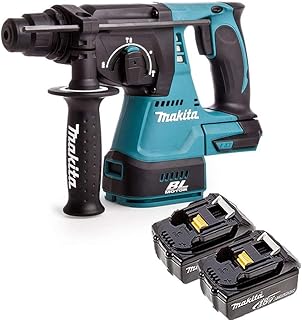


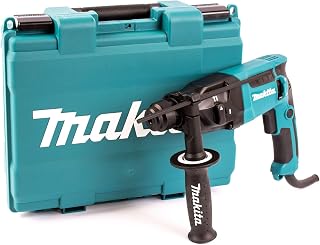


Choosing a cordless SDS hammer drill is about more than simply looking for the highest voltage, largest battery or biggest quoted impact rate. For drilling masonry, concrete and brick in a UK trade environment, the right machine needs to balance impact energy, drilling capacity, vibration control, weight, battery runtime, ergonomics and the type of work it will actually perform.
Milwaukee has an extensive cordless professional tool range, particularly within its M18 platform, so buyers can choose between compact SDS-Plus machines for general drilling and heavier SDS-Max equipment for more demanding applications. The important question is not simply which Milwaukee SDS hammer drill is the most powerful, but which specification best matches the work you need to complete.
This guide expands the buying considerations behind Milwaukee cordless SDS hammer drills, including SDS-Plus versus SDS-Max, battery selection, concrete drilling, vibration management, accessories, maintenance, common purchasing mistakes and the specifications worth comparing before buying.
A cordless SDS hammer drill is a rotary hammer designed primarily for drilling masonry, brick, blockwork and concrete. Unlike a conventional cordless drill, a rotary hammer uses a dedicated percussion mechanism to deliver repeated impacts through the drill bit. The SDS chuck system also allows compatible bits to move axially within the tool while remaining securely retained.
The combination of rotation and impact makes an SDS machine particularly effective when drilling hard masonry. Many models also provide selectable operating modes, allowing the tool to be used for rotary drilling, hammer drilling and, on suitable machines, chiselling.
For buyers comparing Milwaukee cordless SDS hammer drills, the most important distinction is between SDS-Plus and SDS-Max. These systems are not interchangeable, and choosing the wrong class of tool can result in unnecessary weight, expense or insufficient capability.
SDS-Plus is generally the more versatile choice for everyday drilling and lighter demolition work. It is well suited to common masonry tasks such as fixing holes, electrical installations, plumbing work, wall plugs, anchor holes and general construction drilling.
SDS-Max is intended for substantially heavier applications. Larger bits and chisels can be used with the system, making it more appropriate for demanding concrete drilling, larger penetrations and heavier chiselling or demolition work.
If most of your work involves relatively small holes for fixings, cable routes or plumbing installations, an SDS-Plus Milwaukee machine is usually the more sensible category to investigate. If you regularly need large holes, substantial chiselling or heavy concrete work, SDS-Max becomes more relevant.
One of the strongest reasons for considering a cordless Milwaukee SDS hammer drill is battery-platform compatibility. If you already own compatible Milwaukee M18 tools and batteries, staying within the same platform can make considerably more sense than purchasing a separate cordless system.
However, battery compatibility should not be confused with identical performance. Different batteries can vary significantly in capacity, physical size, weight and their ability to support high-demand applications. A battery that is excellent for a compact drill or impact driver may not be the best choice for sustained heavy concrete drilling.
Battery capacity is commonly expressed in ampere-hours, or Ah. A higher Ah rating generally means greater stored energy, although actual runtime depends on the workload, material, drill-bit diameter, drilling depth, operating mode and condition of the battery.
For occasional drilling, a smaller and lighter battery can improve portability. For repetitive concrete drilling or demanding site work, a higher-capacity battery can reduce interruptions caused by battery changes.
It is easy to concentrate on battery capacity while overlooking the additional weight. A larger battery can improve runtime but also increase the overall mass of the tool. When drilling overhead, working from ladders or carrying the machine around a large site, that difference can become significant.
The best battery is therefore not automatically the largest battery available. Consider the relationship between expected runtime, tool weight and the physical position in which the SDS hammer drill will be used.
Impact energy is an important specification when comparing rotary hammers. It provides an indication of how forcefully the percussion mechanism strikes the bit. However, impact energy should never be considered in isolation.
A higher impact-energy figure can be useful for demanding drilling and chiselling, but a heavier tool may be less comfortable for prolonged use. Buyers should compare impact energy alongside tool weight, vibration control, drilling capacity, operating modes and intended application.
For light installation work, maximum impact performance may be far less important than compact dimensions and controllability. For demolition or large-diameter concrete drilling, the balance changes considerably.
Manufacturers commonly publish maximum drilling capacities for materials such as concrete, masonry and occasionally other substrates. These figures are useful for establishing the intended class of a machine, but they should not automatically be interpreted as the ideal working diameter for continuous drilling.
Maximum capacity can also depend on the specific bit, material density, drilling technique and application. A machine capable of accepting a large bit does not necessarily mean that every large hole will be produced quickly or efficiently.
Small-diameter holes are common for wall plugs, brackets, cable clips, pipe supports and other fixings. A compact SDS-Plus machine can be particularly convenient for this type of work.
Medium holes may be required for pipework, conduit, larger anchors and service installations. Here, motor performance, impact mechanism efficiency and battery capacity become increasingly relevant.
Large holes place substantially greater demands on the drill, bit and operator. If large-diameter drilling forms a significant part of your workload, look beyond basic SDS-Plus capability and consider whether a heavier SDS-Max rotary hammer or another specialist drilling solution is more appropriate.
Versatility can be one of the biggest advantages of a cordless SDS hammer drill. Depending on the model, selectable modes may allow rotary drilling, rotary hammer drilling and chiselling.
Not every SDS hammer drill provides exactly the same mode selection, so check the individual specification before assuming a particular model can perform a particular task.
Brushless motors are widely used in professional cordless power tools because they eliminate conventional motor brushes and can provide an efficient, electronically controlled drive system.
For a cordless SDS hammer drill, brushless technology can form part of a wider electronic system that manages motor output, battery demand and protection features. The practical benefit depends on the complete tool design rather than the motor description alone.
When comparing Milwaukee machines, consider brushless motor technology alongside the percussion mechanism, battery system, electronic controls and overall tool design rather than treating the motor type as the sole indicator of performance.
Milwaukee's professional cordless tools commonly incorporate electronic control and protection technologies under its REDLINK branding. Depending on the particular tool, these systems can be designed to manage communication between the battery and tool and provide protection against certain overload or overheating conditions.
Exact functionality varies between models, so buyers should check the specifications for the individual SDS hammer drill rather than assuming that every Milwaukee cordless rotary hammer has identical electronic features.
Vibration is an important consideration when using an SDS hammer drill for extended periods. Rotary hammers generate repeated impact forces by design, making vibration management relevant to both comfort and practical control.
Features such as anti-vibration systems, suspended handles and carefully designed grips can help reduce the amount of vibration transmitted to the operator. The exact implementation varies between models.
Do not evaluate comfort simply by looking at the weight listed in a specification sheet. The balance of the machine, handle position, battery location, grip design, trigger arrangement and drilling orientation can all influence how manageable a tool feels during real work.
Weight is particularly important when choosing a cordless SDS hammer drill because the tool may be held at shoulder height, overhead or in awkward positions.
A heavier machine may offer greater capability, but that does not necessarily make it the better choice for general installation work. Conversely, choosing the lightest available tool can be a mistake if the application regularly involves large holes or heavy chiselling.
Think about the work pattern rather than a single specification:
The main advantage of a cordless SDS hammer drill is freedom from a mains cable. This can make a substantial difference on construction sites, renovation projects, outdoor work and locations where power sockets are inconvenient.
For a workshop with convenient mains power and long periods of uninterrupted heavy drilling, a corded machine can still make sense. For mobile professional work, the convenience of cordless equipment can be more valuable.
Decide first whether SDS-Plus or SDS-Max matches your applications. This prevents buying a machine that is either unnecessarily large or unable to handle the work you regularly perform.
Look at the manufacturer's stated drilling capacity and compare it with the hole sizes you actually use. Leave sensible headroom if large holes are routine rather than selecting a machine that only just meets your requirements.
Impact energy helps distinguish compact installation-focused machines from heavier-duty rotary hammers. Compare it with weight and application rather than choosing the largest number automatically.
If you already own compatible Milwaukee M18 batteries, platform compatibility may be a major advantage. If you are starting from scratch, remember to consider the complete cordless system rather than the bare tool price alone.
If the machine will be used frequently, vibration management deserves serious attention. A tool that is powerful but uncomfortable may be less suitable for prolonged professional work.
Compare the weight of the bare tool and the practical weight once the intended battery is installed. The difference can influence overhead drilling and prolonged use.
If chiselling is required, verify that the particular model provides the appropriate mode. Do not assume that every SDS drill offers identical functionality.
Check whether the machine uses SDS-Plus or SDS-Max and make sure your existing drill bits and chisels match the chuck system.
Compact dimensions can be valuable when working in plant rooms, service cupboards, tight corners and confined construction areas. A larger rotary hammer may be unnecessary if access is frequently restricted.
Before buying, compare the full technical specification rather than relying on one headline figure. Look at impact energy, drilling capacity, speed, impact rate, weight, dimensions, vibration information, battery compatibility and included accessories.
Maximum power is not always the same as maximum usefulness. A large SDS-Max machine can be excessive for routine fixing work, while a compact SDS-Plus drill may be unsuitable for sustained heavy demolition.
Comparing bare-tool specifications can make two machines appear closer than they feel in practical use. Remember to consider the battery that will normally remain attached to the drill.
Voltage alone does not provide a complete picture of rotary-hammer performance. Impact mechanism design, motor efficiency, electronic control, battery technology and mechanical construction all influence the final tool.
SDS-Plus and SDS-Max accessories are different systems. Check the chuck type before purchasing drill bits, core accessories or chisels.
For occasional drilling, vibration may not be a major deciding factor. For regular professional use, it deserves far more attention because the machine may be operated for long periods.
Battery capacity, physical size and output characteristics can vary. Check which batteries are recommended or compatible with the particular tool and consider the workload before choosing a battery size.
Milwaukee is not the only established manufacturer in the professional cordless power-tool market. Buyers may also encounter comparable SDS hammer drills from brands such as Bosch Professional, DeWalt, Makita, Hikoki and Metabo.
The best brand depends heavily on the cordless platform already used by the buyer. Battery compatibility can be more important than small differences in headline specifications, particularly for tradespeople who already own several cordless tools.
Bosch Professional has a long-established presence in rotary hammers and professional drilling equipment. When comparing Milwaukee and Bosch Professional, examine the specific machine rather than assuming one brand is universally better. Compare chuck type, impact energy, drilling capacity, weight, vibration management and battery ecosystem.
DeWalt is another major professional cordless platform. Buyers choosing between DeWalt and Milwaukee should consider existing batteries, chargers and other tools alongside the SDS hammer drill itself.
Makita offers a broad range of cordless construction tools and rotary hammers. The comparison should focus on the individual models, their battery platforms, ergonomics, specifications and intended applications.
Hikoki is also well established in professional power tools and cordless rotary hammers. For demanding drilling, compare the complete specification and accessory ecosystem rather than selecting solely on brand recognition.
Electricians often need to drill numerous relatively small holes for conduit, cable supports, fixings and installation hardware. Compact size, low weight, controllability and battery convenience can therefore be particularly valuable.
Plumbing work may involve masonry penetrations for pipes, brackets and supports. The ideal machine depends on the diameter and frequency of drilling. A versatile SDS-Plus tool may be suitable for many installation tasks, while larger service penetrations can require more substantial equipment.
General builders may need a combination of drilling, fixing and occasional chiselling. A versatile SDS rotary hammer can be a useful all-round machine where the workload does not justify a specialist heavy-duty demolition tool.
Renovation work often involves removing tiles, chasing walls, drilling masonry and preparing surfaces. A model with suitable chiselling functionality can therefore be more useful than a drill designed purely for rotary hammer drilling.
Frequent large-diameter drilling and heavy chiselling require a different level of equipment. In these circumstances, prioritise impact performance, vibration management, durability, battery capability and accessory compatibility.
The performance of an SDS hammer drill is strongly influenced by the quality and suitability of the bit. A powerful machine cannot compensate indefinitely for a worn, damaged or inappropriate accessory.
Use SDS-compatible bits designed for the intended material and application. For concrete, masonry and reinforced concrete applications, select accessories according to the manufacturer's recommendations and the requirements of the material being drilled.
A worn cutting head can reduce drilling efficiency and increase the effort required from the operator and tool. If drilling becomes unusually slow, inspect the bit before assuming that the cordless drill itself has developed a problem.
Reinforced concrete can be significantly more demanding than ordinary masonry because the drill may encounter steel reinforcement. The appropriate accessory and drilling method depend on the application. Do not treat a standard masonry drill bit as a universal solution for every reinforced-concrete task.
Regular maintenance can help preserve the performance and reliability of a professional power tool. Always follow the manufacturer's instructions for servicing and inspection.
Battery management is an important part of owning a cordless SDS hammer drill. Store batteries in suitable conditions and follow the manufacturer's charging, storage and temperature guidance.
Keep battery contacts clean and inspect the casing for damage. If a battery becomes damaged, excessively hot, swollen or behaves abnormally, stop using it and follow the manufacturer's safety guidance rather than attempting an improvised repair.
Concrete and masonry drilling creates dust, debris and potentially high levels of noise and vibration. Appropriate personal protective equipment and safe working practices are essential.
Dust control should not be treated as an optional extra when drilling concrete, brick or blockwork. The amount and type of dust produced can vary considerably according to the material, bit, drilling method and working environment.
Where appropriate, use compatible dust-extraction equipment and follow the relevant manufacturer's instructions. On professional sites, workplace procedures may also specify particular extraction, respiratory protection and housekeeping requirements.
A useful comparison process is to create a shortlist based on your actual workload rather than starting with the most expensive machine.
Customer reviews can provide useful information, but they should be evaluated carefully. A review from someone drilling a handful of small holes each month is not directly comparable with feedback from a professional using a rotary hammer every working day.
Look for repeated themes rather than relying on a single five-star or one-star review. Useful observations can include battery runtime under particular workloads, ergonomics, tool balance, chuck behaviour, accessory compatibility and ease of handling.
Reviews are most valuable when the reviewer explains what they used the machine for. A comment that simply says a drill is “powerful” provides less useful buying information than a detailed description of the hole sizes, materials and working conditions involved.
A compact SDS-Plus model can be the better choice when most work involves small and medium masonry holes, installation fixings and occasional light chiselling. The lower overall size can make it easier to carry and manoeuvre, especially in residential properties, plant rooms and service areas.
For tradespeople who already use the Milwaukee M18 platform, the ability to share compatible batteries with other tools can further improve the practicality of a compact cordless rotary hammer.
Heavy-duty work changes the buying equation. If the drill will regularly perform large-diameter concrete drilling, substantial chiselling or demanding construction tasks, prioritise impact capability, durability, vibration control and sustained battery performance.
In these circumstances, a heavier machine may be justified because the additional capability directly corresponds with the workload. The key is to select heavy-duty equipment because the application requires it, rather than simply because the specification appears impressive.
The cost of an SDS hammer drill is only part of the complete setup. Depending on the application, buyers may also need drill bits, chisels, dust-extraction accessories, batteries and charging equipment.
Good technique can make a noticeable difference to drilling efficiency. Allow the percussion mechanism and cutting head to perform the work rather than applying excessive force. Excessive pressure can make the tool harder to control and may not improve drilling speed.
Use the correct bit for the material and hole size, maintain a stable stance and keep the drill aligned with the intended hole. For deeper holes, follow appropriate procedures for clearing dust and debris according to the bit and tool manufacturer's guidance.
If a cordless SDS hammer drill repeatedly struggles with the work you expect it to perform, the problem may be a mismatch between the tool and the application rather than a faulty machine.
There is no single Milwaukee cordless SDS hammer drill that is automatically the best choice for every buyer. The right option depends on the relationship between drilling capacity, impact energy, size, weight, battery platform, vibration control and workload.
For general installation and masonry drilling, start by comparing suitable SDS-Plus models. For heavier concrete work and larger holes, investigate higher-capacity SDS-Plus or SDS-Max options as appropriate. If chiselling is important, make sure the individual machine offers the required operating mode.
Existing Milwaukee M18 users should also consider battery compatibility, because staying within an established cordless platform can reduce the need to maintain multiple battery and charger systems.
Yes. Milwaukee cordless SDS rotary hammers are designed for masonry and concrete drilling, with the suitability of a particular model depending on its SDS system, impact performance, drilling capacity and the requirements of the job.
Neither system is universally better. SDS-Plus is generally more appropriate for a wide range of everyday drilling and installation work, while SDS-Max is designed for heavier applications involving larger accessories and more demanding drilling or chiselling.
Do not assume that SDS-Plus and SDS-Max accessories are directly interchangeable. Check the specific tool and accessory requirements and use compatible equipment.
Milwaukee M18 SDS rotary hammers are part of the company's cordless M18 system. The exact battery, performance and equipment configuration varies by individual model.
Many professional cordless SDS rotary hammers are designed for demanding construction and installation applications. Whether a particular model is suitable depends on the drilling diameter, material, workload and required operating modes.
Impact energy is an important specification because it helps indicate the capability of the percussion mechanism. However, it should be compared alongside drilling capacity, weight, vibration control, battery performance and intended use.
If you already own compatible batteries and a charger, a bare tool can be a practical option. If you are entering the battery platform for the first time, compare the total cost of the complete kit, including the required battery and charger.
There is no universal number. Occasional users may only need one battery, while professionals carrying out repeated concrete drilling may benefit from having additional charged batteries available. Actual requirements depend on workload, battery capacity and charging arrangements.
A larger-capacity battery can provide more stored energy, but it also adds weight. The best choice depends on whether your priority is runtime, portability, tool balance or sustained heavy-duty use.
Some models provide a rotary-only mode, but capabilities vary. Check the operating modes and manufacturer's instructions for the specific model before using it for applications outside concrete and masonry drilling.
Some SDS rotary hammers provide a dedicated chiselling mode. This should always be confirmed for the individual model because not every machine offers the same functionality.
They can be useful for overhead drilling, but tool weight, battery weight, balance and vibration become especially important. Choose a machine that can be controlled safely for the intended application and follow appropriate working-at-height procedures.
Check the exact model specification, SDS system, concrete drilling capacity, impact energy, operating modes, battery compatibility, weight, vibration information, included accessories and the configuration being sold. Prices and package contents can change, so compare current information before purchasing.
The best Milwaukee cordless SDS hammer drill is the one that matches the work rather than simply the one with the largest specification. Start with the drilling material and hole sizes, then choose the appropriate SDS system. From there, compare impact energy, operating modes, battery compatibility, tool weight, vibration control and accessory requirements.
For everyday installation work, a well-balanced SDS-Plus machine can provide a useful combination of portability and drilling capability. For larger holes and demanding chiselling, a heavier-duty machine may be more appropriate. Existing Milwaukee users should also factor in the value of remaining within the M18 battery ecosystem.
Before making a purchase, compare the exact model specifications, read verified customer reviews from users with similar workloads and check current prices and package contents from trusted UK retailers. A careful comparison is more useful than choosing solely by brand, voltage or headline power.
Use this guide alongside the individual manufacturer's specifications to identify the Milwaukee cordless SDS hammer drill that best fits your intended applications, working environment and cordless-tool setup.