

♥ Wishlist
Compare 6 verified Pressure Washers for Powerful Outdoor Cleaning products in United Kingdom. Reviews, ratings, pros, cons and buying advice updated for November 2026.
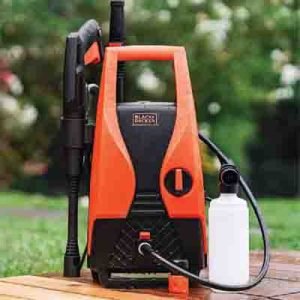
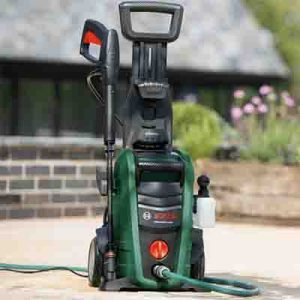
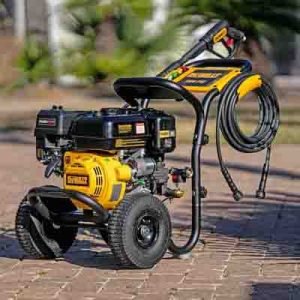
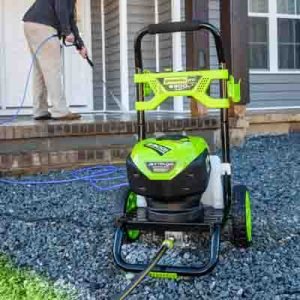
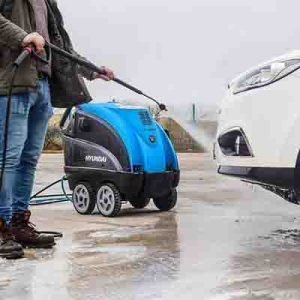
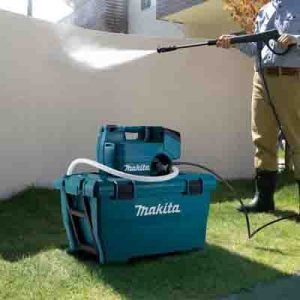
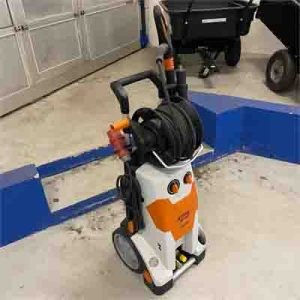


Choosing the best pressure washer is less about buying the machine with the highest advertised pressure and more about matching the washer to the jobs you actually intend to tackle. A compact domestic pressure washer can be ideal for bicycles, garden furniture and smaller patios, while heavier-duty machines are better suited to large driveways, extensive paving, vehicles, walls and frequent cleaning. This guide expands the buying considerations that matter when comparing pressure washers in the UK. It covers pressure, water flow, motor type, hose length, accessories, detergents, portability, noise, maintenance, safety and the differences between compact, mid-range and more powerful machines. The aim is to help you compare specifications intelligently rather than choosing solely on headline PSI or bar figures. A pressure washer uses a pump to pressurise water and deliver it through a narrow nozzle at considerably greater force than an ordinary garden hose. The resulting jet can loosen and remove dirt, algae, mud, moss, road film, grime and other deposits from suitable outdoor surfaces. Most domestic pressure washers are designed around a relatively simple system consisting of an electric motor, high-pressure pump, water inlet, high-pressure hose, spray gun and interchangeable nozzle or lance. Depending on the model, additional equipment can include patio cleaners, detergent bottles, rotating brushes, extension lances and specialised nozzles. The important point for buyers is that pressure is only one part of cleaning performance. Water flow, nozzle design, pump efficiency, working pressure, surface distance and the type of contamination all influence the result. Pressure is commonly expressed in bar in the UK, although some manufacturers and retailers also quote PSI. A higher pressure figure indicates greater potential force at the nozzle, but it does not automatically mean a pressure washer will clean every surface better. Very high pressure can be unnecessary for routine domestic cleaning and can even damage unsuitable surfaces if the nozzle is held too close or the wrong spray pattern is selected. Painted surfaces, soft timber, delicate pointing, vehicle trim and certain masonry finishes require more care than robust concrete. When comparing pressure washers, look for both the maximum pressure and, where available, the working or operating pressure. Maximum pressure is often a peak figure rather than the pressure maintained continuously during ordinary use. Water flow is another major consideration. It is generally expressed in litres per hour or litres per minute. Flow rate indicates how much water the machine can move through the system over a given period. A pressure washer with a sensible combination of pressure and water flow can remove loosened dirt efficiently because the water does more than simply strike the surface. It also helps carry away the material that has been detached. For commercial-style cleaning or large areas, flow rate becomes particularly important because a machine that delivers a strong jet but relatively modest water volume may take longer to cover a large surface. It is tempting to rank pressure washers purely by bar. That is a poor comparison method. Consider these factors together: For many domestic jobs, a well-balanced pressure washer with useful accessories can be more practical than a substantially more powerful machine that is bulky, difficult to transport and excessive for the surfaces being cleaned. Car cleaning requires a different approach from cleaning a concrete driveway. Vehicle paintwork can be damaged by aggressive cleaning techniques, especially when dirt or grit is dragged across the surface. For car washing, look for a pressure washer with controllable spray options, a suitable detergent application system and accessories intended for vehicle cleaning. A longer hose can also make a considerable difference because it reduces the need to move the machine around the vehicle. Use a wider, gentler spray pattern for sensitive areas and maintain a sensible distance from paintwork. Avoid directing concentrated high-pressure jets at tyres, seals, electrical components, damaged paint, delicate trim or other vulnerable areas. Patios often accumulate dirt, moss, algae and weather-related staining. A pressure washer can make short work of loose surface contamination, but the correct technique is important. A wide spray pattern is generally preferable for broad surfaces. Patio-cleaning attachments can be useful because they help contain spray and make it easier to maintain a relatively consistent cleaning distance. When cleaning paving, consider the material and condition before using aggressive pressure. Old pointing, cracked slabs, soft stone and damaged surfaces may require lower pressure or an alternative cleaning method. Driveways are among the most demanding domestic pressure-washing applications because they can cover a large area and accumulate stubborn dirt, tyre marks, organic growth and embedded grime. For larger driveways, prioritise cleaning efficiency rather than maximum pressure alone. A useful combination of water flow, working pressure, a suitable surface cleaner and a sufficiently long hose can make a substantial difference to the amount of time spent working. Before cleaning, sweep away loose debris and inspect the surface for cracks, damaged joints and areas that could be affected by concentrated water pressure. Plastic garden furniture can often benefit from relatively gentle pressure washing, particularly after winter storage. However, furniture made from timber, composite materials or painted finishes needs more cautious treatment. Start with the lowest effective pressure and a wider spray. Test an inconspicuous area before cleaning the entire item. Pressure washing a bicycle requires caution because high-pressure water can force moisture and contaminants into bearings, seals and other components. For bikes, use a relatively gentle spray and avoid directly blasting bearings, hubs, bottom brackets, headset areas, suspension components and other sensitive mechanisms. A bucket, soft brush and controlled low-pressure rinse may be preferable for some parts. Exterior walls can vary considerably in hardness and condition. Brick, rendered surfaces, painted walls, stone and older masonry should not automatically be treated with maximum pressure. Check for loose mortar, damaged render, flaking paint and other defects before cleaning. Use a wider spray pattern and increase pressure gradually rather than beginning with the most aggressive setting. Compact pressure washers are designed for convenience and relatively light domestic cleaning. They are attractive to buyers who have limited storage space or only need a machine occasionally. Typical advantages include lower weight, easier transportation, smaller dimensions and straightforward setup. Their limitations can become more apparent when cleaning very large areas or dealing with particularly stubborn contamination. A compact machine can be a sensible choice for cars, bicycles, bins, garden furniture, small patios and routine household outdoor cleaning. Mid-range machines provide a useful compromise between portability and cleaning capability. They are often better suited to households that expect to clean vehicles, patios, decking, paving and other outdoor surfaces throughout the year. For many homeowners, this category offers the most balanced combination of performance, accessories and usability without moving into equipment intended primarily for intensive professional work. Heavy-duty pressure washers are intended for demanding applications and more frequent use. They may offer higher performance, more robust components, larger hoses, stronger pumps or more extensive accessory systems. The trade-off is usually greater weight, higher storage requirements and potentially more complexity. Buying a heavy-duty model solely because its headline specifications look impressive can therefore be poor value if the machine will only be used for occasional car washing. Electric pressure washers are particularly convenient for domestic users because they can be started quickly and do not require fuel. They are generally well suited to household cleaning tasks where mains electricity is readily available. The main considerations are cable management, access to a suitable electrical supply and safe operation around water. Outdoor electrical equipment should always be used in accordance with the manufacturer's instructions and appropriate electrical safety requirements. Petrol-powered machines can be useful where electrical access is limited or where a more independent setup is required. They can also be attractive for demanding outdoor applications. However, petrol models bring additional considerations including fuel storage, engine maintenance, exhaust emissions, starting procedures and greater noise. For ordinary household cleaning near a home, an electric pressure washer is often the simpler proposition. Motor power can provide useful context when comparing machines, but it should not be treated as a direct measurement of cleaning performance. Two machines with similar electrical power can have different pump characteristics, pressure ratings, flow rates and accessory systems. Use motor power as one specification within a broader comparison rather than selecting a machine simply because it has the largest wattage figure. The pump is one of the most important components in a pressure washer because it is responsible for pressurising the incoming water. When comparing products, consider what information the manufacturer provides about the pump construction, expected application and maintenance requirements. More robust components may be particularly relevant to users who expect frequent or prolonged operation. Do not assume that a particular pump material or construction automatically guarantees long-term reliability. Overall build quality, water quality, maintenance, operating conditions and correct use all influence service life. Hose length has a direct effect on usability. A short hose may require the machine to be moved repeatedly, whereas a longer high-pressure hose can allow the operator to clean a vehicle or large patio while leaving the main unit in one convenient position. When comparing pressure washers, check whether the stated length refers to the high-pressure hose rather than the electrical cable or water inlet hose. Also consider hose storage. A machine with an effective reel or organised hose storage system can be easier to use and less frustrating to pack away. The nozzle controls how water leaves the pressure washer and therefore has a major influence on cleaning behaviour. Wide spray patterns distribute water over a larger area and are generally useful for broad surfaces and more delicate cleaning. They can also reduce the likelihood of concentrating excessive force on a single point. Narrower jets concentrate the available pressure into a smaller area. They can be useful for stubborn contamination, but they also increase the risk of surface damage if used incorrectly. Rotating nozzles combine a concentrated jet with a rotating action. They can be effective on hard, robust surfaces where ordinary spray patterns struggle with ingrained dirt. They should be used cautiously on painted, soft, delicate or easily damaged surfaces. An adjustable spray system can be convenient because it allows the user to alter the spray pattern without repeatedly changing accessories. This can make the pressure washer more adaptable for mixed household tasks. A patio cleaner can be one of the most useful accessories for homeowners with large areas of paving. Instead of manually sweeping a concentrated jet across the surface, a dedicated attachment can provide a more controlled cleaning area. Soft vehicle-cleaning brushes can be useful for certain cleaning tasks, particularly when combined with appropriate detergent and rinsing techniques. They should be clean and free from abrasive contamination before being used on paintwork. Integrated detergent application can make vehicle and outdoor cleaning more convenient. Check how the detergent system operates because some pressure washers are designed to draw detergent through a dedicated system while others use separate attachments. Extension lances can be useful when cleaning higher surfaces without repeatedly moving ladders or placing the user unnecessarily close to the spray area. They can be particularly helpful for selected outdoor cleaning applications. Before buying, consider whether replacement consumables and accessories are readily identifiable for the model. A pressure washer becomes considerably easier to keep useful over the long term when essential components can be replaced rather than requiring an entirely new machine. A practical way to narrow the market is to start with the jobs rather than the brand. Brand selection can be useful when comparing product ranges, accessories and replacement parts, but the brand name should not replace specification-level comparison. When comparing these and other manufacturers, check the exact model rather than assuming every product within a brand range provides the same pressure, flow rate, hose length, accessories or intended duty cycle. Before choosing a model, compare the following specifications side by side: One of the most common buying mistakes is treating maximum pressure as the single definition of cleaning power. Pressure describes force, while water flow describes how much water is delivered. Imagine two pressure washers with very different specifications. One may produce a highly concentrated jet but deliver comparatively little water. Another may operate at a lower pressure while delivering a greater volume of water. Depending on the task, the second machine may provide a more efficient cleaning experience. This is especially relevant for large patios, driveways and other extensive surfaces where the user needs to remove loosened dirt rather than simply create a powerful point of impact. Large-area cleaning introduces a practical consideration that specifications alone do not always communicate: how quickly the machine allows the operator to cover the surface. A narrow nozzle may provide aggressive cleaning but cover a relatively small area at a time. A wider spray or surface-cleaning attachment can cover more ground and may provide a more consistent finish. For this reason, compare the complete cleaning system rather than focusing only on the pressure figure printed on the box. Pressure washers can use substantial amounts of water during extended cleaning, although their actual consumption depends on flow rate and operating time. A pressure washer should not automatically be assumed to use less water than a garden hose in every situation. If water consumption matters to you, compare the stated flow rate and consider how long the machine will be operating for a particular job. Users should also follow local water-use restrictions and supplier guidance when applicable, particularly during periods of drought or temporary restrictions. Not every pressure washer can be connected directly to every rainwater harvesting system or water butt. Some machines require a particular inlet arrangement, minimum water supply conditions or a compatible suction accessory. Always check the manufacturer's instructions before attempting to draw water from a tank. If the pressure washer requires a reliable mains-fed supply, an improvised connection may result in poor performance or pump problems. Detergent can help loosen certain types of contamination before rinsing, particularly on vehicles and some outdoor surfaces. However, the correct cleaning product depends on the material being cleaned. Do not assume that a household cleaning chemical is suitable for pressure-washer use. Check the chemical manufacturer's instructions and the pressure washer manufacturer's guidance. For vehicle cleaning, use a product specifically intended for automotive surfaces and follow its dilution instructions. For patios, decking and masonry, choose a cleaner appropriate for the material and contamination. Sound concrete can generally tolerate more aggressive cleaning than delicate finishes, but damaged or cracked areas still require care. Avoid concentrating the jet on a single point for extended periods. Brick can withstand pressure washing in many circumstances, but older masonry and deteriorated mortar can be vulnerable. Begin conservatively and inspect the results. Natural stone varies considerably in hardness, porosity and finish. Some stone surfaces can be marked or damaged by excessive pressure, while others may tolerate more vigorous cleaning. Timber requires particular caution. Excessive pressure can damage the surface fibres and create visible marks. Use an appropriate spray pattern, maintain sufficient distance and work with the grain where appropriate. Painted surfaces can be vulnerable to concentrated water jets. Peeling, cracked or poorly bonded paint may be lifted by pressure washing. Composite decking and similar materials should be cleaned according to the manufacturer's care guidance because surface finishes can differ substantially between products. A pressure washer is not simply a garden hose with more force. The jet can cause injury and can damage surfaces, equipment and property when used incorrectly. Vehicle cleaning is one of the most popular domestic uses for pressure washers, but it is also an area where incorrect technique can cause avoidable problems. Performance is only part of the ownership experience. A pressure washer that is difficult to assemble, move, store or connect can become frustrating even if its cleaning specifications are impressive. Look for practical features such as: Before buying, consider where the machine will live when it is not being used. Measure the available storage area and compare the machine's dimensions. A large pressure washer can be unnecessarily inconvenient for a homeowner with limited garage or shed space. Conversely, a very small machine may become frustrating if it has to work for long periods on a large driveway. Weight matters as well. A model that is easy to roll across a flat driveway may be considerably less convenient when it needs to be lifted over steps or stored on a shelf. Pressure washers can be noisy, particularly during extended operation. Electric machines can still produce significant mechanical and water noise despite being generally more convenient than petrol equipment. If you live close to neighbours, consider when and where you will use the machine. Follow local expectations regarding reasonable hours for noisy outdoor work. Regular maintenance can help preserve performance and reduce avoidable problems. Water left inside a pressure washer can freeze and expand during cold weather. Depending on the design, freezing water can damage internal components, hoses, pumps or fittings. If a pressure washer will be stored in an unheated shed or garage, check the manufacturer's winter-storage procedure carefully. Proper draining and storage can be particularly important during periods of freezing weather. The highest pressure rating is not automatically the best choice. The correct machine should match the cleaning task and surfaces involved. Water flow has a major influence on cleaning efficiency, particularly across large surfaces. A short hose can make cleaning a vehicle or driveway unnecessarily inconvenient. More powerful equipment can bring additional weight, storage requirements and complexity. If your main tasks are occasional domestic cleaning, a heavy-duty machine may be unnecessary. The opposite mistake is buying a compact machine for jobs that demand prolonged cleaning over large areas. This can lead to slower work and more frequent interruptions. A machine with a useful surface cleaner, suitable nozzles and detergent system can be more versatile than one with stronger headline specifications but fewer practical accessories. Consider whether hoses, nozzles and other commonly replaced accessories can be identified for the exact model. Most pressure washers can be used for some vehicle-cleaning tasks, but the appropriate technique and accessories matter. High pressure should not be confused with safe vehicle cleaning. Customer reviews can provide useful information about usability, assembly, storage, accessories and real-world ownership, but they should be interpreted alongside the manufacturer's specifications. Look for recurring themes rather than relying on a single review. Pay particular attention to comments about: Reviews are most useful when they relate to your intended application. A buyer who mainly cleans a small car may judge a machine differently from someone cleaning a large driveway every month. When comparing two models, create a simple specification checklist rather than judging them by appearance or headline pressure. Prioritise compact storage, straightforward controls, reasonable portability, useful basic accessories and enough performance for cars, garden furniture and smaller outdoor areas. Look for controllable spray patterns, appropriate vehicle-cleaning accessories, detergent application and a hose long enough to reach around the vehicle conveniently. Prioritise water flow, suitable working pressure, surface-cleaning attachments, hose reach and the ability to operate comfortably for the duration of a large cleaning job. Focus more heavily on build quality, pump construction, accessory availability, duty-cycle guidance, maintenance requirements and long-term practicality. Compare folded or stored dimensions, weight, hose storage and whether the lance and accessories can be kept neatly with the main machine. There is no universal ideal budget because the right purchase depends on the frequency and type of use. Instead of setting a budget first and then looking for the most powerful machine within it, identify your essential features and compare products that meet those requirements. A sensible purchasing process is: No. A higher-priced pressure washer may provide more robust construction, greater performance, additional accessories or more sophisticated features, but those advantages are valuable only if they match your needs. For occasional household cleaning, paying considerably more for professional-level capability may offer little practical benefit. For frequent large-area cleaning, however, a more capable machine may justify its additional cost through improved efficiency and suitability. The best pressure washer for home use depends on the cleaning tasks. A compact machine may be ideal for cars and small garden jobs, while a more capable model is better suited to large patios and driveways. Compare pressure, water flow, hose length, accessories, portability and intended duty rather than choosing purely by maximum bar. There is no single pressure figure that is suitable for every job. Cars and delicate surfaces generally require more cautious cleaning, whereas sound concrete and robust paving can tolerate more aggressive techniques. Choose a machine that provides suitable control rather than simply buying the highest-rated model. Not necessarily. Higher pressure can provide greater cleaning force, but excessive pressure can damage unsuitable surfaces. Water flow, nozzle design and cleaning technique are also important. Both matter. PSI describes pressure while water flow describes the volume of water delivered. For large-area cleaning, flow can have a particularly important effect on how efficiently loosened dirt is removed. Yes, pressure washers can be useful for vehicle cleaning when used correctly. Use an appropriate spray pattern, maintain a sensible distance, avoid vulnerable components and choose suitable vehicle-cleaning detergent and accessories. Improper use can damage or contribute to damage of paint and trim. Avoid very concentrated jets at close range and remove loose grit before using brushes or making physical contact with the paintwork. They can if used incorrectly. Excessive pressure, an aggressive nozzle or prolonged cleaning in one location can damage surfaces, joints or finishes. Always test an inconspicuous area and follow the surface manufacturer's care guidance where available. Pressure washing can be used on some decking, but timber requires particular care because excessive pressure can damage the surface fibres. Composite decking should be cleaned according to the manufacturer's recommendations. The most useful accessories depend on the work. A surface cleaner can be valuable for patios and driveways, while a suitable detergent system and gentle vehicle accessories can be useful for car cleaning. Adjustable or interchangeable nozzles also improve versatility. There is no universal ideal length. A longer hose provides greater working reach and can reduce the need to move the machine, but it can also add storage requirements. Choose a length that suits the size of the areas you normally clean. Only if the particular machine is designed and rated for hot-water use. Many domestic pressure washers have a maximum permitted inlet-water temperature. Check the manufacturer's specification rather than assuming hot water is acceptable. Only where the pressure washer and water-storage system support that arrangement. Check the required water supply conditions and whether a compatible suction or alternative inlet accessory is specified by the manufacturer. Maintenance requirements vary by machine type and frequency of use. Follow the manufacturer's service and inspection recommendations, and routinely inspect hoses, electrical cables, connectors, nozzles and filters. Neither is universally better. Electric models are generally convenient for domestic use where mains power is available, while petrol machines can be useful where electrical access is limited or more independent operation is required. Noise, maintenance, emissions, portability and intended workload should all be considered. It depends on the size and condition of the driveway and the machine's specifications. A compact machine may handle smaller areas, but large or heavily contaminated driveways can benefit from greater water flow, longer hose reach and a suitable surface-cleaning attachment. Water consumption depends on flow rate and operating time. Compare the stated flow rate of shortlisted machines and consider how long you expect to operate the equipment for each cleaning job. Look for recurring comments about performance, hose management, accessories, portability, noise, detergent application, assembly and long-term usability. Give more weight to feedback that relates closely to the cleaning tasks you intend to perform. The best pressure washer is the one that provides the right balance of cleaning performance, control, convenience and durability for your particular jobs. A homeowner cleaning a car and small patio does not necessarily need the same equipment as someone regularly restoring large driveways and extensive paving. When comparing pressure washers, start with the intended application and then work through pressure, flow rate, motor and pump characteristics, hose length, accessories, portability and maintenance. Consider the surfaces you will clean and avoid assuming that maximum power is always beneficial. For a well-informed purchase, compare exact model specifications rather than relying on brand reputation alone, read current customer feedback, check the availability of relevant replacement accessories and compare today's prices from trusted retailers. Most importantly, choose equipment that gives you enough performance without making the machine unnecessarily large, complicated or aggressive for the work you actually need to do. Before placing an order, verify the exact model number and compare its current manufacturer specifications with the retailer's listing. Confirm the pressure and flow figures, hose length, included accessories, electrical requirements, dimensions and weight. Check whether the accessories you need are included or require separate purchase. Finally, consider the total ownership proposition rather than the headline specification. A pressure washer that is easy to move, simple to store, suitable for your surfaces and supported by a practical accessory ecosystem can be a better long-term choice than a machine selected solely because it has the largest pressure rating.
Pressure Washer Buying Guide: How to Choose the Right Model for Your Home, Car and Garden
What Is a Pressure Washer?
Pressure Washer Buying Guide: The Specifications That Matter
Pressure Measured in Bar and PSI
Water Flow Rate
Pressure Versus Cleaning Performance
Choosing the Right Pressure Washer for Different Jobs
Pressure Washers for Cars
Pressure Washers for Patios
Pressure Washers for Driveways
Pressure Washers for Garden Furniture
Pressure Washers for Bicycles
Pressure Washers for Walls and Outdoor Surfaces
Compact, Mid-Range and Heavy-Duty Pressure Washers
Compact Domestic Pressure Washers
Mid-Range Pressure Washers
Heavy-Duty Pressure Washers
Electric Pressure Washers Versus Petrol Models
Electric Pressure Washers
Petrol Pressure Washers
Pressure Washer Motor and Pump Considerations
Motor Power
Pump Construction
Hose Length: An Often-Overlooked Specification
Why Nozzles and Spray Patterns Matter
Wide Spray Patterns
Narrow Spray Patterns
Rotating or Turbo Nozzles
Adjustable Nozzles
Pressure Washer Accessories Worth Considering
Patio Cleaner Attachments
Vehicle Brushes
Detergent Bottles
Extension Lances
Replacement Nozzles and Hoses
How to Choose the Best Pressure Washer for Your Needs
Pressure Washer Brands to Compare
Pressure Washer Specifications Comparison Checklist
Why Water Flow Can Be More Important Than Maximum Pressure
Understanding Cleaning Area and Time
Pressure Washers and Water Consumption
Can You Use a Pressure Washer With a Water Butt?
Using Detergent With a Pressure Washer
Pressure Washing Different Materials Safely
Concrete
Brick
Natural Stone
Timber Decking
Painted Surfaces
Composite Materials
Pressure Washer Safety Essentials
Pressure Washing Cars: Common Mistakes to Avoid
Pressure Washing Patios: Common Mistakes to Avoid
What Makes a Pressure Washer Easy to Use?
Portability and Storage
Noise Considerations
Maintenance Tips for Pressure Washers
Why Frost Protection Matters
Common Pressure Washer Buying Mistakes
Buying the Highest Bar Rating
Ignoring Flow Rate
Overlooking Hose Length
Choosing a Machine That Is Too Large
Choosing a Machine That Is Too Small
Ignoring Accessories
Forgetting Replacement Parts
Assuming All Pressure Washers Are Suitable for Cars
How to Compare Pressure Washer Reviews
How to Compare Pressure Washer Brands and Models
Best Pressure Washer Features for Different Buyers
Best for Occasional Home Cleaning
Best for Car Owners
Best for Patio and Driveway Cleaning
Best for Frequent Users
Best for Small Storage Spaces
How Much Should You Spend on a Pressure Washer?
Are Expensive Pressure Washers Always Better?
Pressure Washer Features That Are Worth Paying Attention To
Features That Should Not Automatically Influence Your Decision
Pressure Washer Checklist Before Buying
Pressure Washer FAQs
What is the best pressure washer for home use?
How much pressure do I need in a pressure washer?
Is higher bar better on a pressure washer?
What is more important, PSI or GPM?
Can I use a pressure washer to clean my car?
Can a pressure washer damage car paint?
Can pressure washers damage patio slabs?
Are pressure washers safe for decking?
What accessories are most useful with a pressure washer?
How long should a pressure washer hose be?
Can I use hot water in a pressure washer?
Can I use a pressure washer with a water butt?
How often should I service a pressure washer?
Are electric pressure washers better than petrol pressure washers?
Is a compact pressure washer enough for a driveway?
Do pressure washers use a lot of water?
What should I look for when reading pressure washer reviews?
Final Pressure Washer Buying Advice
Quick Decision Guide
What to Check Before You Buy