
♥ Wishlist
Compare 54 verified Sofa And Couches for Comfortable UK Homes products in United Kingdom. Reviews, ratings, pros, cons and buying advice updated for November 2026.


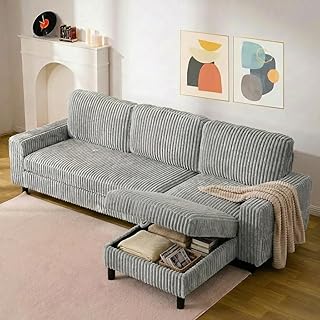


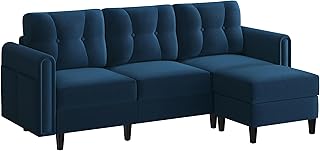


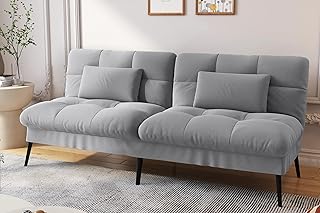


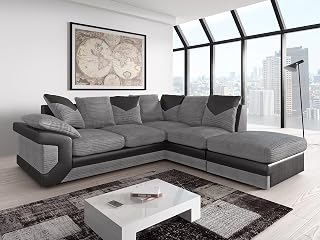


Choosing the right sofa is about considerably more than finding a style that looks good in a photograph. A sofa is one of the most frequently used pieces of furniture in many UK homes, so comfort, frame construction, seat support, fabric performance, dimensions, maintenance and long-term practicality all deserve attention before you buy.
This expanded buying guide is designed to help you compare sofas and couches more intelligently. Instead of focusing only on appearance or headline specifications, consider how the sofa will fit your room, how many people will use it, how you normally sit, whether children or pets are likely to affect the upholstery, and how much maintenance you are prepared to undertake.
Popular furniture brands and retailers offer very different approaches to sofa construction and styling. Names such as DFS, John Lewis, Next, IKEA, Dunelm, Habitat, Loaf, Sofology, Made and Furniture Village may appear during your research, but brand recognition should not replace checking the actual specifications of the individual sofa. Construction, dimensions, filling, upholstery and warranty terms can vary significantly between ranges.
The best sofa for one household may be completely unsuitable for another. A compact two-seater can be ideal for a flat or smaller lounge, while a larger family may need a three-seater, corner sofa, chaise or modular configuration. Similarly, someone who prefers an upright sitting position may want firmer support, whereas a person who enjoys reclining or lounging may prioritise deeper seats and softer cushions.
Start by identifying the primary purpose of the sofa. Is it mainly for formal seating, everyday family use, watching television, reading, entertaining guests or occasional use? The answer influences almost every subsequent buying decision.
Sofa dimensions are often described using terms such as two-seater, three-seater, four-seater, corner and chaise. These descriptions are useful starting points, but they are not standardised measurements. Two sofas labelled as three-seaters can have noticeably different widths, seat depths and usable seating areas.
A two-seater sofa is commonly chosen for smaller living rooms, bedrooms, home offices, flats and compact seating areas. It can also work well as part of a larger seating arrangement when combined with an armchair or another sofa.
Do not assume that a two-seater will automatically fit into a small room. Wide arms, deep cushions and substantial backrests can make a supposedly compact sofa surprisingly large. Measure the complete exterior dimensions and compare them with the space available.
Three-seater sofas are among the most versatile options for everyday living rooms. They can provide comfortable seating for couples and families without occupying as much floor area as a large corner configuration.
When comparing three-seater designs, look beyond the number of seats. A model with broad seating cushions may provide a different experience from one with three individual seat cushions, while the depth of the seat can have a significant effect on comfort.
Larger sofas can be useful for families and entertaining, but they require careful room planning. Consider circulation space around the furniture rather than measuring only the area occupied by the sofa itself.
Corner sofas can make efficient use of a large lounge and create a defined seating zone. They are particularly useful where several people regularly sit together.
Before choosing a corner sofa, establish which side needs the longer return and whether the configuration is fixed or modular. Pay close attention to the sofa's total width, total depth and chaise or return projection.
A chaise arrangement adds an extended section where one person can stretch their legs. It can be especially appealing for television rooms and relaxed lounging areas.
However, a chaise occupies more floor space than a conventional sofa and can restrict movement through a room. Check the orientation carefully before purchasing.
Modular sofas consist of separate sections that can often be arranged in different configurations. They can be useful for households that expect their furniture requirements to change.
The key consideration is whether the individual modules can genuinely be rearranged in the way you need. Check the manufacturer's configuration options rather than assuming every modular sofa can be freely redesigned.
Incorrect measurements are among the easiest ways to turn a promising sofa purchase into a practical problem. A sofa can fit comfortably against a wall while still being impossible to bring through the front door.
Measure the intended wall or floor area and note windows, radiators, fireplaces, doors, electrical sockets and other fixed features. Think about how much clearance you want around the sofa.
Use masking tape or removable floor markers to outline the proposed sofa footprint. This simple technique can provide a much better sense of scale than looking at dimensions on a product page.
Check the width and height of external doors, internal doors, hallways, staircases and turns. If the sofa will need to pass through a narrow entrance, consider its packaged dimensions as well as its assembled dimensions.
For large or unusually shaped sofas, check the retailer's delivery requirements before committing to the purchase. Some furniture may arrive in separate sections, while other designs may require additional clearance for manoeuvring.
Seat height and depth have a major influence on how a sofa feels, yet they are often overlooked during online shopping.
A deeper sofa can be comfortable for relaxed lounging but may feel awkward for shorter users who prefer their feet firmly on the floor. A shallower seat can provide a more upright sitting position and may be easier to use for everyday conversations.
Seat height should also be considered alongside cushion firmness. A soft cushion may compress significantly when someone sits down, effectively lowering the sitting position.
The frame is the structural foundation of a sofa. Upholstery and cushions determine much of the immediate appearance and comfort, but the underlying frame affects the furniture's stability and durability.
Many sofas use timber as part of their frame construction. The type, preparation and construction of the timber can be more important than simply seeing the word "wood" in a specification.
Look for clear information about the frame material and construction method. Reinforced joints and properly constructed structural components are preferable to vague claims that provide little useful information.
Some sofas incorporate engineered wood or composite materials into sections of their construction. This is not automatically a disadvantage. Modern furniture can combine different materials to achieve strength, consistency and efficient manufacturing.
The important consideration is the overall construction rather than judging a sofa solely by whether every component is made from solid timber.
Joints are important because a sofa repeatedly experiences movement and load. Look for construction information explaining how structural components are connected and reinforced.
Where detailed construction information is unavailable, do not assume that a higher price necessarily indicates a stronger frame. Compare the information actually provided for each model.
The suspension system supports the cushions and contributes to the way the sofa responds when you sit down. Different sofas use different approaches, including springs, webbing or combinations of support materials.
Spring systems can provide responsive support and are used in many traditionally constructed sofas. Pocket springs and other spring arrangements can create different seating characteristics.
Webbing systems use tensioned strips beneath the cushions. Their performance depends on the quality of the materials, construction and installation.
Rather than choosing a sofa based solely on the name of its suspension system, consider how the complete seating structure is designed. Cushion filling, spring or webbing support and frame construction work together to determine the final seating experience.
Cushion filling is one of the most important factors affecting comfort, support and maintenance. Common materials include foam, fibre and feather, with many sofas using combinations of these materials.
Foam cushions can provide a supportive and relatively structured sitting experience. Different foam densities and constructions behave differently, so the word "foam" alone does not describe the complete performance of a cushion.
Foam can be particularly attractive for people who prefer cushions that retain a more defined shape rather than requiring frequent plumping.
Fibre fillings can provide a softer and more relaxed feel. Depending on construction, fibre cushions may require regular plumping to maintain their appearance and even distribution.
Feather cushions are often associated with a soft, luxurious and informal seating feel. They can require regular plumping and maintenance to keep the filling evenly distributed.
Some manufacturers combine foam, fibre and other materials to balance support with softness. These hybrid constructions can be useful when you want a compromise between a structured and relaxed seating experience.
There is no universally correct level of sofa firmness. The right choice depends on personal preference, body position, frequency of use and the people who will use the furniture.
The upholstery affects appearance, touch, cleaning requirements and everyday practicality. Fabric, velvet, leather, faux leather and performance-oriented synthetic materials each have different characteristics.
Fabric is one of the most versatile upholstery choices. It is available in a wide range of colours, textures and patterns and can work across traditional, contemporary and minimalist interiors.
When comparing fabric sofas, investigate the material composition and cleaning instructions rather than relying only on the colour or texture shown in photographs.
Velvet can provide a distinctive appearance with a soft, tactile finish. It is often selected for statement furniture and more decorative interiors.
Because velvet can show changes in direction and shading, inspect how the material behaves under different lighting conditions before deciding on a particular colour.
Leather can be a durable and distinctive upholstery option when properly selected and maintained. Different grades and types of leather can have substantially different characteristics.
Check whether the sofa uses genuine leather throughout the upholstered areas or combines leather with other materials. Product specifications should be read carefully because descriptions can vary.
Synthetic leather alternatives can provide a leather-like appearance without using traditional leather upholstery. They may be attractive when easy surface cleaning and a particular visual style are priorities.
However, do not assume that every synthetic upholstery material has the same durability or ageing characteristics. Check the manufacturer's material description and care instructions.
A family sofa needs to cope with frequent use, changing seating positions, spills and general household activity. Appearance remains important, but practicality often becomes more significant than it is for a formal sitting room.
Pets can influence the best upholstery choice. Hair, claws, dirt and accidental spills can all affect a sofa's appearance and maintenance requirements.
For pet-friendly living, consider fabrics that are relatively easy to vacuum and clean. Tightly woven upholstery can be worth investigating, although no fabric should be considered completely pet-proof without appropriate evidence from the manufacturer.
Colour also matters. Mid-toned upholstery can sometimes make everyday pet hair less visually obvious than very dark or very pale surfaces, depending on the colour of the animal's coat.
Removable covers can make routine maintenance easier, particularly in busy households. However, "removable" does not automatically mean "machine washable". Always check the specific care instructions.
Some upholstery may require professional cleaning or specific cleaning products. Using an unsuitable cleaning method can damage the material or affect its appearance.
Neutral sofa colours such as grey, beige, cream, taupe and brown can be easy to integrate into changing interior schemes. More expressive colours such as green, blue, mustard, terracotta or burgundy can become a central design feature.
Consider the room's existing flooring, curtains, wall colour, lighting and other furniture. A colour that looks attractive online may appear substantially different in natural daylight or under warm artificial lighting.
If possible, compare upholstery samples before buying an expensive sofa. Texture and colour perception can change depending on the size of the material and the surrounding environment.
Contemporary sofas commonly use clean lines, streamlined arms and relatively simple silhouettes. They can suit modern flats and open-plan interiors.
Traditional designs can feature rolled arms, deeper upholstery, turned legs, button detailing or other decorative elements. They can complement classic interiors and period properties.
Mid-century inspired furniture often combines a relatively compact silhouette with tapered legs and clean geometry. This can be useful when you want a visually lighter sofa without sacrificing seating capacity.
Chesterfield-inspired sofas are recognisable for features such as deep buttoning, rolled arms and a distinctive upholstered profile. They can create a strong focal point but may be visually substantial in smaller rooms.
Minimalist designs favour simple forms, restrained detailing and uncluttered proportions. They can work particularly well in modern interiors where the furniture is intended to blend rather than dominate.
The design of the legs affects both appearance and practicality. Raised legs can create a lighter visual effect and may make it easier to clean beneath the sofa. Low-profile sofas can create a more grounded, relaxed appearance but may provide less accessible cleaning space underneath.
Check the actual clearance beneath the sofa rather than assuming that visible legs mean a vacuum cleaner will fit underneath.
When comparing two or more sofas, create a simple specification checklist instead of judging each product separately. This makes differences easier to identify.
Quality is difficult to judge from a product photograph alone. A high-quality comparison should consider the construction details that are actually disclosed.
Look for specific information rather than vague marketing language. A useful product description should provide meaningful details about materials, dimensions, upholstery, filling and construction.
Customer feedback can add another layer of information, particularly when several reviews mention the same practical issue. However, individual opinions should be treated as supplementary evidence rather than a substitute for specifications.
The weight of a sofa can affect both stability and delivery. A very lightweight design may be easier to move, while heavier furniture can feel substantial once positioned.
Weight alone should not be treated as a quality score. Compare the construction, frame, suspension and intended use alongside the product's weight.
Some sofas arrive largely assembled while others require the legs, arms, back sections or individual modules to be fitted. Before buying, check exactly what assembly is required.
Consider the tools needed, the number of people required for assembly and whether the sofa can be positioned in the intended room before all components are fitted.
Buying furniture online provides access to a wide range of styles and specifications, but it removes the opportunity to sit on the sofa before purchasing. This makes careful research particularly important.
Pay close attention to dimensional diagrams, seat measurements, upholstery descriptions, cushion filling and care instructions. Look for photographs showing the sofa from several angles rather than relying on a single promotional image.
Where available, compare customer comments relating specifically to comfort, firmness, delivery condition, assembly, dimensions and long-term appearance. Reviews are most useful when they provide concrete details rather than simply saying that a product is "good" or "bad".
Customer reviews can help identify recurring practical characteristics, but they should not be interpreted as objective testing. People have different preferences for firmness, depth, colour and seating posture.
A review complaining that a sofa is too firm may actually indicate that the sofa is unsuitable for that reviewer rather than objectively poor. Similarly, a review praising an extremely soft sofa does not mean that it will suit someone who prefers strong support.
Look for patterns across multiple reviews and compare those observations with the manufacturer's specifications.
Measuring the room is only half the job. A sofa that fits against the wall may still be impossible to manoeuvre through the entrance or up the stairs.
A visually attractive sofa can become frustrating if the seat depth, height or firmness does not suit the people using it.
Some cushions need regular plumping and repositioning. Others retain a more structured shape. Understand the maintenance requirements before buying.
Price can reflect materials, design, brand positioning, manufacturing, upholstery and other factors. It should not be used as the only indicator of construction quality.
A beautiful fabric may not be practical if it requires maintenance that does not fit your lifestyle. Always check the care instructions.
A large fixed corner sofa may be difficult to reposition if you move house or redesign the room. Modular furniture can provide greater flexibility where that matters.
Overall width alone does not tell you whether a sofa will be comfortable or practical. Depth, height, seat dimensions and arm width can all affect usability.
For frequent use, practical features often matter more than decorative extras. Consider features such as resilient cushioning, easy-care upholstery, removable covers, sturdy legs, accessible cleaning space and a configuration that suits your room.
Storage sofas can also be useful where space is limited, although the storage mechanism should be assessed for ease of access and the amount of usable storage provided.
If the sofa needs to provide occasional sleeping accommodation, evaluate the sleeping mechanism separately from the seating function. Sofa beds can differ considerably in mattress construction, opening mechanism and sleeping surface.
Check the sofa-bed dimensions when fully opened, not just its closed dimensions. Make sure there is enough room to operate the mechanism and walk around it safely.
Reclining sofas provide additional relaxation positions but generally require more planning than conventional sofas. Check the clearance required behind or in front of the sofa depending on the reclining mechanism.
For powered recliners, consider access to electrical power and cable positioning. For manual mechanisms, consider whether every intended user can operate the controls comfortably.
A corner sofa is not automatically the better choice for a larger room. Compare how each configuration affects circulation, flexibility and the number of genuinely usable seats.
There is no single price that defines a good sofa. Instead, establish a realistic budget and compare construction, materials, dimensions and expected usage within that range.
It can be sensible to spend more on a sofa that will receive intensive daily use if the additional cost corresponds to meaningful improvements in construction, upholstery, support or longevity. Conversely, an expensive designer appearance may not provide the practical benefits you need.
When comparing prices, remember to consider the complete cost of ownership, including delivery charges where applicable, assembly, maintenance products and replacement components if relevant.
In a small room, visual proportions can matter as much as the sofa's physical footprint. Slim arms can increase usable seating width without substantially increasing the overall size, while raised legs can make the room feel less visually crowded.
Measure carefully and avoid choosing an oversized sofa simply because it technically fits. Adequate walking space can make a smaller sofa more comfortable to live with than a larger model that dominates the room.
Large rooms can accommodate bigger sofas, but an oversized sofa is not the only way to create a balanced seating arrangement. A three-seater combined with armchairs, a corner configuration or modular seating can provide better zoning and flexibility.
Consider the sofa's relationship with rugs, coffee tables, television units and other furniture. Large open rooms benefit from deliberate furniture placement rather than simply pushing the largest sofa against a wall.
In an open-plan kitchen and living area, the sofa can help define the boundary between functional zones. A corner or chaise arrangement can create a natural lounge area without requiring a physical wall.
Consider the back of the sofa if it will be visible from the kitchen or dining area. Some designs are attractive from all angles, while others are primarily intended to sit against a wall.
Regular maintenance can help preserve the appearance and comfort of a sofa. The exact routine depends on the upholstery and construction, so follow the manufacturer's care instructions.
Cushion maintenance depends heavily on the filling. Fibre and feather cushions can benefit from regular plumping, while structured foam cushions may require less intervention.
Uneven pressure from repeatedly sitting in the same location can contribute to uneven wear. Where practical, rotating compatible cushions can help distribute everyday use more evenly.
Simple household habits can reduce unnecessary wear. Keep food and drinks away from upholstery where practical, use suitable throws if appropriate and avoid placing furniture where it is likely to experience repeated rubbing against walls or other objects.
Homes with pets may benefit from designated pet blankets or furniture covers, provided they do not interfere with ventilation or create a safety issue.
If environmental impact is important to you, investigate the materials and construction rather than relying on broad sustainability language.
Consider the expected lifespan, repairability, replaceable components, material composition and disposal options. A sofa that remains useful for many years may have different environmental implications from one that is quickly replaced, although individual product impacts depend on manufacturing and material choices.
Before buying a sofa intended for long-term use, consider whether common components can be replaced or repaired. Removable legs, replaceable covers and accessible components can potentially make maintenance easier.
Ask whether the manufacturer provides information about replacement parts where this is important to you. Do not assume that every sofa has long-term component availability.
Warranty conditions can differ considerably between products and manufacturers. Read the applicable terms before purchasing rather than assuming that every type of damage or wear will be covered.
Pay particular attention to exclusions involving upholstery, accidental damage, normal wear, misuse, cushion compression and cleaning. A warranty should be considered alongside product quality, not as a substitute for it.
Well-known names can make the research process easier, but a brand should be treated as a starting point rather than a final buying decision.
These brands should not automatically be ranked against one another without considering the specific model. A sofa's frame, suspension, upholstery, dimensions, cushion filling and care requirements can be more useful comparison points than the brand name alone.
Long-term suitability depends on several factors working together. A sofa designed for frequent daily use should have construction and upholstery appropriate for that level of demand.
Look for transparent specifications, suitable frame construction, appropriate suspension, resilient cushioning and upholstery that matches your household. Maintenance requirements should also be realistic for your lifestyle.
When comparing several potential purchases, score each one against the same criteria. This reduces the chance of selecting a sofa simply because its photographs or promotional description are more appealing.
Prioritise compact dimensions, narrower arms, appropriate seat depth and a visually light design. A two-seater or compact modular sofa can provide useful seating without overwhelming the room.
Prioritise practical upholstery, durable construction, comfortable seating capacity and manageable maintenance. A larger three-seater, four-seater or corner configuration may be appropriate depending on available space.
Look for deeper seating, supportive but comfortable cushions and a configuration that allows users to stretch out. Chaise and reclining options can be particularly useful when the room allows them.
Consider the visual design, upholstery finish and relationship with other furniture. A structured sofa with a more upright seating position can work well in a room primarily used for entertaining.
Modular sofas are worth considering when furniture may need to be rearranged. Check exactly how many configurations the individual model supports.
Focus on upholstery care, vacuuming practicality, resistance to everyday marks and the ability to deal with accidental spills. No sofa should be assumed to be completely resistant to pet-related damage.
Useful reviews contain specific observations. Look for comments about firmness, seat depth, fabric texture, colour accuracy, assembly, packaging, comfort after extended use and ease of cleaning.
Be cautious with extremely short reviews that provide no meaningful information. A high number of ratings can be useful for identifying general satisfaction, but detailed comments often provide more practical buying information.
A rating is a summary rather than a complete assessment. Examine the distribution of opinions and read both positive and negative comments.
Pay particular attention to reviews that describe the same characteristic repeatedly. If numerous independent customers mention that a particular sofa has a deep seat, requires regular cushion plumping or has a specific assembly requirement, that information can help you determine whether the product suits your needs.
Before placing an order with a retailer, revisit the product specification. Confirm the exact colour, size, configuration, upholstery and any optional components. Make sure the selected configuration matches the measurements you took at home.
Check the retailer's current delivery, returns, warranty and care information separately. These terms can vary by product and may change over time.
A sofa does not necessarily need replacing simply because it has reached a particular age. Condition and suitability are more useful indicators.
Consider replacement when the frame has become unstable, cushions can no longer provide the desired support, upholstery is excessively worn, the configuration no longer suits the household or the sofa has become uncomfortable for its regular users.
If the structure remains sound, professional cleaning, replacement covers or compatible replacement cushions may sometimes extend its useful life, depending on the construction.
Value should be measured against intended use rather than purchase price alone. A cheaper sofa that needs replacing quickly may provide less practical value than a more suitable model that remains comfortable and functional for considerably longer.
At the same time, spending more does not automatically guarantee superior construction. Compare the specifications, materials and expected usage carefully before paying a premium.
The most reliable way to choose a sofa is to combine objective measurements with personal comfort requirements. Start with the room, access route and seating capacity. Then compare seat dimensions, cushion construction, upholstery, frame information and maintenance requirements.
Do not allow a fashionable colour or attractive photograph to become the deciding factor before you have checked the practical details. A sofa is a relatively large piece of furniture, and small differences in depth, height or configuration can have a noticeable effect on everyday use.
For online purchases, use product specifications as your foundation and customer feedback as supporting evidence. Compare several suitable models rather than searching for a single universally "best" sofa.
The best sofa depends on your room size, preferred comfort, household, budget and intended use. There is no single model that is best for every UK home. Compare dimensions, seat depth, cushion filling, frame construction, upholstery and maintenance requirements before choosing.
Comfort is highly subjective. Some people prefer deep, soft cushions for lounging, while others prefer firmer and shallower seating. The best option is the one whose seat height, depth, firmness and back support suit the people who will use it most.
Neither is universally better. A firm sofa can provide a more structured sitting position, while a softer sofa may be preferable for relaxed lounging. Consider your normal sitting position and personal comfort preference.
Foam cushions can provide structured and supportive seating, but performance varies according to the specific foam construction and specification. Compare the manufacturer's information rather than judging every foam cushion as identical.
Feather cushions can provide a soft, relaxed feel and are often chosen for their informal appearance. They typically require more regular plumping and maintenance than some structured cushion types.
The answer depends on the specific upholstery construction and care instructions. Look for clear cleaning guidance and consider removable covers where practical. Always follow the manufacturer's recommended cleaning method.
Leather and fabric have different characteristics rather than one being universally superior. Leather can provide a distinctive appearance and relatively straightforward surface cleaning, while fabric offers a broad range of colours, textures and upholstery constructions.
Corner sofas can be excellent for larger living rooms and households that regularly sit together. They require careful measurement because their footprint and orientation can significantly affect room circulation.
Not necessarily. Positioning depends on room layout, furniture arrangement and circulation. In larger or open-plan rooms, a sofa can sometimes be used to define a living zone. Always leave enough space for comfortable movement.
Measure the narrowest points along the entire access route, including doorways, hallways, staircases and turns. Compare those measurements with the sofa's delivery or packaged dimensions and follow the retailer's delivery guidance.
There is no single ideal depth. Deeper seats can suit relaxed lounging, while shallower seats can provide a more upright sitting position. Your height and preferred posture should influence the decision.
The suitable seat height depends on the user. Consider whether your feet can rest comfortably on the floor and whether you can sit down and stand up without difficulty.
The required frequency depends on the cushion filling and construction. Fibre and feather cushions commonly benefit from regular plumping, while some foam cushions retain their shape with less intervention. Follow the manufacturer's care recommendations.
A compact two-seater, slim-arm sofa or appropriately sized modular sofa can work well in a smaller room. Measure the space carefully and prioritise usable seating over simply choosing the largest model that fits.
A large three-seater, four-seater, corner sofa or modular arrangement may suit a family, depending on the available space. Prioritise seating capacity, practical upholstery, durable construction and manageable maintenance.
Modular sofas can be useful when flexibility is important. They allow certain configurations to be changed and can make furniture easier to adapt to different rooms or layouts. Check the actual configuration options for the model you are considering.
There is no reliable universal lifespan because durability depends on construction, materials, usage, maintenance and household conditions. Rather than relying on an advertised number of years, examine the frame, suspension, upholstery and cushion construction.
Online shopping makes specification and price comparison easier, while a showroom allows you to physically test comfort, seat depth and firmness. If buying online, pay particular attention to dimensions, construction information, care instructions and detailed customer feedback.
Check the complete dimensions, access requirements, seat measurements, upholstery, cushion filling, frame construction, suspension, assembly, cleaning instructions, configuration and applicable retailer terms. Also review current customer feedback and confirm the exact product variant.
Not necessarily. Price can reflect design, materials, brand positioning and other factors. Compare the actual specifications and construction rather than assuming that a more expensive sofa is automatically better.
The strongest sofa purchase is one that works in your home rather than simply looking impressive online. Measure first, compare construction second and consider appearance alongside comfort and practicality.
For a dependable buying decision, compare several suitable sofas using the same criteria: dimensions, seating position, frame, suspension, cushion filling, upholstery, maintenance, configuration, access requirements and customer feedback. This approach makes it easier to identify genuine differences between products and avoid paying for features that do not matter to you.
Before buying, check the latest product specifications, current customer reviews, retailer terms, delivery requirements, warranty information, pricing and availability. Product ranges and specifications can change during 2026, so the information displayed at the point of purchase should always take priority over older buying advice.