

♥ Wishlist
Compare 25 verified Stand Mixer products in United Kingdom. Reviews, ratings, pros, cons and buying advice updated for October 2026.


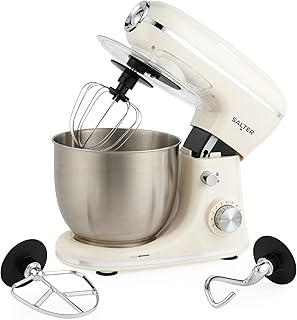
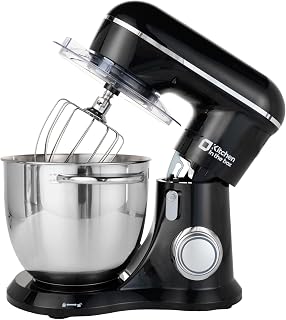


A good stand mixer can take over many of the repetitive jobs involved in baking and everyday food preparation, from kneading bread dough and whipping cream to beating cake mixtures and preparing pastry. However, choosing the right model involves more than comparing motor wattage or looking for the highest number of attachments. Bowl capacity, mixing action, speed control, dough-handling ability, construction, accessories, cleaning requirements and available workspace can all affect how useful a mixer is in a real UK kitchen.
This buying guide is designed to help you compare stand mixers by the features that matter most. Rather than assuming that one specification makes a mixer better than another, consider how the appliance will be used, how often it will be operated, the quantities you normally prepare and the types of mixtures you expect it to handle.
The best stand mixer is the one that matches your recipes, batch sizes, available space and expected frequency of use. A compact mixer may be preferable for occasional cakes and smaller kitchens, while a heavier machine can make more sense for frequent bread baking or large batches of dough.
Motor wattage is one of the most visible specifications when comparing stand mixers, but it should not be treated as a simple ranking system. A higher wattage figure does not automatically mean that a mixer will perform better in every recipe.
What matters in practice is how effectively the motor, gearing, mixing mechanism and attachments work together. A mixer designed for heavy dough may require a different mechanical approach from one primarily intended for whisking, beating and light mixing.
When comparing specifications, consider the manufacturer's stated capabilities alongside the motor rating. Look for information about recommended dough quantities, continuous operating limits, available speed settings and the attachments supplied with the appliance.
Two stand mixers with different wattage ratings may behave quite differently when mixing the same recipe. Electrical input is only one part of the system. Gear reduction, transmission efficiency, bowl geometry, attachment shape and motor control can all influence the mixing result.
For this reason, a buyer choosing a stand mixer for bread should not simply select the model with the largest advertised motor figure. The manufacturer's stated dough capacity and intended use are more useful comparison points.
Bowl size affects both batch capacity and the practicality of everyday mixing. A large bowl can be useful when preparing substantial quantities, but a larger bowl is not automatically better for small recipes.
If you regularly make small quantities of cake batter, whipped cream or frosting, check whether the mixer can efficiently reach the ingredients at the bottom and sides of the bowl. Some machines are better suited to larger batches, while others are designed to accommodate smaller quantities more effectively.
The quoted bowl volume does not necessarily represent the quantity of ingredients you should put into the mixer. Different ingredients expand, increase in volume or require room to circulate during mixing.
Always check the manufacturer's recommended maximum quantities rather than filling the bowl to its physical limit. This is particularly important for yeast dough, whipped mixtures and ingredients that can rise or splash during operation.
Many domestic stand mixers use a planetary-style mixing action in which the attachment rotates while also travelling around the bowl. This movement is intended to increase contact between the attachment and ingredients, helping to combine mixtures more evenly.
The actual effectiveness depends on the bowl shape, attachment design, speed and the quantity of ingredients being mixed. A planetary mixing system can be particularly useful for cakes, buttercream and other mixtures that benefit from repeated movement around the bowl.
Even with an effective mixing action, some recipes may still require occasional scraping down of the bowl. This is normal and does not necessarily indicate poor performance.
Attachments can dramatically change what a stand mixer can do, but buying a large collection of accessories is not always worthwhile. Concentrate on the tools that correspond with the food you actually prepare.
The flat beater is commonly used for cake mixtures, biscuit dough, buttercream, mashed ingredients and many general mixing tasks. For many households, it will be one of the most frequently used attachments.
A whisk attachment is designed for incorporating air into ingredients. It is particularly useful for whipping cream, beating egg whites and preparing lighter mixtures.
When comparing whisk performance, consider whether the attachment reaches the bottom of the bowl effectively when working with smaller quantities.
The dough hook is the key attachment for buyers who make bread, pizza dough or other yeast-based mixtures. Dough can place substantially more mechanical demand on a mixer than lighter cake mixtures.
Check the manufacturer's maximum dough capacity rather than assuming that a large bowl means the machine can safely knead large quantities.
Some stand mixer ranges support additional accessories for tasks such as pasta preparation, grinding, slicing, shredding or other food preparation. Kenwood, KitchenAid, Smeg and other established manufacturers offer product families in which accessory compatibility can vary between models.
Before buying optional attachments, check the exact model compatibility, the manufacturer's specifications and whether the accessory genuinely replaces a separate appliance you already use.
A useful stand mixer should offer enough control to move from gentle incorporation to faster whipping without making the process unnecessarily complicated.
Some mixers use a traditional mechanical speed control, while others incorporate electronic controls, illuminated displays, timers or automatic programmes. Decide whether these features genuinely improve your workflow before paying more for them.
Variable speed control gives the cook more direct control over mixing intensity. Preset programmes can be convenient when they correspond closely to the recipes you prepare, but they are not essential for most home baking.
For experienced bakers, smooth manual speed adjustment may be more useful than a long list of automated programmes. For occasional users, simpler controls can make the machine easier to understand and operate.
A stand mixer needs to remain stable while its attachment is working through the ingredients. Build quality therefore involves more than the appearance of the outer casing.
Look at the overall construction, base design, bowl mounting system, head or arm mechanism, control arrangement and attachment connection. A heavier machine can provide useful stability, although additional weight also makes the appliance harder to move and store.
Metal components can contribute to a substantial feel and may be desirable for buyers expecting frequent use. However, not every external metal-looking surface means that the entire internal mechanism is metal.
Check the manufacturer's specifications when construction materials matter to your purchasing decision.
High-quality polymers can be perfectly suitable for handles, housings and certain accessories. A lighter construction can also make a mixer easier to move around the kitchen.
The important consideration is whether the overall construction is appropriate for the workload you intend to give the machine.
Stability becomes particularly important when kneading dense dough. A mixer that moves excessively across the worktop can be frustrating to use, especially at higher loads.
Look for a broad, stable base and suitable non-slip feet. The weight distribution of the machine can also affect how securely it remains positioned during operation.
Remember that stability is only one part of heavy-duty performance. The machine must also be designed to handle the manufacturer's recommended load.
All stand mixers produce some mechanical noise, particularly at higher speeds and when processing dense mixtures. The type and intensity of noise can vary according to motor design, gearing, attachment speed and the ingredients being processed.
If the mixer will be used frequently in an open-plan kitchen, consider noise as part of the overall buying decision. Also pay attention to vibration because excessive movement can affect convenience when the mixer is working on heavy mixtures.
Dimensions are easy to overlook when shopping online. A mixer may look compact in photographs but occupy considerable depth or height on a kitchen worktop.
Measure the available space before purchasing, particularly if the mixer will be stored underneath wall cabinets. Some models require additional vertical clearance when the mixer head is raised or the bowl is removed.
A stand mixer can become much less appealing if cleaning is difficult after every use. Look for removable attachments, accessible surfaces and a bowl that can be cleaned without excessive effort.
Check the manufacturer's instructions before placing attachments or bowls in a dishwasher. Dishwasher suitability varies between components and models, and some parts may require hand washing.
Flour, butter, icing sugar and wet ingredients can collect around attachment points and moving parts. A design with fewer awkward recesses can make routine cleaning easier.
Do not immerse the motor housing in water. Follow the manufacturer's care instructions for cleaning the main appliance.
Stainless steel is widely used for stand mixer bowls because it is durable, non-porous and generally straightforward to clean. It also provides a familiar option for frequent baking.
Other bowl materials can have different advantages, such as reduced weight or visual appeal. The right choice depends on how you use the mixer and how important durability, handling and cleaning are to you.
Bread dough is one of the most demanding common uses for a domestic stand mixer. Dense dough can place significant load on the motor and transmission, particularly when larger quantities are prepared.
If bread making is a major reason for buying a mixer, prioritise the manufacturer's dough capacity and instructions rather than simply selecting the largest bowl.
A mixer that performs well with cake batter may not be equally suited to frequent heavy kneading. Dough can become highly resistant as gluten develops, increasing the mechanical load placed on the appliance.
For regular bread bakers, manufacturer's guidance is one of the most important specifications to compare.
For cake-focused households, the priorities can be different. A smooth speed control, effective beater, appropriately sized bowl and convenient cleaning may matter more than extreme dough capacity.
Look for a machine that can comfortably handle the recipes you normally make rather than buying based solely on maximum specifications.
Whipping requires the attachment to incorporate air efficiently. Bowl geometry and minimum recommended quantities can therefore be important.
If you frequently prepare small amounts of cream or egg whites, check whether the whisk can work effectively with the quantities you normally use. A very large bowl may not always be ideal for small batches.
Pastry and biscuit mixtures often require controlled mixing rather than prolonged high-speed operation. The flat beater is commonly useful for these tasks, although exact recommendations vary according to the recipe and manufacturer.
For pastry, avoid assuming that more mixing is better. Overworking certain doughs can affect texture, so the mixer should be viewed as a tool for controlled preparation rather than a replacement for recipe technique.
Several established manufacturers have stand mixer ranges aimed at different budgets, kitchen sizes and levels of use. Comparing brands can be useful, but individual models should always be assessed on their own specifications.
Kenwood has a long-standing presence in the kitchen appliance market and offers stand mixers across different ranges and capacities. When comparing Kenwood models, check the exact bowl size, motor specification, included attachments and compatibility with additional accessories.
KitchenAid stand mixers are widely recognised for their distinctive styling and broad accessory ecosystem. Different models can vary significantly in size and specification, so compare the individual machine rather than assuming that every KitchenAid mixer provides the same capabilities.
Smeg stand mixers are particularly recognisable for their retro-inspired styling. They can appeal to buyers who place considerable importance on kitchen aesthetics while still wanting a conventional stand mixer format. Compare their practical specifications with similarly priced alternatives before making a decision.
Bosch offers kitchen appliances across multiple categories, including food preparation equipment. When considering a Bosch stand mixer or kitchen machine, check the exact configuration because attachments, capacities and functions can vary between models.
Russell Hobbs has a broad range of domestic kitchen appliances and offers stand mixer options aimed at home users. Buyers should compare bowl capacity, speed controls, included accessories and stated workload against competing machines.
Morphy Richards is another established UK-facing kitchen appliance brand with products designed for everyday household use. When comparing its stand mixers, focus on the individual model's specifications, accessories, construction and intended workload.
When comparing several models, avoid creating a simple checklist in which the machine with the most features automatically wins. Instead, rank features according to how you will actually use the appliance.
There is no single price point that guarantees the right stand mixer. The sensible budget depends on the workload and features you actually need.
A buyer who makes a cake occasionally may gain little from paying substantially more for professional-style capacity. Conversely, someone who kneads bread several times a week may find that a more robust machine is a more appropriate long-term choice.
When comparing prices, consider the total cost of ownership rather than only the initial purchase price. A cheaper machine may become less attractive if essential accessories are unavailable, replacement components are difficult to obtain or its capacity does not match your normal recipes.
Wattage is easy to compare but does not tell the entire story. Consider the complete specification and intended workload.
A large bowl is not always advantageous for small quantities. Consider the recipes you actually prepare.
Check both the footprint and operating height before purchasing. A machine that cannot comfortably fit your workspace can become inconvenient very quickly.
Product photographs can show accessories that are optional or available only with particular packages. Always check the exact contents of the model you are considering.
Some mixers are better at large batches than small ones. If you frequently make modest quantities, check how effectively the attachments operate with smaller loads.
A large bowl does not mean unlimited dough capacity. Follow the manufacturer's maximum recommendations.
Timers, displays, additional programmes and extensive accessory systems can be useful, but they should not automatically justify a higher price if your recipes are simple.
The value of a premium feature depends on how frequently you use it. Some upgrades can make a meaningful difference to everyday convenience, while others are primarily aesthetic or optional.
A stand mixer is not automatically the right appliance for every kitchen. If you rarely bake, have very limited storage space or mainly prepare simple mixtures, a hand mixer may be more practical.
Similarly, if your primary requirement is food processing rather than baking, a food processor or multifunction kitchen machine may better match your needs.
Think about the jobs you perform most frequently rather than buying an appliance based on its maximum theoretical capabilities.
A hand mixer generally takes up less storage space and can be easier to use for smaller quantities. It is often a sensible choice for occasional cake baking and straightforward whipping tasks.
A stand mixer offers hands-free operation and can be particularly useful when recipes require prolonged mixing, kneading or simultaneous preparation of other ingredients.
These appliances overlap in some food preparation tasks but are designed around different strengths. A stand mixer is primarily focused on mixing, beating, whipping and kneading. A food processor is generally better suited to chopping, slicing, grating and rapid processing.
If your kitchen has room for only one appliance, identify the tasks you perform most frequently before deciding.
Online product specifications can contain a large amount of information. The most useful approach is to create a shortlist and compare like-for-like details.
Stand mixer ranges can contain several visually similar models with different capacities, attachments or specifications. A product photograph alone is therefore not enough for a reliable comparison.
Before purchasing, verify the exact model number and compare the specifications for that specific configuration. This is particularly important when different retailers use shortened product names.
Customer reviews can provide useful information about everyday ownership, but they should be read alongside technical specifications rather than treated as a substitute for them.
Look for recurring comments concerning issues relevant to your intended use, such as noise, stability, cleaning, attachment fit, bowl size or performance with particular types of dough.
Give greater weight to reviews that explain the user's workload and recipe requirements. A complaint from someone using a mixer for large bread batches may not be relevant to a buyer who mainly prepares cakes.
A high overall rating is useful as an initial signal but does not reveal whether a product is right for your requirements. Examine the distribution of opinions and identify recurring themes.
Regular care can help keep a stand mixer in good working condition. Always follow the manufacturer's maintenance instructions because construction and cleaning requirements differ between models.
Good results depend on both the appliance and how it is used. Ingredients should be prepared according to the recipe, and the correct attachment and speed should be selected for the task.
Do not assume that the highest speed is the best setting. Many recipes require gradual incorporation, controlled mixing or specific attachment speeds.
For dough, follow the manufacturer's guidance and avoid exceeding recommended quantities. For whipping, use the appropriate whisk and ensure that the bowl and attachment are clean and free from unwanted grease when preparing ingredients that need to aerate effectively.
Use the appliance according to the manufacturer's instructions. Keep hands, utensils and other objects away from moving attachments while the machine is operating.
Switch off and unplug the mixer before removing attachments, carrying out cleaning or attempting to clear ingredients from moving components. Do not exceed the manufacturer's stated capacities or operating recommendations.
Pay particular attention when using dense dough because the appliance may move or experience greater mechanical load than it does with lighter mixtures.
Choose a straightforward model with a manageable footprint, useful speed control and the essential whisk, beater and dough attachment. Avoid paying extra for a large accessory ecosystem unless you expect to use it.
Prioritise a durable construction, convenient bowl size, reliable controls and easy cleaning. A balanced model is often more useful than one designed around a single extreme specification.
Focus heavily on dough capacity, stability, drive design and manufacturer guidance for heavy mixtures. Check the recommended workload carefully before buying.
Consider bowl capacity and maximum recommended batch quantities, but also verify that the machine can work effectively with smaller recipes when necessary.
Prioritise dimensions and storage. A compact machine that is easy to keep accessible may be more useful than a larger model that has to be repeatedly moved in and out of storage.
Start with your intended use rather than a shortlist of brands. Write down the three or four tasks that matter most, such as cake mixing, bread kneading, whipping and pastry preparation. Then compare models against those requirements.
Next, eliminate products that are too large, too small or unsuitable for your workload. Compare the remaining models using bowl capacity, dough capability, attachments, dimensions, controls and cleaning requirements.
Finally, check current retailer information, customer reviews and the manufacturer's specification for the exact model. Prices, bundles, availability and included accessories can change, so verify those details immediately before purchasing.
The best stand mixer depends on your recipes, batch sizes, budget and available kitchen space. A suitable model for occasional cake baking may be very different from the best choice for frequent bread making.
No. Motor wattage is only one specification. The drive system, gearing, bowl design, attachment performance and manufacturer's recommended workload also matter.
A medium-capacity bowl is often a practical choice for general home baking, while larger bowls can be useful for substantial batches. Check both the bowl capacity and recommended usable quantities.
Many stand mixers can knead bread dough when used within the manufacturer's stated limits. Buyers who regularly make bread should pay particular attention to dough capacity, stability and heavy-duty operating guidance.
For many baking tasks, a stand mixer can perform the same basic beating and whipping functions while leaving your hands free. However, a hand mixer can remain more convenient for small quantities, quick jobs and kitchens with limited storage.
A more expensive model can be worthwhile when its construction, capacity, controls or accessory system directly matches your needs. If you only bake occasionally, a simpler model may provide better value.
No. Attachments and accessories vary between models and packages. Check the exact contents before buying, particularly if you specifically need a dough hook, whisk or additional food-processing accessory.
There is no universal lifespan because durability depends on the model, construction, workload, maintenance and frequency of use. Avoid assuming a specific number of years unless it is supported by reliable manufacturer information.
Only within the manufacturer's stated limits. Bowl capacity should not be confused with maximum dough capacity, and dense mixtures can place considerably more load on the machine.
Check the exact model number, bowl capacity, recommended quantities, motor specification, attachments, dimensions, weight, cleaning instructions, warranty information and current retailer details. Also compare customer feedback for the same model.
The strongest stand mixer choice is not necessarily the biggest, most powerful or most expensive machine. It is the model that provides the right combination of capacity, mixing performance, stability, controls, attachments, cleaning convenience and physical size for the way you actually cook.
For occasional baking, simplicity and storage may be more valuable than professional-style capacity. For frequent bread making, dough capability and mechanical stability deserve much greater attention. For larger households, usable capacity and batch size become important, while small kitchens may benefit from a more compact design.
Before committing to a purchase, compare the exact specifications of shortlisted models, check what accessories are included, read verified customer feedback, review the manufacturer's guidance and compare current prices from trusted retailers. Taking these steps makes it easier to distinguish genuinely useful features from specifications that look impressive but may not improve your everyday baking.
Stand mixer specifications can change between models, packages and retailers, so verify the current information immediately before purchasing. Compare the exact product configuration, included accessories, current price, delivery terms, warranty information and retailer policies separately rather than assuming that all listings for the same product are identical.
Use this guide as a framework for comparing your shortlisted options, then check the manufacturer's specifications and verified customer reviews before making your final decision.