

♥ Wishlist
Compare 57 verified Weight Machine for Home & Gym Workouts products in United Kingdom. Reviews, ratings, pros, cons and buying advice updated for November 2026.


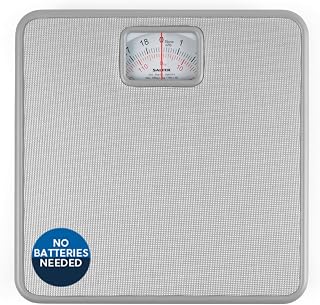


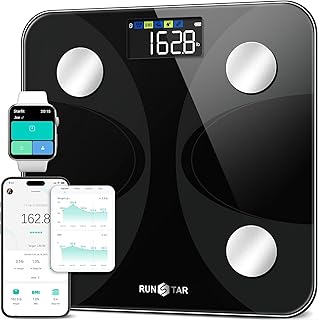
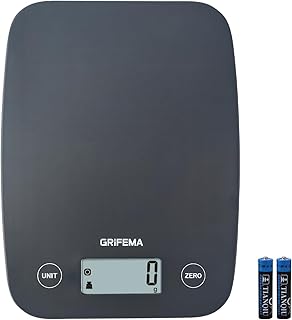

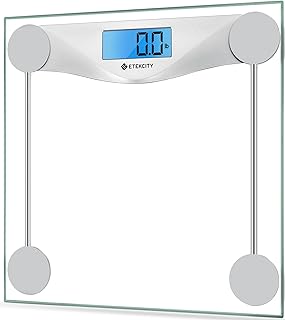


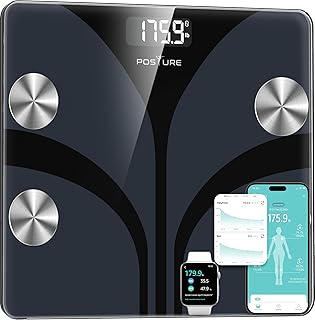





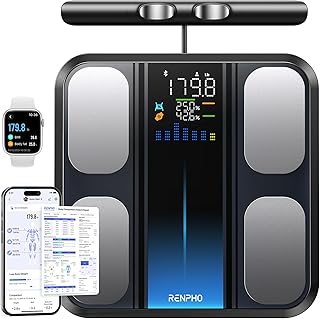


Choosing a weight machine is easier when you first decide exactly what you need to measure. The term can refer to several types of weighing equipment, from bathroom scales designed for personal weight tracking to kitchen scales, luggage scales and higher-capacity platform scales. The best choice is therefore not necessarily the model with the most features. It is the one that provides the appropriate capacity, readability, stability and ease of use for your particular purpose.
Before comparing individual products, consider where the machine will be used, what you intend to weigh, how frequently you will use it and how precise the measurement needs to be. A simple digital bathroom scale may be ideal for everyday personal weighing, while a compact kitchen scale is better suited to ingredients and meal preparation. If you regularly weigh heavier items, a platform-style machine with a higher capacity may be more appropriate.
Digital bathroom scales are designed primarily for measuring a person's body weight. They are generally straightforward to operate and often feature a clear digital display, automatic activation and automatic shut-off. Some models concentrate solely on weight measurement, while smart versions can provide additional body-composition estimates and connect to mobile applications.
For buyers who simply want a dependable weight reading, there is little reason to pay for features that will not be used. A clear display, stable platform, suitable maximum capacity and consistent measurements are usually more important than extensive app functionality.
Smart scales can provide additional measurements alongside body weight. Depending on the model, these may include estimated body fat, body water, muscle-related measurements and other calculated metrics. Connectivity can make it easier to record measurements over time and monitor trends through an application.
However, additional measurements should not automatically be treated as equivalent to clinical measurements. Body-composition figures can be influenced by factors such as hydration and measurement conditions. If you are primarily interested in monitoring body weight, prioritise the reliability and consistency of the basic weight measurement before considering extra metrics.
Kitchen scales are designed for measuring ingredients rather than people. They are useful for baking, portion control, meal preparation, coffee preparation and recipes that require precise quantities.
For general cooking, a digital scale with gram measurements and a tare function is often sufficient. Baking and specialist food preparation can benefit from finer measurement increments. A large, easy-to-clean platform is also useful when weighing ingredients in bowls or containers.
Portable luggage scales are intended for travellers who want to check suitcase weight before reaching the airport. Their compact size makes them convenient to store in a travel bag, while a built-in hook or strap is normally used to lift the luggage.
When choosing a portable scale, check the stated maximum capacity, display readability, power source and physical construction. A scale that is difficult to read while holding a heavy suitcase can be frustrating even if its basic specifications appear suitable.
Platform scales are useful when the object being weighed is too large or awkward for a conventional compact scale. Their larger weighing surface can make them more practical for parcels, equipment, storage items and other heavier objects.
Capacity should be selected with a sensible margin rather than simply matching the expected weight. Regularly operating close to a machine's maximum capacity can make weighing less convenient and may place unnecessary strain on the equipment.
Maximum capacity is one of the first specifications to check. It tells you the greatest weight the manufacturer states that the machine can measure.
Do not choose capacity based only on the average weight you expect to measure. Consider the heaviest realistic item or user and leave a sensible margin. This is particularly important for household scales that may be used by several people or platform scales used for different types of objects.
Resolution describes the increments shown by the scale. A machine displaying measurements in smaller increments can provide more granular readings, but greater displayed precision does not automatically mean greater real-world accuracy.
For everyday body-weight monitoring, extremely fine increments may provide little practical benefit if readings naturally fluctuate from one measurement to another. For cooking, baking or specialist weighing, smaller increments can be considerably more useful.
Accuracy and consistency are related but different considerations. Accuracy concerns how closely the displayed result represents the actual weight, while consistency concerns whether the machine gives repeatable readings under the same conditions.
For many household users, consistency is particularly important. If a scale produces noticeably different readings each time the same weight is placed on it, it becomes difficult to identify genuine changes.
A technically capable scale can still be inconvenient if its display is difficult to read. Look for a screen that is sufficiently large and positioned where the measurement can be viewed easily.
For bathroom scales, consider whether your position on the platform could obscure the display. For kitchen scales, think about whether a large bowl or container might block the screen. Portable scales should have a display that remains practical to read while the item is suspended.
A tare function is particularly valuable on kitchen scales. It allows the user to place a bowl or container on the platform and reset the displayed weight before adding ingredients.
This means multiple ingredients can be measured in the same container without having to calculate the weight of the container manually. For frequent cooks and bakers, tare functionality can make a basic digital scale substantially easier to use.
Different users may need different measurement units. Depending on the product category, useful units can include grams, kilograms, ounces and pounds.
Check that the machine supports the units you actually use rather than assuming every model offers the same choices. A unit button that is easy to operate is preferable to a complicated menu, particularly when measurements need to be changed frequently.
Automatic activation can make a weighing machine more convenient, particularly for bathroom scales. Automatic shut-off can also help preserve battery life.
For kitchen use, however, automatic shut-off should be considered carefully. If a scale turns itself off while you are preparing a recipe, you may have to repeat a measurement. Look for a design that balances convenience with practical operating time.
Weight machines can use replaceable batteries, rechargeable batteries or mains power depending on their design. Battery-powered models are convenient because they can be moved easily, while rechargeable versions can reduce the need for frequent battery replacement.
Check the charging method or battery type before buying and consider whether replacements are readily available. A scale that uses a common battery format can be more convenient over its lifetime.
Tempered glass is commonly used on modern bathroom scales because it can provide a smooth surface that is relatively straightforward to wipe clean. It can also create a slim, minimalist appearance.
When choosing a glass-platform model, look at the overall construction rather than the platform material alone. Stable feet and a secure base are important because the scale needs to remain firmly positioned during use.
Plastic scales can be lightweight and practical for everyday household use. The quality of the construction matters more than the material name itself. Check the platform size, foot stability, display design and overall finish.
Stainless steel can be useful where easy cleaning and resistance to everyday wear are priorities. It is particularly common on some kitchen and commercial-style weighing equipment.
Metal construction can increase durability, but it may also increase weight. For a portable machine, the balance between robustness and portability should therefore be considered.
One of the most common buying mistakes is comparing products from different categories as though they perform the same job. A bathroom scale, kitchen scale and luggage scale may all measure weight, but their designs and intended uses are very different.
Start by narrowing your search to the correct category. Then compare capacity, measurement resolution, display, construction, power supply and additional features within that category.
If your main requirement is personal weight tracking, prioritise stable readings and an easy-to-use platform. If you are buying for baking, prioritise measurement resolution, tare functionality and a practical weighing surface. For travel, compact dimensions, capacity and display visibility may matter more.
Making this decision before comparing prices can prevent paying extra for features that do not improve your actual experience.
Dimensions are often overlooked when buying a scale online. A larger platform can be more comfortable or practical, but it may require additional storage space.
Measure the location where you intend to keep the machine and compare those measurements with the manufacturer's stated dimensions. This is especially important for compact bathrooms, kitchen cupboards and travel equipment.
For personal weighing, maximum capacity is not the only consideration. Platform dimensions can affect comfort and stability. A larger platform may be preferable for users who want more room for their feet.
For object weighing, platform size should match the objects you expect to measure. An excessively small platform can make larger items unstable or difficult to position correctly.
Digital and mechanical scales each have advantages. Digital models generally provide a clear numerical reading and can offer features such as automatic activation, multiple units and memory or connectivity functions. Mechanical models can appeal to buyers who prefer a simple design without batteries or electronic controls.
When comparing the two, do not assume that a higher price or more advanced technology automatically means better weighing performance. Consider how the machine is constructed, how easily it can be read and whether it provides the consistency required for your intended use.
Smart connectivity can be useful if you genuinely want to maintain a digital record of measurements. Bluetooth or Wi-Fi functionality can make it easier to transfer readings to a compatible application, depending on the product.
For some users, historical charts and automatic tracking can make regular weighing more convenient. For others, a simple display is preferable because it avoids account setup, application permissions, connectivity problems and additional configuration.
Do not choose a smart weight machine simply because it lists more measurements. Consider whether you understand the purpose and limitations of each measurement and whether you will actually use the associated features.
Some smart bathroom scales estimate body composition using electrical measurements and algorithms. These products may display figures relating to body fat, body water, muscle mass or other characteristics.
Such readings can be useful for observing trends when measurements are taken consistently, but they should not automatically be interpreted as precise medical assessments. Different machines can use different algorithms, and readings can change according to measurement conditions.
If body composition is the main reason for buying a smart scale, investigate how the manufacturer describes each metric, what the application provides and whether the information is useful for your particular goal.
The surface underneath a weighing machine can influence how it behaves. Bathroom scales generally work best on a firm, level surface rather than a soft or uneven floor. Kitchen scales should also sit on a stable worktop.
Make sure the machine is fully supported by its feet and is not resting partly against another object. On a bathroom scale, stand centrally and avoid leaning against nearby furniture.
If you are monitoring changes in personal weight, consistency in measurement conditions can make the results easier to interpret. Weighing at approximately the same time and under similar circumstances can reduce some of the variation that naturally occurs throughout the day.
Always remain within the manufacturer's stated capacity. A scale should not be treated as a general-purpose platform for objects heavier than its rated limit.
Food residue, dust and moisture can make a scale harder to use and may affect the condition of the platform over time. Clean the surface according to the manufacturer's care instructions and avoid exposing electronic components to unnecessary moisture.
Good maintenance is straightforward. Keep the weighing surface clean, store the machine in an appropriate location and avoid dropping or striking it. If the product uses batteries, replace them when required and remove them for long-term storage if the manufacturer's instructions recommend doing so.
For digital models, avoid using excessive water or harsh cleaning chemicals unless the manufacturer specifically states that they are suitable. Wipe the surface with an appropriate cloth and allow it to dry fully before use.
If readings suddenly become inconsistent, first check the surface, battery condition, positioning and maximum capacity. Some models may also have a reset or calibration procedure described in their instructions.
Small changes between measurements do not necessarily mean that a scale is faulty. Personal body weight naturally changes throughout the day, while object-weighing results can be affected by positioning and measurement technique.
If the difference appears unusually large, check whether the scale is on a firm and level surface. Confirm that the platform is clear, the machine is not touching another object and the batteries are adequately charged or replaced. For kitchen scales, check that the tare function has been used correctly.
If a scale continues to provide inconsistent results after these checks, consult the manufacturer's instructions for resetting or calibration procedures and consider whether the machine has been damaged or has reached the end of its useful service life.
Look for a straightforward digital bathroom scale with an easy-to-read display, suitable user capacity, stable feet and simple operation. There is little benefit in paying for extensive connectivity if all you need is a reliable weight reading.
A smart body-composition scale may be appropriate if you want to record measurements over time. Consider application quality, user profiles, connectivity and the range of metrics provided, while remembering that body-composition figures are estimates rather than automatically definitive measurements.
A family scale should have a sufficiently high maximum capacity, a comfortable platform and a display that is easy for different users to read. Multiple-user functionality may be useful if several household members want separate records.
For baking, prioritise precise measurement increments, a reliable tare function, clear controls and an easy-to-clean platform. A scale that can handle a reasonably sized mixing bowl can make recipe preparation more convenient.
Meal-preparation users may benefit from a compact digital kitchen scale with straightforward controls, gram measurements and a tare function. If the scale will be used frequently, cleaning and storage should also influence the choice.
A luggage scale should be compact enough to carry without adding unnecessary bulk. Check its maximum capacity, strap or hook design, screen visibility and power source before buying.
For parcels, equipment or other larger objects, choose a platform scale designed for the required weight range. Platform dimensions, maximum capacity and stability are generally more important than smart features.
Well-known brands can provide a useful starting point, particularly when you want established product ranges and readily available specifications. Depending on the type of weighing machine, brands commonly encountered in the UK market include Salter, Beurer, Withings, Renpho, Etekcity, Tanita, Omron, Soehnle, KitchenAid, OXO and Joseph Joseph.
Brand recognition should not replace product-level comparison. A manufacturer can produce several models aimed at completely different users, so check the individual specifications, dimensions, intended application and customer feedback for the exact model you are considering.
Customer reviews can provide useful information about everyday usability, but they should be interpreted carefully. Look for recurring comments rather than relying on a single unusually positive or negative review.
For weighing machines, useful review themes include consistency of readings, display visibility, battery life, ease of cleaning, application reliability, platform stability and long-term durability.
Reviews are most useful when they describe a specific situation similar to yours. A complaint about a small kitchen scale may be irrelevant if you are buying a bathroom scale, while comments about app connectivity matter much more if smart tracking is one of your priorities.
The answer determines the most appropriate category. Personal body weight, ingredients, luggage and heavy objects require different designs.
Everyday weighing does not necessarily require specialist precision. Conversely, baking, coffee preparation and certain technical applications can benefit from smaller measurement increments.
Consider whether you will use Bluetooth, application tracking, body-composition estimates, memory functions or other extras. Additional functionality is only valuable when it improves your actual routine.
Check its dimensions and weight before buying. A large platform may be useful during operation but inconvenient if storage space is limited.
For shared household use, consider maximum capacity, platform size, simplicity and whether separate user profiles are useful.
The right budget depends on the intended use rather than the product category alone. Basic models can provide the essential weighing function without additional technology, while more sophisticated products may add connectivity, additional measurements, larger platforms or more specialised controls.
Instead of deciding on a price first, identify the features you genuinely require. Then compare several products that meet those requirements. This approach makes it easier to distinguish useful upgrades from features that mainly increase complexity.
For an independent buying decision, compare current specifications, retailer pricing, customer feedback and warranty information rather than assuming that the most expensive model will necessarily provide the best value for your circumstances.
UK households can have very different requirements, from compact bathroom equipment in flats to larger weighing platforms in garages, workshops or home businesses. Storage space, flooring, humidity, frequency of use and portability can therefore be relevant when choosing a model.
For bathroom use, stable positioning and easy cleaning are practical priorities. For kitchens, a compact footprint and tare function can be more important. For travel, portability and capacity should take precedence. For heavier items, platform size and structural stability become more significant.
When two machines appear similar, compare their specifications rather than judging them solely by appearance. Capacity tells you how much they can weigh, resolution tells you the displayed increments, platform dimensions affect usability and the power system affects convenience.
Then consider secondary features such as memory, Bluetooth, application compatibility, multiple-user profiles, automatic activation, display design and construction materials. This creates a more meaningful comparison than simply counting the number of advertised features.
A basic model is often the sensible choice for anyone who wants straightforward weighing without additional technology. It can be particularly suitable when the machine has a clear display, appropriate capacity, stable construction and simple controls.
Simple equipment can also be preferable for occasional use because there are fewer settings and fewer components that need to be configured.
Smart models are most useful for people who actively want digital tracking and are comfortable using a companion application. They can make it easier to record measurements and observe changes over time.
Before choosing one, check smartphone compatibility, connectivity requirements, application functionality and whether the product supports the number of users required. The additional technology should solve a real problem rather than simply look impressive on a specification list.
If you regularly measure a particular type of item, a specialist scale can be more practical than a general-purpose model. Kitchen scales are designed around food preparation, luggage scales around portability and heavier platform scales around larger objects.
Specialisation can improve usability because the platform, controls, capacity and form factor are designed around a specific task.
The best long-term purchase is not necessarily the cheapest model. Consider how frequently the machine will be used and how demanding the environment will be.
A scale used several times every day may justify stronger construction and easier maintenance. A scale used only occasionally may not need advanced functionality. Durability also depends on correct handling, storage and staying within the stated capacity.
The best weight machine is the one that matches the job rather than the one with the longest feature list. Start with the intended use, then narrow the choice by capacity, resolution, platform size, readability, construction and power requirements.
For everyday personal weighing, focus on stable and repeatable measurements. For smart tracking, assess the usefulness of the application and additional metrics. For kitchen use, prioritise precision, tare functionality and easy cleaning. For travel, concentrate on portability and capacity. For heavier objects, choose a suitably rated platform with sufficient space and stability.
Before purchasing, compare several suitable models, read recent customer feedback, verify the exact specifications and check current retailer information. Brand names such as Salter, Beurer, Withings, Renpho, Etekcity, Tanita, Omron, Soehnle, KitchenAid and OXO can help you build a shortlist, but the individual model should always be judged on whether it meets your requirements.
The best weight machine depends on what you need to weigh. For personal use, look for a stable digital bathroom scale with suitable capacity and a readable display. For cooking, choose a kitchen scale with useful precision and tare functionality. For luggage or heavier objects, choose a product designed specifically for that application.
Digital and mechanical models have different advantages. Digital scales usually provide straightforward numerical readings and may include additional functions, while mechanical models appeal to users who prefer a simple design without electronic controls. Compare the individual model's performance and usability rather than choosing solely by technology type.
They can be worthwhile if you want automatic digital tracking or additional measurements. If you only need a basic weight reading, a simpler scale may offer a better balance of convenience and value.
Look for a model with a reputation for consistent readings and specifications appropriate for your requirements. Remember that personal weight naturally changes throughout the day, so consistency of measurement conditions is important when tracking changes.
Choose a capacity that comfortably covers the heaviest realistic user or object you expect to weigh. Avoid selecting a model that operates continuously at or close to its maximum rated capacity.
A tare function is not essential for every user, but it is extremely convenient for recipes because it allows you to reset the scale after placing a bowl or container on the platform.
Many bathroom scales are intended for firm, level surfaces. Soft or uneven flooring can interfere with stability and may produce less consistent readings. Always follow the instructions supplied with the specific model.
Calibration requirements vary by product. Some household digital scales are designed to reset automatically, while others may provide a specific calibration procedure. Follow the manufacturer's instructions rather than applying a generic calibration schedule.
Possible causes include changes in the weighing conditions, an uneven surface, incorrect positioning, low battery power, movement during measurement or a need for resetting or calibration. Check the manufacturer's instructions and ensure the machine is being used correctly.
Body-composition scales provide estimates that can vary according to the technology used and the conditions under which measurements are taken. They can be useful for observing trends when used consistently, but their additional measurements should not automatically be treated as definitive clinical assessments.
Brands such as Salter, Beurer, Withings, Renpho, Etekcity, Tanita, Omron and Soehnle are among the names buyers may encounter when researching weighing equipment. Kitchen-focused options can include brands such as KitchenAid and OXO. Compare the exact model rather than relying solely on brand reputation.
Check the exact product type, maximum capacity, measurement resolution, dimensions, platform size, units, display, power requirements, additional features and customer feedback. Also review the manufacturer's warranty information and the retailer's current terms before placing an order.