

♥ Wishlist

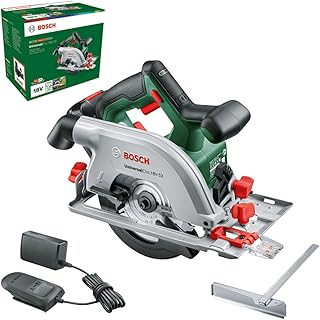


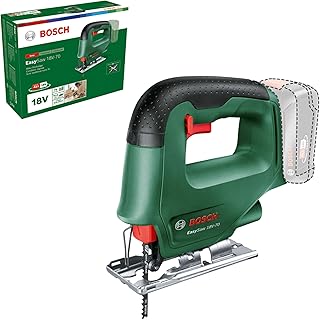








Bosch cordless reciprocating saws provide a practical solution for cutting jobs that require freedom of movement. Unlike corded saws, cordless models do not need to remain close to a mains socket. This can be particularly useful on building sites, during property renovation, in gardens and around larger work areas. The absence of a power cable also helps reduce the risk of the cable becoming an obstruction while cutting.
A reciprocating saw uses a rapidly moving blade to make controlled back-and-forth cuts. This design makes the tool especially useful for demolition and rough cutting, where speed and accessibility are often more important than producing a highly refined edge. Bosch cordless models can be paired with suitable blades for different materials and applications, allowing one tool to cover several types of cutting work.
One of the main advantages of a cordless reciprocating saw is portability. You can move between work areas without carrying an extension lead or locating a nearby socket. This can make a noticeable difference when working outdoors or in partially completed buildings.
Cordless operation is also useful for awkward cutting positions. A reciprocating saw can often reach areas where larger cutting equipment is difficult to position. Depending on the blade and application, it can be used for cutting timber sections, pipes, metal components and other materials encountered during renovation or maintenance work.
These saws are commonly associated with demolition and renovation tasks. They can be useful when removing old timber, cutting through sections of material, trimming construction components or dismantling unwanted structures. Their compact cutting action can also make them useful for access-focused work.
For timber cutting, an appropriate wood blade can help tackle boards, studs, branches and other suitable wooden materials. Metal-cutting blades are available for applications involving pipes, sheet materials and metal sections. Always select a blade designed for the specific material and follow the tool manufacturer's instructions.
Battery compatibility is an important consideration when buying a cordless power tool. If you already own compatible Bosch batteries and a suitable charger, selecting a saw from the same battery platform can help simplify your tool collection. Buyers purchasing a cordless saw for the first time should check whether the selected product is supplied as a bare tool or as a complete kit.
Battery capacity can also influence working time and overall tool weight. A higher-capacity battery may provide longer operating time, while a smaller battery can be preferable when keeping the tool lightweight is a priority. The best choice depends on the duration and intensity of your typical cutting tasks.
Start by considering the materials you expect to cut most frequently. If your work involves a mixture of timber and metal, look for a model and blade selection that can accommodate both applications. For demolition work, handling and cutting performance may be more important than compact dimensions alone.
Think about how frequently you will use the saw. Occasional DIY users may prioritise ease of handling and overall value, while professional users may need a tool designed for demanding and repeated site work. Battery availability, ergonomics, vibration characteristics and blade-changing convenience can all influence the everyday experience.
The blade is central to the performance of any reciprocating saw. Different blades are designed for different materials and cutting requirements. Wood blades generally use tooth configurations suited to timber, while metal blades are designed for cutting through appropriate metal materials. Specialist blades may be available for applications such as demolition or cutting composite materials.
Using the correct blade can improve cutting efficiency and help achieve more predictable results. Check the blade specifications before use and make sure it is compatible with the saw and appropriate for the material being cut.
Safe operation should always be a priority. Wear suitable eye protection and use additional personal protective equipment when the task requires it. Secure the workpiece wherever possible and keep your hands away from the blade path. Before changing a blade or carrying out maintenance, follow the manufacturer's instructions for safely isolating the tool.
Check the blade and tool condition before starting work. A damaged or unsuitable blade should not be used. Maintain a stable stance and allow the saw to work at an appropriate pace rather than forcing the blade through the material.
From home renovation projects to professional construction work, cordless reciprocating saws can provide a useful combination of mobility and cutting versatility. They are particularly practical when working away from fixed power sources or when quick cutting is required in confined or difficult-to-reach areas.
When comparing options, consider the type of work, expected frequency of use, battery requirements and compatible blade range. A suitable combination of saw, battery and blade can provide a dependable cutting setup for many maintenance, renovation and construction applications.
Choosing the right model starts with understanding your workload. Consider the materials you cut, the spaces in which you work and how long the tool needs to operate between charges. It is also worth checking whether you need a bare tool or a kit containing batteries and a charger.
By matching the saw's capabilities with your intended applications, you can select a cordless reciprocating saw that offers practical performance without choosing features you may not need. Bosch cordless reciprocating saws are a versatile option for users looking for portable cutting equipment for DIY, renovation, maintenance and professional applications in the UK.
Bosch cordless reciprocating saws are designed for fast and flexible cutting across a wide range of renovation, construction, maintenance and DIY tasks. Their cordless format makes it easier to work where mains power is unavailable or where a cable would restrict movement. With the right blade, a reciprocating saw can handle materials such as timber, metal, plastic and other suitable construction materials.For UK tradespeople and home users, choosing the right Bosch cordless reciprocating saw means considering cutting performance, battery compatibility, handling, blade selection and the type of work involved. This category brings together useful information to help you understand the differences between cordless reciprocating saws and choose a model suited to your requirements.