
♥ Wishlist


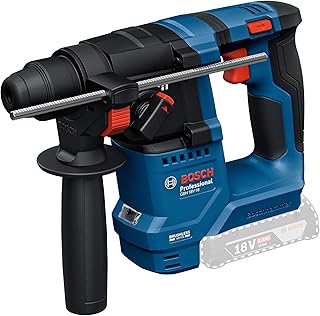


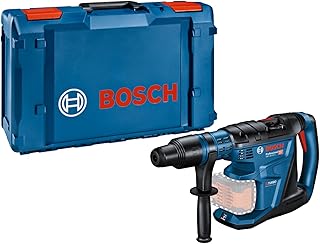
Bosch cordless SDS hammer drills provide a practical solution for drilling and chiselling when access to mains power is limited or when a trailing cable would make the job harder. Their cordless design makes them easier to move around a site, while the SDS system is suited to applications that require efficient drilling into masonry and concrete. This combination makes a Bosch cordless SDS hammer drill a useful addition to a professional tool collection or a well-equipped DIY workshop.
For UK tradespeople, cordless equipment can be especially useful on renovation projects, extensions, repair work and installation jobs. A cable-free drill can be moved quickly between rooms, floors and outdoor work areas. It also reduces the need to position an extension lead before drilling can begin. When choosing a suitable model, consider the type of material, the hole sizes required and whether the tool will mainly be used for drilling, chiselling or a combination of both.
An SDS hammer drill is designed around a specialised chuck system that allows compatible accessories to be fitted efficiently. This makes SDS drills well suited to masonry applications and helps users switch between suitable drilling and chiselling accessories. Cordless operation adds another layer of flexibility, particularly for mobile trades and jobs where power sockets are inconveniently positioned.
Bosch is a widely recognised power tool brand, and its cordless systems are designed around the practical needs of users who work with portable equipment. When selecting a Bosch cordless SDS hammer drill, it is important to check the specific model specifications rather than assuming that every machine is intended for the same workload. Different models can be suited to different levels of drilling, chiselling and installation work.
The main advantage of an SDS hammer drill is its ability to handle hard masonry materials more effectively than many conventional drills. Hammer action helps the accessory work into demanding surfaces, making these tools suitable for tasks such as drilling fixing holes, preparing masonry for installations and carrying out controlled chiselling work.
Before starting a project, match the drill and accessory to the material and application. Concrete, brick and blockwork can require different approaches depending on their hardness and condition. Using the correct SDS accessory can also help maintain drilling efficiency and produce more consistent results.
Cordless operation is one of the key reasons to consider this category. Without a mains cable, users can work more freely around construction areas, gardens, garages and unfinished properties. A cordless SDS hammer drill can also be useful where several tools are being used at once and available sockets are limited.
Battery capacity and charging arrangements should form part of the buying decision. For longer working periods, having a suitable spare battery can help reduce interruptions. Users should also check compatibility with their existing cordless tool system before selecting a bare tool. If a battery and charger are not included, they may need to be purchased separately.
Start by identifying the work you expect to perform most often. Occasional masonry drilling may require a different specification from regular professional drilling and chiselling. Consider the expected hole diameter, drilling depth, material hardness and frequency of use. The weight and overall handling of the machine are also important, particularly when working overhead or for extended periods.
Look at the available operating modes and make sure they match your intended applications. Depending on the model, an SDS hammer drill may support different combinations of rotary drilling, hammer drilling and chiselling functions. These options can make one machine suitable for several stages of a renovation or construction task.
Compatible SDS drill bits and chisels are essential to getting the best from an SDS hammer drill. Select accessories designed for the material and application, and check the tool's compatibility before use. Suitable accessories can be used for tasks such as drilling anchor holes, creating openings for fixtures, removing masonry sections and carrying out controlled demolition work.
For installation work, an SDS hammer drill can help prepare masonry for plugs, fixings, conduits and other components. On renovation projects, chiselling functions can also be useful for removing tiles, mortar or small sections of masonry where the tool and accessory are appropriate for the task.
Always follow the manufacturer's instructions before operating a cordless SDS hammer drill. Wear suitable eye and hearing protection when the application requires it, and use appropriate respiratory protection where drilling or chiselling may generate hazardous dust. Secure the work area and check for concealed cables, pipes or other services before drilling into walls or floors.
Keep the correct SDS accessory securely fitted and inspect bits and chisels for signs of damage or excessive wear. Allow the tool and accessory to operate as intended rather than applying unnecessary force. Good preparation, suitable accessories and correct handling can improve both productivity and user safety.
When shopping for Bosch cordless SDS hammer drills, compare the specifications of the available models against the work you actually need to complete. Pay attention to the tool configuration, battery requirements, operating modes, drilling capabilities and included accessories. This helps ensure that the selected drill offers the right balance of portability and performance for your projects.
Whether you are a professional tradesperson, maintenance worker, installer or experienced DIY user, a suitable Bosch cordless SDS hammer drill can provide a flexible approach to masonry drilling and chiselling. Choosing the right specification for the application is the best way to make the most of cordless SDS technology.
Bosch cordless SDS hammer drills are designed for demanding drilling and chiselling work where power, mobility and convenience matter. By combining an SDS tool system with cordless operation, these machines give tradespeople and serious DIY users greater freedom when working on building, renovation and installation projects. They are particularly useful when drilling into masonry, concrete and other hard materials where a standard drill may not provide the required performance.