

♥ Wishlist
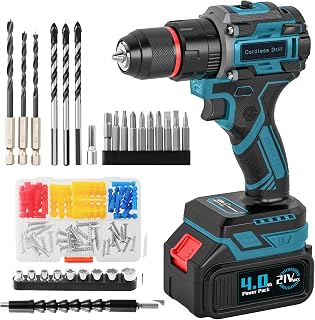


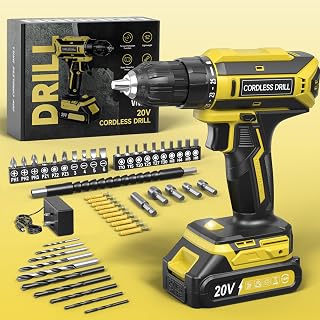


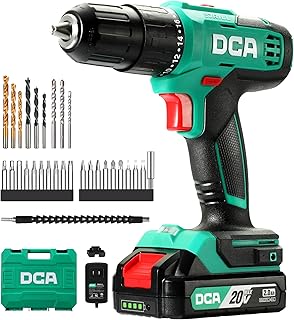
A cordless combi drill combines several useful functions in one compact power tool. It can normally be used for drilling holes, driving screws and hammer drilling into masonry. This makes it a practical choice for users who want one versatile drill for a wide range of everyday jobs. From assembling furniture to installing shelves and carrying out renovation work, a suitable combi drill can handle many common tasks.
For UK shoppers, cordless models are particularly useful when working in areas where access to a mains socket is limited. They are also convenient when moving between rooms, workshops or different areas of a property. Battery-powered operation reduces the need to manage a trailing power cable, while modern battery systems can provide enough performance for demanding applications.
The main advantage of a combi drill is its combination of operating modes. The standard drill setting is designed for making holes in materials such as wood and metal. The screwdriving mode provides controlled rotation for fitting and removing screws. The hammer function adds a rapid impact action, making the tool more suitable for drilling into brick, block and other masonry materials.
Different projects require different levels of performance. A compact model may be ideal for assembling furniture, fitting fixtures and completing occasional household repairs. A higher-powered model can be better suited to regular construction, installation and renovation work. Selecting a tool according to your typical workload can help avoid paying for unnecessary specifications while ensuring enough power for the tasks you regularly perform.
Battery voltage is an important specification when comparing cordless combi drills. Lower-voltage models are often lighter and easier to handle, which can be useful for lighter DIY applications. Higher-voltage options generally provide greater power and are often preferred for heavier drilling and screwdriving tasks.
Battery capacity is another consideration. Capacity is commonly expressed in ampere-hours, or Ah. A higher-capacity battery can offer longer operating time between charges, although it may also increase the overall weight of the tool. If you already use compatible cordless tools, checking battery-platform compatibility can also be useful.
Torque determines how much rotational force a drill can apply. Higher torque can be valuable when driving larger screws or working with tougher materials. Many cordless combi drills include adjustable torque settings, allowing users to match the tool to different fastening applications.
Variable speed control provides further flexibility. Lower speeds can help with controlled screwdriving, while higher speeds can improve drilling performance in suitable materials. Two-speed gearboxes are common and allow users to select between a lower-speed, higher-torque setting and a faster drilling setting.
The chuck holds the drill bit or screwdriver bit securely. A common chuck size for cordless combi drills is 13mm, although smaller compact models are also available. A keyless chuck allows bits to be changed without a separate chuck key, which can make switching between applications quicker.
Before choosing a drill, consider the accessories you expect to use. Drill bits designed for wood, metal and masonry are suited to different materials. Using the correct bit and operating mode is important for achieving good results and reducing unnecessary wear on the tool.
A drill's specifications are not the only factors worth considering. Weight, handle design, balance and overall size can affect comfort during extended use. A well-balanced cordless combi drill can be easier to control, particularly when working overhead or in confined spaces.
LED work lights are also useful when working in darker areas. A belt clip may provide convenient access during installation jobs, while a compact design can make it easier to work between joists, cabinets and other restricted spaces.
Start by considering the materials and applications you expect to encounter. For occasional DIY work, a lightweight model with moderate torque may provide sufficient performance. For frequent renovation or construction tasks, look for a model with stronger torque, suitable battery capacity and robust construction.
It is also worth considering whether you need a bare tool or a complete kit. A bare tool can be economical if you already own compatible batteries and a charger. A kit may be more convenient for new users because it can include one or more batteries, a charger and a storage case.
Always select the correct drill bit for the material and make sure it is securely fitted before use. Wear suitable eye protection when drilling, particularly where dust or fragments may be produced. When hammer drilling masonry, follow the manufacturer's instructions and use appropriate protective equipment.
Keep the battery, chuck and ventilation areas clean and inspect the tool before use. Allow the drill to work at an appropriate speed rather than applying excessive pressure. Following the manufacturer's operating and charging guidance can help maintain reliable performance and extend the useful life of the tool.
Whether you are completing small household repairs or tackling larger renovation projects, a cordless combi drill can provide useful versatility in one tool. Compare battery systems, torque, speed ranges, chuck specifications, weight and included accessories before making your choice. Focusing on the jobs you perform most often will help you select a practical option for your requirements.
A cordless combi drill is a versatile power tool for drilling, screwdriving and hammer drilling. Its cordless design makes it convenient for DIY projects, maintenance tasks and many professional applications. With no mains cable restricting movement, you can work more easily around the home, workshop, garden or job site. Choosing the right model depends on factors such as battery voltage, torque, speed settings, chuck size, weight and the type of material you plan to work with.