

♥ Wishlist
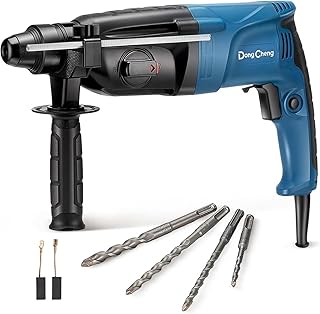


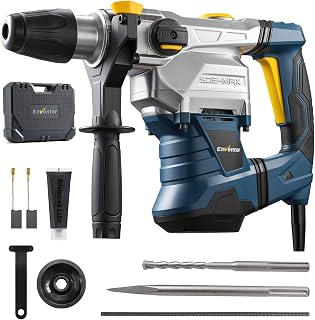


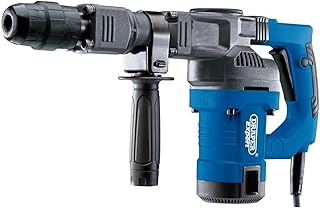


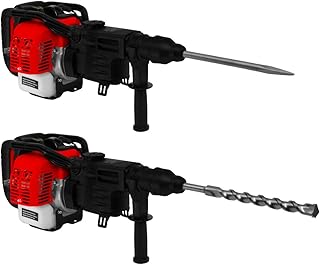


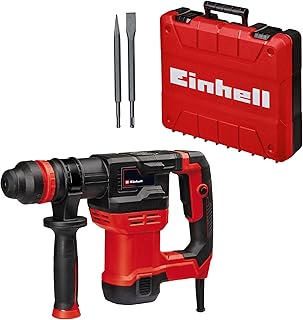


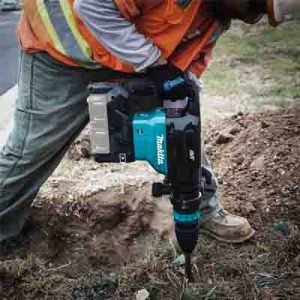
A cordless demolition hammer is designed for heavy-duty breaking and chiselling tasks where portability and freedom of movement matter. Unlike a conventional mains-powered demolition tool, a cordless model does not require a direct connection to a socket while you work. This can make it useful on construction sites, renovation projects, outdoor jobs and areas where managing a power cable would be inconvenient.
Cordless demolition hammers are generally built for demanding applications such as breaking concrete, removing masonry, lifting tiles and carrying out controlled demolition work. Their impact mechanism delivers repeated blows through a compatible chisel or other suitable accessory. When comparing models, consider the material you need to remove, the intensity of the work and how long you expect to use the tool during each session.
The right demolition hammer depends on the type and scale of your project. Occasional renovation work may require a different combination of size, weight and battery capacity from continuous professional demolition. A compact option can be easier to handle in confined spaces, while a heavier tool may be more appropriate for prolonged breaking of particularly hard materials.
Think about the surfaces you regularly work on before choosing a model. Concrete and dense masonry can demand substantial impact performance, whereas tile removal and lighter chiselling tasks may place greater emphasis on control and handling. Matching the tool to the application can help you work more efficiently without choosing equipment that is unnecessarily large or difficult to manoeuvre.
Impact energy is one of the main specifications to examine when comparing cordless demolition hammers. It indicates the force delivered by each impact and can provide useful context when assessing the tool for heavier breaking applications. The number of impacts per minute can also help you understand how the mechanism operates, although specifications should always be considered together rather than in isolation.
Tool weight, dimensions and handle design also influence everyday usability. Demolition work can involve extended periods of handling, so a design that feels manageable for your particular task can be important. Look for practical features such as comfortable grips, balanced construction and controls that are straightforward to operate.
Concrete and masonry are among the materials commonly associated with demolition hammers. A suitable chisel can help direct the impact into the area being removed. Point chisels can be useful for concentrated breaking, while other chisel profiles can suit different chiselling and material-removal tasks.
For renovation work, a cordless demolition hammer can also help with removing old tiles, sections of masonry or other fixed materials. Always select accessories that are compatible with the tool and appropriate for the intended application. Product specifications should be checked carefully before purchase to confirm compatibility.
Battery performance is particularly important when selecting cordless demolition equipment. Runtime varies according to battery capacity, workload, material, operating conditions and the tool itself. If you expect to work for long periods, having compatible spare batteries can help reduce interruptions, provided the manufacturer supports the relevant battery system.
Battery compatibility can also influence the overall value of a cordless tool. If you already use equipment from a compatible battery platform, check whether the demolition hammer can use your existing batteries. Also check whether the product is supplied with a battery and charger or whether these need to be purchased separately.
The accessory you use affects how the demolition hammer interacts with the material. Before buying, check the required chuck or tool fitting and make sure your preferred chisels are compatible. Keeping suitable accessories available can make it easier to switch between different breaking and chiselling requirements.
Accessories are working components and can experience wear during heavy use. Inspect them regularly and replace damaged or excessively worn items according to the manufacturer's recommendations. A clean and correctly maintained tool can also support reliable operation over time.
Start by identifying the main jobs you need the tool to perform. Then compare impact energy, battery requirements, weight, dimensions, operating features and accessory compatibility. Consider whether you need a tool for occasional DIY renovation, regular trade work or more intensive demolition applications.
It is also useful to compare complete product specifications rather than focusing on a single headline feature. A powerful tool may not be the most convenient choice for every job, particularly when access, portability or handling time matters. Similarly, a lighter model may be preferable for controlled chiselling where maximum breaking performance is not the primary requirement.
When shopping for a cordless demolition hammer in the UK, consider the nature of your project, the materials involved and the working environment. Check the manufacturer's specifications for battery requirements, compatible accessories, operating limits and recommended applications. Always follow the supplied instructions and use suitable protective equipment when carrying out demolition work.
Find a cordless demolition hammer for demanding breaking, chiselling and removal work around the home, workshop or construction site. A cordless design provides freedom from mains cables while giving you a practical option for tackling concrete, masonry, tiles and other hard materials. Compare the available cordless demolition hammers to find a model that suits your application, working conditions and preferred battery platform.