

Best Cordless Jigsaws Products online UK (United Kingdom)
Explore our real-time updated product directory index curated for performance, verified star metrics, and historical consumer trust rankings.


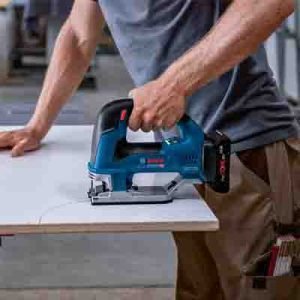
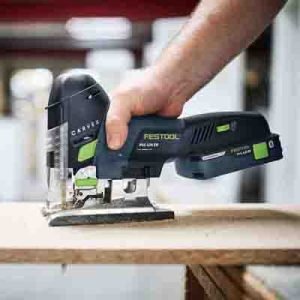
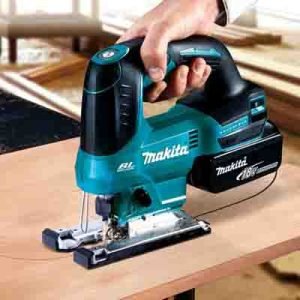
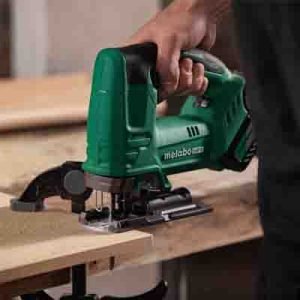
Cordless jigsaws are practical power tools for users who need controlled cutting without the limitations of a mains cable. Their battery-powered design makes them easy to move around a workshop, garage, garden workspace or renovation site. This flexibility can be particularly useful when working on large materials, awkward positions or areas where a power socket is not close by.
A jigsaw uses a narrow reciprocating blade to cut through material. Unlike many cutting tools that are designed mainly for straight lines, a jigsaw is well suited to curves, shapes, cut-outs and detailed work. Depending on the blade fitted and the specification of the tool, cordless jigsaws can be used for materials such as timber, plywood, laminate, plastic and certain metals.
The main advantage of a cordless jigsaw is freedom of movement. There is no mains cable trailing across the work area, so the tool can be positioned where it is needed. This can help when cutting large boards or working in locations where access to electricity is limited.
Battery-powered operation also makes cordless jigsaws convenient for mobile jobs. DIY users can move between different areas without repeatedly finding a suitable socket. Professional tradespeople may also value this portability when completing installation, fitting and finishing work on site.
Battery voltage can influence the tool's performance and operating characteristics. When choosing a cordless jigsaw, check whether the battery is included and confirm compatibility with the manufacturer's battery platform where applicable. Buyers who already own compatible cordless tools may prefer a bare tool to use with their existing batteries.
Cutting capacity indicates how thick a material the jigsaw is designed to cut under specified conditions. Requirements vary depending on the project. For regular woodworking, consider the stated wood cutting capacity. If you expect to cut metal or other materials, check the relevant specification rather than relying only on the maximum timber capacity.
Variable speed control can provide greater flexibility when working with different materials. Slower speeds can be useful for controlled cutting or particular materials, while higher speeds may help with suitable timber applications. Selecting an appropriate speed can also help you maintain better control of the blade.
Some cordless jigsaws feature pendulum or orbital action. This movement can increase cutting speed in suitable applications by adding a forward motion to the blade stroke. It can be useful for faster cuts in timber, while a reduced setting may be preferable when prioritising control or a cleaner finish.
A tool-free blade change mechanism can make switching between blades quicker and more convenient. Different blades are designed for different materials and cutting requirements. Check the jigsaw's compatible blade type and choose blades according to the material and desired finish.
Start by considering the materials you expect to cut most often. A DIY user working mainly with timber and sheet materials may have different requirements from someone who occasionally needs to cut laminate or thin metal. Look at cutting capacity, speed settings, battery compatibility and blade options before making a decision.
Ergonomics are also important. A comfortable grip and balanced design can make controlled cutting easier, particularly during longer jobs. A clear view of the cutting line can help with accuracy, while an adjustable base plate can support angled cuts on compatible models.
For home improvement projects, cordless jigsaws can be useful for cutting shelves, worktops, boards, panels and other suitable materials. Their ability to follow curves makes them valuable for shaped cut-outs that may be difficult to achieve with a conventional straight-cutting tool.
Woodworkers can also use different blade configurations to achieve different results. Fine-tooth blades may be appropriate when a cleaner finish is required, while blades designed for faster cutting can be useful where speed is more important. Always select a blade specifically suited to the material being cut.
Mark the cutting line clearly before starting. Secure the workpiece firmly so it cannot move during cutting. Allow the blade to reach the appropriate operating speed before guiding it into the material, and avoid forcing the tool through the cut. Let the blade perform the cutting while you guide the jigsaw steadily along the intended line.
For curves, make gradual movements and avoid turning the tool too sharply. The correct blade also matters. A blade that is unsuitable for the material can produce poor results and may increase wear. Replace damaged, blunt or inappropriate blades before beginning a cutting task.
Cordless jigsaws are particularly convenient for projects where portability is important. Battery operation can reduce dependence on extension leads and provide a neater working area. Before starting a job, make sure the battery has sufficient charge for the planned work and keep a compatible spare battery available if longer periods of operation are expected.
When comparing models, consider the complete tool system rather than the jigsaw alone. Battery and charger requirements can affect the overall value of a cordless tool. If you already use a compatible battery platform, a bare tool may be a practical option.
Always read the manufacturer's instructions before using a cordless jigsaw. Wear suitable eye protection and use other appropriate personal protective equipment for the material and task. Keep hands away from the blade path and make sure the blade has stopped moving before placing the tool down.
Secure the workpiece and keep the cutting area clear. Check the material for hidden objects such as nails or screws before cutting. Use the correct blade and setting for the application, and never operate a damaged tool or blade.
Choosing the right cordless jigsaw comes down to matching the tool's capabilities with the work you plan to complete. Consider battery compatibility, cutting capacity, speed control, orbital action, ergonomics and blade changing features. A suitable cordless jigsaw can provide a versatile cutting solution for DIY, woodworking, installation and renovation projects.
Explore the cordless jigsaws available through Toptopdeal.co.uk to find a suitable option for your requirements. Compare the specifications carefully and select a model that matches your materials, cutting style and expected workload.
Cordless jigsaws offer the freedom to cut without being restricted by a mains power cable. They are useful for DIY, woodworking, renovation and general cutting tasks where portability matters. A cordless jigsaw can make straight, curved and shaped cuts through suitable materials while giving you greater freedom to work around a project. Whether you are preparing timber for a home improvement job or creating detailed cuts in sheet materials, the right cordless jigsaw can make the process more convenient.