

♥ Wishlist


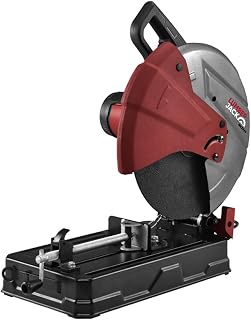


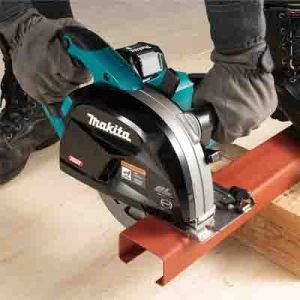
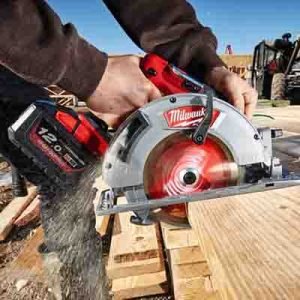
Cordless metal cutting saws offer a practical way to cut metal without being tied to a mains socket. Instead of managing a power cable around the work area, you can use a compatible rechargeable battery to power the saw. This makes cordless equipment especially useful on construction sites, in workshops and during installation jobs where materials may need to be cut away from a fixed power supply.
A cordless metal cutting saw can be used for many common metalworking applications. Depending on the design and blade, it may be suitable for steel tube, metal pipe, box section, angle iron, sheet metal and other stock materials. The right saw can help produce fast, controlled cuts while keeping the work area easier to manage.
Cordless metal cutting saws are battery-powered cutting tools designed specifically for working with metal. They typically use a dedicated abrasive or carbide-tipped cutting blade, depending on the saw design and intended application. Compared with general-purpose saws, metal cutting models are built to handle the heat, resistance and material characteristics associated with cutting metal.
The cordless format removes the need for a direct electrical connection during use. This can improve mobility when working outdoors, inside unfinished buildings or in areas where sockets are difficult to reach. Battery operation can also make it easier to move between different cutting locations during a job.
Without a mains cable, you can position the tool more freely around the workpiece. This is useful when cutting large sections of metal or working in confined areas.
Battery-powered cutting tools are well suited to mobile tradespeople and site work. A charged battery can provide cutting power where a mains supply is unavailable or inconvenient.
Suitable cordless saws can make quick work of repeated cuts through common metal sections. Their design is particularly useful when several pieces need to be cut to consistent lengths.
Removing the mains cable can reduce clutter around the cutting area. This allows you to focus on positioning the workpiece and controlling the saw.
The exact materials a cordless metal cutting saw can handle depend on its blade, power, cutting capacity and manufacturer specifications. Common applications include mild steel, stainless steel, aluminium, metal tubing, box section, angle iron, threaded rod and sheet metal. Always check the specifications of the individual saw and blade before cutting a particular material.
For professional fabrication, installation and maintenance work, choosing the correct blade is particularly important. A blade designed for one type of material may not deliver the same performance on another. Matching the cutting accessory to the material can improve cutting quality and help protect the tool.
Battery voltage can influence the available power and overall performance of a cordless saw. If you already own compatible cordless tools, choosing a saw from the same battery platform can be convenient. Check whether the product is supplied as a bare tool or as a complete kit with batteries and a charger.
Blade diameter and maximum cutting capacity are important when selecting a saw. Consider the thickness and shape of the metal you regularly work with. A larger capacity can be useful for heavier sections, while a more compact design may be preferable for lighter work and improved manoeuvrability.
Cutting speed can affect productivity, especially when making numerous cuts. Look for specifications that match the materials and workload you expect from the tool.
A manageable weight can make a cordless saw easier to position and control. Comfortable handles and a balanced design can also be valuable during repeated cutting tasks.
Start by identifying the materials and dimensions you need to cut most often. For occasional light fabrication, a compact model may provide enough capacity while remaining easy to transport. For regular trade or workshop use, look for a robust design with suitable cutting capacity, battery performance and blade availability.
It is also worth considering how often the tool will be used. High-volume work can benefit from additional batteries so one pack can charge while another is in use. If portability is the main priority, a lighter saw may be preferable. For demanding fabrication work, prioritise the specifications required for the material thickness and cutting frequency.
Metal cutting produces sparks, hot particles and sharp edges, so appropriate safety precautions are essential. Wear suitable eye protection and other personal protective equipment appropriate to the task. Secure the material firmly before cutting and make sure the cutting area is clear of combustible materials.
Use only blades that are compatible with the saw and intended for the material being cut. Inspect blades before use and replace damaged or worn accessories. Follow the manufacturer's operating instructions, particularly for blade installation, cutting capacity, battery use and maintenance.
For UK users, cordless metal cutting saws can be useful for construction, engineering, fabrication, plumbing, electrical installation, automotive work and general DIY. Their portability makes them practical when materials must be cut at different points around a property or worksite.
Whether you are preparing metal framing, cutting pipe, trimming threaded rod or completing fabrication projects, selecting a saw with the appropriate capacity can make the job more efficient. Compare the available specifications carefully and choose a model that matches your expected workload rather than selecting solely on battery voltage or price.
Explore the cordless metal cutting saw category to find battery-powered solutions for portable metalworking. Consider blade compatibility, cutting capacity, battery requirements, tool weight and intended application before making your choice. The right cordless saw can provide convenient cutting performance while giving you greater freedom to work wherever the job takes you.
Choose cordless metal cutting saws when you need accurate, portable cutting without the restriction of a mains power cable. These battery-powered saws are designed for demanding metalworking tasks, including cutting steel sections, pipes, sheet metal, angle iron and other metal stock. Their cordless design makes them useful in workshops, garages, construction sites and installation work where convenient access to power matters.