



♥ Wishlist


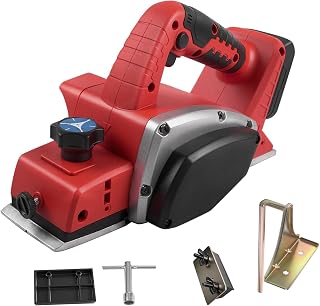


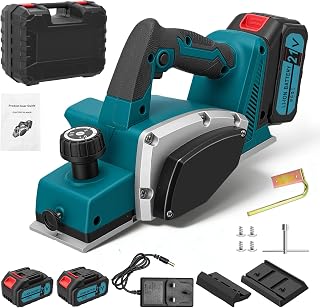


A cordless planer is a useful power tool for removing a controlled amount of material from timber. Unlike a traditional hand plane, a powered planer uses a rotating cutter system to produce a smooth and consistent surface with less manual effort. The cordless design removes the need to work close to a mains socket, making it particularly useful when preparing timber outdoors, moving between work areas or working on larger DIY projects.
For UK tradespeople, woodworkers and DIY users, a cordless planer can be a practical addition to a wider collection of power tools. It can help with adjusting door edges, levelling uneven boards, refining timber surfaces and creating clean edges before further construction or finishing work. Battery operation also makes the tool convenient when extension leads would be inconvenient or restrictive.
When choosing a cordless planer, consider the type of timber you normally work with and the amount of material you need to remove. Cutting width is an important specification because it determines how much timber can be planed in a single pass. A wider planer can cover larger boards efficiently, while a compact model may be easier to control for smaller components and detailed DIY work.
Planing depth is another important consideration. Adjustable depth settings allow you to control how much material is removed during each pass. For delicate finishing work, a shallow setting can provide greater control. When more material needs to be removed, a suitable deeper setting can make the process more efficient. Always follow the manufacturer's instructions and avoid taking unnecessarily deep cuts.
Battery compatibility can influence which cordless planer is most suitable for your workshop. If you already use a particular battery platform, choosing a planer compatible with your existing batteries may help reduce the number of chargers and battery systems you need. Runtime depends on battery capacity, timber type, cutting depth and how intensively the tool is used, so checking the manufacturer's specifications is worthwhile.
Good handling can make a noticeable difference during repeated planing tasks. Look for features such as an ergonomic grip, balanced construction and controls that are easy to operate while wearing suitable workshop protection. A well-balanced cordless planer can help you maintain a consistent movement across the timber and reduce unnecessary strain during longer jobs.
Cordless planers are suitable for many common woodworking applications. They can be used to trim doors that are catching on frames, smooth rough timber, reduce the thickness of boards, refine edges and prepare wooden components for assembly. They can also be useful when renovating older properties where timber doors, frames or floorboards require careful adjustment.
For furniture making and general joinery, a planer can help prepare timber before sanding, painting, staining or other finishing processes. It is often useful to make several light passes rather than attempting to remove a large amount of material at once. This approach provides greater control and can help achieve a more even surface.
Different cordless planer models can vary considerably in their specifications and intended use. Pay attention to cutting width, adjustable planing depth, cutter speed, battery voltage and overall weight. Dust extraction compatibility can also be valuable, particularly when working indoors. Some models are designed with provisions for connecting extraction equipment, helping to manage wood shavings and maintain a cleaner working area.
Blade design is another factor worth considering. Sharp, correctly installed blades are essential for effective planing and a clean finish. Check replacement blade availability and follow the manufacturer's guidance for inspection, replacement and adjustment. A planer should always be used with suitable protective equipment and according to its operating instructions.
For occasional DIY work, a compact cordless planer can provide useful versatility without the restrictions associated with a corded tool. It can be kept ready for small repairs, renovation projects and timber adjustments. More frequent users may prioritise durability, battery performance, cutting capacity and comfortable handling because these factors become increasingly important during demanding workloads.
Professional users should also consider how the planer fits into their existing battery ecosystem and workshop setup. A compatible battery platform can simplify charging and make it easier to move between cordless tools on a job site. For users who regularly work away from fixed power supplies, cordless operation can offer valuable flexibility.
When comparing cordless planers, focus on specifications that match your actual woodworking requirements rather than choosing solely by power rating. Consider the timber sizes you handle, the frequency of use, required cutting depth and preferred battery platform. Checking dimensions, weight and compatible accessories can also help you select a tool that feels practical for your typical projects.
A suitable cordless planer can be a valuable tool for smoothing, trimming and shaping timber while giving you greater freedom of movement around the workshop or job site. By comparing cutting capacity, battery compatibility, handling and practical features, UK shoppers can make a more informed choice for DIY, renovation, joinery and professional woodworking applications.
Discover cordless planers designed to make timber preparation, surface smoothing and edge adjustment more convenient. A battery-powered planer offers freedom from mains cables while providing the control needed for a range of woodworking projects. Whether you are working on doors, boards, frames, furniture components or general DIY tasks, choosing the right cordless planer can make repeated planing jobs easier and more manageable.