

Best Cordless Power Saws for DIY and Trade Projects Products online UK (United Kingdom)
Explore our real-time updated product directory index curated for performance, verified star metrics, and historical consumer trust rankings.


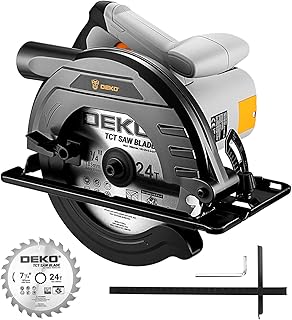
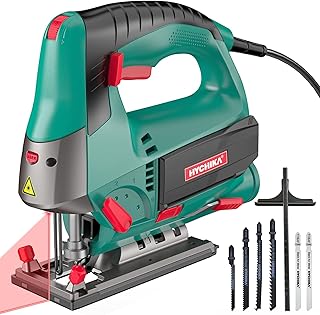


Cordless power saws are designed for users who need cutting performance without being tied to a mains power socket. Battery operation makes these tools particularly useful when working outdoors, moving between rooms or completing projects where trailing cables would be inconvenient. From quick DIY repairs to demanding construction tasks, the right cordless saw can provide a practical cutting solution.
The category can include several types of cordless saw, each designed around a different cutting requirement. Cordless circular saws are popular for straight cuts through timber, sheet materials and boards. They are useful for construction, joinery and general renovation work. Cordless reciprocating saws are suited to demolition, pruning and cutting through a variety of materials where speed and flexibility are important. Cordless jigsaws are useful when curved, shaped or detailed cuts are required, while compact saws can be convenient for lighter cutting tasks and restricted spaces.
One of the main advantages of a cordless power saw is freedom of movement. Without a mains lead connecting the tool to a socket, users can work more easily in gardens, garages, workshops, construction areas and unfinished buildings. This can also reduce the need for extension leads and make it easier to move around a workpiece.
Battery-powered saws are also convenient for jobs that require frequent repositioning. A tradesperson working across several areas of a site can carry the saw from one location to another without having to find a nearby electrical outlet. For DIY users, cordless operation can make occasional cutting jobs simpler, particularly when working outside or in areas where access to mains power is limited.
Circular saws are designed for controlled straight cutting and are widely used for timber, plywood, sheet materials and similar applications. When selecting one, consider blade diameter, cutting depth, bevel capability, ergonomics and battery system compatibility. A suitable blade is equally important because blade design should match the material and type of cut.
Reciprocating saws use a back-and-forth blade movement and are especially useful for demolition and rough cutting. They can be used for tasks such as cutting timber, plastic, metal and branches when fitted with the appropriate blade. Their compact cutting action makes them useful where access is restricted and precision is less important than versatility.
Jigsaws are a useful choice for curved cuts, cut-outs and detailed work. They can be used with different blades for materials such as wood, metal and plastic. Variable speed settings, pendulum action, tool-free blade changes and an adjustable base can all influence how comfortably and accurately a jigsaw performs.
Before choosing a cordless power saw, consider the materials you expect to cut and the type of work you normally undertake. Cutting thick timber requires different capabilities from making occasional cuts in thin boards. Look at the maximum cutting depth, blade size, cutting speed and available adjustment features to make sure the tool suits the intended application.
Battery compatibility is another important consideration. Many cordless tools operate within a manufacturer's battery platform, allowing one battery system to power several compatible tools. If you already own compatible cordless equipment, selecting a saw from the same platform may provide greater convenience. Check whether the product is supplied with a battery and charger or is sold as a tool-only option before purchasing.
Battery capacity can affect how long a cordless saw can operate between charges. Higher-capacity batteries can be useful for demanding or extended work, although they may add weight to the tool. For occasional DIY jobs, a smaller battery may provide a more compact setup. Runtime also depends on factors such as material thickness, blade condition, cutting technique and workload.
Safe operation is essential whenever using a power saw. Read the manufacturer's instructions before use and select a blade that is suitable for both the tool and material. Wear appropriate eye and hearing protection where required, secure the workpiece properly and keep hands away from the cutting path. Allow the blade to reach the appropriate operating speed before beginning a cut and avoid forcing the tool through material.
Blade condition can have a significant effect on performance. A blunt or unsuitable blade may produce rougher cuts and place additional strain on the tool. Replacing worn blades and using the correct blade specification can help maintain cutting quality and support safer operation.
For UK DIY enthusiasts, renovators, gardeners and tradespeople, cordless power saws can be useful across many types of project. They can help with cutting timber during home improvements, preparing materials for construction, dismantling unwanted structures and carrying out outdoor maintenance. Their portability is particularly useful when work takes place away from a permanent workshop.
When comparing options, focus on the tool's intended application rather than choosing solely on headline power figures. A compact jigsaw may be more suitable for detailed work, while a circular saw can be a better choice for repeated straight cuts. For demolition or difficult-to-reach areas, a reciprocating saw may provide greater flexibility.
The best cordless power saw depends on the job, material and level of use. Consider cutting depth, blade compatibility, battery platform, ergonomics, adjustment features and expected workload before making a choice. Comparing these factors can help you find a saw that is practical for your workshop, building site, garden or home improvement project.
Whether you are completing occasional DIY work or require a dependable cutting tool for regular trade applications, cordless power saws provide a flexible alternative to corded equipment. Choosing the correct saw and accessories for the task can help you work efficiently while maintaining control over each cut.
Cordless power saws offer a practical way to tackle cutting jobs without the restrictions of a mains cable. Designed for DIY, home improvement, renovation and professional work, these saws combine portable operation with the cutting performance needed for a wide range of materials and applications. Whether you need to cut timber for a building project, trim boards during a renovation or make accurate cuts on site, choosing the right cordless saw can make the job more convenient and efficient.