

Best Cordless Shear Wrenches Products online UK (United Kingdom)
Explore our real-time updated product directory index curated for performance, verified star metrics, and historical consumer trust rankings.






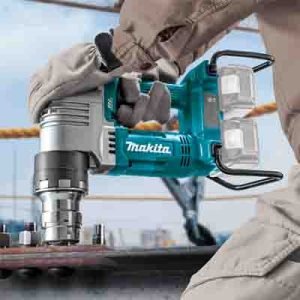
A cordless shear wrench is a specialist fastening tool designed to install suitable tension-control or shear-type structural bolts. Unlike a conventional impact wrench, it is engineered around the requirements of specific fastening systems. During installation, the tool applies the required tightening action while the sacrificial portion of a suitable shear bolt breaks away when the intended tension is reached. This helps create a repeatable fastening process when the correct fasteners and tool are used together.
Battery-powered operation is particularly useful on construction sites, steelwork projects and maintenance jobs where access to mains electricity can be limited. There is no power cable to position around the work area. There is also no pneumatic hose to connect to a compressor. This can improve mobility and help reduce setup time between fastening points.
A cordless shear wrench can also be useful for repetitive structural fastening. Once a compatible battery is charged and the appropriate fastening system is selected, operators can move between work areas without repeatedly setting up external power equipment. This is especially valuable when working at height or in locations where keeping the workspace clear is important.
These tools are commonly associated with structural steelwork and other applications involving tension-control fasteners. They may be used during steel frame assembly, fabrication, building construction, infrastructure projects and industrial maintenance. The exact suitability depends on the tool specification and the fastener system being installed.
When selecting a tool for professional use, check the manufacturer's stated bolt diameter range and compatibility requirements. A wrench intended for one fastening system should not automatically be assumed to work with another. Using the correct combination of tool, socket and fastener is essential for reliable installation.
Battery capacity can have a noticeable effect on productivity. Higher-capacity batteries may support longer periods of work between charges, although they can also add weight to the overall tool. For jobs involving frequent movement, a compact battery may be preferable. For extended fastening sessions, additional charged batteries can help minimise interruptions.
Battery platform compatibility is another important consideration. If you already use compatible cordless equipment, choosing a shear wrench from the same battery ecosystem may reduce the need to maintain several different charger and battery systems. Always check the supplied configuration because some tools are sold as body-only models without batteries or chargers.
Structural fastening can involve repeated overhead, horizontal or awkward-position work. Tool balance therefore matters as much as headline power figures. A well-balanced cordless shear wrench can be easier to position accurately, particularly when many bolts need to be installed during a shift.
Look for practical features such as a comfortable grip, accessible controls, robust construction and suitable head design. A compact profile can be beneficial when working around steel sections or other restricted spaces. Weight should also be considered alongside battery size, especially for prolonged use.
Start by identifying the fastening system and bolt sizes used for your project. Then compare the wrench specifications against those requirements. Consider torque or fastening capacity, compatible bolt diameters, battery voltage, runtime and overall weight. If the work is performed in demanding environments, construction quality and manufacturer support can also influence the decision.
It is important not to choose a tool based solely on maximum power. A model that matches the fasteners and working conditions is generally more useful than a tool with specifications that exceed the actual application. Check technical documentation before purchase to confirm compatibility.
Corded electric tools can provide continuous access to mains power, but their mobility depends on the availability of a suitable electrical supply and cable management. Pneumatic shear wrenches can be effective in industrial settings where compressed air is already available, although they require an appropriate air supply and hose.
Cordless shear wrenches offer a different balance. Their main advantage is portability. They can be taken directly to the fastening location without connecting a cable or air hose. This makes them particularly attractive for mobile construction and structural work where flexibility can save time.
Always follow the manufacturer's instructions and the requirements of the relevant fastening system. Use the specified sockets, accessories and compatible fasteners. Wear appropriate personal protective equipment for the working environment and keep hands clear of moving components during operation.
Before beginning work, inspect the tool, battery and accessories for visible damage. Secure the work area and ensure the operator has stable footing. Never modify the tool or use incompatible components. For structural applications, follow the project specification and applicable professional standards rather than relying solely on the tool's general operating instructions.
Regular inspection can help keep a specialist fastening tool ready for use. Clean the exterior after demanding jobs and check sockets, fastener-contact areas and moving components for wear or damage. Batteries should be stored and charged according to the manufacturer's recommendations.
Where servicing is required, use the manufacturer's approved procedures or an appropriately qualified service provider. Keeping records of maintenance can also be useful for professional equipment used across multiple projects.
When buying a cordless shear wrench, compare the specifications with the exact fastening requirements of your project. Pay particular attention to bolt compatibility, battery configuration, tool weight and intended application. A suitable specialist wrench can make repetitive structural fastening more convenient while providing the mobility expected from modern cordless equipment.
Whether you are working on steel construction, fabrication or maintenance, selecting the correct tool and fastening system is essential. Review the product specifications carefully before ordering to ensure the cordless shear wrench is appropriate for the job.
Choose a cordless shear wrench when structural fastening demands speed, consistent performance and freedom from mains cables. These specialised battery-powered tools are designed for applications where shear bolts or tension-control fasteners need to be installed efficiently and accurately. A cordless design can make demanding work easier by removing the need for trailing power leads or pneumatic hoses.For UK tradespeople, contractors and maintenance professionals, the right cordless shear wrench can provide a practical solution for repetitive fastening tasks. Consider the required bolt size, torque capability, battery platform, tool weight and working environment before choosing a model for your application.