

♥ Wishlist




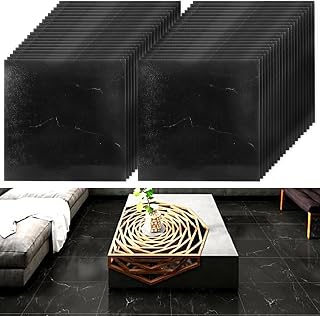


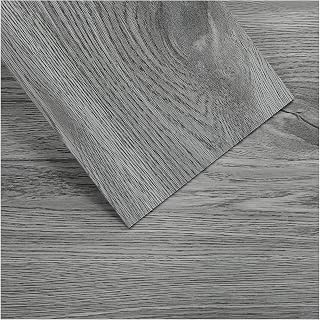


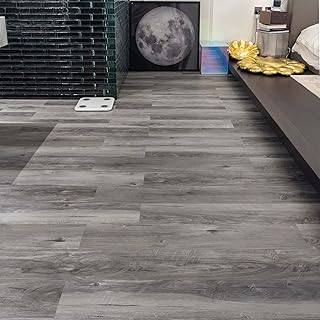


Choosing the right flooring can influence how a room looks, feels and performs every day. Whether you are updating a living room, refreshing a bedroom, improving a hallway or planning a larger home project, the right floor should suit the room as well as your preferred interior style. This flooring category brings together options for shoppers looking to compare different flooring solutions for homes and other indoor spaces.
UK homes have varied layouts and flooring requirements, so there is no single option that suits every room. Some spaces benefit from a hard-wearing surface that handles frequent foot traffic, while bedrooms and other quieter areas may call for a warmer or softer feel. When comparing flooring, consider the room, expected use, appearance, installation requirements and the level of maintenance you are prepared to undertake.
Room suitability is one of the most useful starting points when shopping for flooring. Living rooms often need a balance between appearance, comfort and everyday durability. Bedrooms may place greater emphasis on warmth and a comfortable underfoot feel. Hallways and entrances can experience more frequent traffic, making practical maintenance and surface durability important considerations.
For kitchens and utility areas, shoppers should pay close attention to the flooring manufacturer's stated suitability, cleaning requirements and resistance to everyday spills. Bathrooms have their own considerations, particularly around moisture and installation. Always check the product information before choosing flooring for areas where water or humidity may be present.
Flooring is available in a wide range of materials, formats and designs. Laminate flooring can provide the appearance of timber or other finishes while offering a practical surface for many interiors. Vinyl flooring is available in numerous colours, patterns and wood-effect designs, giving shoppers flexibility when coordinating a room.
Wood flooring can add a natural appearance to an interior, while engineered wood offers a constructed alternative designed for specific installation and environmental requirements. Carpet remains a popular consideration for rooms where softness and warmth are priorities. Other flooring formats can provide different combinations of visual appeal, durability and installation convenience.
The visual character of flooring can change the atmosphere of an entire room. Wood-effect flooring can complement traditional, contemporary and minimalist interiors, while patterned or coloured designs can create a stronger focal point. Neutral flooring may work well when you want flexibility with furniture and décor, whereas darker or more distinctive finishes can create greater visual contrast.
Remember that product photographs can look different depending on lighting, screen settings and surrounding colours. If the flooring will be used across several rooms, compare the finish carefully and check the manufacturer's product information before ordering.
Accurate measurements help you determine how much flooring your project requires. Measure the length and width of the area and calculate the floor space in square metres. For irregular rooms, divide the area into smaller sections and calculate each section separately before adding the totals together.
It is also important to check how the flooring is sold. Products may be supplied by pack, box, roll, plank, tile or another unit. Coverage can vary between products, so use the stated coverage information rather than relying on a general assumption. Depending on the installation method and product, additional material may be needed to account for cutting and fitting.
Installation requirements vary considerably between flooring products. Some options may require specialist preparation, while others are designed around particular fitting systems. Check whether the product requires an underlay, adhesive, trims, moisture protection or other accessories. The condition and level of the existing floor can also affect preparation requirements.
Maintenance should form part of your buying decision. Look at the manufacturer's cleaning guidance and consider how frequently the room is used. Flooring that is easy to clean may be particularly useful in busy household areas, while delicate finishes may require more careful treatment. Following the manufacturer's care instructions can help you maintain the appearance of the floor over time.
When comparing flooring, focus on the specifications that matter to your project rather than choosing on appearance alone. Consider room suitability, dimensions, coverage, finish, installation method, maintenance and compatibility with your existing interior. This approach makes it easier to narrow down suitable options and plan your flooring project with greater confidence.
Explore the available flooring range to compare options for different rooms and design requirements. Check individual product specifications carefully before purchasing, particularly where installation conditions, moisture exposure or required accessories could affect suitability.
Explore flooring options for different rooms, interiors and practical requirements. Compare styles, materials, finishes and maintenance considerations to find flooring that suits your space.