
Best Mallets for Woodworking, DIY and Workshop Tasks Products online UK (United Kingdom)
Explore our real-time updated product directory index curated for performance, verified star metrics, and historical consumer trust rankings.


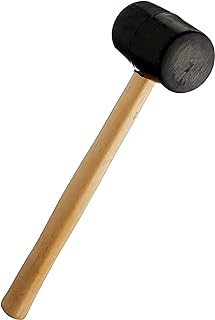


A mallet is a versatile hand tool used to deliver controlled blows without the same concentrated impact associated with a traditional metal hammer. It is commonly found in woodworking shops, construction environments, workshops and home tool collections. The broad head distributes force across a larger area, making a mallet suitable for applications where a more measured strike is required.
When choosing a mallet, consider the material of the head, the overall weight, handle construction and the type of work you expect to carry out. Different projects require different levels of impact. A lightweight mallet can be easier to control during delicate assembly work, while a heavier option may be better suited to tasks that require greater force.
Wooden mallets are a traditional choice for woodworking. They are particularly useful when working with chisels, assembling timber components or carrying out joinery tasks. The wooden head can deliver a controlled blow while helping to reduce the likelihood of damaging a wooden surface or tool handle.
For woodworking, balance is especially important. A mallet should feel comfortable in the hand and allow accurate strikes without excessive effort. The shape and weight of the head can influence how easily you can position each blow. A well-balanced design can also help reduce fatigue during repeated tasks.
Rubber and soft-faced mallets are useful when a project calls for impact with reduced risk of surface damage. They can be suitable for positioning components, assembling furniture, fitting materials and other DIY jobs. The softer striking surface can help prevent unnecessary dents and marks on finished materials.
Soft-faced mallets are also useful for tasks where components need to be adjusted into position rather than driven with maximum force. Always select a head hardness appropriate for the material being struck and inspect the striking face before use.
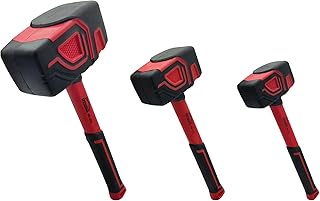
Some applications require more impact than a lightweight woodworking mallet can provide. Heavy-duty mallets can be useful for construction, landscaping, installation and workshop tasks where stronger controlled blows are needed. Their additional weight can transfer more energy with each strike.
When using a heavier mallet, grip and control become even more important. Choose a handle that feels secure and comfortable, and make sure there is enough working space to swing the tool safely. Protective equipment should also be considered when the task creates flying debris or other workshop hazards.
The head material affects how the mallet behaves when it contacts a surface. Wood is popular for traditional woodworking applications, while rubber and other softer materials can be preferable for assembly and positioning tasks.
A mallet that is too light may not provide enough impact, while one that is too heavy can be difficult to control. Consider the materials you work with and the amount of force normally required before selecting a size.
A comfortable handle can make repeated striking more manageable. Look for a secure grip and a shape that allows controlled movement. Handle length can also influence leverage, reach and overall balance.
For regular workshop use, durable construction is important. Check the connection between the head and handle and inspect the striking face regularly. A well-maintained mallet should be kept clean and stored in a dry, suitable location.
A mallet can be a useful addition to a home tool kit. It can help with furniture assembly, fitting components, light construction work and other projects where a controlled strike is preferable to a conventional hammer. Keeping the correct type of mallet available can prevent unsuitable tools from being used on delicate surfaces.
For occasional DIY work, versatility may be more important than maximum impact. A general-purpose rubber or soft-faced mallet can cover a variety of assembly and positioning tasks. For dedicated woodworking, a purpose-designed wooden mallet may be the better choice.
Always check the mallet before use. Do not use a tool with a damaged head, loose handle or badly worn striking surface. Keep your hands away from the striking area and make sure the workpiece is stable before applying force.
Use the mallet only for applications appropriate to its design. Wear suitable eye protection when there is a possibility of chips, fragments or other debris. Store the tool securely after use and keep the striking face in good condition.
The best mallet depends on the material being worked on, the amount of impact required and the level of control needed. Wooden mallets are a strong choice for traditional woodworking, while rubber and soft-faced designs can be useful for assembly and surface-sensitive applications. Heavier models may be better for demanding workshop and construction tasks.
Consider the head material, weight, handle design and intended application before making your choice. Selecting a mallet that matches the job can improve control, accuracy and convenience across woodworking, DIY and general workshop projects.
A mallet is a practical striking tool designed for jobs where controlled impact is important. Compared with many metal-headed hammers, a mallet can provide a softer strike that helps reduce the risk of marking or damaging the workpiece. This makes mallets useful for woodworking, furniture assembly, DIY projects, fitting tasks and a range of workshop applications. Whether you need a mallet for occasional home projects or regular professional work, choosing the right head material, size and handle design can make each task easier to control.