

Best Milwaukee Batteries and Chargers Products online UK (United Kingdom)
Explore our real-time updated product directory index curated for performance, verified star metrics, and historical consumer trust rankings.

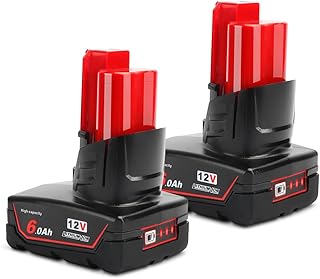


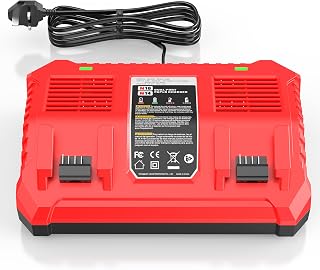




Milwaukee batteries and chargers provide the power system behind a wide range of cordless tools used by tradespeople, DIY users and professionals across the UK. Choosing the right battery can affect runtime, portability and overall productivity, while a suitable charger helps keep batteries ready for the next task. This category brings together Milwaukee battery and charging solutions for users who want dependable cordless power without relying on mains cables.
Milwaukee cordless tools are commonly available across construction, maintenance, installation, woodworking and outdoor applications. Batteries are designed to work with compatible Milwaukee cordless platforms, so checking the required voltage, battery system and tool compatibility is essential before purchasing. Chargers are equally important because different Milwaukee batteries can have different charging requirements and charging technologies.
Battery capacity is one of the key factors to consider when choosing a Milwaukee replacement or additional battery. Capacity is commonly expressed in ampere-hours, or Ah. A higher Ah rating generally provides greater energy capacity and can be useful for longer periods of continuous work. Smaller-capacity batteries can be preferable when keeping a tool lightweight and easy to handle is more important.
Consider the type of work you normally perform. Drilling, driving and lighter installation tasks may benefit from a compact battery that keeps the tool balanced. More demanding applications, such as cutting, grinding or extended site work, can benefit from a higher-capacity option. Having more than one compatible battery can also help reduce downtime when one battery is being charged.
Battery runtime depends on more than the Ah rating. The tool being used, workload, material, operating conditions and user technique can all influence how quickly energy is consumed. A higher-capacity battery may provide longer working time, but it can also add weight. For professional users, balancing runtime with tool handling can therefore be more useful than simply choosing the largest available battery.
A compatible Milwaukee charger helps maintain a practical cordless workflow. When selecting a charger, check that it supports the battery system and voltage required by your Milwaukee battery. Charging speed may also be important for busy users who need batteries available again quickly between jobs.
For workshops and professional environments, it can be useful to consider how many batteries need charging during a typical working day. Keeping suitable charging equipment in a convenient location can make battery management easier and help ensure that charged batteries are available when required.
Compatibility should always be checked before ordering a Milwaukee battery or charger. Milwaukee offers different cordless tool systems and battery technologies, and a battery should only be used with tools and charging equipment designed to accept it. Checking product specifications, model information and manufacturer compatibility details can help avoid choosing an unsuitable combination.
For UK tradespeople, cordless equipment can provide greater freedom of movement around building sites, workshops and installation areas. Without a mains cable trailing behind the tool, users can work more conveniently in locations where access to electrical sockets is limited. Spare batteries can further support mobile working by allowing one battery to be used while another is charging.
DIY users can also benefit from a suitable Milwaukee battery setup. If several compatible cordless tools are already owned, additional batteries can be a practical way to extend working time without purchasing another complete tool kit. Before buying, consider which tools are used most often and whether the battery needs to prioritise compact handling or longer runtime.
A well-planned battery setup can make cordless tools more convenient to use. Users with several compatible Milwaukee tools may find it useful to keep a combination of compact and higher-capacity batteries. Smaller batteries can suit drilling and driving, while larger options may be useful for tools that demand more energy during extended operation.
Storage and charging habits also matter. Batteries should be handled and stored according to the manufacturer's guidance. Keeping batteries organised and checking their condition regularly can make it easier to identify which units are charged and ready for use. A suitable charger placed in a dedicated workshop or work area can support a more efficient routine.
Whether you need an additional battery for a frequently used cordless tool, a replacement for an existing unit or a compatible charger for your Milwaukee setup, selecting the correct specification is essential. Compare battery capacity, compatibility, charging requirements and intended application before making a purchase.
Milwaukee batteries and chargers can be an important part of a reliable cordless toolkit. By choosing products that match your existing equipment and working requirements, you can create a flexible power setup for jobs around the home, workshop or professional site. Always check the individual product specifications and compatibility information to make an informed choice.