

Best Computer Monitors for Work, Gaming and Everyday Use Products online UK (United Kingdom)
Explore our real-time updated product directory index curated for performance, verified star metrics, and historical consumer trust rankings.


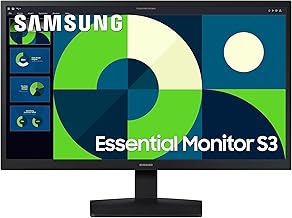


A computer monitor is an important part of any desktop setup. Whether you work from home, study, edit photos, play games or simply need a reliable screen for everyday computing, the right display can make a noticeable difference. Monitor specifications vary widely, so it is worth considering how and where you plan to use your screen before choosing a model.
For UK shoppers, monitor size, desk space, connectivity and viewing comfort are often practical considerations. A compact display can work well on a smaller desk, while a larger screen can provide more room for documents, applications and entertainment. Some users may also prefer an ultrawide monitor for keeping several windows open side by side without using multiple displays.
Screen size is normally measured diagonally in inches. Common choices include 24-inch, 27-inch and larger monitors. A 24-inch monitor can be a practical option for general office work and study, while a 27-inch screen offers additional workspace without taking up the space of a very large display.
Resolution also affects how sharp content appears. Full HD is widely used for everyday computing, while Quad HD can provide greater detail and desktop space. 4K monitors offer a higher pixel density and can be particularly useful for detailed creative work, high-resolution media and users who want a crisp desktop experience.
Gaming monitors are designed around features that can make fast-moving games feel more responsive. Refresh rate is an important specification, with higher refresh rates allowing the screen to update more frequently. Response time, adaptive sync support and suitable connectivity can also be important when building a gaming PC setup.
The best gaming monitor depends on the hardware and games you use. A high-resolution display may suit visually demanding single-player games, while a fast refresh rate can be especially attractive for competitive titles. Matching the monitor to the capabilities of your graphics card can help you get better value from your setup.
A suitable monitor can make long working sessions more convenient by providing enough space for documents, browsers, spreadsheets and communication tools. A larger screen or dual-monitor arrangement can reduce the need to constantly switch between windows.
For office use, consider features such as an adjustable stand, height adjustment, tilt, screen positioning and connectivity. HDMI and DisplayPort are common connections, while USB ports can be useful for compatible peripherals. Some monitors also include USB-C connectivity, which can simplify connections with suitable laptops and other devices.
Monitor panels use different technologies, each with its own strengths. IPS displays are often chosen for their viewing angles and consistent colour reproduction. VA panels can provide strong contrast, making them useful for entertainment and general use. TN technology has traditionally been associated with fast response characteristics and gaming-focused displays.
Brightness, contrast and colour coverage are also worth considering. If you work with photographs, video or graphic design, colour accuracy can be more important than simply choosing the largest screen. For standard office tasks, a balanced display with comfortable brightness and clear text may be the higher priority.
An ultrawide monitor provides additional horizontal screen space in a single display. This can be useful for productivity, timeline-based creative software, spreadsheets and immersive gaming. It can also reduce the visual gap that appears between two separate monitors.
Alternatively, using two monitors can provide a flexible workspace for users who frequently work across several applications. Before choosing a larger or multi-screen setup, check the available desk space, computer outputs and mounting requirements.
Checking connections before buying a monitor can help avoid compatibility problems. HDMI is common across computers, laptops, consoles and other devices, while DisplayPort is widely used with desktop PCs and gaming hardware. USB-C can offer convenient connectivity for compatible laptops, although the capabilities of USB-C ports vary between monitors.
It is also useful to check whether the chosen monitor supports the resolution and refresh rate you want through your preferred connection. Your computer or graphics card must also be capable of outputting the required signal.
There is no single monitor specification that suits everyone. Think about your main activities, available desk space and existing computer hardware before making a decision. Office users may prioritise comfortable viewing and useful connectivity, gamers may focus on refresh rate and response time, while creative users may place greater emphasis on resolution and colour performance.
By comparing these features carefully, you can narrow down the options and choose a computer monitor that provides the right balance of screen space, image quality, performance and practicality for your UK setup.
Find the right computer monitor for your workspace, gaming setup, study area or home office. Compare important features such as screen size, resolution, refresh rate, panel technology, connectivity and ergonomic design to choose a display that suits your everyday needs.