

♥ Wishlist


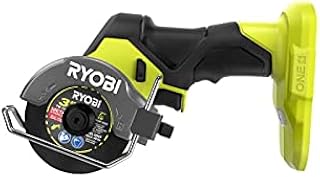


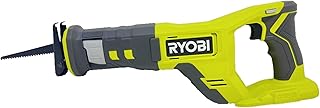


Ryobi cordless reciprocating saws are designed for users who want flexible cutting performance without relying on a mains power connection. The reciprocating blade moves rapidly backwards and forwards, allowing the saw to tackle a variety of cutting applications. This makes the format particularly useful for repair, renovation, demolition and garden maintenance.
For UK homeowners and DIY enthusiasts, cordless operation can make everyday cutting tasks easier to manage. There is no long power cable to position around the work area, while a cordless body can be convenient when working away from sockets. The compact format also makes a reciprocating saw useful for cutting in areas where a larger saw may be difficult to position.
The material a reciprocating saw can cut depends on the blade fitted and the capabilities of the particular model. With an appropriate blade, these saws can be used for tasks involving timber, plastic, metal and garden growth. They can be useful for cutting wooden sections during renovation projects, removing old materials and trimming branches.
Blade selection is important because different materials require different tooth patterns and cutting characteristics. A coarse blade can be useful for suitable wood-cutting applications, while blades designed for metal can provide a more appropriate cutting edge for pipes, sheet materials and other compatible metalwork.
One of the main advantages of cordless reciprocating saws is freedom of movement. Without a mains cable, the tool can be carried around a garden, workshop, garage or building site without searching for a nearby socket. This can also reduce cable management when working in confined areas.
Cordless operation is especially useful for outdoor maintenance. A suitable Ryobi reciprocating saw can be used for tasks such as cutting branches or dismantling unwanted timber, provided the correct blade and safe working method are used. Battery-powered operation can also make short jobs convenient because there is less preparation before starting.
Battery compatibility should be one of the first considerations when choosing a cordless model. If you already use compatible Ryobi cordless equipment, selecting a saw designed around the same battery platform can help simplify your tool collection. Check the product specification carefully to establish whether the battery and charger are included.
Cutting speed affects how quickly a reciprocating saw can work through suitable materials. Control is equally important, particularly when starting a cut or working with different materials. Look for a model whose controls and operating characteristics suit the type of work you regularly undertake.
The availability of suitable replacement blades can influence the versatility of a reciprocating saw. Before purchasing, consider the materials you are likely to cut and check which blade types are compatible. Using the appropriate blade helps achieve more suitable results and can reduce unnecessary wear.
Reciprocating saws are often used for cutting from different positions, so handling matters. A comfortable grip and balanced design can make the tool easier to control during longer tasks. Consider the saw's overall size and weight as well as the type of work you plan to carry out.
A cordless reciprocating saw can be a useful addition to a DIY tool collection. It can assist with dismantling old timber, cutting suitable construction materials and completing repair work where a portable cutting tool is more convenient than a larger saw. Its ability to accept different blades also gives it a broad range of potential applications.
For home improvement projects, planning the cutting task before starting is important. Select a blade appropriate for the material, secure the workpiece where possible and make sure there is enough clearance around the cutting area. Always follow the manufacturer's operating and safety instructions.
Reciprocating saws can also be useful for selected garden maintenance tasks. A suitable pruning or wood-cutting blade may help with branches and other garden materials within the tool's recommended cutting capacity. Cordless operation can be particularly convenient outdoors because there is no mains cable trailing across the garden.
For thicker branches or demanding cutting jobs, always check the tool's stated capabilities and choose a blade designed for the intended material. A reciprocating saw should complement, rather than replace, purpose-built garden equipment when a particular task requires it.
Start by identifying the work you expect the saw to perform. If your main requirement is occasional DIY cutting, portability and ease of handling may be priorities. If you expect to use the saw frequently for renovation or heavier applications, consider cutting performance, battery capacity, ergonomics and compatible blade options more closely.
It is also worth checking what is supplied with the product. Some cordless tools may be sold as body-only products, while other packages can include batteries, chargers or accessories. Comparing the complete specification helps ensure the saw fits your existing equipment and intended workload.
Ryobi cordless reciprocating saws are a versatile option for UK users looking for portable cutting equipment for DIY, maintenance, renovation and suitable garden applications. When comparing options, focus on battery requirements, blade compatibility, handling and the materials you need to cut.
Choosing a saw that matches your typical jobs can make everyday cutting tasks more convenient. Always use the correct blade, inspect the tool before use and follow the manufacturer's safety guidance for the specific model.
Ryobi cordless reciprocating saws offer a practical cutting solution for DIY projects, renovation work, garden tasks and general maintenance. With a cordless design, these saws can be used without being restricted by a mains cable, making them useful when working outdoors, in awkward spaces or around a property.Whether you need to cut timber, branches, plastic, metal or other suitable materials, a Ryobi cordless reciprocating saw can provide the versatility needed for a wide range of jobs. Choosing the right model involves considering cutting performance, battery compatibility, blade selection, handling and the type of work you expect to undertake.