

♥ Wishlist
Compare 12 verified Bosch Lawnmower products in United Kingdom. Reviews, ratings, pros, cons and buying advice updated for November 2026.
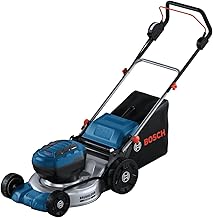


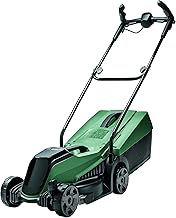


Choosing a Bosch lawnmower is less about finding a single model that is universally “best” and more about matching the mower to the size, layout and condition of your lawn. Garden dimensions, grass length, cutting frequency, storage space, power source, collection requirements and the amount of edging or awkward ground you need to tackle can all influence which specification makes the most sense.
Bosch has a broad lawn-care range spanning lightweight cordless machines, mains-powered electric mowers and more capable models designed for larger or more demanding gardens. When comparing options, it is worth looking beyond headline cutting width or battery voltage. The practical details — including battery compatibility, cutting-height adjustment, grassbox capacity, handling, storage and the availability of replacement components — can have just as much influence on everyday usability.
This guide provides an independent framework for comparing Bosch lawnmowers in the UK. It focuses on the specifications and characteristics that matter when researching products, while also explaining where competing brands such as Flymo, Mountfield, Einhell, STIHL, Husqvarna and Makita may enter the comparison.
The right Bosch lawnmower should have enough cutting capacity for your lawn without becoming unnecessarily large, heavy or expensive for the job. For smaller gardens, a compact electric or cordless mower can be easier to manoeuvre and store. Medium-sized lawns often benefit from a wider deck, useful grass collection capacity and cordless convenience. Larger gardens require greater attention to battery runtime, charging arrangements, cutting width and overall working efficiency.
Before comparing individual products, identify the type of mower that best fits the way you use your garden. Bosch lawnmowers can differ substantially in how they are powered and how they are intended to be used. A mower that is ideal for a small suburban lawn may be less suitable for a large garden with long grass, while a larger machine can introduce unnecessary weight and storage demands when used on a compact plot.
Cordless lawnmowers are particularly attractive when freedom of movement is important. Without a mains cable trailing across the lawn, there is less need to plan the mowing route around an extension lead or outdoor socket. This can be useful around trees, garden furniture, borders and other obstacles.
The main specification to investigate is not simply the battery voltage. Battery capacity, mower efficiency, grass conditions, cutting width, selected cutting height and mowing technique can all affect practical runtime. Manufacturers may publish runtime information under particular conditions, so published figures should be treated as guidance rather than a guarantee for every garden.
Battery compatibility can also be important. If you already own compatible Bosch cordless garden tools, check whether the mower belongs to the same battery platform before purchasing. A bare-tool mower and a kit containing batteries and a charger are materially different purchases, so compare the package contents carefully.
Mains-powered electric lawnmowers can be a practical choice where a suitable outdoor power supply is available. Their key advantage is that mowing does not depend on a rechargeable battery reaching its remaining capacity limit.
The trade-off is cable management. The power lead needs to remain safely positioned while mowing, and the working area is constrained by the available cable length and electrical supply arrangement. For gardens with narrow passages, multiple obstacles or separated lawn areas, this can make cordless equipment more convenient.
Small gardens often reward simplicity. A compact mower can be easier to turn around flower beds, navigate through narrow access points and carry into storage. A smaller cutting deck can also make it easier to reach corners and areas around garden features.
However, compact does not automatically mean unsuitable for demanding grass. Check the available cutting-height range, collection system, motor or battery specification and recommended usage before deciding. A mower that is easy to carry but struggles with long, damp or dense grass may not provide the best overall experience.
Medium-sized lawns are where specification balance becomes particularly important. A wider cutting width can reduce the number of passes required, but excessive width may make the machine harder to manoeuvre in confined areas.
For this category, compare cutting width with grassbox capacity, battery runtime where applicable, mower weight and handle design. If the garden contains several trees, beds or lawn sections, manoeuvrability may be more valuable than choosing the widest available deck.
Large lawns increase the importance of productivity and energy management. With cordless equipment, battery capacity and the ability to charge or use additional compatible batteries become central considerations. With mains-powered machines, cable management and access to a suitable power supply become more significant.
A wider cutting deck can reduce the number of passes, but the mower must still be manageable for the terrain. If the lawn has slopes, uneven sections or narrow routes, a specification that looks efficient on paper may not necessarily be the easiest option in practice.
Cutting width determines how much grass the mower cuts in a single pass. A wider deck can improve mowing efficiency because fewer passes may be required across an open lawn.
That does not mean the widest mower is automatically the best choice. Consider the geometry of the garden as well as its total area. A lawn containing narrow strips, curved borders, trees, raised beds or garden furniture may benefit from a more compact mower.
When comparing Bosch models, assess cutting width alongside mower dimensions. The external width of the machine matters when passing through gates, sheds, side passages and storage areas.
Cutting-height adjustment allows the mower to leave grass at different heights. This is important because lawns should not necessarily be maintained at one extremely short setting throughout the year.
Shorter settings can produce a closely maintained appearance when conditions are suitable, while a higher setting can be useful when grass is longer, weather conditions are challenging or the lawn requires less aggressive cutting. The exact settings available vary between mower models, so check the individual specification rather than assuming all Bosch machines offer the same range.
When evaluating height adjustment, consider how quickly and easily the setting can be changed. A system that is convenient to operate can be more useful in practice than a specification offering numerous positions that are awkward to adjust.
The grassbox is an easily overlooked specification until you have to empty it repeatedly. A larger collection capacity can reduce interruptions, particularly when mowing a larger lawn.
Collection efficiency is also relevant. A mower needs to move cuttings into the grassbox effectively, and very wet or long grass can behave differently from dry, regularly maintained grass. Do not judge a collection system solely by the stated capacity.
For cordless Bosch lawnmowers, battery specifications deserve careful attention. Voltage is only one part of the equation. Battery capacity, measured in ampere-hours on compatible battery systems, provides additional information about stored electrical energy, but runtime cannot be predicted from capacity alone.
Runtime can be influenced by grass density, grass height, cutting width, cutting height, terrain, temperature, battery condition and the way the mower is operated. A lawn that is regularly maintained may require considerably different energy use from a neglected lawn with long, dense growth.
When comparing cordless options, check:
Cordless garden tools are often sold in different configurations. A product may be supplied as a body-only machine, sometimes referred to as a bare tool, or as a complete kit containing one or more batteries and a charger.
Always check the contents before comparing prices. A cheaper bare-tool package may represent good value if you already own compatible batteries and a charger. For a new cordless user, however, the complete kit may be the more relevant comparison because the battery and charging equipment are essential to operation.
This distinction is particularly important when comparing Bosch cordless lawnmowers with other cordless systems from brands such as Makita, Einhell or STIHL. Battery ecosystems are generally brand- and platform-specific, so never assume that batteries are interchangeable merely because they have similar voltage ratings.
Motor specifications can help explain how a lawnmower is designed to operate, but headline power figures should not be considered in isolation. The mower's cutting system, blade design, deck construction, airflow, battery system and control electronics can all contribute to practical cutting behaviour.
For regular domestic mowing, consistent cutting performance may be more useful than chasing the largest theoretical power figure. If your lawn regularly becomes long or contains dense growth, pay closer attention to the manufacturer's intended use and cutting-height range.
Long grass presents a greater challenge than a regularly maintained lawn. Damp conditions can also make mowing harder because wet cuttings are heavier and can interfere with collection.
If your lawn is frequently overgrown, avoid selecting a machine purely because it is lightweight or compact. Instead, compare its cutting system, available height settings, motor characteristics, manufacturer guidance and intended operating conditions.
For very long grass, it may be preferable to raise the cutting height first and reduce the grass gradually rather than attempting to remove a large amount of material in one pass. This approach can reduce the load placed on the mower and help produce a cleaner result.
Weight matters, but it is not the only factor determining how easy a mower is to handle. Handle geometry, wheel arrangement, deck dimensions and balance can influence how naturally the machine turns and changes direction.
When comparing specifications, consider the complete handling package:
Garden storage can be just as important as mowing performance. A mower that fits comfortably in a large shed may be awkward in a compact garden store or garage.
Check the mower's dimensions and folded dimensions where these are provided. Also consider whether the grassbox, handle and power components can be stored efficiently without creating unnecessary clutter.
Cordless models can remove the need to store long extension leads, while mains-powered mowers may require suitable cable storage. Battery-powered machines also introduce batteries and chargers that need a dry, appropriate storage location according to the manufacturer's instructions.
Wheel design becomes increasingly relevant when a lawn is uneven, sloped or interrupted by multiple garden features. On a simple flat lawn, most domestic mowers can be relatively straightforward to manoeuvre. More complex terrain increases the value of good balance and predictable movement.
Before buying, consider whether your garden includes:
The more obstacles you have, the more important manoeuvrability becomes relative to maximum cutting width.
The blade is a critical wear component. A mower may have an efficient motor and well-designed deck, but a damaged, excessively worn or poorly maintained blade can affect cutting quality.
Follow the manufacturer's instructions for blade inspection, removal, sharpening and replacement. Do not work underneath a mower while it is connected to a power source or otherwise capable of starting. For cordless machines, follow the manufacturer's procedure for removing or isolating the battery before carrying out maintenance.
Never assume that a replacement blade is suitable simply because its dimensions appear similar. Compatibility should be confirmed against the mower's specific model information.
The mower deck houses the cutting system and is exposed to grass, moisture, soil particles and general garden debris. Construction materials and design can therefore influence long-term ownership considerations.
When comparing models, consider the overall build rather than focusing on one material specification. A well-designed lightweight mower may be more convenient for a domestic garden, while a more substantial construction may appeal to users who prioritise robustness.
Plastic and polymer components are not automatically inferior, just as a heavier deck is not automatically better. The appropriate choice depends on how the mower is intended to be used and how much importance you place on weight, durability and ease of handling.
Grass clippings can be handled in different ways depending on the mower's design and available functions. Collection is straightforward for gardeners who want the lawn surface left clear. Mulching, where supported by the mower and appropriate conditions, returns finely processed grass material to the lawn.
Do not assume that every Bosch lawnmower supports the same mowing modes. Always check the individual model specification before purchasing if mulching or another cutting mode is an essential requirement.
Electric and cordless lawnmowers are generally considered convenient for domestic garden use, but all powered lawnmowers produce operating noise. If you live close to neighbours, mowing time and frequency may matter as much as the mower itself.
Noise specifications can be useful when published, but they should be interpreted carefully because perceived noise depends on distance, surrounding structures, grass conditions and operating environment.
When comparing several Bosch models, create a shortlist based on the features that genuinely affect your garden rather than simply choosing the product with the longest specification list.
Bosch is not the only established manufacturer worth considering when researching a lawnmower. Depending on your requirements, it can be useful to compare its specifications with alternatives from Flymo, Mountfield, Einhell, STIHL, Husqvarna and Makita.
Flymo has a strong presence in the UK domestic lawnmower market, including lightweight electric and cordless garden equipment. When comparing Flymo and Bosch, look beyond brand familiarity and assess cutting width, mower weight, power source, collection arrangements, storage and battery compatibility.
Mountfield offers a broad selection of garden machinery, including lawnmowers aimed at different garden sizes and applications. A Bosch versus Mountfield comparison should therefore be based on the specific mower specifications rather than brand reputation alone. Consider power type, cutting width, collection capacity, adjustment system, weight and intended garden size.
Einhell is particularly relevant to shoppers considering cordless garden equipment and shared battery ecosystems. If you already own cordless tools, compare the battery platforms before deciding. The ability to use existing compatible batteries can change the overall value proposition of a mower.
STIHL offers a broad outdoor power equipment range, including cordless garden machinery. When comparing STIHL and Bosch lawnmowers, examine the individual machines' specifications, battery systems, cutting capacity, handling and intended use rather than assuming one manufacturer is universally better.
Husqvarna is well known for outdoor power equipment and lawn-care products. A comparison is most useful when the products occupy a similar category. Pay attention to cutting capacity, power source, automation or additional functionality where applicable, maintenance requirements and the type of garden each machine is designed to handle.
Makita is another important option for users already invested in a compatible cordless tool platform. For cordless mower comparisons, battery compatibility, available battery capacity, charger requirements and the wider tool ecosystem can be as important as the mower itself.
Many poor purchasing decisions happen because the mower is selected according to one headline specification instead of the complete garden requirement.
A wide cutting deck can be efficient on open lawns but cumbersome around obstacles. Match the width to the garden layout rather than assuming bigger is always better.
If buying a cordless mower, check the exact battery platform. Similar-looking batteries are not necessarily interchangeable.
A mower supplied without batteries or a charger should not be compared directly with a complete kit without accounting for the missing equipment.
Measure your available shed, garage or storage area before buying. Remember to account for the mower's handle and grassbox arrangement.
Light weight can improve portability, but it does not automatically indicate suitability for long, dense or neglected grass. Match the mower to the actual condition of the lawn.
Blades, grassboxes, wheels, decks, batteries and other components require appropriate care. Read the manufacturer's maintenance instructions before buying and consider the availability of correct replacement parts.
A practical way to narrow the selection is to start with the garden rather than the product catalogue.
Regular maintenance can help keep a lawnmower operating as intended and makes it easier to identify developing problems. Always follow the model-specific instructions supplied by Bosch because maintenance procedures can vary between machines.
Inspect the blade periodically for wear, damage and excessive dullness. A blade should be sharpened or replaced only according to the manufacturer's guidance and using appropriate equipment or a qualified service provider where necessary.
For cordless models, follow the battery manufacturer's charging, storage and temperature guidance. Avoid exposing batteries to unsuitable conditions and use only compatible charging equipment.
For mains-powered lawnmowers, inspect the power cable and plug for visible damage before use. A damaged electrical cable should not be used. Follow applicable safety guidance and the manufacturer's instructions.
Lawn conditions change throughout the year. The mowing approach that works during a period of active growth may not be appropriate during colder, wetter or unusually dry conditions.
During periods of rapid growth, regular mowing can help prevent the grass from becoming excessively long. In wet conditions, postponing mowing may be preferable where practical because wet grass can be more difficult to cut and collect effectively.
During dry conditions, avoid unnecessarily aggressive cutting. A higher cutting height can sometimes be more appropriate for maintaining the lawn's appearance and reducing stress on the grass, subject to the needs of the particular lawn.
When researching individual Bosch lawnmowers online, build a consistent comparison checklist. This makes it easier to identify meaningful differences between models and avoid being distracted by marketing terminology.
Customer reviews can provide useful information, but they should be interpreted alongside technical specifications. A positive review from someone with a small, flat lawn may not be relevant to someone managing a large sloping garden.
Look for recurring comments about characteristics that are directly relevant to your requirements. Useful review themes can include assembly, handling, battery life, grass collection, height adjustment, storage and ease of cleaning.
Be cautious about treating an individual review as proof of universal performance. Customer expectations, lawn conditions, mowing frequency and product configurations can differ substantially.
Before purchasing, ask yourself a few practical questions:
A cordless Bosch mower can be particularly appealing when unrestricted movement is a priority or when you already use compatible Bosch cordless garden tools. Eliminating a mains cable can simplify mowing around obstacles and reduce cable-management considerations.
The most important question is whether the battery arrangement matches the garden. For a larger lawn, consider the complete battery and charging strategy rather than relying solely on the stated voltage.
A mains-powered mower can be attractive where continuous electrical operation is more useful than cordless flexibility. It may suit a garden where a suitable power supply is readily available and the mowing area can be reached without difficult cable routing.
The main disadvantage is managing the cable safely. Garden layout should therefore be considered before choosing this type of mower.
For ordinary domestic mowing, a good mower is one that fits the lawn without creating unnecessary compromises. It should provide an appropriate cutting width, a useful cutting-height range, practical collection capacity and manageable handling.
For cordless users, dependable battery compatibility and a sensible charging arrangement are particularly important. For all mower types, ease of cleaning, storage and routine maintenance should form part of the buying decision.
The purchase price is only one part of the ownership equation. Consider the equipment and maintenance requirements that may arise over time.
Checking these factors before purchase can help avoid choosing a mower that appears attractive initially but becomes inconvenient because of its long-term requirements.
Lawnmowers contain moving cutting components and should be operated carefully. Read the manufacturer's instructions before first use and use the recommended protective equipment and operating procedures.
There is no single Bosch lawnmower that is best for every garden. The right model depends on lawn size, terrain, grass condition, cutting width, power source, battery requirements, storage space and collection needs. Compare the specifications of models that fit your particular garden rather than selecting solely by overall rating or price.
They can be a strong option for gardeners who value cable-free operation and convenient manoeuvrability. Their suitability depends on battery compatibility, runtime requirements, lawn size and the conditions in which the mower will be used.
Compatibility depends on the specific Bosch battery platform and the individual tools involved. Check the manufacturer's compatibility information rather than assuming that all Bosch batteries work across every cordless product.
Not necessarily. Voltage is only one part of a cordless mower's specification. Battery capacity, motor and cutting-system design, mower efficiency, cutting width and the conditions in which the machine is used all influence practical performance.
Choose a width that suits both the size and layout of your lawn. Wider cutting decks can reduce the number of passes on open lawns, while narrower machines can be easier to manoeuvre around obstacles and in confined areas.
Not necessarily. A larger grassbox means fewer emptying interruptions, but it can also contribute to overall mower size and weight. Choose a capacity that matches your lawn and your preferred handling characteristics.
Suitability varies by model. Check the manufacturer's intended use, cutting-height range and operating guidance. For significantly overgrown grass, it may be more appropriate to raise the cutting height and reduce the grass gradually rather than attempting a very low cut in one pass.
For many domestic lawns, cordless technology can provide a practical alternative to petrol equipment, but suitability depends on garden size, grass conditions, runtime requirements and the mower's specifications. Larger or particularly demanding lawns may require a different type of machine.
There is no universal replacement interval because blade wear depends on mowing frequency, grass conditions and contact with hard objects. Inspect the blade regularly and follow Bosch's model-specific maintenance and replacement guidance.
If returning finely processed grass clippings to the lawn is important to you, mulching capability may be useful. However, availability and operation vary between models, so confirm that the exact mower supports the function before buying.
Check the exact battery platform, batteries supplied, charger included or excluded, battery capacity, compatible additional batteries, cutting width, grassbox capacity, cutting-height range, mower weight and the manufacturer's recommended application.
Several Bosch mower configurations can suit smaller gardens, but the best choice depends on the garden layout. Compact dimensions, manageable weight, easy turning and straightforward storage can be particularly valuable where lawn space is limited.
Compare equivalent mower categories using the same criteria: cutting width, power source, battery platform, grassbox capacity, cutting-height range, weight, dimensions, intended lawn size, maintenance requirements and package contents. Brand name alone does not determine which mower is best for an individual garden.
The best Bosch lawnmower is ultimately the one whose specifications make sense for the way your garden is actually maintained. Start with lawn size and layout, then consider cutting width, power source, grass collection, battery requirements, handling and storage. Only after these practical requirements have been established should price and additional features become deciding factors.
For cordless models, investigate the complete battery ecosystem rather than looking at voltage alone. For mains-powered models, assess cable management and outdoor power access. For either type, check cutting-height adjustment, grassbox capacity, mower dimensions, maintenance requirements and replacement-part information.
When comparing products in 2026, specifications and package contents can change between individual listings and product configurations. Before making a purchase, verify the exact model number, current specification, included accessories, current retailer price and latest customer feedback. This provides a more reliable basis for commercial comparison than relying on a generic “best lawnmower” ranking.