
♥ Wishlist
Compare 46 verified Makita Cordless Sanders products in United Kingdom. Reviews, ratings, pros, cons and buying advice updated for October 2026.


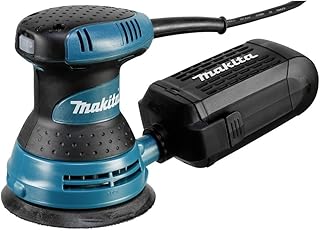


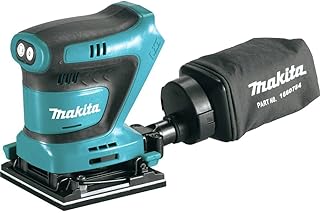


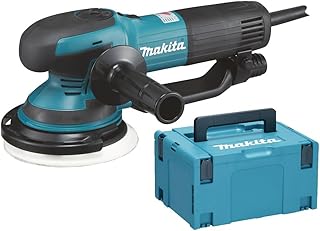
Makita's cordless sanding range covers several distinct approaches to surface preparation, from compact random orbit sanding to traditional finishing work and more specialised belt-sanding applications. The important point when comparing the best Makita cordless sanders in the UK is that there is no single specification that makes one model suitable for every job. Sanding performance depends on the type of movement, pad or abrasive format, speed control, dust extraction, ergonomics, battery platform and the material being worked.
For example, the Makita DBO180 is an 18V LXT random orbit sander with a 125 mm sanding disc, a 2.8 mm sanding orbit and three speed settings. Makita specifies an operating range of 7,000 to 11,000 orbits per minute and a tool weight of approximately 1.4–1.7 kg with battery, depending on the battery fitted. These characteristics make it fundamentally different from a finishing sander such as the DBO381, which uses a rectangular sanding sheet format and is designed around controlled finishing work.
That distinction matters when reading product listings and customer reviews. A powerful-looking cordless sander may still be the wrong choice if its sanding pattern, abrasive attachment system or working area does not match the job. The most useful comparison is therefore not simply “which Makita sander is best?”, but “which Makita cordless sanding system is best suited to the material, finish and workload I actually have?”
Random orbit sanders combine orbital movement with rotation of the sanding disc. This makes them versatile general-purpose machines for removing surface imperfections, preparing timber, smoothing filled areas and producing a relatively refined finish when the correct abrasive sequence is used.
The Makita DBO180 is a useful example of this category. Its 125 mm sanding disc, 2.8 mm orbit and three-speed control give the operator more control over how aggressively the abrasive works. Makita also specifies through-the-pad dust collection and a vacuum connection measuring 25/31 mm.
A random orbit sander is often the most versatile cordless option for someone who wants one machine for furniture, timber panels, doors and general workshop work. It is not, however, automatically the best solution for corners, narrow edges or very aggressive stock removal.
Finishing sanders are designed around a different style of work. Rather than using a circular disc, they generally use rectangular abrasive sheets, making them particularly useful when a controlled, even finish is the priority.
The Makita DBO381 is an 18V LXT finishing sander with a 93 x 228 mm sanding format, brushless motor and variable speed operation from 4,000 to 12,000 orbits per minute. Makita also lists AWS compatibility, a detachable front grip for corner sanding and a dust collection system incorporating a vacuum adaptor.
For furniture preparation, joinery and fine surface finishing, a finishing sander can make more sense than buying a random orbit model simply because the latter is more widely advertised.
Belt sanders occupy a different part of the sanding spectrum. They are designed for comparatively rapid material removal and are generally selected when productivity and stock removal are more important than delicate finishing.
Makita also produces cordless belt-sanding equipment, including the DBS180, which is listed in Makita's UK vibration and noise documentation as a cordless belt sander. The manufacturer's published data identifies sanding metal plate as the declared test application.
A belt sander should not be viewed as simply a more powerful version of a random orbit sander. Its abrasive belt and sanding action behave differently, and the operator has to manage material removal carefully to avoid taking away more material than intended.
One of the strongest reasons to compare Makita cordless sanders by platform rather than by tool alone is battery compatibility. The DBO180 and DBO381 are both identified by Makita as 18V LXT machines.
If you already own compatible Makita LXT batteries and chargers, a bare-tool purchase can make more practical sense than buying another battery and charger unnecessarily. Conversely, someone starting from scratch should calculate the cost of the complete system rather than comparing bare-tool prices alone.
Battery capacity can also influence the balance and feel of a sander. A larger battery may increase runtime potential while adding weight to a tool that is already being held against a workpiece. For extended overhead or vertical sanding, overall balance can therefore be more important than simply choosing the largest available battery.
Voltage identifies the tool's battery system, but it does not by itself tell you which sander will perform best for a particular job. Platform compatibility, battery availability, weight and the type of work should all be considered together.
Orbital speed affects how aggressively a sander works and how controllable it feels. A wide speed range can be useful because different materials and abrasives respond differently to sanding speed.
For reference, Makita specifies 7,000–11,000 orbits per minute for the DBO180, while the DBO381 is specified at 4,000–12,000 orbits per minute. These figures should not be compared in isolation because the machines use different sanding formats and are intended for different applications.
Orbit diameter describes the movement of the sanding mechanism. A larger orbit can influence material removal and sanding behaviour, while a smaller orbit can be advantageous where controlled finishing is the priority.
The DBO180 has a specified sanding orbit diameter of 2.8 mm, whereas the DBO381 has a 2.0 mm sanding orbit diameter. This illustrates why specification comparisons need to account for the complete sanding mechanism rather than focusing on one headline number.
The abrasive format determines the area covered on each pass and affects the cost and convenience of replacement abrasives.
The DBO180 uses a 125 mm sanding disc, while the DBO381 uses a 93 x 228 mm finishing-sander format.
Before choosing a model, check the abrasive format you can readily obtain in the grit grades you need. A machine can be excellent on paper but inconvenient if the required abrasive sheets or discs are difficult to source.
Dust management is one of the most important practical considerations when buying a cordless sander. Sanding generates fine airborne particles and leaves a substantial amount of residue on the workpiece and surrounding area.
The DBO180 is specified with through-the-pad dust collection and a 25/31 mm vacuum connection. The DBO381 incorporates a dust bag and vacuum adaptor, and Makita identifies it as compatible with the AWS Bluetooth system for compatible vacuum cleaners.
Dust extraction is not merely a convenience feature. It can improve visibility of the workpiece, reduce the amount of dust settling around the workshop and make clean-up easier. It can also be particularly important when sanding coatings, fillers, composites or other materials where airborne dust needs careful control.
A sander with an effective extraction connection can be significantly more useful in a workshop than a model that leaves most of the dust around the work area. However, the actual result depends on keeping extraction passages clear, using appropriate abrasives and maintaining the dust collection equipment.
When comparing models, do not assume that a dust bag and a connected workshop vacuum provide identical results. They are different collection approaches, and the most suitable choice depends on how frequently you sand and the environment in which you work.
Motor type is another specification worth considering. Brushless motors eliminate conventional carbon brushes and can offer advantages in efficiency, durability and electronic control, depending on the tool design.
The Makita DBO381 is specifically listed with a brushless motor.
However, brushless should not automatically be treated as synonymous with better sanding results. The sanding mechanism, abrasive, speed control, extraction, ergonomics and intended application remain equally important.
Sanding is often repetitive work, so handling characteristics can have a major effect on practical usability. A specification sheet may list a low tool weight, but the final handling experience also depends on the battery fitted, grip position, centre of gravity and pressure required during use.
Makita lists the DBO180 at approximately 1.4–1.7 kg with battery and the DBO381 at approximately 1.9–2.2 kg with battery. These figures show that two 18V LXT sanders can have noticeably different weight characteristics because their designs and sanding formats differ.
Noise and vibration figures are useful comparison data, but they should be interpreted correctly. Manufacturer figures are normally measured under specified test conditions and should not be treated as a guarantee of the exact noise or vibration experienced in every workshop.
Makita's published technical documentation provides vibration and noise data for several cordless sanding models. For example, its published DBO180 product information lists a sound pressure level of 77 dB(A), while the UK vibration documentation provides declared vibration information for the model.
The DBO381 product information lists a sound pressure level of 72 dB(A). Because the machines differ in design and application, noise figures should be treated as one part of the comparison rather than as a simple indication that one tool is universally “quieter” in practical use.
Appropriate hearing protection and sensible exposure management remain important when using power sanders, particularly during prolonged work.
For furniture restoration, control is usually more important than maximum stock removal. A random orbit sander can be versatile for broad surfaces, while a finishing sander can be useful where a more controlled rectangular sanding pattern is preferred.
For delicate restoration work, avoid choosing a machine solely because it has the highest advertised speed. The abrasive grit, pressure, speed and sanding sequence have a major influence on the result.
Large flat timber surfaces are a natural application for cordless sanders. A random orbit machine can provide a good balance between productivity and finish, while a finishing sander can be advantageous where rectangular abrasive sheets and edge access are priorities.
When the job involves substantial material removal, consider whether a belt sander is more appropriate. Random orbit and finishing sanders can remove material, but they are not interchangeable with machines specifically designed for rapid stock removal.
For paint preparation, surface consistency is critical. The correct sanding sequence generally matters more than simply selecting the most powerful machine. Start with an abrasive suitable for the condition of the surface and progressively move towards finer grades as required.
Edge access should be considered before choosing the machine. A rectangular finishing sander may be more convenient for certain edge and corner applications, while a circular random orbit sander is naturally better suited to broad open areas.
The sander is only half of the sanding system. Abrasive grit selection has a direct influence on material removal, scratch pattern and final surface quality.
The correct sequence depends on the material, coating, existing surface condition and desired finish. There is no single grit progression that is appropriate for every woodworking or renovation application.
Voltage is an important compatibility specification, but it does not define sanding performance. A finishing sander and a random orbit sander can share an 18V platform while being designed for very different work.
Always check whether the machine uses discs, sheets or belts and confirm that replacement abrasives are practical for your workload.
Maximum speed is not always the objective. Some applications benefit from slower, more controlled sanding, particularly when working near edges or on materials where excessive abrasion can quickly alter the surface.
Bare-tool listings can appear attractive until the cost of a suitable battery and charger is added. Existing Makita owners should check compatibility, while new users should calculate the complete system requirement.
Ignoring extraction can lead to a messier working environment and more time spent cleaning. If the tool will be used regularly indoors or in a workshop, extraction should be treated as a core buying criterion rather than an optional extra.
A heavier machine may be perfectly manageable for short jobs but become tiring during extended sanding. Weight, battery size and balance should therefore be considered together.
The DBO180 and DBO381 are useful examples of why “best Makita cordless sander” depends on the application. The DBO180 is a 125 mm random orbit sander with a 2.8 mm orbit and three speed settings. The DBO381 is a rectangular-pad finishing sander with a 93 x 228 mm sanding format, a 2.0 mm orbit and brushless motor.
Neither design should be considered universally superior. The better choice is the machine whose sanding action, abrasive format and ergonomics match the work.
For tradespeople and workshop users, the best cordless sander is often the one that integrates most effectively with the tools and extraction equipment already owned. A common battery platform can simplify tool changes, while compatible extraction systems can reduce the number of separate accessories and manual clean-up steps.
Frequent users should pay particular attention to abrasive availability, dust extraction, battery management, grip comfort, vibration information, speed control and serviceability. These factors can matter more over the working life of a tool than a small difference in headline specifications.
It is also sensible to compare the complete ecosystem rather than the sander in isolation. A cordless tool becomes part of a broader system comprising batteries, chargers, extractors, abrasives and storage.
For occasional DIY use, versatility may be more valuable than specialised performance. If your work includes furniture, doors, shelving, timber boards and general renovation, a suitable random orbit sander can cover a broad range of applications.
If your projects are mainly focused on fine finishing and flat timber surfaces, a finishing sander may be the more logical purchase. If you regularly remove substantial quantities of material, investigate whether a belt sander is more appropriate.
A useful comparison should begin with the job rather than the product name. Use the following checklist when assessing different models:
Always read the manufacturer's instructions before operating a cordless sander and use appropriate personal protective equipment for the material and task. Sanding can create significant dust, so adequate ventilation and suitable extraction are important.
Routine maintenance helps preserve consistent sanding performance. Dust is particularly relevant because sanding debris can accumulate around moving parts, ventilation openings and collection passages.
A worn abrasive can make a good cordless sander appear underpowered. Before assuming there is a fault with the tool, check the abrasive condition, extraction path, battery state and workpiece material.
A good cordless sander should match its sanding action to the work, provide controllable performance, manage dust effectively and remain comfortable enough for the duration of the job. Battery compatibility is particularly important for existing Makita users, while first-time cordless buyers should consider the cost and convenience of the complete battery ecosystem.
For general-purpose sanding, a random orbit design such as the DBO180 offers a useful combination of a 125 mm disc, three speed settings and a 2.8 mm sanding orbit. For finishing work, the DBO381 provides a rectangular 93 x 228 mm sanding format, brushless motor, variable speed and AWS compatibility.
The right choice therefore depends on whether your priority is versatility, finishing control, edge access, dust extraction, rapid material removal, low handling fatigue or integration with an existing Makita tool collection.
A random orbit model is often the most versatile category for general woodworking because it can handle a wide range of surface-preparation and smoothing tasks. The Makita DBO180 is one example, with a 125 mm sanding disc, three speed settings and a 2.8 mm orbit.
Neither is universally better. Random orbit sanders are versatile and well suited to broad surface preparation, while finishing sanders can be preferable for controlled finishing and work around certain edges and corners. The correct choice depends on the job.
The DBO180's random orbit design and 125 mm sanding format make this type of machine suitable for many furniture-preparation and woodworking applications. The final result will also depend heavily on abrasive selection, sanding technique, surface condition and extraction.
A random orbit sander uses a circular sanding pad with orbital movement, whereas a finishing sander generally uses a rectangular abrasive sheet and a more straightforward orbital action. Their sanding patterns, abrasive formats and typical applications are therefore different.
Yes. Makita's UK product information identifies the DBO381 as having a brushless motor. It is an 18V LXT finishing sander with a 93 x 228 mm sanding format.
Yes. Makita lists a built-in dust collection system with a vacuum adaptor and states that the DBO381 can connect to compatible vacuum cleaners using its AWS Bluetooth system.
The Makita DBO180 uses a 125 mm sanding disc. Makita specifies a 2.8 mm sanding orbit for the model.
Makita produces cordless sanding equipment for a range of applications, but suitability for professional work depends on the exact model, workload, materials and operating environment. Frequent users should pay particular attention to ergonomics, dust extraction, battery management, abrasive availability and manufacturer specifications.
If you already own compatible batteries and a charger, a bare tool may be the more practical format. If you are entering the battery platform for the first time, compare the complete cost of the tool, battery and charger rather than comparing bare-tool prices alone.
That depends on the sanding category and workload. Random orbit and finishing sanders are designed for different tasks, while belt sanders are more closely associated with rapid material removal. Choosing the appropriate sanding mechanism is more useful than judging capability from voltage alone.
Dust extraction is highly important for many workshop applications because sanding creates fine dust and debris. A compatible extractor and properly maintained collection system can make sanding cleaner and easier to manage.
Check the exact model, battery platform, sanding format, orbit characteristics, speed settings, dust extraction arrangement, tool weight with battery, included accessories and availability of compatible abrasives. Also check the manufacturer's current specifications because model ranges and regional availability can change.
Before choosing among the best Makita cordless sanders available in the UK, work through this checklist rather than relying on a single rating or headline specification.
The strongest buying decision is rarely the model with the longest specification list. It is the Makita cordless sander whose sanding mechanism, battery platform, abrasive system, dust management and ergonomics fit the work you actually intend to perform. For general-purpose work, random orbit models such as the DBO180 are worth comparing; for controlled finishing, the DBO381 represents a distinctly different approach; and for aggressive stock removal, a belt-sanding solution may be more appropriate.
Before purchasing, compare the latest specifications, included equipment, compatible batteries and verified customer feedback for the exact model and UK configuration you are considering. Product availability, specifications and supplied accessories can change, so the current manufacturer and retailer information should always take precedence over older listings or cached descriptions.