

♥ Wishlist
Compare 37 verified Milwaukee Metal Shears products in United Kingdom. Reviews, ratings, pros, cons and buying advice updated for November 2026.


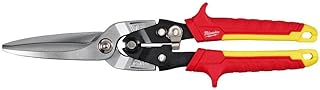


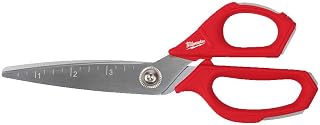


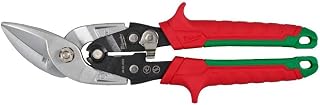


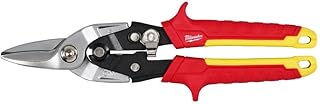
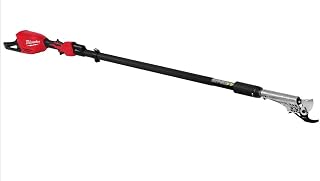


Choosing the right Milwaukee metal shears involves more than comparing headline cutting capacity or battery voltage. The best tool depends on the type of sheet metal being cut, the thickness and profile of the material, the shape of the cuts required, the amount of daily use and whether portability matters more than maximum sustained output.
Milwaukee has developed a broad cordless power-tool ecosystem, making its metal-cutting tools particularly relevant to tradespeople who already use compatible batteries and chargers. However, the most suitable model is not automatically the most powerful or newest option. A professional buying decision should consider cutting geometry, handling, visibility, control, battery platform, consumables, material compatibility and the type of work carried out most frequently.
This guide provides an independent framework for comparing Milwaukee metal shears and similar tools. Product specifications, included accessories, compatibility, retailer availability and current pricing should always be checked against the latest manufacturer and retailer information before purchase.
Metal shears are designed to cut sheet and other relatively thin metal materials using a powered shearing action rather than the abrasive action of a cutting disc. This makes them useful where a clean, controlled cut is required without producing the same type of sparks, abrasive dust or kerf associated with many angle-grinder applications.
Typical applications can include sheet-metal fabrication, HVAC installation, ductwork, roofing work, cladding, electrical installation, vehicle-related fabrication, workshop projects and general construction tasks involving thin metal.
The cutting behaviour depends heavily on the design of the shear. Some tools are intended for relatively straight cuts, while others are better suited to curved or intricate sheet-metal work. Understanding this distinction is essential when comparing products.
One of the most important buying decisions is choosing the correct category of tool. Metal shears are not a universal replacement for nibblers, angle grinders, metal-cutting saws or manual snips. Each cutting method has different strengths.
A grinder fitted with an appropriate cutting disc can handle a wide variety of metal-cutting jobs, particularly where thicker or heavier material needs to be severed. However, a grinder removes material and creates a kerf, while a shear separates the sheet through a cutting action.
For thin sheet metal, a shear can offer a more controlled cutting process and can be easier to manoeuvre around long sheet-metal cuts. A grinder may remain the more versatile choice for mixed fabrication work, thicker stock and applications requiring cutting, grinding and preparation from the same machine.
Nibblers and shears are often considered by professionals working with sheet metal, but they behave differently. A nibbler removes small portions of material as it advances, whereas a shear uses blades to separate the material.
A nibbler can be particularly useful for intricate shapes and certain tight-radius cuts. A shear may be preferable when efficient continuous cutting and a relatively clean edge are more important.
Metal-cutting saws can be advantageous for straight cuts through suitable profiles, tubes, channels and heavier sections. They generally provide a different cutting experience from sheet-metal shears and may be less convenient for freehand trimming of large panels.
Manual snips remain useful for short cuts, occasional work and situations where maximum control is more important than speed. Powered shears become more attractive when long cuts or repeated operations would make manual cutting tiring and inefficient.
Cutting capacity is one of the first specifications worth checking, but it should never be interpreted as a single universal number. The maximum thickness a shear can cut may vary according to the type and grade of metal.
Steel, stainless steel, aluminium and other materials can behave differently under the same cutting mechanism. A tool that is suitable for one thickness of mild steel may have a different practical capability when working with harder materials.
Always compare the manufacturer's stated cutting capacities for the exact material you intend to process. If your work regularly approaches the upper limit, choosing a tool with additional capacity may be more sensible than selecting a model that operates at its maximum capability throughout the working day.
Cutting speed affects productivity, particularly when working on long sheets or completing repetitive fabrication tasks. However, faster is not necessarily better for every application.
A controllable cutting speed can be more valuable than maximum speed when following curves, working around openings or attempting to maintain a precise line. Professionals should therefore consider both the headline speed specification and the degree of control offered during real-world operation.
Different metal shears have different blade arrangements and cutting characteristics. The geometry determines how easily the tool can follow a line, negotiate curves and approach corners.
Before buying, consider whether your work consists primarily of long straight cuts, repeated trimming, curved cuts, internal shapes or a mixture of these operations. A shear that feels excellent for straight sheet cutting may not be the ideal choice for intricate fabrication.
The blades are critical wear components. Their design influences cutting performance, edge quality and the types of material the tool can process.
When comparing Milwaukee metal shears, investigate whether replacement blades or cutting components are readily identifiable for the particular model and whether the manufacturer provides clear guidance regarding replacement and adjustment.
Do not judge a shear solely by its initial cutting performance. Long-term ownership also depends on how straightforward it is to maintain the cutting mechanism and obtain the correct replacement components.
For cordless users, battery compatibility can be one of the strongest reasons to choose a particular Milwaukee metal shear. If you already own compatible Milwaukee batteries and chargers, a bare tool may fit naturally into an established workshop or site setup.
Buyers entering the platform for the first time should calculate the complete system cost rather than looking only at the tool price. A kit containing a battery and charger may represent a different overall proposition from a bare tool.
Brushless motors are widely used in modern professional cordless tools because they can provide efficient power delivery and reduced maintenance compared with traditional brushed motor designs.
However, the presence of a brushless motor should not be treated as the only indicator of tool quality. Cutting mechanism, ergonomics, control, battery management, durability and suitability for the intended material remain equally important.
Good control is particularly valuable when starting a cut, following a marked line or negotiating a curve. A tool that delivers predictable response can be easier to use accurately than one that simply prioritises maximum speed.
Consider how easily the trigger can be operated while wearing appropriate work gloves and whether the controls remain accessible when the tool is held in different orientations.
Metal shears can be used repeatedly during a working day, so ergonomics deserve the same attention as cutting specifications. Weight distribution, handle shape, grip texture and the position of the battery can all affect fatigue.
A well-balanced tool can be easier to guide along a sheet than a heavier tool with an awkward centre of gravity. This becomes increasingly important when making long overhead cuts or working on large panels.
The ability to see the cutting line is a practical feature that can have a major effect on accuracy. A bulky nose or poorly positioned cutting head can obscure the workpiece, particularly when trimming close to an edge.
When comparing models, look for a design that allows the operator to maintain a clear view of both the marked line and the material entering the cutting mechanism.
Integrated LED lighting can be useful in dim workshops, service areas and construction environments. It is a convenience feature rather than a substitute for adequate general lighting, but it can help illuminate the immediate cutting area.
Battery runtime depends on material, thickness, cutting technique, battery capacity, temperature and the amount of continuous cutting being performed. Consequently, runtime claims should be treated as application-dependent rather than a fixed number of hours.
For heavy daily use, having more than one compatible battery can be more useful than attempting to maximise the runtime of a single pack. The ability to rotate charged batteries can reduce interruptions during demanding work.
Voltage identifies the battery platform and electrical architecture rather than providing a complete measurement of cutting performance. A higher nominal voltage does not automatically mean that one shear will outperform every lower-voltage alternative in every application.
Where specified, strokes per minute indicate how rapidly the cutting mechanism cycles. This can provide useful context when comparing tools, but it should be assessed alongside cutting capacity and control.
For users making curved cuts, minimum cutting radius can be more important than maximum straight-line speed. A smaller practical radius can make a tool more capable of following shaped layouts, although the achievable result also depends on the material and operator technique.
Weight matters particularly when cutting vertically, overhead or across large sheets. A lighter tool can reduce fatigue, while a heavier design may sometimes provide a more substantial feel. The best balance depends on the application rather than weight alone.
Compact dimensions can make it easier to work in confined spaces, inside cabinets or around existing installations. However, a compact body does not necessarily mean the cutting head is suitable for every type of access.
Check whether the selected listing is supplied as a bare tool or as a kit. Product names can be very similar while the contents differ significantly. Before ordering, confirm the exact model number, battery quantity, charger inclusion and supplied accessories.
The correct material range depends on the individual shear and its manufacturer's stated specifications. Buyers should not assume that a tool designed for sheet metal is automatically suitable for every metal or thickness.
Material hardness, thickness, surface condition and workpiece geometry can all affect cutting performance. Painted, coated, galvanised or otherwise treated material may also require consideration before selecting a tool and blade configuration.
HVAC professionals often need to make repeated cuts through sheet material while working on-site. In this environment, portability, cutting control, visibility and battery compatibility can be more important than having the highest theoretical cutting capacity.
A cordless design can be particularly convenient when working at height or in locations where routing a power cable would be inconvenient. The ability to make controlled cuts around ductwork and openings should be a major consideration.
Roofing and cladding work can involve long cuts, awkward working positions and frequent movement around a job site. Tool weight, battery availability and ease of handling can therefore have a significant effect on productivity.
Always verify that the material being cut falls within the manufacturer's specified application range, particularly where coated or specialised panels are involved.
Electrical contractors may encounter sheet-metal enclosures, panels, trunking and other fabricated components. A compact, controllable shear can be useful for trimming suitable sheet material without carrying a larger fabrication machine.
Workshop users may prioritise precision, repeatability and access to replacement cutting components. If a shear is used regularly on a bench or fabrication area, it is worth considering how it fits alongside existing grinders, saws, nibblers and drill presses.
For occasional users, buying the most powerful professional shear may not represent the best value. Manual snips, a suitable nibbler or another existing cutting tool may already cover infrequent tasks.
If a cordless shear is purchased, consider the total cost of the tool, battery and charger and whether the same battery platform will be useful for other equipment.
Milwaukee is not the only established manufacturer producing professional cordless tools for metalworking applications. DeWalt, Makita and Bosch also have extensive professional tool ranges, although the exact selection of metal-cutting equipment varies by market and product generation.
For buyers already invested in either battery ecosystem, platform compatibility can be a deciding factor. Compare the specific tool rather than relying on brand reputation alone, paying attention to cutting capacity, ergonomics, battery requirements and accessories.
Makita is another major professional cordless platform with a broad selection of trade tools. A meaningful comparison should focus on the particular metal shear models available for your intended application rather than simply comparing battery voltage.
Bosch offers established professional power-tool technology and can be worth considering where its specific metal-cutting tools match the required material and cutting profile. Availability and model selection can vary between UK retailers and product generations.
If you already own several compatible batteries, chargers and other tools from one professional platform, staying within that ecosystem can reduce duplication. The practical value comes from the complete system rather than the individual machine in isolation.
For a first-time cordless buyer, compare the complete platform investment, including batteries and chargers required for your workload.
Voltage is easy to compare, but it does not tell you everything about a shear's real suitability. Cutting mechanism, material capacity, speed, ergonomics and battery technology all influence performance.
Do not assume that a tool capable of cutting a particular thickness of mild steel will have the same capacity in stainless steel or another harder material. Always check the exact manufacturer specification.
Confusing a bare tool with a battery kit is a common purchasing error. Carefully inspect the contents of the exact product listing before ordering.
If most of your work involves thin sheet, choosing a much larger and heavier tool simply because it has a higher maximum capacity may make everyday handling less comfortable.
Blades and cutting components are consumable or wear-related parts. Consider their availability and replacement procedure before committing to a tool for regular professional use.
A shear may have excellent headline specifications but still be awkward for the shapes and positions encountered in your work. Consider the physical cutting head, line visibility and access around the workpiece.
A lower advertised price does not necessarily represent a cheaper complete setup. Check whether batteries, chargers, cases and accessories are included before comparing like-for-like prices.
A simple comparison process can make the buying decision much easier. Start by identifying the material and thickness you cut most frequently, then consider the shape and length of the cuts you normally make.
Maintaining the cutting mechanism is essential for consistent results. Metal cutting places substantial demands on blades, particularly when the tool is used repeatedly or near its maximum specified capacity.
Inspect the cutting components regularly for signs of wear, damage or abnormal cutting behaviour. A change in the quality of the cut, increased resistance or unusual movement can indicate that inspection or maintenance is required.
Follow the manufacturer's instructions for blade adjustment, replacement, lubrication and servicing. Do not modify the cutting mechanism or use components that are not approved for the particular tool.
Remove accumulated metal debris after use and keep ventilation openings clear. Fine particles can collect around moving mechanisms and electrical components, particularly in busy workshop environments.
Regularly inspect accessible fasteners and cutting components according to the manufacturer's maintenance guidance. Loose or damaged parts should be addressed before continuing demanding cutting work.
Use and store batteries according to the battery manufacturer's instructions. Avoid exposing battery packs to unsuitable temperatures, moisture or physical damage, and use the appropriate charger for the battery system.
Powered metal shears should be treated as professional cutting equipment rather than simply as a faster version of hand snips. Appropriate personal protective equipment and safe working practices are essential.
Cut quality depends on the tool, blade condition, material and operator technique. Even a high-quality shear can produce poor results when the material is outside its intended capacity or the cutting path is forced.
Mark the intended cutting line clearly before starting. Position the tool correctly and allow the cutting mechanism to work at a controlled pace rather than forcing it through resistant material.
For long cuts, maintaining a consistent orientation can help the tool follow the intended path. When approaching corners or changes in direction, slow down and maintain control rather than attempting to turn the tool abruptly.
For professional users, reliability is about more than whether a tool works on the first day. The more useful question is whether the machine fits the workflow, battery system, maintenance routine and materials encountered over an extended period.
Tradespeople using a shear every day should place particular emphasis on ergonomics, cutting capacity, battery management, serviceability and replacement components. A tool that is comfortable and predictable throughout repeated work can be more valuable than one with specifications that are rarely used.
Construction environments expose tools to dust, debris, transport and frequent handling. Buyers should consider the robustness of the complete tool system and follow the manufacturer's recommendations for storage, cleaning and maintenance.
Workshop users may have easier access to mains power and fixed machinery, reducing the importance of cordless portability. In this environment, the main advantage of a cordless shear may be quick setup and the ability to move between workstations.
Cordless metal shears can simplify mobile fabrication because there is no mains cable trailing across the work area. This can be particularly useful for installation trades, maintenance teams and construction workers who move frequently between locations.
The trade-off is the need to manage batteries and charging. For continuous professional use, battery availability becomes part of the workflow. Buyers should consider how many compatible packs are needed for their typical working day rather than treating the tool and battery as separate decisions.
Before buying any Milwaukee metal shear online, inspect the exact product listing carefully. Model names can be similar, while kit contents and regional specifications can differ.
Verified customer reviews can provide useful information that specifications do not always communicate clearly. When evaluating reviews, look for comments about the exact model rather than general opinions about Milwaukee as a brand.
Useful review themes include battery endurance, ease of handling, cut quality, blade longevity, suitability for particular materials and the practical experience of using the tool for extended periods.
Reviews should be considered alongside specifications rather than replacing them. A reviewer may use the tool for a different material, thickness or application from your own, so context matters.
Prioritise a cordless configuration that fits your existing battery platform and offers a manageable weight and balanced design. This is particularly useful for mobile installation and construction work.
Look for a model whose specified cutting capacity comfortably covers your normal material thickness, combined with suitable battery capacity and comfortable ergonomics for repetitive work.
Pay particular attention to cutting geometry, minimum radius information and visibility around the cutting head. A tool designed for controlled manoeuvrability can be more useful than one selected solely for straight-line cutting speed.
If you already have compatible Milwaukee batteries and chargers, a bare tool can provide a straightforward way to expand the workshop without unnecessarily duplicating charging equipment.
Compare the complete ownership cost against manual snips, alternative cutting tools and other equipment you already own. A premium cordless shear is most valuable when its capabilities will actually be used.
Milwaukee metal shears are primarily suited to compatible sheet-metal cutting applications where a powered shearing action provides a practical alternative to manual snips, nibblers or abrasive cutting tools. The exact suitability depends on the individual model, material and thickness.
Some models may be specified for stainless steel, but this should never be assumed from the product category alone. Check the manufacturer's specifications for the exact model, including the permitted material and thickness.
Suitable models can be used for aluminium within their specified capacity. Aluminium behaves differently from steel, so the manufacturer's material-specific guidance should be checked before use.
They can be particularly useful for professionals who need portability, work across multiple locations or already use compatible Milwaukee batteries. For occasional users, the overall battery and charger cost should be considered alongside the tool price.
Neither is universally better. A shear can be particularly convenient for suitable sheet-metal work and controlled cuts, while an angle grinder is a more versatile option for many heavier cutting and grinding applications. The right choice depends on the material, thickness and required cut.
It depends on the shape and type of cut. Shears can be well suited to continuous sheet cutting, while nibblers can offer advantages for certain curves, shapes and intricate cuts. Compare the cutting geometry and manufacturer's intended applications.
Powered shears can reduce the effort required for many repetitive cutting tasks, but manual snips remain useful for short cuts, finishing work and situations where a powered tool is unnecessary or impractical.
The cutting components depend on the specific model. Use the manufacturer's recommended replacement parts and follow the stated maintenance and replacement procedure.
A bare tool can make sense when you already own compatible batteries and a charger. A kit may be more appropriate when entering the battery platform or when additional batteries are required for uninterrupted work.
Battery capacity affects the amount of work that can typically be completed between charges, although actual runtime varies according to material, thickness, cutting intensity and operating conditions. Heavy users should consider battery rotation as part of the overall workflow.
No. Voltage alone does not determine cutting performance. The motor, cutting mechanism, gearing, blade design, material specification and overall tool design all contribute to performance.
Professionals should prioritise suitability for their normal materials, adequate cutting capacity, control, ergonomics, battery compatibility, replacement components and long-term practicality. The highest specification is not necessarily the best specification for every trade.
There is no universal replacement interval because blade life depends on material, thickness, workload, technique and maintenance. Inspect the cutting components regularly and follow the manufacturer's guidance for wear and replacement.
No. The manufacturer's stated limits should be treated as important operating guidance. Using a tool outside its specified capacity can affect cutting performance, tool life and safety.
The best Milwaukee metal shear is the one that matches the material, thickness, cutting shape and working environment you encounter most often. Instead of selecting a tool solely because it has the highest voltage, fastest quoted cutting rate or most powerful appearance, compare the complete specification against your actual workflow.
For professional buyers, cutting capacity should comfortably cover routine applications, while ergonomics, battery compatibility, visibility and replacement components can have a major influence on long-term practicality. For occasional users, total ownership cost and the usefulness of the cordless battery platform deserve particular attention.
When comparing products, check the exact model number, manufacturer's specifications, included accessories and current retailer information. Read verified customer reviews for practical ownership insights, but assess them in the context of the material and application described by each reviewer.
Milwaukee is a well-established professional tool brand, but the strongest buying decision comes from comparing the specific tool against genuine alternatives from brands such as DeWalt, Makita and Bosch. The right metal-cutting solution is ultimately the one that delivers the required cut, control and productivity without paying for capabilities that your work does not require.