

♥ Wishlist
Compare 45 verified Ryobi Cordless Heat Gun products in United Kingdom. Reviews, ratings, pros, cons and buying advice updated for November 2026.


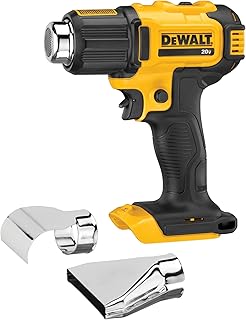




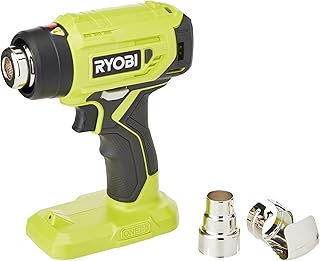

Choosing the best Ryobi cordless heat gun is less about finding the most powerful-looking specification and more about matching the tool to the work you actually intend to do. A cordless heat gun can be useful for removing labels and stickers, softening adhesives, shaping certain plastics, loosening stubborn materials and carrying out a range of workshop, decorating and DIY tasks where a mains cable would be inconvenient.
Ryobi is particularly relevant to cordless tool buyers because its ONE+ battery platform allows compatible tools to share batteries and chargers. For an existing ONE+ user, that can make a cordless heat gun considerably more convenient than buying into another battery system. However, battery compatibility should never be confused with identical performance across every model, so it is worth checking the exact tool specification, temperature settings, airflow, battery requirements and included accessories before buying.
This guide focuses on the practical factors that matter when comparing Ryobi cordless heat guns in the UK, including temperature control, airflow, warm-up behaviour, battery considerations, ergonomics, suitable applications, limitations, safety and common buying mistakes.
A heat gun produces a controlled stream of hot air rather than an open flame. This makes it useful when a material needs to be heated, softened or made more pliable without direct flame contact. The exact suitability depends on the material, temperature required and manufacturer's instructions.
A Ryobi cordless heat gun can be considered for tasks such as:
It is important to remember that a heat gun is a heating tool, not a universal replacement for a soldering iron, paint stripper, hair dryer, gas torch or industrial hot-air system. Selecting the correct tool for the material and job is essential.
The strongest reason to consider a Ryobi cordless model is convenience. Removing the mains cable gives you greater freedom around a workbench, garage, garden workspace, renovation project or other location where access to a socket may be limited.
For homeowners who already use Ryobi ONE+ tools, the battery ecosystem can be another important advantage. A shared battery platform can reduce the need to maintain separate chargers and battery systems, provided the particular heat gun is compatible with the batteries already owned.
There are also practical benefits when working around objects that are awkwardly positioned. A cable can become an obstruction during some jobs, whereas a cordless tool can be moved around the workpiece more freely.
That convenience does not mean cordless is automatically better. Mains-powered heat guns can be preferable for prolonged stationary work where continuous operation is more important than mobility. Battery-powered models also require attention to battery charge, weight and runtime.
Temperature control is one of the most important specifications to examine. Different materials require different amounts of heat, and excessive temperature can damage plastics, finishes, coatings, electrical insulation and other nearby components.
A model with multiple heat settings gives you more control than a basic single-temperature tool. Lower settings can be useful when you want gradual heating, while higher settings can provide faster softening of materials that tolerate greater temperatures.
Do not select a heat gun simply because it has the highest maximum temperature. A high maximum temperature is only useful when the job genuinely requires it. For general DIY work, controllability can be more valuable than maximum heat.
Heat and airflow work together. Temperature determines how hot the air becomes, while airflow determines how quickly hot air is delivered across the work area.
A suitable airflow setting can help distribute heat more evenly. Too much airflow can disturb lightweight materials or cool the workpiece more rapidly, while insufficient airflow may make certain tasks slower.
When comparing Ryobi cordless heat guns, look for clear information about available airflow settings rather than judging performance solely from temperature specifications.
Heat guns are generally expected to become usable quickly. A short warm-up period is particularly useful for small DIY tasks where you do not want to wait for the tool to reach operating temperature.
However, warm-up time should be considered alongside the intended application. A quick-start heat gun may be excellent for occasional adhesive or shrink-tubing work, while extended professional applications may place greater emphasis on continuous performance and heat stability.
Battery compatibility is particularly important when buying a Ryobi cordless tool. Check whether the specific heat gun belongs to the Ryobi ONE+ system and whether the battery you already own is suitable.
Do not assume that every battery in your workshop will provide identical runtime or balance. Battery capacity, condition and physical size can influence how the tool feels and how long it can be used between charges.
For occasional DIY tasks, an existing battery may be perfectly adequate. For repeated work, having a second compatible battery can reduce interruptions while the first battery is charging.
A cordless heat gun has more than just the tool body to consider because the battery contributes to overall weight. The position and size of the battery can also affect balance.
Good balance matters when holding the tool for several minutes at a time. A tool that feels comfortable in the hand can be easier to control around delicate surfaces than one that feels front-heavy or awkward.
When comparing models, consider the complete tool configuration rather than looking only at the bare-tool weight.
The handle should provide a secure grip while allowing the user to maintain control without excessive hand pressure. A well-designed grip is particularly useful when repeatedly moving the heat gun across a surface.
Look for a comfortable trigger or switch arrangement and consider whether the controls can be operated naturally without changing your grip.
Accessories can make a heat gun more versatile. Depending on the model and application, useful accessories may include different air nozzles designed to concentrate, distribute or redirect the airflow.
Before paying extra for a kit, consider whether the included accessories are genuinely useful for your intended jobs. Buying a larger accessory package is not automatically better if most attachments will remain unused.
One of the most common mistakes when comparing heat guns is treating maximum temperature as the main measure of quality. In practice, controlled heat is often more useful than extreme heat.
Different applications require different levels of heating. Adhesive removal, plastic shaping, paint softening and heat-shrink work can all behave differently. The correct technique may involve gradually warming the material rather than immediately applying maximum heat.
A variable or multi-stage heat setting can therefore provide greater practical versatility. It can also make it easier to avoid overheating a workpiece.
When comparing specifications, consider these questions:
Efficient heat-gun work depends on how heat is delivered to the surface. Holding a heat gun stationary in one position can concentrate heat and increase the risk of damaging the material.
For many jobs, the better approach is to keep the nozzle moving and maintain an appropriate distance from the workpiece. The correct distance depends on the tool, material and application.
Nozzle design also affects heat distribution. A concentrated nozzle can direct hot air into a smaller area, while a broader airflow pattern may be more appropriate when heating a larger surface gradually.
Always follow the instructions supplied with the heat gun and the material being heated, particularly when working with plastics, coatings, adhesives or electrical components.
For buyers already invested in the Ryobi ONE+ ecosystem, battery compatibility can be one of the biggest reasons to choose a Ryobi cordless heat gun.
The advantage is straightforward: one compatible battery platform can support multiple types of DIY and garden equipment. This can simplify storage and charging compared with maintaining several unrelated cordless systems.
However, battery capacity still matters. A higher-capacity battery may provide longer operating time but can increase the weight of the tool. A smaller battery can make the tool easier to handle while potentially requiring more frequent charging.
Before purchasing, check the exact product listing to determine whether the heat gun is supplied as a bare tool or as part of a kit. A bare tool can be attractive to existing ONE+ owners who already have suitable batteries and chargers, while a complete kit may be more appropriate for someone entering the platform.
A bare tool generally makes the most sense when you already own compatible Ryobi batteries and a charger. You avoid paying for additional components you may not need.
This can be an economical approach for established ONE+ users who are gradually expanding their tool collection.
A complete kit may be more suitable if you do not already own the required battery platform equipment. It provides a straightforward starting point, although the initial purchase cost can be higher.
When comparing kit prices, look at what is actually included. Battery capacity, charger type and included accessories can make two apparently similar kits significantly different in practical value.
Both cordless and mains-powered heat guns have legitimate advantages. The right choice depends on how and where the tool will be used.
If most of your projects are short and mobile, cordless convenience may outweigh the need to recharge batteries. If you regularly perform long heating sessions, a corded alternative may be worth considering.
Ryobi is not the only cordless tool brand offering battery-powered heating equipment. Buyers may also encounter cordless systems from brands such as DeWalt, Makita, Bosch and Milwaukee, depending on the market and application.
The best comparison is not simply brand against brand. Compare the complete system, including battery compatibility, temperature range, airflow control, tool balance, accessories, warranty terms, availability of replacement batteries and the other tools you expect to own.
For someone already using Ryobi ONE+ equipment, staying within the same battery ecosystem may be more convenient than choosing a technically similar heat gun from another platform.
A Ryobi cordless heat gun can be a sensible choice for DIY users, home improvers, hobbyists and workshop users who value cordless convenience and already have compatible batteries.
It may be particularly useful if you regularly carry out short jobs where setting up a mains cable feels unnecessary.
A cordless model is not automatically the best option for every user. Someone performing continuous professional heating work may prefer a mains-powered tool designed for sustained operation.
Likewise, specialist industrial applications may require more precise temperature control, specialised airflow characteristics or accessories beyond those intended for general DIY equipment.
If the work involves highly sensitive materials, electrical assemblies, specialist plastics or applications with strict temperature requirements, choose equipment specifically designed for that task rather than assuming a general-purpose heat gun is suitable.
Heat can soften certain adhesives and make some labels, stickers and bonded materials easier to remove. Apply heat gradually and test a small area first, particularly on painted, laminated, veneered or plastic surfaces.
Heat guns can be used for certain paint-softening applications. The underlying material must be able to tolerate the applied heat, and users should be alert to fumes, scorching and the possibility of damaging the surface beneath the coating.
A controlled stream of hot air can shrink suitable heat-shrink tubing around wires and connections. This can be a useful application because the heat can be directed without using an open flame.
When working on electrical equipment, ensure the circuit is isolated and follow the relevant electrical safety guidance. A heat gun should not be treated as a substitute for proper electrical repair procedures.
Some thermoplastics can soften when heated, allowing controlled shaping. However, plastics vary considerably in composition and heat resistance. Always confirm that the specific material is suitable for heat treatment before proceeding.
Heat guns can be useful for various workshop jobs involving adhesives, labels, coatings and heat-sensitive materials. Their usefulness increases when combined with sensible temperature control and appropriate nozzle selection.
Heat can damage materials much more quickly than many beginners expect. Plastics, synthetic fabrics, painted surfaces, laminates, insulation and finished furniture can be particularly vulnerable.
Before applying heat, consider what lies beneath the visible surface. A coating may tolerate heat differently from the substrate underneath it.
A heat gun can reach temperatures capable of causing burns, starting fires and damaging materials. Treat it as a high-temperature power tool even when the task appears simple.
Never touch the nozzle immediately after use. The nozzle and surrounding components can remain hot after the tool has been switched off.
Keep the heat gun away from flammable liquids, paper, dust, solvents and other combustible materials. Ensure the working area is clear before switching the tool on.
Good ventilation is also important when heating coatings, adhesives, plastics or other substances that may release fumes. Follow the safety information provided by the product manufacturer and the material manufacturer.
Do not leave a switched-on heat gun unattended. When the job is finished, place the tool in a safe position where the hot nozzle cannot contact the bench, floor, workpiece or other combustible object.
More heat does not necessarily mean better performance. A tool that offers useful temperature and airflow control can be more practical than one selected solely because its maximum specification appears impressive.
A cordless tool may appear inexpensive when sold as a bare unit, but the total cost can change if you also need a battery and charger.
Accessories are only valuable when they are useful for your projects. Consider the applications you actually expect to perform before paying for a larger kit.
Heat guns are often used one-handed, and poor balance can become frustrating during longer tasks. Consider the complete tool and battery combination rather than the bare tool alone.
This is a potentially expensive mistake. Heat can permanently damage finishes and materials. Always establish whether the surface is suitable before applying significant heat.
A heat gun can have legitimate heat-shrink applications, but it is not a general-purpose electrical repair instrument. Electrical work should be approached with appropriate isolation procedures, components and tools.
When comparing two models or listings, evaluate the specifications in context rather than focusing on a single headline number.
Battery capacity is usually expressed in ampere-hours, although buyers should not treat the number as a guaranteed runtime figure. Actual operating time depends on the tool's power demand, selected heat level, airflow and battery condition.
A larger-capacity battery can provide more energy between charges, but it may also add weight. For a handheld heat gun, that trade-off can be noticeable.
If your projects typically last only a few minutes, a compact battery may be attractive because of its lighter handling. If you use the heat gun repeatedly throughout a longer project, additional battery capacity or a spare compatible battery can be more useful.
Successful heat-gun work is largely about controlling the process rather than simply applying as much heat as possible.
Proper care can help keep a cordless heat gun in good working condition. Allow the tool to cool completely before storage, particularly if the nozzle has reached a high operating temperature.
Keep the air intake and ventilation openings free from dust and debris. Restricted airflow can affect cooling and normal operation.
Inspect the tool before use for visible damage. Pay attention to the housing, switch, battery connection, nozzle and cable-free electrical interfaces.
Remove the battery when the tool is being stored or transported if this is required by the manufacturer's instructions. Store batteries according to the battery manufacturer's guidance and avoid exposing them to unsuitable temperatures or moisture.
A DIY user may value portability, simplicity and occasional convenience above all else. A professional user may place greater emphasis on durability, predictable operation, precise control and suitability for repeated use.
That distinction should influence how you assess a Ryobi cordless heat gun. A feature that is excellent for weekend DIY may not be the deciding factor for someone using a heat gun throughout a working day.
Before buying, estimate how often you will use the tool. Occasional users should prioritise versatility and ease of storage, while frequent users should examine ergonomics, control, battery management and the manufacturer's operating guidance more closely.
Use the following checklist before making a purchase:
If you already own several Ryobi ONE+ tools, a compatible cordless heat gun is often an intuitive addition because you can potentially use your existing battery ecosystem. The decision then becomes primarily about the tool's controls, applications and accessories.
If you are new to cordless tools, compare the complete cost of entering the battery platform rather than looking only at the price of the heat gun itself.
For occasional home maintenance, prioritise ease of use, sensible temperature control and portability. For workshop applications, examine airflow control, ergonomics and accessory compatibility. For repeated work, give additional attention to battery management and operating comfort.
A Ryobi cordless heat gun is particularly appealing when mobility matters, you already own compatible Ryobi batteries and your applications involve short or moderate heating tasks.
The cordless format removes one common limitation of workshop tools: the need to position yourself close to a mains socket. That can be valuable when working around large objects, in temporary work areas or during renovation projects.
A corded heat gun can remain the more practical choice when the tool will be used continuously near a suitable power socket. There is no need to monitor battery charge, swap batteries or carry additional battery weight.
If portability is irrelevant to your work, compare corded models as well. The best buying decision is determined by the job rather than by the assumption that cordless tools are always superior.
Ryobi is a strong option for buyers who value a broad cordless ecosystem, but it is sensible to compare competing systems before committing to a new tool platform.
The ideal choice depends on battery compatibility, intended workload, tool ergonomics, available accessories and total ownership cost rather than brand reputation alone.
They can be a worthwhile choice for users who need portable hot-air heating and particularly for existing Ryobi ONE+ users who already have compatible batteries. The value depends on your applications, battery ownership and how frequently the tool will be used.
A heat gun can be used for certain paint-softening applications, but suitability depends on the paint, substrate and working environment. Heat can create fumes and can damage the underlying material, so follow the manufacturer's safety guidance and test cautiously.
Yes, a heat gun can be suitable for shrinking compatible heat-shrink tubing when used correctly. Keep the heat moving and avoid overheating the tubing, insulation or nearby components.
Some Ryobi cordless heat guns are designed around the ONE+ battery platform. Always check the exact model and current manufacturer specification before assuming battery compatibility.
No. The correct temperature depends on the material and application. Excessive heat can cause melting, scorching, deformation or other damage. Controlled heating is generally preferable to simply selecting the highest available setting.
There is no single runtime that applies to every situation. Runtime varies according to battery capacity, battery condition, temperature setting, airflow and workload. A larger-capacity battery generally provides more available energy but may increase tool weight.
Battery compatibility should be confirmed against the exact model. Do not rely on appearance or brand alone. Check the manufacturer's compatibility information before attaching a battery.
A bare tool can make sense when you already own compatible Ryobi batteries and a charger. If you do not have the required battery equipment, compare the total cost of a complete kit instead.
They can be appropriate for some professional applications, but suitability depends on workload, operating duration, temperature requirements and the manufacturer's intended use. Heavy continuous applications may favour equipment designed specifically for professional or industrial operation.
Some plastics can be heated and shaped, but plastic types behave differently and may release fumes or become damaged when overheated. Identify the material and confirm that heat treatment is appropriate before starting.
Extreme caution is required. Heat can damage electronic components, insulation, displays, adhesives and plastic housings. Only use hot air around electronics when the application specifically permits it and appropriate precautions are in place.
Focus on useful temperature control, appropriate airflow, battery compatibility, comfortable handling, suitable accessories, reliable construction and a specification that matches your intended applications. Maximum temperature alone should not determine the purchase.
The best Ryobi cordless heat gun is the one that gives you the right combination of heat control, airflow, portability, battery compatibility and handling for the jobs you actually perform. For existing Ryobi ONE+ owners, compatibility with an established battery system can be a major practical advantage.
Before choosing a model, compare the exact specifications rather than relying on a product title or a single headline feature. Check whether the battery and charger are included, examine temperature and airflow controls, consider the complete weight and review the supplied accessories.
Most importantly, match the heat gun to the material and application. A cordless heat gun is a versatile DIY tool, but its high operating temperature demands careful handling. Starting conservatively, keeping the hot air moving where appropriate and following the manufacturer's instructions can help you achieve better results while reducing the risk of damaging the workpiece.
For UK buyers comparing products in 2026, it is also sensible to check current retailer pricing, verified customer feedback, exact model specifications and battery requirements immediately before purchasing, as tool bundles and specifications can change over time.