

♥ Wishlist
Compare 57 verified Women's Eyewear products in United Kingdom. Reviews, ratings, pros, cons and buying advice updated for October 2026.


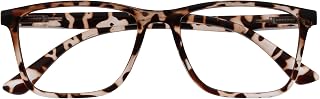




Choosing women’s eyewear involves more than selecting a frame that looks attractive. The right pair should suit your face shape, prescription requirements, lifestyle, comfort preferences and personal style while providing the optical features you actually need. Whether you are comparing everyday prescription glasses, reading glasses, sunglasses, blue-light glasses or fashion frames, small differences in lens material, frame construction, fit and coating can make a noticeable difference to everyday use.
This independent buying guide explains the main types of women’s eyewear, the features worth comparing and the common mistakes to avoid when shopping in the UK. Brands such as Ray-Ban, Oakley, Persol, Vogue Eyewear, Polaroid, Michael Kors, Prada, Gucci, Tom Ford, Ted Baker and Specsavers can all appear across different eyewear categories, but the best choice depends on the particular frame and lens specification rather than the brand name alone.
The most suitable eyewear balances appearance, optical performance, comfort and durability. A frame that looks excellent in a product photograph may not be the best option for long periods of wear if its dimensions do not match your face or if the bridge, temples or nose pads create pressure.
Prescription glasses are designed around an individual optical prescription and therefore require greater attention to lens specification and fitting accuracy. The same frame can feel and perform differently depending on the prescription, lens material and lens thickness selected.
When comparing prescription eyewear, look beyond frame appearance. Check whether the frame is suitable for your prescription, whether the lens design matches your daily activities and whether the finished glasses will be properly measured and fitted.
Women’s sunglasses combine visual comfort, glare reduction and style. When shopping for sunglasses in the UK, check the stated level of UV protection and ensure the lenses are appropriate for the intended environment.
Polarised sunglasses can be particularly useful for reducing reflected glare from surfaces such as roads and water. However, polarisation is not the same thing as UV protection, so these should be considered separate characteristics when comparing products.
Reading glasses are intended for close-up tasks and are commonly available in a range of optical strengths. Ready-made reading glasses can be convenient for suitable users, but they may not provide the same individualised correction as prescription lenses.
For people who spend significant time reading, crafting or performing other close-up activities, comfort and lens clarity should be considered alongside magnification strength.
Computer glasses are designed with screen-related viewing distances in mind. The appropriate lens design depends on how far the screen is positioned and whether you also need clear vision at reading or longer distances.
Blue-light filtering should not automatically be treated as a substitute for good screen habits, appropriate lighting or a properly determined prescription. Compare the actual lens specification rather than choosing solely because a product is advertised as blue-light eyewear.
Non-prescription frames can be useful when the primary objective is style. Even without corrective lenses, fit remains important. Poorly fitting frames can slide down, press against the temples or feel uncomfortable around the nose.
Round frames create a softer visual appearance and can work particularly well for people who prefer vintage-inspired or relaxed styling. The important consideration is proportion. A round frame that is too narrow or too large can change the overall balance of the face.
Square and rectangular eyewear provides stronger geometric lines. These frames are available in subtle everyday designs as well as more pronounced fashion styles. Look at the relationship between frame width and facial width rather than choosing a shape based on a generic face-shape rule.
Cat-eye eyewear remains a popular choice for a more expressive and traditionally feminine appearance. The upswept outer corners can vary considerably between designs, from understated angles to dramatic silhouettes.
Oval frames offer a softer alternative to rectangular styles while generally appearing less circular than fully round designs. They can work well for shoppers seeking versatile everyday eyewear with relatively gentle lines.
Oversized glasses can make a strong fashion statement, but larger dimensions also affect weight, visual proportions and stability. Check the actual measurements before purchasing, particularly if you have a smaller face.
Rimless and semi-rimless designs create a lighter visual appearance. They can be attractive for people who prefer understated eyewear, although the construction and lens compatibility should be checked carefully because the lens is more closely involved in the frame structure.
Eyewear measurements are often printed on the inside of a temple arm in a format resembling three numbers separated by spaces or small symbols. These measurements generally relate to lens width, bridge width and temple length.
These measurements are more useful than simply choosing a frame described as women's, medium or large. If you already own a comfortable pair of glasses, checking their measurements can provide a useful starting point when comparing another frame.
Acetate is widely used for eyewear and is available in a broad range of colours, patterns and finishes. It can provide a substantial feel and allows manufacturers to create distinctive designs.
Acetate should not be confused with every type of plastic eyewear. Different frame materials and manufacturing methods can affect flexibility, weight, finish and long-term performance.
Injected plastic frames can offer lightweight construction and are commonly used for practical everyday eyewear. They are available in numerous shapes and colours, making them suitable for both understated and fashion-focused designs.
Metal eyewear can create a refined and minimalist appearance. Stainless steel is commonly associated with lightweight and durable frame construction, while different alloys may offer different balances of strength, flexibility and weight.
Titanium is valued in eyewear for its combination of low weight and strength. Titanium frames can be particularly appealing to shoppers who dislike heavy glasses or require eyewear for extended daily wear.
Some designs combine metal and acetate or other materials to create a particular combination of structure and appearance. These frames can provide distinctive styling while allowing manufacturers to use different materials in the front and temples.
Plastic lenses are commonly used for everyday prescription eyewear. They can provide a practical balance between weight, optical performance and cost, depending on the specific lens material and prescription.
High-index lenses are designed to reduce lens thickness for certain prescriptions. They can be particularly relevant for stronger prescriptions where conventional lenses may otherwise become noticeably thicker or heavier.
Polycarbonate is known for impact resistance and relatively low weight. It can be useful for certain active lifestyles and situations where additional impact resistance is desirable, although optical characteristics and suitability should still be considered.
Photochromic lenses are designed to change their level of tint in response to light conditions. They can be convenient for people who move frequently between indoor and outdoor environments, although performance can vary according to the technology and environmental conditions.
Anti-reflective coatings are designed to reduce reflections from the lens surface. This can improve the appearance of the lenses and may make them more comfortable in situations involving artificial lighting, headlights or screens.
Scratch-resistant coatings can help improve resistance to everyday surface marks, but no ordinary spectacle lens should be considered completely scratch-proof. Correct cleaning and storage remain important.
Some lenses have surface treatments designed to make fingerprints, water droplets and other marks easier to remove. These treatments can be useful for people who frequently handle or clean their glasses.
UV protection is particularly important when choosing sunglasses. Check the product specification rather than assuming that a dark tint automatically means adequate UV protection. Lens darkness and UV protection are different properties.
Polarised lenses are designed to reduce certain types of reflected glare. This can be particularly useful when driving, spending time around water or being exposed to bright reflected surfaces.
Polarisation should not be treated as an automatic indicator of overall sunglasses quality. Compare UV protection, lens clarity, frame fit, durability and the intended use alongside polarisation.
Single-vision lenses provide correction for one main viewing distance or visual requirement. They are commonly used for distance or near vision depending on the prescription.
Bifocal lenses contain two distinct optical zones for different viewing distances. They remain an option for people who require both distance and near correction.
Varifocal lenses provide multiple viewing zones within one lens without the obvious dividing line associated with traditional bifocals. The design can provide a continuous transition between different viewing distances, but accurate measurements and fitting are particularly important.
For everyday use, prioritise comfort, reliable fit, versatile styling and a lens specification appropriate for the majority of your day. A neutral frame colour can work with a wider range of clothing, while a distinctive shape can become a statement accessory.
Driving eyewear should provide clear vision and minimise distracting reflections. Sunglasses should not be excessively dark for the conditions in which they are used. Polarised lenses may help with glare, but drivers should always consider visibility, lens category and the conditions in which the glasses will be worn.
Office workers should consider the distance between their eyes and computer monitor, along with reading distance and lighting. If prescription correction is required, a properly assessed occupational or computer lens may be more appropriate than simply purchasing generic blue-light glasses.
For outdoor use, frame security, lens durability, UV protection and resistance to glare can be more important than fashion details. Sports-oriented brands such as Oakley offer designs aimed at active use, while many lifestyle brands focus more heavily on everyday styling.
Fashion-led eyewear allows greater freedom to experiment with colour, frame thickness and unusual silhouettes. Brands such as Gucci, Prada, Tom Ford, Michael Kors and Vogue Eyewear offer fashion-oriented designs, but shoppers should still check the actual frame dimensions and construction.
Brand recognition can be useful when narrowing a large selection, but it should not replace product-level comparison. Different collections from the same manufacturer can use different materials, dimensions and lens specifications.
A useful comparison should focus on the characteristics that affect actual use rather than simply comparing product photographs.
A frame that extends significantly beyond the sides of the face can move excessively and may look disproportionate. Oversized styling is intentional in some designs, but excessive width can affect stability.
Narrow frames can create pressure around the temples and may not provide sufficient lens width for comfortable vision. If the temples feel tight shortly after putting the glasses on, another size may be more appropriate.
The bridge affects how the glasses sit on the nose. A poorly matched bridge can cause slipping, pressure or frequent adjustment.
Temple arms should provide sufficient grip without creating uncomfortable pressure. This becomes particularly important when glasses are worn throughout a full working day.
Sliding can result from incorrect frame dimensions, bridge shape, skin contact, weight distribution or the need for a professional adjustment. Repeatedly pushing glasses back into position is a sign that the fit should be reconsidered.
Budget-conscious shoppers should prioritise the features that directly affect their intended use. For prescription glasses, accurate prescription requirements and suitable lens design should take priority over decorative details. For sunglasses, UV protection, optical clarity, fit and durability should be considered before choosing premium branding.
A lower-priced frame can represent good value when it provides suitable dimensions, comfortable construction and an appropriate lens specification. Conversely, a discounted premium frame may not be good value if its shape or measurements are unsuitable.
Premium eyewear can make sense when you value particular materials, construction details, distinctive design or a specific brand aesthetic. Some premium frames may also offer features that are not commonly found on entry-level alternatives.
However, premium pricing should be evaluated against the exact specification. Compare material, hinges, lens compatibility, weight, dimensions and construction instead of assuming that the most expensive option will automatically provide the best everyday experience.
Face-size categories are useful as a starting point, but actual measurements are more reliable. A person with a smaller face may prefer narrower lens widths and a shorter temple length, while a larger face may require greater frame width and a more generous bridge.
Do not assume that a frame labelled specifically for women will automatically fit every woman's face. Facial proportions vary considerably, and eyewear sizing should be assessed at product level.
Black eyewear provides a strong, versatile appearance and works well with many wardrobe styles. Thicker black frames create a more noticeable statement, while thinner frames can appear more understated.
Brown and tortoiseshell patterns can create a softer alternative to solid black. Pattern intensity varies significantly, so compare the actual frame finish rather than relying solely on the colour name.
Clear frames have a contemporary appearance and can visually reduce the impact of a larger frame. They can work well for people who want noticeable eyewear without a strong dark outline.
Gold, silver and other metallic finishes can provide a refined appearance. Frame thickness and finish are important because a delicate metallic frame creates a very different look from a bold metal design.
Good maintenance can help preserve both lenses and frames. Use a suitable lens-cleaning method and avoid abrasive materials that can mark lens surfaces.
Dust and particles should be removed carefully rather than rubbed aggressively across a dry lens. A suitable lens-cleaning solution and clean microfibre cloth can help reduce the risk of scratching the surface.
Do not assume that household glass cleaners are suitable for optical lenses. Certain chemicals can affect lens coatings or frame materials. Follow the cleaning instructions provided with the eyewear or lens treatment.
There is no universal lifespan for a pair of glasses because durability depends on the frame material, construction, frequency of use, storage, cleaning habits and accidental damage. Prescription requirements can also change, meaning that the practical lifespan of a pair may end before the frame itself is physically worn out.
Regularly inspect the hinges, nose pads, temples and lenses. Visible damage, loose components or significant changes in prescription are reasons to have the eyewear assessed rather than continuing to use it without checking.
Buying eyewear online can provide a convenient way to compare styles, specifications and prices, but it requires more attention to measurements and product information. Before ordering, compare the frame dimensions with a pair you already own and find comfortable.
Product descriptions can contain numerous technical terms. A frame name may tell you very little about how it will perform or fit, so concentrate on measurable information.
Use the following checklist when comparing two or more products:
Not every advertised feature deserves equal weight. The most valuable specifications are those that solve a real problem for the person wearing the glasses.
For prescription users, accurate correction, lens design and fitting are usually fundamental. For sunglasses, UV protection, optical quality, fit and glare management are key considerations. For fashion eyewear, proportions, construction and comfort become especially important because there may be fewer technical requirements.
Hinges influence how the temples open, close and remain positioned. The construction can also affect how easily a frame can be adjusted or repaired. Look for clean construction and avoid assuming that a particular hinge design is automatically superior in every situation.
Spring hinges can provide additional movement in the temple arms, which some wearers find comfortable. Conventional hinges may offer a simpler construction. The best option depends on the frame design and the wearer's preferences.
Nose pads can influence both comfort and frame stability. Adjustable nose pads allow some frames to be fine-tuned to the wearer, while moulded bridges create a different style of fit.
If glasses frequently slide down, leave marks or feel unstable, the issue may be related to bridge dimensions rather than lens weight alone. A professional optical adjustment can often improve the fit of a suitable frame.
For ordinary outdoor use, prioritise suitable UV protection, comfortable fit and clear vision. A versatile frame colour can make the sunglasses easier to pair with different outfits.
Driving sunglasses should provide adequate visibility without inappropriate darkness. Consider reflections, lens colour, polarisation and the conditions in which the sunglasses will be used.
Bright environments and reflective water can produce substantial glare. Polarised sunglasses may be useful in these conditions, while UV protection and secure frame fit remain essential considerations.
Frames intended for active use should remain stable during movement. Lightweight construction, secure temples and suitable lens protection can be more valuable than oversized fashion styling.
Designer eyewear can appeal to shoppers who value distinctive styling, premium finishes or brand identity. Whether the additional cost is worthwhile depends on what you value.
When comparing designer and non-designer options, separate the fashion component from the functional specification. If two frames have similar dimensions, materials and lens features, the difference in price may primarily reflect design, branding and construction details rather than a fundamental difference in optical performance.
The best eyewear is ultimately the product that matches your individual requirements rather than the product with the most impressive marketing description. Start by identifying how and where you will use the glasses. Then narrow the selection using frame dimensions, lens specification, material, comfort and budget.
For prescription eyewear, use a current prescription and obtain appropriate professional measurements. For sunglasses, verify UV protection and choose a lens suitable for the conditions in which you will wear them. For fashion frames, focus on proportions, fit and construction before making a decision based purely on appearance.
There is no single best type for every woman. The right option depends on whether you need prescription glasses, sunglasses, reading glasses, computer eyewear or fashion frames. Fit, lens requirements, comfort and intended use should guide the decision.
Consider frame proportions rather than relying entirely on face-shape rules. Compare the frame width, lens shape, bridge and overall height with your facial proportions. Trying several shapes can help identify which dimensions feel and look most balanced.
Not necessarily. Higher-priced eyewear can provide premium materials, distinctive construction or designer styling, but value depends on the exact product. Compare frame material, dimensions, lenses, coatings and comfort before judging whether the price is justified.
Polarised sunglasses can be particularly useful for reducing reflected glare, especially around water and bright reflective surfaces. However, polarisation is only one feature. UV protection, lens quality, fit and durability should also be considered.
Darkness and UV protection are separate properties. Sunglasses should be selected according to their stated UV protection and suitability for the intended environment rather than lens darkness alone.
Blue-light filtering is not the only consideration for comfortable screen use. Correct prescription, viewing distance, lighting, screen position and regular visual breaks can all matter. People with persistent visual discomfort should consider professional eye care advice.
Acetate is a specific material used in eyewear, while plastic can refer to a broader range of materials and manufacturing methods. Frame characteristics such as weight, flexibility, finish and durability depend on the exact material and construction.
Glasses should sit securely without excessive pressure. The bridge should sit comfortably, the temples should not create painful pressure and the frame should remain stable during ordinary movement.
They should not create uncomfortable pressure. A secure fit is important, but excessive tightness can lead to discomfort during prolonged wear. A suitable frame size or professional adjustment may resolve the issue.
Choose sunglasses that provide suitable UV protection and maintain good visibility in the conditions in which you drive. Consider lens darkness, colour, glare reduction and whether polarisation is appropriate for your needs.
Prescription glasses can be purchased online, but accurate prescription information, measurements, frame dimensions and appropriate fitting remain important. Check the retailer's prescription process and returns arrangements before ordering.
Compare lens width, bridge width and temple length with a pair that already fits comfortably. These measurements provide a more reliable starting point than general labels such as small, medium or large.
Everyday eyewear should generally prioritise comfortable fit, suitable lens correction, durable construction and a versatile design. The ideal specification depends on how many hours you wear the glasses and what activities you perform.
Popular and recognisable brands include Ray-Ban, Oakley, Persol, Vogue Eyewear, Polaroid, Michael Kors, Prada, Gucci, Tom Ford and Ted Baker. Individual frames should still be compared on specifications and fit rather than brand name alone.
Store them in a protective case, use a clean microfibre cloth and avoid wiping dusty lenses with clothing or abrasive materials. Proper cleaning and storage can help reduce unnecessary surface damage.
Replacement depends on prescription changes, frame condition, lens condition and personal requirements. There is no fixed replacement period that applies to every wearer. Have eyewear assessed when the prescription changes or the frame or lenses become damaged.
The strongest eyewear purchase is not necessarily the most fashionable, most expensive or most heavily advertised option. It is the one that provides the right combination of fit, lens performance, comfort, construction and style for your intended use.
Before buying, compare the exact measurements, frame material, lens specification, UV protection where applicable, coatings, weight and available fitting options. Check verified customer feedback for recurring issues, compare current specifications across trusted retailers and review today's prices before making a final decision.
For prescription eyewear, professional eye examinations, accurate prescriptions and appropriate fitting should remain central to the decision. For non-prescription and fashion eyewear, focus on comfort, proportions and build quality. Taking this approach makes it easier to separate genuinely useful features from marketing language and find women’s eyewear that remains comfortable and practical beyond the initial purchase.