

♥ Wishlist
Compare 67 verified Women Fashion Sandals products in United Kingdom. Reviews, ratings, pros, cons and buying advice updated for November 2026.


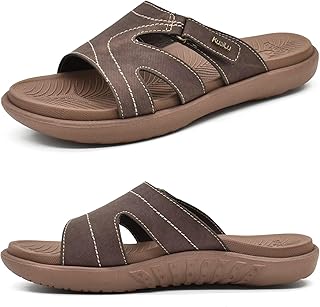


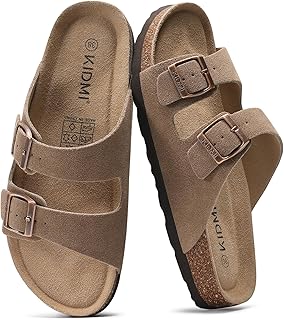


Finding the right pair of women’s fashion sandals is about more than choosing a colour or following a seasonal trend. The best option depends on where you intend to wear the sandals, how much walking you expect to do, the shape of your feet, the level of support you need and the materials used in the upper, lining and sole. A pair that looks excellent for an evening occasion may not be the right choice for commuting, sightseeing or spending a full day on your feet. This guide is designed to make comparing women’s sandals easier by looking beyond appearance. It covers sandal styles, materials, fit, comfort, sole construction, heel height, fastening systems, durability, care requirements and the practical differences between everyday, occasion, holiday and walking-friendly designs. When comparing individual products, check the latest specifications, available sizes, customer feedback and retailer information because product details can change. The strongest buying decision usually starts with intended use rather than brand or appearance. Think about the situations in which you are most likely to wear the sandals, then assess the features that matter for those situations. Flat sandals are among the most versatile choices for casual summer wardrobes. They can work with jeans, trousers, shorts, skirts and dresses, making them useful when one pair needs to cover several occasions. Do not assume that every flat sandal is automatically comfortable. A completely flat, minimally cushioned sole can feel very different from a sandal with a shaped footbed and supportive construction. Check the footbed profile, sole flexibility and strap positioning before choosing a pair for extensive walking. Platform sandals add height while potentially providing a more substantial base than a traditional high heel. They are available in casual, sporty and dressier designs, with platform heights ranging from relatively subtle lifts to much more pronounced silhouettes. Pay attention to the weight and flexibility of the platform. A very rigid construction can alter your natural walking motion, while a heavy platform may become tiring over extended periods. A secure upper is particularly important when the sole is thick or elevated. Wedge sandals are popular because they combine a raised heel with a broad supporting base. The shape can provide a different feeling of stability from a narrow stiletto-style heel, although comfort still depends on the overall construction and fit. For regular wear, consider the wedge height, platform depth, outsole grip and whether the fastening keeps the heel securely positioned. Heeled sandals can create a dressier appearance and are commonly chosen for parties, dinners, weddings and other occasions. The main comparison points are heel height, heel shape, strap placement, footbed cushioning and fastening security. A higher heel changes the distribution of pressure across the foot. If you expect to stand or walk for several hours, a moderate heel may be more practical than choosing solely on appearance. Strappy sandals range from minimalist designs with one or two straps to elaborate styles with multiple crossing bands. They can provide a particularly fashionable look, but the position and width of each strap matter. Check whether the straps sit directly over areas that may experience pressure during walking. Adjustable straps can be useful because they allow a more personalised fit. Gladiator-inspired sandals use multiple straps and can create a distinctive fashion-led appearance. Some designs finish around the ankle while others extend further up the leg. The additional straps can improve the visual structure of the sandal but also introduce more potential pressure points. Look carefully at fastening placement and adjustability before buying. Slides are convenient for quick everyday use, holidays and relaxed summer outfits. Their simplicity makes them easy to put on and remove, although a loose slip-on design may be less suitable for extensive walking or activities where the sandal needs to remain firmly attached to the foot. When comparing slides, examine the width of the upper, footbed shape, sole grip and whether the front strap holds the foot securely without excessive pressure. A back strap or ankle strap can provide greater security than an open slip-on construction. This can be especially useful when walking on uneven pavements or when wearing sandals for longer periods. Look for adjustable fastening systems and enough room to accommodate normal movement without allowing excessive heel lift. Leather sandals are often selected for their appearance, feel and traditional construction. Different types and finishes can behave differently, so the label should be checked carefully rather than assuming that every product described as leather has identical characteristics. Leather may require appropriate care to maintain its appearance. Follow the manufacturer's care instructions and avoid exposing materials to conditions for which they are not designed. Synthetic uppers can offer a wide variety of finishes, colours and textures. They are commonly used across affordable and fashion-focused sandals because manufacturers can produce numerous designs and constructions. Quality varies considerably between products. Examine the lining, stitching, edges, sole attachment and customer feedback rather than judging material quality from the word “synthetic” alone. Textile materials can create lightweight and visually distinctive sandals. They are particularly common in casual and fashion-led designs. Consider how easily the material can be cleaned and whether the construction is appropriate for your expected environment. Light-coloured textiles may require more careful maintenance than darker finishes. Rubber and rubber-like compounds are frequently used for outsoles because they can provide flexibility and traction. The exact grip characteristics depend on the compound, tread pattern and surface conditions. For sandals intended for travel or extensive outdoor use, inspect the outsole pattern rather than concentrating solely on the appearance of the upper. The footbed is one of the most important parts of a sandal because it is the primary contact surface beneath the foot. Some fashion sandals use a simple flat base, while others incorporate contouring or cushioning. A shaped footbed may feel more supportive to some wearers, but there is no universal foot shape. What works well for one person may feel uncomfortable to another. Whenever possible, use size information and customer feedback to assess fit. Cushioning can reduce the harsh sensation associated with harder soles, particularly on pavements and other firm surfaces. However, more cushioning is not automatically better. Excessively soft construction can change how stable a sandal feels. Compare cushioning with the intended use. A casual sandal for short trips has different requirements from footwear intended for a full day of sightseeing. Some sandals provide more noticeable arch shaping than others. If arch support is important to you, check product specifications and photographs carefully rather than assuming that a particular style provides it. For persistent foot discomfort or a specific medical requirement, professional footwear advice is more appropriate than relying solely on general product descriptions. Adjustability is particularly useful because feet can change slightly in volume during the day and because different foot shapes require different levels of fastening. Buckles, hook-and-loop systems and adjustable sliders are common solutions. A sandal can have excellent materials but still feel uncomfortable if seams or straps sit in the wrong place. Examine product photographs from multiple angles and consider where pressure is likely to occur during walking. Sizing can vary between brands, styles and manufacturing regions, so relying only on a familiar shoe size is not always sufficient. Check the individual product's size guide wherever one is provided. For open sandals, a visually attractive fit is not necessarily a functional fit. The foot should remain reasonably secure without requiring the straps to be tightened excessively. Heel height is an important comparison factor for women considering dressier sandals. As the heel becomes higher, the mechanics of walking and pressure distribution can change. Heel shape also matters: a broad block heel generally presents a different stability profile from a narrow heel. If sandals are being purchased for a wedding, party or formal event, consider the amount of time you will actually spend standing and walking rather than assessing the heel purely from a seated perspective. The outsole is easy to overlook when comparing fashionable sandals, yet it can have a major effect on everyday usability. A sandal intended for city walking, travel or holiday use should have an outsole appropriate for the surfaces on which it will normally be worn. Look for a clearly defined tread where traction is important. Smooth decorative soles may be adequate for some indoor or short-duration uses but are not necessarily the most versatile choice for mixed outdoor surfaces. Remember that no footwear outsole can guarantee reliable grip on every wet, polished, oily or otherwise slippery surface. Walking conditions should always be considered. If you want maximum value from one pair, neutral colours such as black, tan, beige, cream or metallic shades can often be easier to coordinate with different wardrobes. However, a statement colour or embellished finish can be worthwhile when the primary purpose is to complement specific outfits. Consider the clothing already in your wardrobe before selecting a style. A minimalist sandal may work with casual trousers and summer dresses, whereas heavily embellished sandals can be better suited to occasions where the footwear is intended to become part of the visual focus. Travel footwear needs to balance appearance with practicality. A sandal that looks excellent but causes discomfort after several kilometres is unlikely to become a favourite holiday purchase. For city breaks, walking-friendly sandals may be preferable to delicate occasion styles. For beach holidays, check the manufacturer's guidance before exposing materials to seawater, sand or prolonged moisture. For everyday use in the UK, versatility and comfort are usually more useful than extreme fashion styling. A moderate heel, secure fastening and durable outsole can make a sandal suitable for commuting, shopping, social occasions and casual outings. British weather is another practical consideration. Open sandals are naturally exposed to rain and damp conditions, and not all materials respond equally well to moisture. Check care instructions and material limitations before wearing delicate sandals in unpredictable weather. Occasion sandals often prioritise elegance, colour coordination and decorative details. Metallic finishes, delicate straps, embellishments and heels are common choices. Comfort remains important. Weddings and formal events can involve several hours of standing, walking between venues and dancing. Consider heel stability, cushioning and fastening security before selecting a pair solely because it photographs well. If the event involves grass, gravel or uneven outdoor surfaces, a narrow heel may be less practical than a block heel or wedge. The venue should therefore be part of the buying decision. Women with wider feet should pay particular attention to the width and construction of the upper. Multiple narrow straps may create pressure where a broader single strap would feel more comfortable. Adjustability is useful, but it cannot completely compensate for a sandal that is fundamentally too narrow. Check the manufacturer's width information where available and look for customer feedback discussing fit. Narrow feet can present the opposite challenge: a sandal may be long enough but insufficiently secure across the forefoot. Adjustable straps can help reduce unwanted movement. Slip-on styles should be assessed carefully because excessive looseness can make the foot work harder to keep the sandal in position while walking. A fashionable design is not useful if the sandal creates pressure or slips while walking. Fit should remain a primary selection criterion. Buying an occasion sandal for everyday walking can lead to disappointment. Match the construction to the activity. Different brands and styles can fit differently. Always check the relevant sizing information when available. Consumers often concentrate on the straps and colour while barely considering the outsole. Grip, flexibility and durability can materially affect the overall experience. Maximum height is not necessarily the best option. If you need to walk or stand for long periods, stability and comfort should be part of the comparison. Different materials have different cleaning and maintenance requirements. Check care instructions before purchase, especially for light colours, delicate finishes and embellished designs. A useful comparison should look at the complete product rather than a single headline feature. Consider creating a shortlist and comparing the same criteria across each option. Brand reputation can be a useful starting point, but it should not replace product-level comparison. Different collections from the same manufacturer can have very different designs and construction. Always compare the exact sandal model rather than assuming that every product from a particular brand offers the same fit, support or durability. Customer reviews can provide useful information that specifications do not always reveal, particularly regarding sizing, comfort and real-world fit. However, a high average rating alone is not enough to establish whether a sandal is right for you. Look for recurring themes rather than isolated comments. If multiple customers independently mention that a sandal runs narrow, has a stiff strap or feels comfortable for long walks, that pattern may be more useful than a single enthusiastic review. Product specifications can look relatively simple, but several details can help distinguish similar-looking sandals. Weight becomes more noticeable during travel or extended walking. A lightweight sandal may be easier to pack and carry, although low weight should not automatically take priority over secure construction and comfort. The overall difference in height between the front and rear of the sandal can affect how the shoe feels. Platform and wedge designs may distribute elevation differently from conventional heels. A thicker outsole can provide greater separation between the foot and the ground, while a thinner sole may offer a more direct feel. Neither is universally superior; the right choice depends on the intended use and personal preference. Buckles, straps and adjustment hardware are functional components rather than decorative details. Check photographs and product descriptions for information about the fastening system and construction. Fashion sandals and walking-oriented sandals overlap, but their priorities are often different. Fashion designs may emphasise silhouette, colour, embellishment and heel height, while walking sandals tend to put greater emphasis on secure fit, cushioning, traction and stability. If you expect to walk extensively, consider whether a fashion-first design actually provides the features you need. Conversely, if sandals are primarily intended for dinners, events or occasional wear, a highly technical walking sandal may not suit your preferred appearance. A higher purchase price does not automatically mean better quality. Value depends on materials, construction, comfort, durability, design and how frequently the sandals will be worn. For a sandal worn occasionally, a lower-cost option may make more sense if it meets your fit and quality requirements. For footwear intended to become a frequent part of your wardrobe, investing more in construction, materials or comfort features can potentially provide better value over time. Compare specifications and customer feedback rather than using price as a shortcut for quality. Even attractive sandals may be unsuitable if the basic fit or construction does not match your needs. Be cautious if the sandal requires excessive strap tightening to remain secure, creates immediate pressure points, allows significant heel movement or feels unstable when walking. For online purchases, carefully review the sizing information and the retailer's current return conditions before ordering. Return policies can vary between retailers and individual products, particularly for clearance, marketplace or specialised items. You do not necessarily need a large collection of sandals. A small selection covering different situations can be more practical. Choosing complementary colours and different levels of formality can make a small footwear collection considerably more versatile. The best women’s fashion sandals depend on the intended use, preferred style, foot shape, comfort requirements and budget. A versatile everyday sandal may be the best choice for one buyer, while a heeled or embellished design may be more appropriate for another. Compare fit, materials, fastening, sole construction and customer feedback before deciding. Start with fit and intended use, then compare material, footbed, cushioning, strap design, fastening, heel height, outsole grip and care requirements. Customer feedback can also help identify recurring issues with sizing or comfort. Neither is universally better. Flat sandals can be practical for casual wear and walking, while heeled sandals may be preferable for formal or fashion-led occasions. The best choice depends on how much walking and standing you expect to do. There is no universal winner. Leather and synthetic materials have different characteristics, finishes and care requirements, and quality varies between products. Compare the exact materials and construction rather than choosing based solely on the material category. For extended walking, look for secure fastening, comfortable cushioning, a stable footbed, appropriate sole flexibility and dependable outsole traction. A fashion sandal can be suitable for walking, but not every fashion-focused design is built for prolonged use. They can be, but comfort depends on the platform construction, weight, flexibility, footbed and fit. A thick sole does not automatically mean greater comfort. A wedge provides a broader supporting structure than many narrow heels, which can make it feel more stable for some wearers. However, stability still depends on the height, shape, sole and overall fit. The foot should sit securely within the sandal without excessive slipping or uncomfortable strap pressure. The toes and heel should remain appropriately positioned on the footbed, and adjustable straps should hold the foot without needing to be excessively tight. Look for suitable width information, adjustable straps and uppers that do not place excessive pressure across the forefoot. Check product-specific reviews for comments about width and fit. Black, tan, beige, cream and some metallic shades can work with a wide range of clothing. The most versatile colour for you depends on your existing wardrobe and typical outfits. Consider the dress code, outfit colour, venue surface, heel height and expected amount of standing and walking. A stable heel and secure fastening can be particularly useful for long events. Only if the specific sandal provides adequate comfort, security and traction for the amount of walking involved. Delicate strappy or high-heeled styles may be better suited to shorter periods of wear. They can be useful for identifying recurring patterns involving sizing, width, comfort, strap placement and durability. Use reviews alongside manufacturer specifications rather than treating an overall rating as the only buying criterion. There is no fixed replacement schedule. Inspect the outsole, straps, stitching, fastening hardware and footbed. Replacement becomes more appropriate when important components are excessively worn, damaged or no longer provide a secure fit. The right pair of women’s fashion sandals should combine the appearance you want with the practical characteristics you actually need. Start by deciding where the sandals will be worn, then compare fit, materials, footbed construction, fastening, sole design and durability. For everyday use, versatility and comfort are usually strong priorities. For holidays, weight, security and walking suitability deserve more attention. For special occasions, style and heel design may take precedence, but comfort should not be ignored when the event involves several hours on your feet. When comparing products, look beyond promotional descriptions. Check the exact specifications, size information and recurring customer feedback, then compare the latest retailer information before making a purchase. Brands such as Clarks, Birkenstock, ECCO, Dr. Martens, Teva, FitFlop, Scholl and Steve Madden can provide useful starting points for research, but the individual model remains the most important comparison. The best sandal is ultimately the one that fits your foot, suits your wardrobe and performs appropriately for the way you intend to use it.
Women’s Fashion Sandals Buying Guide UK 2026
How to Choose Women’s Fashion Sandals
Popular Types of Women’s Fashion Sandals
Flat Sandals
Platform Sandals
Wedge Sandals
Heeled Sandals
Strappy Sandals
Gladiator-Style Sandals
Slides and Slip-On Sandals
Back-Strap and Ankle-Strap Sandals
Materials Used in Women’s Sandals
Leather
Synthetic Materials
Textile Uppers
Rubber and Flexible Outsoles
Comfort Features Worth Comparing
Footbed Shape
Cushioning
Arch Support
Adjustable Straps
Seam and Strap Placement
How Sandal Fit Should Be Assessed
Heel Height and Stability
Sole Construction and Grip
Fashion Versatility: Choosing a Sandal That Works With More Outfits
Women’s Sandals for Holidays and Travel
Women’s Sandals for Everyday UK Wear
Women’s Sandals for Weddings and Special Occasions
Women’s Sandals for Wide Feet
Women’s Sandals for Narrow Feet
Common Women’s Sandal Buying Mistakes
Choosing Appearance Over Fit
Ignoring the Intended Use
Assuming a Familiar Size Will Always Fit
Overlooking the Sole
Buying the Highest Heel Available
Ignoring Material Care
How to Compare Women’s Sandals Before Buying
Trusted Women’s Footwear Brands to Consider
How to Assess Customer Reviews Properly
Specifications That Matter More Than They First Appear
Weight
Heel-to-Toe Profile
Outsole Thickness
Fastener Quality
Fashion Sandals Versus Walking Sandals
When Is a More Expensive Sandal Worth Considering?
How to Make Sandals Last Longer
Signs That a Pair of Sandals May Not Be Right for You
How to Build a Versatile Summer Sandal Collection
Women’s Fashion Sandals Buying Checklist
Frequently Asked Questions About Women’s Fashion Sandals
What are the best women’s fashion sandals?
What should I look for when buying women’s sandals?
Are flat sandals better than heeled sandals?
Are leather sandals better than synthetic sandals?
What sandals are best for walking?
Are platform sandals comfortable?
Are wedge sandals more stable than high heels?
How should women’s sandals fit?
How can I choose sandals for wide feet?
What colour sandals are most versatile?
How do I choose sandals for a wedding?
Can I wear fashion sandals for sightseeing?
How important are customer reviews when choosing sandals?
How often should I replace sandals?
Final Buying Advice