

♥ Wishlist
Compare 65 verified Women's Jeans and Jeggings products in United Kingdom. Reviews, ratings, pros, cons and buying advice updated for October 2026.


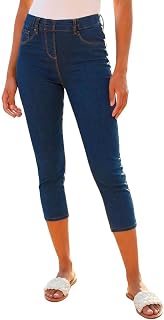


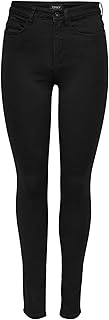


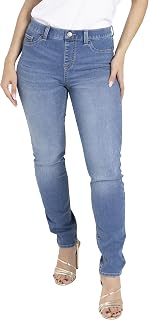


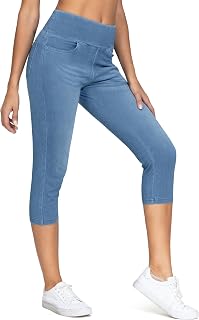


Choosing women’s jeans or jeggings is about more than finding a flattering colour. The right pair should suit your body shape, preferred rise, everyday activities, wardrobe, and expectations around comfort, stretch and durability. This guide expands the buying considerations that matter when comparing women’s jeans and jeggings in the UK, helping you assess fit, fabric, construction, styling versatility and long-term practicality before making a purchase.
Established brands such as Levi’s, Wrangler, Lee, M&S, Next, River Island and New Look offer different approaches to denim, from traditional rigid jeans and classic five-pocket designs to highly stretchy jeggings and softer everyday styles. Individual fits can vary considerably between brands and even between ranges, so checking the product’s measurements and fabric composition is more useful than relying on a familiar size alone.
The best option is the pair that provides the right balance between fit, comfort, appearance, fabric performance and intended use. A pair designed for occasional smart-casual wear does not necessarily need the same characteristics as jeans intended for commuting, travelling or frequent everyday use.
Traditional jeans are generally constructed from denim with a more structured feel, whereas jeggings are designed to combine elements of jeans styling with the stretch and close fit associated with leggings. However, the distinction is not always absolute. Modern denim ranges include highly stretchy jeans, pull-on jeans and denim-look jeggings, meaning fabric composition and construction should be checked rather than relying solely on the product name.
Conventional jeans typically have a structured waistband, belt loops, pockets and a zip or button fastening. They are available in numerous cuts and denim weights. Depending on the fabric composition, they can range from relatively rigid denim to considerably softer stretch denim.
Jeggings generally use a higher proportion of stretch fibres or a softer construction to create a close-fitting silhouette. Many have a pull-on waistband or simplified fastening, although some styles include conventional pockets, belt loops, buttons and zips.
Fit terminology is not completely standardised across retailers. A skinny jean from one brand may feel noticeably different from a skinny jean from another. Treat the stated fit as a starting point and then examine measurements, fabric composition and customer feedback where available.
Skinny jeans are closely fitted from the waist through the hips and legs. Stretch denim is particularly common because it allows a close silhouette without making movement unnecessarily restrictive. They can be worn with oversized jumpers, fitted tops, shirts, coats and longer jackets.
Slim jeans generally provide a closer fit than straight-leg designs while allowing more room than traditional skinny jeans. They can be a useful compromise if you want a streamlined appearance without an extremely close leg.
Straight-leg jeans maintain a relatively consistent width through much of the leg. They have become a versatile wardrobe choice because they can work with trainers, boots, loafers and other footwear without being tied to a particularly narrow silhouette.
Wide-leg jeans provide substantially more room through the leg and create a more relaxed silhouette. They can be especially useful for shoppers who prefer movement around the calves and ankles or want a contemporary alternative to skinny denim.
Bootcut jeans are narrower around the upper leg and gradually widen towards the hem. The shape can work particularly well with boots and shoes that benefit from additional hem clearance.
Relaxed and loose styles prioritise additional room through the seat, thigh and leg. They can be useful for casual wardrobes where comfort and freedom of movement are more important than a close-fitting silhouette.
High-rise jeans sit higher around the waist and can provide greater coverage through the midsection. They are available in everything from skinny and straight cuts to wide-leg and relaxed silhouettes.
When comparing high-rise options, pay attention to the actual rise measurement rather than assuming that every high-rise design will sit at exactly the same position. Torso length, body proportions and fabric stretch can all affect how a pair feels when worn.
Mid-rise jeans sit between high-rise and low-rise designs and remain a versatile choice for everyday wardrobes. They can be particularly useful if you want a conventional waist position without the higher coverage of some high-rise cuts.
Low-rise jeans sit lower on the hips and create a different proportion from high-rise styles. If choosing a low-rise pair, check the waistband and rise measurements carefully because the amount of coverage can vary between brands.
Fabric composition is one of the most useful specifications to compare when shopping for women’s jeans. Two pairs that look similar in photographs can feel very different because of differences in cotton content, elastane and other fibres.
Cotton is central to traditional denim construction and contributes to the characteristic texture and structure associated with jeans. A higher cotton proportion can produce a more traditional denim feel, although the final result also depends on the weave, fabric weight and finishing process.
Elastane and other stretch fibres allow denim to move with the wearer. A small amount of stretch can make fitted jeans more comfortable, while highly stretchy fabrics can produce a softer, closer-fitting feel.
More stretch is not automatically better. If comfort is your priority, stretch can be beneficial, but shoppers should also consider stretch recovery. A fabric that stretches easily but does not recover its shape effectively may not maintain the intended fit as well as a well-balanced stretch fabric.
Rigid or low-stretch denim has less give and generally feels more structured. It can appeal to shoppers who prefer traditional denim characteristics and a more defined silhouette. Allowing for the intended fit is important because rigid denim does not provide the same flexibility as stretch jeans.
Denim weight refers broadly to how substantial the fabric is. While product specifications do not always provide fabric weight, it can be useful when information is available.
There is no universally correct denim weight. Climate, season, personal preference and intended use all matter. UK shoppers who want one versatile pair for year-round wear may prefer a middle-ground fabric rather than an extremely lightweight or heavyweight construction.
Jeans sizing can be inconsistent, particularly when comparing different brands, cuts and fabric compositions. The most reliable approach is to compare your measurements with the specific product's size guide.
If you are between sizes, the best choice depends on the fabric and intended fit. A stretchy skinny jean may behave differently from rigid straight-leg denim, so simply choosing the same nominal size across both styles is not always appropriate.
There is no single jeans style that is universally best for every body. Instead, consider which combination of rise, waistband, hip fit, thigh room and leg shape provides the proportions and comfort you prefer.
Longer inside-leg options can prevent a cropped appearance when you want full-length jeans. Wide-leg and bootcut styles can also require careful attention to hem length because the intended silhouette depends on where the hem falls over footwear.
Petite or shorter-length versions can reduce the need for alterations. High-rise designs can also create a different visual proportion by positioning the waistband higher on the body, although the best choice ultimately depends on personal preference.
Look for cuts that provide enough room through the thigh without forcing you to size up excessively at the waist. Stretch denim, relaxed cuts and some curvier-fit ranges can offer useful alternatives.
Waistband gaping can be a common issue when the waist and hip measurements differ significantly. Curved waistbands, contoured fits and stretch fabrics may help create a closer fit, although individual construction varies.
When comparing jeggings, the amount and quality of stretch deserves particular attention. Because jeggings are usually designed to fit closely, fabric recovery can influence how they look and feel after repeated wear.
Jeans can work in many smart-casual wardrobes, although workplace dress codes differ. Darker, clean-finished denim without excessive distressing generally creates a more understated appearance than heavily faded or ripped styles.
For a versatile work-to-evening wardrobe, consider dark indigo, black or clean mid-blue jeans in a straight, slim, bootcut or tailored-looking silhouette. Pairing the jeans with a blouse, fine-knit jumper, blazer or structured coat can create a more polished outfit than combining them with heavily casual pieces.
Everyday jeans should balance comfort, durability and versatility. If you spend substantial time sitting, commuting or walking, a small amount of stretch can be useful. If your priority is a classic denim appearance, a more structured fabric may be preferable.
Consider how often the jeans will be worn, how frequently they will be washed and whether they need to work with most of your existing wardrobe. A versatile pair that can be worn with several types of footwear may provide more practical value than a highly distinctive style that only works with a limited number of outfits.
Lighter denim and breathable fabric compositions can be more comfortable during warmer weather. Cropped, ankle-length and lighter-coloured styles can also create a distinctly seasonal look.
Medium-weight denim works well with knitwear, ankle boots, trainers, jackets and coats. Darker washes can transition naturally into an autumn wardrobe.
Heavier denim, darker washes and close-fitting styles can work well with winter footwear and layered clothing. If you regularly wear boots, check the leg opening to ensure the jeans sit comfortably over or inside the footwear.
Dark indigo is one of the most versatile choices for smart-casual dressing. It can be paired with neutral knitwear, shirts, blouses, coats and footwear in a wide range of colours.
Mid-blue denim provides a traditional casual appearance and can work particularly well for everyday outfits.
Light washes create a more relaxed and informal appearance. They can be useful for spring and summer styling or casual weekend outfits.
Black jeans can bridge the gap between casual denim and more polished outfits. They work particularly well with monochrome clothing and can provide an alternative to traditional blue denim.
Grey, cream, ecru and other colours can add variety to a denim wardrobe. When choosing a non-traditional shade, consider whether it complements the colours you already wear most frequently.
Distressed denim can include fading, whiskering, abrasions, ripped knees and deliberately worn areas. The amount of distressing is largely a style preference, but construction around distressed sections should be considered if durability is important.
For a more versatile wardrobe, lightly faded or minimally distressed jeans may be easier to dress up than heavily ripped designs. If you need jeans for a conservative workplace, check the dress code before choosing visibly distressed denim.
Small construction details can have a significant effect on everyday usability.
Pockets are functional features, but they also contribute to the visual proportions of jeans. Larger, smaller, higher or lower pockets can create noticeably different appearances. If you have a particular preference, inspect product photographs from multiple angles rather than judging the pocket design from a single front-facing image.
When comparing products, look beyond the colour and headline fit. Product photographs can help you assess the waistband, stitching, pocket design, leg opening and overall silhouette, while the specifications provide information that photographs cannot reliably show.
Quality is not determined by one specification. A useful assessment combines fabric, construction, finishing and practical details.
One of the most common mistakes is assuming the same size will fit identically across every brand. Sizing systems, patterns, rises and fabrics differ. Always check the individual product's measurements when possible.
A photograph cannot tell you how much stretch a pair has. Check the composition before deciding whether a style will provide the level of structure or flexibility you want.
Regular, short and long labels are not necessarily identical between brands. The actual inside-leg measurement is more useful when available.
Stretch can improve comfort, but the overall fabric needs to suit the intended purpose. A highly flexible pair may not provide the structured appearance you want.
A fashionable wash may not necessarily be the most versatile option. Think about your existing tops, coats, knitwear and footwear before selecting a colour.
Denim can change in appearance and feel depending on how it is washed and dried. Check the manufacturer's care instructions and consider whether they fit your routine.
Customer reviews can be particularly useful for clothing, but they should be interpreted carefully. Instead of focusing only on the overall rating, look for repeated comments that provide specific information.
Give greater weight to detailed reviews that describe measurements, fit and usage rather than relying on very short comments. Verified customer reviews can complement, but should not replace, the manufacturer's specifications and size information.
A simple comparison framework can make it easier to narrow down several similar-looking products.
The UK market includes a wide selection of established denim and fashion brands. Levi’s is widely associated with classic denim silhouettes, while Wrangler and Lee offer established denim ranges. M&S, Next, River Island and New Look provide additional options across different fits, styles and price positions.
The brand name alone should not determine the purchase. Compare the specific product's fabric composition, measurements, construction, customer feedback and care requirements because different ranges within the same brand can have substantially different characteristics.
Prioritise comfort, movement and easy styling. Straight, slim, relaxed and stretchy skinny styles can all work depending on your preferences.
Comfort becomes especially important when sitting for long periods. A moderate amount of stretch can make movement easier, while a practical pocket configuration can be useful during travel.
Light and mid-blue washes, relaxed silhouettes, wide-leg jeans and distressed finishes can all suit casual styling.
Dark denim, black jeans and clean finishes are generally easier to coordinate with shirts, blouses, knitwear, blazers and smarter footwear.
A dark wash or black pair with a streamlined fit can create a more polished foundation for an evening outfit. The final appearance depends on the entire outfit rather than the jeans alone.
Jeans are among the most adaptable pieces in a wardrobe because the same pair can produce very different looks through changes in footwear, tops and outerwear.
Proper care can help preserve the colour, shape and fabric characteristics of denim. Always prioritise the care instructions supplied with the individual garment because washing recommendations vary between fabrics and finishes.
Repeated washing can affect the appearance of denim over time, particularly with dark colours. Following the care label, avoiding unnecessarily aggressive washing and using suitable laundry settings can help maintain the intended finish.
Natural fading is also part of the character of many denim fabrics. If preserving the original colour is particularly important, check the manufacturer's care guidance before purchasing.
There is no universal lifespan for jeans. Longevity depends on fabric, construction, frequency of wear, washing habits, fit and the activities the garment is exposed to. A pair worn several times a week will naturally experience different levels of wear from jeans reserved for occasional use.
Rather than judging durability solely by how a garment feels when new, consider the fabric composition, stitching, construction and recurring customer feedback. This provides a more useful basis for assessing expected practicality.
Replacement is worth considering when the garment no longer provides the intended fit, comfort or appearance. Persistent thinning, damaged seams, failed fastenings, severe loss of shape or deterioration that cannot reasonably be repaired can all indicate that a replacement is appropriate.
Minor issues such as a loose button, small seam problem or damaged belt loop may sometimes be repairable, depending on the garment and the extent of the damage.
Not necessarily. A higher price can reflect fabric choice, construction, design, brand positioning or other factors, but price alone does not prove that one pair will provide a better fit or longer service life for a particular shopper.
When comparing products at different prices, look for tangible differences in fabric composition, construction, fit options, finishing, measurements and practical features. The best value is the pair that satisfies your requirements rather than simply the cheapest or most expensive option.
If you only have time to check a few specifications, prioritise the measurements and characteristics that directly affect fit and comfort.
Before placing an order, use this checklist to make the comparison more objective:
The best everyday jeans depend on your preferred fit and routine. Straight-leg, slim, relaxed and moderate-stretch styles are all practical choices because they can work with a wide variety of tops and footwear. Prioritise comfort, suitable fabric composition and a length that fits correctly.
Jeggings can feel more flexible because they often contain a higher proportion of stretch material, but comfort depends on the individual garment. Waistband construction, fabric recovery, fit and sizing can be just as important as stretch content.
That depends on the intended fit and personal preference. Skinny and slim jeans are designed to fit closely, while straight, relaxed and wide-leg styles provide more room. Jeans should allow comfortable movement without creating excessive pressure or unwanted looseness at the waist.
Neither is universally better. High-rise jeans provide more coverage around the waist, while mid-rise jeans sit lower. The better option is the rise that suits your body proportions, wardrobe and comfort preferences.
There is no single ideal percentage. A small amount of stretch can improve flexibility, while higher stretch levels can produce a softer and closer fit. Consider the intended silhouette and how much structure you want rather than selecting a percentage in isolation.
Stretch performance varies by fabric composition and construction. Well-designed stretch denim is intended to provide flexibility while recovering towards its original shape. Following the manufacturer's care instructions can also help preserve fabric performance.
Dark blue and black are generally easy to incorporate into a wide range of smart-casual outfits, while mid-blue is a dependable casual option. The most versatile colour for you will depend on the colours and footwear already in your wardrobe.
Yes, a clean-finished pair of black jeans can work well in many smart-casual settings where denim is acceptable. Combining them with polished footwear, a blouse, shirt, knitwear or blazer can create a more refined appearance.
The waistband should sit securely without causing uncomfortable pressure. It should not continually slide down during normal movement, nor should it create excessive tightness. Stretch level and rise also influence how the waistband feels.
The correct fit depends on the style. Skinny and slim jeans are intended to be close-fitting, whereas straight, relaxed and wide-leg styles provide more room. In every case, you should be able to move comfortably without excessive pulling across the fabric.
Compare the actual measurements, fabric composition, rise, leg shape, inside-leg length and fastening rather than relying solely on the stated size. Customer feedback can then provide additional insight into whether the garment tends to fit as described.
They can be worth considering if their fabric, construction, fit and features provide advantages that matter to you. However, a higher price does not automatically guarantee a better fit or longer lifespan. Compare tangible specifications before making the decision.
Check the size chart, waist and hip measurements, inside-leg length, fabric composition, stretch content, waistband construction and care instructions. It is also useful to read detailed verified customer reviews for recurring comments about sizing and fabric recovery.
For some wardrobes, yes. Jeggings can provide a denim-inspired appearance with greater flexibility, making them useful for casual everyday wear. However, traditional jeans may be preferable when you want a more structured silhouette, conventional denim construction or greater styling variety.
Not necessarily. Washing frequency depends on use, personal preference and the garment's care instructions. Avoid unnecessary washing when appropriate, as repeated laundering can affect colour and fabric over time.
The strongest purchase decision comes from matching the garment to your actual needs rather than choosing solely from photographs, brand familiarity or headline ratings. Start with measurements, then compare rise, fit, fabric composition, stretch, length, construction and care requirements. Once those fundamentals are right, colour, wash and styling become much easier to decide.
For a versatile wardrobe, consider having more than one denim silhouette rather than expecting a single pair to cover every occasion. A dark, streamlined pair can serve smart-casual outfits, while mid-blue straight or relaxed jeans can cover everyday wear. Stretch jeggings can provide an additional comfort-focused option when flexibility is the priority.
Before purchasing, check the latest product specifications, current sizing information, verified customer reviews, retailer terms and today's price. Product ranges, colours, sizes and availability can change throughout 2026, so current information should always take priority over older listings or general assumptions.