
♥ Wishlist
Compare 70 verified Women's Sweaters products in United Kingdom. Reviews, ratings, pros, cons and buying advice updated for November 2026.


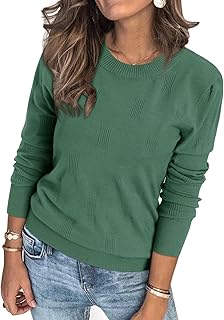
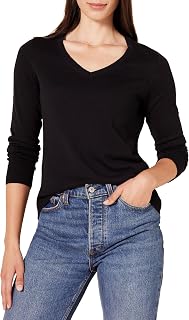


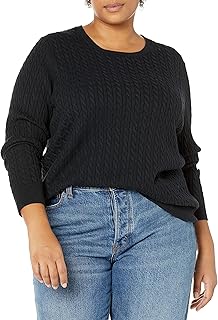


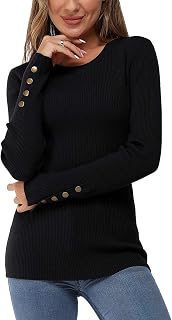


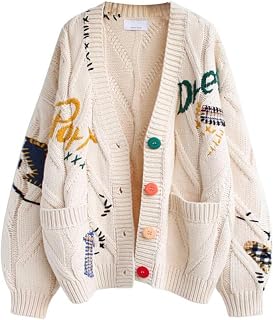
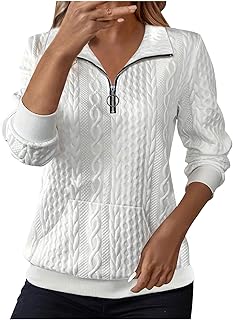


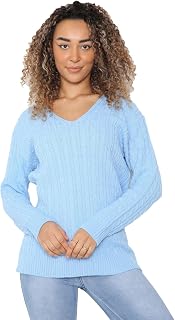


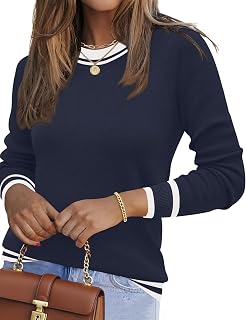


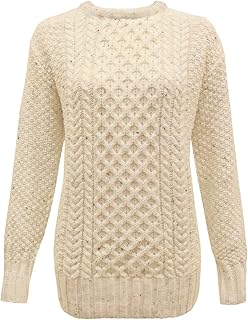
Finding the best women's sweater is not simply a matter of choosing the softest-looking knit or the most attractive colour. A good jumper needs to suit the weather, your wardrobe, intended level of warmth, preferred fit and how frequently you expect to wear it. Fibre composition, knit construction, neckline, weight, stretch, washing requirements and overall design can all affect whether a sweater becomes a reliable everyday layer or spends most of its time at the back of the wardrobe. This guide is designed to make comparing women's sweaters easier. Rather than focusing on one universal "best" option, it explains which characteristics matter for different uses, from lightweight everyday jumpers and office layers to chunky winter knits, wool sweaters, cashmere-style pieces, oversized fits and versatile wardrobe staples. When comparing products, look beyond the product photograph. Read the stated fibre composition, check the available measurements, examine care instructions and consider customer feedback about fit, fabric feel, warmth and durability. Retailers and brands such as Marks & Spencer, John Lewis, Next, Boden, Seasalt Cornwall, Uniqlo, Barbour, Joules and FatFace offer different approaches to knitwear, so comparing construction and specifications is generally more useful than relying on the brand name alone. In British English, "jumper" is commonly used for a knitted top, while "sweater" is also widely understood. "Knitwear" is the broader category and can include jumpers, cardigans, knitted dresses, knitted tops, roll-necks and other garments produced using knitted construction. For shoppers, the terminology matters less than the garment's actual specifications. Two products described as sweaters can behave very differently depending on their fibre blend, stitch density, thickness and finishing. A lightweight cotton knit may be comfortable during transitional weather, whereas a substantial wool jumper may be more appropriate when temperatures fall. The fibre content is one of the most important specifications to check before buying a women's sweater. Fibre names can tell you a great deal about likely warmth, drape, texture, breathability, maintenance and durability, although the final result also depends heavily on the construction of the garment. Wool remains an important choice for colder-weather knitwear because it can provide warmth without necessarily requiring an extremely heavy garment. Different wool types have different characteristics, so "wool" should not be treated as a single uniform material. When comparing wool sweaters, check whether the product specification identifies the type and percentage of wool. A blend may combine wool with synthetic or plant-based fibres to alter softness, stretch, strength, weight or care requirements. Merino wool is frequently used for finer knitwear and layering garments. Its suitability depends on the individual garment rather than the fibre name alone. A fine-gauge merino sweater can have a noticeably different feel and appearance from a thick, textured wool jumper. If you are buying merino knitwear for work or layering, examine the thickness and cut as carefully as the fibre composition. A thin merino jumper can work underneath a jacket, while a heavier merino knit may be intended as the main outer layer. Cashmere is associated with a soft hand feel and lightweight warmth, making it attractive for premium knitwear. However, softness should not be the only buying criterion. Check the cashmere content, construction, care instructions and garment measurements. Cashmere generally benefits from careful handling. If you want a sweater that can be washed frequently with minimal effort, compare the care requirements against your normal routine before buying. Cotton knitwear is often useful for spring, autumn and indoor layering because it can provide coverage without the level of insulation associated with heavier winter wool. Cotton sweaters can also be useful where a shopper prefers a less wool-like texture. Acrylic is commonly used in knitwear because it can provide warmth, colour and softness while often being positioned as a more accessible alternative to certain natural fibres. The quality of acrylic garments varies, so inspect the knit, stitching, finish and care instructions rather than judging the material name in isolation. Acrylic can be a practical choice for shoppers prioritising straightforward everyday wear, but long-term appearance can depend on how the garment is washed, dried and stored. Polyester and other synthetic fibres may be used alone or in blends to influence strength, shape retention, drying behaviour and overall construction. A synthetic blend can make sense for particular uses, especially where ease of care is important. However, a fibre blend should always be considered alongside the knit density and intended use. A lightweight synthetic sweater and a thick synthetic winter jumper may have completely different performance characteristics. Viscose and related fibres can contribute softness and fluid drape to knitwear. They are commonly used in blends and can create a smoother silhouette than some traditional wool-heavy constructions. Because knitted viscose garments can behave differently when wet, care instructions and drying recommendations deserve particular attention. The fibre tells you what the yarn is made from, but knit construction influences how that yarn behaves as a finished garment. Two sweaters with similar fibre percentages can feel completely different if one uses a fine, dense knit and the other uses a loose, chunky stitch. Fine-gauge sweaters typically have a slimmer, smoother appearance and are useful for layering beneath blazers, coats and jackets. They can also be a practical choice for offices or indoor environments where a bulky jumper would be uncomfortable. Medium-gauge knitwear is one of the most versatile options for an everyday wardrobe. It can provide noticeable warmth while remaining easier to style than very chunky knitwear. Chunky sweaters create a more substantial appearance and can provide useful insulation in cold weather. Their larger volume can make layering more difficult, so consider coat dimensions if you intend to wear a chunky jumper underneath outerwear. Ribbing adds visual texture and can provide additional stretch. Ribbed construction is frequently used around cuffs, hems and necklines, although entire garments can also be rib knitted. Cable knitting creates raised patterns and a traditional textured appearance. Cable sweaters can look particularly effective as casual winter pieces, although the additional texture can add visual and physical bulk. Waffle and other textured constructions provide visual interest without necessarily using the same traditional cable patterns. These styles can work well when you want a simple silhouette with a more distinctive surface. The crew neck is one of the most versatile sweater styles. It works with jeans, trousers, skirts and layered shirts and can suit both casual and smart-casual wardrobes. A V-neck creates more open space around the neck and can work well over collared shirts or blouses. The depth of the V matters: a shallow V creates a different look from a deep V. Roll-neck sweaters offer additional coverage around the neck and are particularly useful during colder months. They can be worn alone or underneath coats and tailored jackets, depending on their thickness. Zip-neck knitwear offers adjustable ventilation and creates a more sporty or contemporary appearance. It can be useful for casual outfits and layering when you want some control over neck coverage. Boat-neck sweaters have a wider neckline and can provide a different silhouette from traditional crew-neck styles. They can work particularly well with skirts and tailored trousers where a more refined neckline is desired. A funnel neck provides more coverage than a standard crew neck without necessarily folding over like a roll neck. It is worth considering when warmth around the neck is important but you prefer a less traditional high-neck shape. Fit is one of the most common reasons a sweater can look different from expectations. Product photography can make a garment appear more fitted or oversized depending on styling, so use the retailer's measurements wherever possible. A regular-fit sweater generally provides a balanced silhouette and is a strong choice for a versatile wardrobe. It can usually be styled with jeans, tailored trousers and skirts without requiring significant outfit adjustment. Slim sweaters sit closer to the body and can be particularly useful beneath blazers and fitted coats. Check the garment measurements rather than assuming that your normal clothing size will provide the intended amount of ease. A relaxed fit gives additional room through the body and can provide a casual appearance without necessarily being dramatically oversized. Oversized sweaters deliberately create additional volume. If you choose this style, consider sleeve length, shoulder width and overall garment length rather than concentrating only on the chest measurement. Cropped sweaters end higher on the torso and can work well with high-waisted trousers, jeans and skirts. They are less suitable if your priority is maximum coverage or if you prefer longer layers. Sizes are not perfectly consistent between brands or even between individual garment ranges. Always check the specific product's measurements where they are provided. If you already own a sweater with an excellent fit, measuring that garment and comparing the measurements with a new product can be more useful than relying exclusively on a standard size label. Spring weather in the UK can change quickly, so lighter knitwear is often more versatile than very heavy winter construction. Cotton, fine merino, lightweight blends and fine-gauge knits can all be considered depending on personal preference. Even in summer, a lightweight jumper can be useful for cool evenings, air-conditioned environments and unpredictable weather. Look for breathable-feeling constructions, lighter weights and looser silhouettes where appropriate. Autumn is particularly suited to medium-weight knitwear. This is the season when layering becomes increasingly useful, making fine and medium-gauge sweaters practical choices. Winter sweaters should be evaluated for warmth, coverage and compatibility with outerwear. Wool and wool blends can be useful for insulation, while chunky constructions provide a more substantial winter appearance. If you regularly wear a coat over your jumper, make sure the sweater's bulk will fit comfortably underneath it. For everyday wear, versatility is usually more valuable than elaborate detailing. Crew-neck jumpers, relaxed cotton knits, simple wool blends and classic cable styles can work across multiple outfits. For office dressing, fine-gauge crew necks, V-necks and roll-necks can be especially adaptable. Neutral shades make coordination easier, while a more refined knit structure can look polished without becoming formalwear. Brands including Marks & Spencer, John Lewis, Boden and COS provide useful reference points when comparing different approaches to work-friendly knitwear, but the individual garment's composition and measurements should remain the deciding factors. A well-fitting medium-weight sweater can bridge the gap between casual and formal dressing. Pairing a simple knit with tailored trousers, a midi skirt or clean-cut denim can create a more considered outfit without the stiffness of formal clothing. For relaxing at home, softness, freedom of movement and ease of care often matter more than formal structure. A relaxed cotton or blended knit can be practical if it feels comfortable during extended wear. Outdoor use requires more attention to weather conditions. A fashion sweater is not automatically a substitute for technical outdoor clothing. If the garment is intended for walking or outdoor activity, assess warmth, layering compatibility, moisture management and wind protection separately. Colour is primarily a personal preference, but some shades are easier to coordinate across a wardrobe. Plain sweaters are generally easier to mix with patterned skirts, trousers and accessories. Patterned knitwear can add personality but may require more deliberate outfit coordination. When comparing patterned sweaters, examine whether the pattern is knitted into the garment, printed onto a surface or created through colour-blocking. Construction can affect both appearance and long-term care. Product specifications are often more useful for comparison than marketing descriptions. Before buying, look for the following information: Customer reviews can be valuable, but the most useful approach is to look for repeated, specific observations rather than treating an overall star rating as the complete picture. For example, several reviewers independently mentioning that a sweater runs large is more useful for sizing decisions than a general statement that the garment is "great". Likewise, repeated comments about pilling, sleeve length, softness, colour differences or washing behaviour may identify considerations that are difficult to judge from product photographs. Pilling occurs when loose fibres or fibre ends become entangled on the surface of fabric and form small balls. It can occur in many types of knitwear and does not automatically mean that a garment is poorly made. Fibre type, yarn construction, friction and frequency of wear can all influence pilling. Areas that experience repeated contact, such as under the arms or where a handbag strap rubs against the garment, can be particularly prone to surface wear. If pilling is a major concern, look for repeated customer comments about the specific garment and consider how it will be worn. Avoid assuming that a particular fibre is completely immune to pilling. Good care can make a significant difference to the appearance and lifespan of knitwear. Always follow the garment's care label because the appropriate method varies according to fibre composition, construction and finishing. Do not automatically wash every sweater after every wear. Depending on the garment and how it has been used, airing it between wears may be preferable. When washing is required, use the care instructions rather than applying the same programme to every type of knitwear. Some knitted garments can stretch or lose their shape when wet. If the care instructions recommend drying flat, follow that guidance and avoid hanging a heavy wet sweater from a narrow hanger. Fold knitwear where appropriate, particularly heavier garments that may become distorted when hung for long periods. Keep sweaters clean and completely dry before storing them for extended periods. Photography can hide thickness, stretch, sleeve length and actual garment proportions. Always examine written specifications and measurements. Size labels are not universal measurements. Compare the retailer's size guide with the actual garment measurements where available. A sweater's material can affect warmth, texture, care requirements and durability. Do not buy based solely on colour or silhouette. A chunky jumper may look excellent but become uncomfortable if your winter coat has a narrow fit through the sleeves and shoulders. A sweater that requires careful washing may not be the best choice if you need low-maintenance clothing. Consider the care commitment before buying. Sleeve length is particularly important for tall shoppers and oversized styles. A sweater that fits around the chest may still have unsuitable sleeves. If you are building a practical wardrobe, compare your existing knitwear first. Another nearly identical neutral sweater may offer less value than a different colour, neckline or weight that fills a genuine gap. A useful comparison should consider more than price. Create a simple shortlist and assess each product against the same criteria. There is no single brand that is automatically best for every shopper. Different brands approach knitwear differently, and individual garments can vary substantially within the same range. These names should be treated as comparison points rather than automatic recommendations. The best individual choice depends on the garment's current specifications, fit, material, care requirements and customer feedback. If you are building a smaller wardrobe, prioritise sweaters that work across multiple outfits. A neutral crew neck, a versatile fine knit and one more distinctive seasonal piece can cover several occasions without excessive duplication. Minimalist wardrobes benefit from simple silhouettes, restrained detailing and colours that coordinate easily. Focus on construction and fit because a plain sweater leaves little visual detail to distract from poor proportions. Bright or saturated knitwear can become a focal point. When comparing these garments, consider how the colour works with the rest of your wardrobe rather than assessing the sweater in isolation. Fine-gauge knitwear usually provides greater layering flexibility than chunky styles. Pay attention to sleeve volume and neckline shape if the sweater will be worn beneath jackets or coats. Prioritise sleeve length, torso length and shoulder proportions. A sweater can have an appropriate chest measurement while still appearing short through the body or sleeves. Consider cropped, shorter or more proportionate designs where appropriate. Excessive fabric through the body and very long sleeves can overwhelm a smaller frame, although personal style should ultimately determine the choice. Layering requires more than choosing a warm sweater. The combined volume of the base layer, sweater and coat determines comfort and freedom of movement. There is no single warmth rating that makes a sweater suitable for every UK winter. Perceived warmth depends on fibre, knit density, garment coverage, wind exposure, activity level and the layers worn underneath and over the sweater. For indoor use, a medium-weight sweater may be more practical than an extremely thick jumper. For cold outdoor conditions, layering can provide more flexibility because individual layers can be added or removed as conditions change. Remember that a fashion sweater is not necessarily technical cold-weather equipment. For prolonged exposure to severe weather, evaluate specialist outerwear separately. The cheapest sweater is not always the best value, and a more expensive sweater is not automatically superior. Value depends on how often the garment will be worn, how well it fits, how easily it coordinates with existing clothes, how demanding its care requirements are and how well it maintains its appearance. Before comparing today's prices, compare like with like. A lightweight cotton sweater should not be directly judged against a substantial wool jumper simply because both are described as women's sweaters. Material, weight and intended use need to be considered first. A higher-priced garment may make sense when its particular characteristics match your needs. Examples could include a fibre you specifically prefer, construction that fits your wardrobe, a design you expect to wear repeatedly or a level of finish that matters to you. However, do not assume that price alone proves quality. Examine the actual composition, construction, measurements and care requirements, then compare customer feedback before making a decision. A useful collection does not need dozens of jumpers. Start with the roles you actually need your knitwear to perform. This approach makes it easier to identify whether a new sweater genuinely adds something to your wardrobe or simply duplicates an existing garment. The best everyday sweater is usually the one that fits comfortably, works with several outfits and does not create unnecessary maintenance. A versatile colour, dependable silhouette and practical fabric can be more useful than elaborate detailing. For frequent wear, consider whether you can realistically maintain the garment according to its care instructions. A delicate sweater may be excellent for occasional use but less convenient as the jumper you reach for several times each week. There is no single best women's sweater for everyone. The right choice depends on intended use, preferred fit, climate, material preference, budget and care requirements. For versatility, a well-fitting medium-weight sweater in a colour that coordinates with your wardrobe is often a practical starting point. There is no universally best material. Wool can be useful when warmth is important, cotton can suit lighter and transitional knitwear, cashmere is valued for its soft feel, and synthetic or blended fibres can provide different combinations of durability, shape retention and ease of care. Compare the actual fibre composition with your intended use. Wool can be an excellent choice for winter knitwear because it can provide warmth without requiring every garment to be extremely heavy. The specific knit construction and garment design still matter, so compare weight, density and coverage. It depends on the garment and conditions. A thick cotton knit can provide useful warmth, but a lightweight cotton sweater will generally behave differently from a substantial wool jumper. Layering is also an important factor. Yes, if the additional volume suits your style and wardrobe. Oversized sweaters can be comfortable and visually relaxed, but check sleeve length, body length and compatibility with coats before buying. The correct fit depends on the intended style. A fitted sweater should sit comfortably without excessive pulling, while an oversized sweater should have deliberate additional volume rather than simply being too large. Always check the product's measurements and fit description. Navy, black, grey, cream, camel and brown are generally versatile neutral choices. The best colour for you depends on the colours already present in your wardrobe. Follow the care instructions, minimise unnecessary friction and avoid repeatedly rubbing the same areas against rough bags or outerwear. If pilling develops, remove it carefully rather than pulling individual fibres. Follow the garment's care recommendations. Many heavier knitted garments are better stored folded because prolonged hanging can contribute to stretching or shoulder distortion. There is no universal schedule. Consider how the garment was worn and whether it actually needs washing. When washing is necessary, follow the care label for the specific sweater. A fine or medium-gauge sweater with a comfortable fit and versatile neckline is often easier to incorporate into work outfits. Crew necks, V-necks and roll-necks can all work depending on the dress code and the rest of the outfit. Fine-gauge knitwear is generally easier to layer beneath jackets and coats because it creates less bulk. Check sleeve volume and neckline compatibility before buying. No. Price is only one factor. Compare fibre composition, construction, fit, care requirements, customer feedback and expected frequency of use before deciding whether a sweater represents good value. Choose a sweater when you want a single knitted layer with a continuous front, and consider a cardigan when you value adjustable opening and easier layering. Your usual outfit combinations can help determine which is more useful. Lightweight and medium-weight knitwear is generally more adaptable for spring and autumn. Fine cotton, merino and blended sweaters can all be considered depending on your preferred feel and care requirements. Compare equivalent characteristics rather than brand names alone. Look at fibre composition, measurements, fit, knit weight, neckline, care requirements, customer feedback and current price. This makes comparisons between brands such as Marks & Spencer, John Lewis, Next, Boden, Uniqlo and other retailers more meaningful. The strongest women's sweater purchase is not necessarily the most fashionable, the thickest or the most expensive option. It is the garment that performs the role you actually need it to perform. Start with the purpose: everyday wear, office dressing, layering, winter warmth, casual weekends or a particular styling requirement. Then compare fibre composition, knit construction, fit, measurements, neckline, care instructions and customer feedback. Finally, consider whether the colour and silhouette complement the wardrobe you already own. Before purchasing, check the current product specifications, customer reviews, retailer information and today's price because these details can change. Comparing several suitable options side by side is usually a better way to identify the right women's sweater than relying on a single overall rating or product photograph. For 2026 shopping, use this guide as a framework for evaluating current products rather than as a claim that one particular sweater is universally superior. Your ideal jumper should match your climate, wardrobe, comfort preferences, budget and willingness to care for the garment.
Women's Sweater Buying Guide: How to Choose the Right Jumper in the UK
Quick Guide to Choosing a Women's Sweater
What Is the Difference Between a Sweater, Jumper and Knitwear?
Women's Sweater Materials Explained
Wool Sweaters
Merino Wool
Cashmere
Cotton Sweaters
Acrylic Sweaters
Polyester and Synthetic Blends
Viscose and Other Cellulosic Fibres
Women's Sweater Knit Construction: Why It Matters
Fine-Gauge Knit
Medium-Gauge Knit
Chunky Knit
Ribbed Knit
Cable Knit
Waffle and Textured Knits
Choosing the Right Women's Sweater Neckline
Crew Neck
V-Neck
Roll Neck
Half-Zip and Quarter-Zip
Boat Neck
Funnel Neck
How to Choose the Correct Women's Sweater Fit
Regular Fit
Slim Fit
Relaxed Fit
Oversized Fit
Cropped Sweaters
Women's Sweater Size Guide: What to Measure
Women's Sweaters for Different Seasons
Best Sweater Characteristics for Spring
Best Sweater Characteristics for Summer
Best Sweater Characteristics for Autumn
Best Sweater Characteristics for Winter
Best Women's Sweater Styles by Occasion
Everyday Casual Sweaters
Women's Sweaters for Work and the Office
Women's Sweaters for Smart-Casual Outfits
Women's Sweaters for Lounging
Women's Sweaters for Outdoor Use
Colour Selection: Which Women's Sweater Colours Are Most Versatile?
Patterned Versus Plain Women's Sweaters
What to Check in Women's Sweater Specifications
How to Read Customer Reviews Properly
Understanding Pilling in Women's Knitwear
How to Care for Women's Sweaters
Washing
Drying
Storage
Preventing Unnecessary Wear
Women's Sweater Buying Mistakes to Avoid
Buying Solely From the Photograph
Assuming Every Medium or Large Size Is the Same
Ignoring Fibre Composition
Choosing a Thick Sweater Without Considering Your Coat
Ignoring Care Instructions
Overlooking Sleeve Length
Buying Too Many Similar Colours
How to Compare Women's Sweaters Before Buying
Women's Sweater Brands Worth Comparing
Women's Sweaters for Different Wardrobe Needs
For a Capsule Wardrobe
For a Minimalist Wardrobe
For a Colourful Wardrobe
For Layering
For Tall Women
For Petite Women
How to Choose a Sweater for Layering Under a Coat
How Warm Should a Women's Sweater Be?
Women's Sweater Price and Value Considerations
When Is a More Expensive Women's Sweater Worth Considering?
How to Build a Practical Women's Sweater Collection
Women's Sweater Styling Ideas
What Makes a Women's Sweater a Good Everyday Choice?
Women's Sweater Comparison Checklist
Women's Sweater Buying Guide: Questions to Ask Before Checkout
Frequently Asked Questions About Women's Sweaters
What is the best women's sweater?
Which material is best for women's sweaters?
Are wool sweaters good for winter?
Are cotton sweaters warm enough for winter?
Are oversized sweaters still practical?
How should a women's sweater fit?
What colour women's sweater is easiest to style?
How can I reduce pilling on knitwear?
Should sweaters be hung or folded?
How often should a sweater be washed?
What is the best women's sweater for work?
What is the best women's sweater for layering?
Are expensive sweaters always better?
How do I choose between a sweater and cardigan?
Which women's sweater is best for transitional weather?
How do I compare women's sweaters from different brands?
Final Women's Sweater Buying Advice