

♥ Wishlist
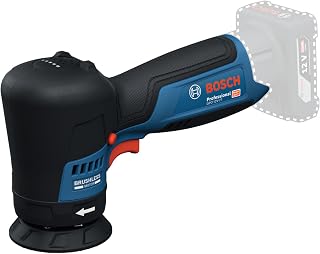


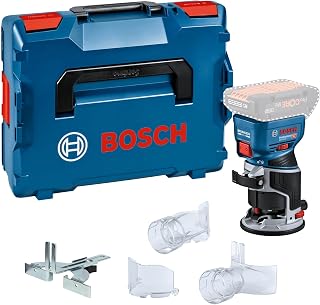


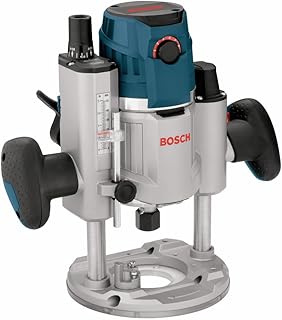


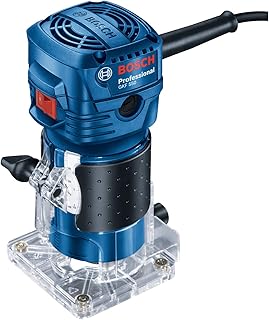


Bosch cordless routers trimmers are designed for users who need greater freedom when carrying out routing and trimming work. A cordless tool removes the need to manage a trailing power cable while you work around a bench, cabinet, workpiece or installation area. This can make detailed tasks easier to position and can help keep the workspace less cluttered.
These tools are well suited to a range of woodworking applications. Depending on the model and compatible accessories, a router trimmer can be used for trimming laminate or veneer edges, rounding timber edges, creating grooves, producing profiles and carrying out other controlled routing operations. They can be useful for furniture making, joinery, cabinetry, renovation projects and detailed DIY work.
One of the main advantages of a cordless router trimmer is freedom of movement. Without a mains cable extending from the tool, you can concentrate on guiding the cutter along the workpiece. This is useful when working on large surfaces or when the work area is away from a convenient electrical outlet.
The compact format of many trimmers also makes them suitable for detailed work. A smaller body can be easier to position around corners and edges. It can also help when you need to make controlled passes across a relatively small workpiece. For professional tradespeople, this flexibility can be valuable when moving between different jobs. For DIY users, it can make occasional woodworking projects more convenient.
Precision is important when using a router or trimmer. Small differences in cutting depth or tool position can affect the final appearance of an edge or groove. Bosch cordless routers trimmers can be considered when you need a tool for controlled routing rather than a general-purpose cutting operation.
When selecting a model, consider the type of work you expect to perform and the cutter sizes or accessories it supports. Depth adjustment is another important feature because it allows the cutting operation to be matched to the material and application. Always follow the manufacturer's instructions and use suitable cutters for the intended material.
A cordless router trimmer can have a place in both home workshops and professional environments. DIY users may use one for improving furniture edges, fitting laminate, making decorative details or completing renovation projects. Professional users may require a dependable tool for repeated trimming and routing tasks during joinery, cabinet installation or interior finishing work.
The right tool depends on workload, material, required precision and how frequently the machine will be used. If portability is a priority, a cordless model can offer a useful alternative to a corded router. For more demanding routing operations, however, it is important to check the model's specifications and intended applications before choosing.
Battery compatibility is an important consideration when choosing a cordless power tool. If you already use compatible Bosch cordless equipment, selecting a router trimmer from the same battery platform may help simplify your tool collection. Users starting a new cordless system should consider the required battery voltage, available battery capacities and whether batteries and chargers are supplied with the selected product.
Battery capacity can influence how long you can work between charges. A higher-capacity battery may be useful for longer jobs, while a lighter battery can be preferable when handling comfort and tool weight are priorities. Check the product specification carefully to understand what is included with the tool.
Routing performance also depends on using the correct accessories. Router cutters are available in different shapes and sizes for tasks such as straight routing, edge profiling, rounding and groove cutting. The accessory must be compatible with the tool and appropriate for the material and application.
Before starting a project, secure the workpiece firmly and check the cutter installation. Make sure the cutter is correctly fitted and that the selected cutting depth is appropriate. Work progressively where necessary rather than attempting to remove too much material in a single pass.
Routing involves a rapidly rotating cutting accessory, so safe working practices are essential. Wear appropriate eye protection and consider suitable hearing protection when the application requires it. Keep hands away from the cutter and maintain a stable grip while operating the tool.
Inspect the workpiece before cutting and remove or account for objects that could interfere with the cutter. Allow the tool to reach the appropriate operating condition before making a controlled cut, and switch it off before making adjustments or changing accessories. Always follow the safety instructions supplied with the Bosch tool and its accessories.
Start by identifying the tasks you need the tool to perform. For occasional edge trimming, a compact model may be sufficient. If you regularly create grooves, profiles or other detailed cuts, look more closely at adjustment options, compatibility and overall specifications.
Also consider battery requirements, tool weight, grip, speed control, depth adjustment and compatibility with the accessories you intend to use. Comparing these factors can help you select a Bosch cordless router trimmer that matches your workshop requirements.
Bosch cordless routers trimmers can provide a convenient combination of cordless mobility, compact handling and controlled routing for woodworking applications. Whether you are working on furniture, cabinetry, joinery or home improvement projects, choosing a tool that matches your materials and intended tasks is essential. Review the available specifications, battery requirements and accessory compatibility before making your choice.
Bosch cordless routers trimmers offer a practical way to handle detailed woodworking, edge finishing and routing tasks without relying on a mains power cable. Designed for jobs where control and manoeuvrability matter, these compact power tools can help create clean edges, decorative profiles, grooves and precise recesses in suitable timber and wood-based materials. Their cordless design is particularly useful when working across different areas of a workshop, on installation jobs or at locations where access to a mains socket is limited.