

♥ Wishlist


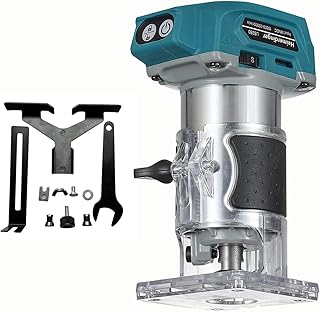


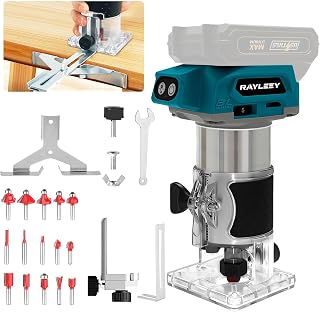


Cordless routers are versatile woodworking tools designed for shaping, trimming, edging and creating detailed profiles in suitable materials. Unlike corded models, they run from a rechargeable battery, allowing you to work without keeping a mains cable close to the cutting area. This can be particularly useful when working on installed furniture, construction projects or jobs where access to a power socket is limited.
When choosing cordless routers in the UK, consider the type of work you regularly undertake. Compact models are well suited to light trimming, laminate work, small woodworking projects and finishing tasks. More powerful designs can be suitable for deeper routing, larger workpieces and demanding applications when paired with the correct cutter and battery system.
One of the main advantages of a cordless router is freedom of movement. There is no mains cable to manage around the workpiece, which can make positioning the tool more convenient. Battery operation can also be useful on building sites, workshops and outdoor locations where mains access is inconvenient.
Cordless operation does not mean sacrificing control. Many modern routers are designed with ergonomic handles, variable speed settings and straightforward depth adjustment. These features can help users achieve cleaner and more consistent results when creating edges, grooves and decorative profiles.
Battery voltage can provide an indication of the platform and power system used by a cordless router. Runtime depends on several factors, including battery capacity, material, cutter size and workload. If you already own compatible batteries from a tool platform, choosing a bare tool can be a practical way to expand your collection without buying another battery and charger.
Variable speed can be valuable when working with different cutters and materials. Lower speeds may be appropriate for certain larger cutters, while higher speeds can support detailed trimming applications. Always follow the manufacturer's recommended operating range for the selected cutter.
Accurate depth adjustment is important for repeatable routing. Look for a mechanism that is easy to operate and provides enough control for the type of work you plan to complete. Clear adjustment markings can also make setup quicker when several cuts need to match.
Check the collet size before purchasing a cordless router and make sure it is compatible with the router bits you intend to use. Common router cutter sizes vary by market and model. Using the correct cutter and securely tightening it according to the manufacturer's instructions is essential for safe and accurate operation.
Cordless routers can be used for a wide range of woodworking applications. They are commonly used for trimming laminate, rounding over edges, cutting grooves, creating rebates and producing decorative profiles. Compact routers can also be useful for cabinet making, furniture projects and finishing work where precise control matters.
For repetitive tasks, a router guide, fence or suitable template can help maintain consistency. Accessories should always be compatible with the specific router model. Using the appropriate setup can improve accuracy and reduce the need for repeated adjustments.
Before buying a cordless router, think about the materials, cutting depth and frequency of use involved in your typical projects. DIY users may prioritise compact size, simple controls and compatibility with an existing battery platform. Professional users may place greater importance on runtime, durability, power, adjustment accuracy and accessory compatibility.
Weight is another useful consideration. A lighter router can be easier to control during detailed work and extended trimming tasks. However, the ideal balance depends on the application. Compare the tool's weight with and without the battery where possible, as battery size can significantly affect handling.
Explore the cordless router category to compare models and identify a tool that matches your woodworking requirements. Consider battery compatibility, speed control, collet capacity, depth adjustment, ergonomics and intended applications before making your choice. Whether you are completing occasional DIY projects or regular woodworking tasks, selecting the right specifications can help you achieve accurate and efficient results.
Always read the manufacturer's instructions before use and select router cutters, accessories and personal protective equipment that are suitable for the application. Secure the workpiece properly, keep hands away from the cutting area and allow the router to reach the appropriate operating speed before beginning a cut.