

♥ Wishlist


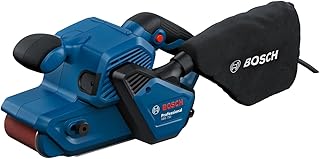


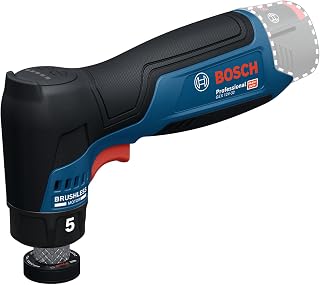


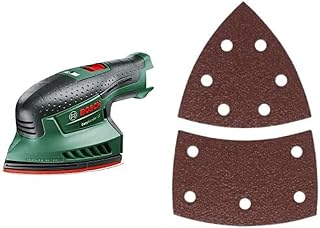


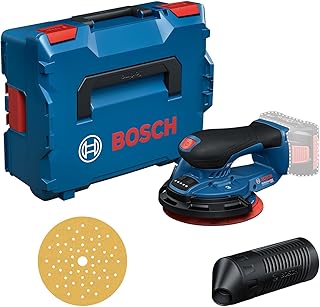


Bosch cordless sanders provide a practical way to prepare and finish surfaces without being restricted by a mains power cable. They are designed for sanding wood, removing old finishes, smoothing edges and preparing surfaces for painting or further treatment. With cordless operation, these tools are particularly useful when working away from a convenient socket or when a clear and flexible workspace is important.
For UK DIY users, tradespeople and professional workshops, Bosch cordless sanders can offer a useful combination of mobility, control and convenient handling. Battery-powered operation reduces the need for extension leads and makes it easier to move around larger workpieces. The right model can also help make repeated sanding tasks more manageable, whether you are restoring furniture, preparing timber or completing finishing work around the home.
Different sanding jobs require different approaches. Before choosing a Bosch cordless sander, consider the type of material, surface area and finish you need to achieve. Compact sanders can be useful for detailed work, edges and smaller surfaces, while larger sanding platforms may be better suited to broader areas. Matching the tool to the job can improve efficiency and help produce a more consistent result.
It is also important to consider the battery system. If you already use compatible Bosch cordless tools, selecting a sander that works with the same battery platform can make your existing equipment more versatile. Battery compatibility can reduce the need to purchase additional batteries and chargers, depending on the specific product configuration.
A major advantage of cordless sanding is freedom of movement. Without a mains cable trailing across the work area, you can position the tool more easily and work in locations where access to electricity is limited. This can be useful for renovation projects, outdoor timber work, workshops and jobs where portability matters.
Cordless sanders can also help keep the workspace less cluttered. Fewer cables around the work area can make it easier to move between different sections of a project. For DIY users, this convenience can make occasional sanding tasks simpler. For tradespeople, portability can be valuable when moving between work areas or completing work on site.
Bosch cordless sanders can be suitable for a variety of preparation and finishing tasks. Typical applications include smoothing timber, preparing wooden panels, refining furniture surfaces, removing light coatings and creating an even surface before painting or varnishing. The suitable application will depend on the specific sander, sanding pad, abrasive and material involved.
When sanding wood, choosing the appropriate abrasive grade is important. Coarser abrasives can be useful for removing material more quickly, while finer grades are generally better for final surface preparation. Using a suitable sanding technique and avoiding excessive pressure can also help achieve a more even finish and reduce unnecessary wear on the abrasive.
Think about the size and shape of the surfaces you normally work on. Ergonomics can be especially important for longer sanding sessions, so consider how the tool feels in the hand and how easily you can control it. Dust management is another useful consideration, particularly when sanding indoors. A suitable dust collection arrangement can help reduce airborne particles and make cleaning easier.
Battery capacity and charging arrangements should also match your intended workload. Occasional DIY projects may require less battery capacity than frequent professional use. If you regularly work for extended periods, having compatible spare batteries can help minimise interruptions. Always check the individual product specification for battery inclusion, compatibility and other equipment supplied with the sander.
Whether you are refreshing furniture, preparing timber for decoration or completing detailed finishing work, a cordless sander can provide a convenient solution. Bosch cordless sanders are suited to users who value the flexibility of battery-powered tools and want to avoid unnecessary restrictions from mains cables. Selecting a model based on the job, surface type, sanding requirements and battery system can help you choose a practical tool for your workshop or project.
Explore the Bosch cordless sanders category to compare available options and identify a model that fits your sanding requirements. Consider the tool format, battery platform, intended applications and accessories before making your choice. Using the correct sander and abrasive combination can help you work efficiently while achieving a smoother and more consistent surface finish.