

♥ Wishlist
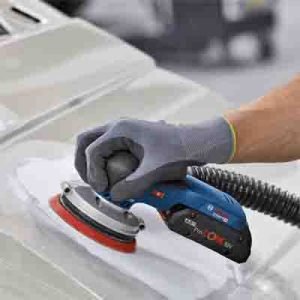

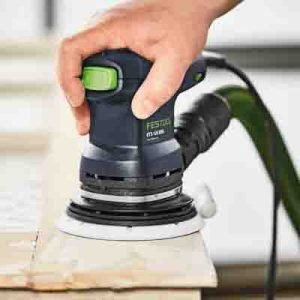
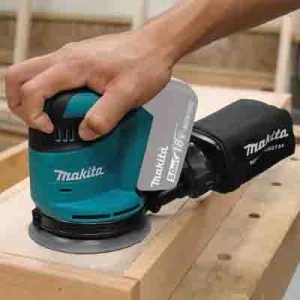
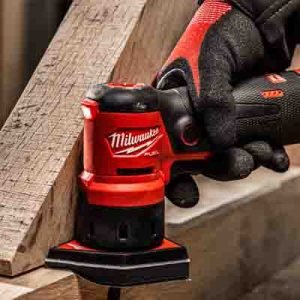


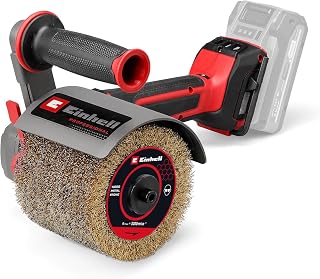


Cordless sanders are designed to make surface preparation and finishing more convenient. Instead of relying on a mains power cable, these tools use rechargeable batteries, giving you greater freedom of movement while sanding. This can be especially useful when working on large furniture, doors, flooring, outdoor projects or areas where access to a power socket is limited. For UK DIY enthusiasts and tradespeople, a battery-powered sander can be a practical addition to a workshop or tool collection.
The best cordless sander depends on the material, surface area and finish you need. Different sanding movements and pad shapes are suited to different applications. Before choosing a model, consider the type of work you regularly carry out, the battery platform you use and whether dust extraction is important for your projects.
Random orbital sanders are versatile options for smoothing timber, removing old finishes and preparing surfaces for painting or varnishing. Their combined orbital and rotational movement helps produce an even finish while reducing the risk of obvious sanding marks. They are suitable for many general woodworking and DIY applications.
Orbital sanders are useful for straightforward finishing and surface preparation. They typically use a rectangular or square sanding pad and are well suited to flat surfaces. A cordless orbital sander can be convenient for doors, boards, panels and furniture where easy movement around the workpiece is important.
Detail sanders are designed for smaller areas and awkward sections. Their pointed sanding pads can help reach corners, edges and shaped surfaces that may be difficult to access with a larger machine. They are a useful choice for furniture restoration, decorative woodworking and detailed finishing jobs.
When comparing cordless sanders, look beyond battery operation and consider the features that affect comfort, control and productivity. Variable speed settings can give you greater control when working with different materials or finishes. A comfortable grip and well-balanced design can make longer sanding sessions easier, while a compact body can be helpful when working in confined areas.
Dust collection is another important consideration. Sanding can produce a significant amount of fine dust, so a suitable dust bag, collection system or extraction connection can help keep the work area cleaner. If you regularly work indoors, check the sander's dust-management arrangement and consider using suitable personal protective equipment.
Battery compatibility is an important part of choosing a cordless sander. Many manufacturers offer battery platforms where one battery can be used across several compatible tools. If you already own compatible cordless equipment, selecting a sander from the same system may allow you to share batteries and chargers.
Runtime varies according to battery capacity, sanding pressure, material and workload. Higher-capacity batteries can provide longer working periods but may add weight to the tool. For occasional DIY jobs, a compact battery may be sufficient, while frequent workshop use may benefit from having spare charged batteries available.
The main advantage of cordless sanding is freedom from a power cable. You can move around a workpiece without managing a trailing lead, which can be particularly useful when sanding furniture, large panels or outdoor items. Cordless tools can also be convenient for quick jobs because there is no need to position the work close to a mains socket.
Modern battery sanders can provide the power needed for a wide range of DIY and woodworking applications. However, performance depends on the specific tool, battery and sanding material. Matching the machine to the job is therefore more important than simply choosing the highest power specification.
For a good finish, choose the correct sanding disc or sheet and start with an appropriate grit. Coarser abrasives are generally useful for removing material or old finishes, while finer grits are better suited to final smoothing. Avoid applying excessive pressure because allowing the sander to work at its intended speed can produce a more consistent result.
Keep the sanding pad moving and avoid concentrating on one area for too long. On timber, sanding with the grain during finishing stages can help create a cleaner appearance. Always follow the manufacturer's instructions for the specific tool and abrasive system you are using.
Whether you are restoring furniture, preparing timber for paint, smoothing boards or completing general DIY work, cordless sanders offer a practical combination of mobility and convenience. Compare the available designs according to sanding action, pad type, battery compatibility, speed control, dust collection and handling comfort.
Choosing a sander that matches your typical projects can make surface preparation faster and more manageable. Consider the materials you work with, the size of your projects and the level of finishing required before making your choice. With the right cordless sander and abrasive, you can achieve smooth, consistent surfaces across a wide range of home improvement and woodworking tasks.
Find the right cordless sander for DIY, woodworking, renovation and finishing tasks. Cordless sanders provide the freedom to work without a mains cable, making them practical for workshops, garages and jobs around the home. From compact detail sanders for corners and intricate surfaces to versatile random orbital and orbital sanders, the right model can help you achieve a smoother, cleaner finish with less effort.