
♥ Wishlist


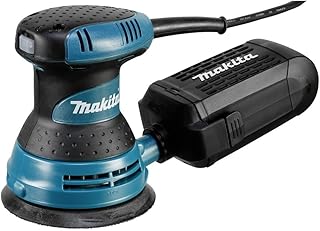


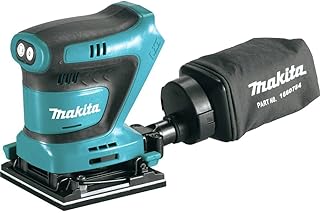


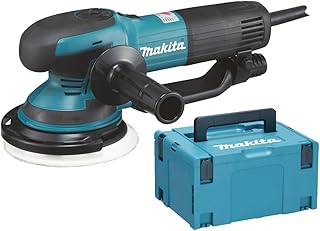
Makita Cordless Sanders are designed for users who want flexible sanding without the limitations of a trailing mains cable. They can be useful in workshops, garages, on building sites and around the home. The cordless design makes it easier to move between work areas and can be especially convenient when working on large surfaces or locations where access to a power socket is limited.
The right sander depends on the material, surface area and finish you want to achieve. Different sanding actions are suited to different applications. Random orbital sanders are popular for general-purpose finishing because they can provide an effective balance between material removal and surface refinement. Finishing sanders are useful when a smoother result is the priority, while compact designs can be helpful for smaller surfaces, edges and detailed work.
A major advantage of a cordless sander is freedom of movement. Without a mains lead running across the workspace, you can position the tool more easily and reduce cable management around the workpiece. This can be particularly useful when sanding doors, furniture, flooring components, timber sections and other large or awkward items.
Battery-powered sanding can also complement an existing cordless tool collection. Users who already own compatible Makita batteries may be able to share batteries between suitable tools, depending on the specific model and battery platform. This can help reduce the need for separate power systems while keeping a workshop or tool kit organised.
Before choosing a cordless sander, consider the type of work you regularly perform. Sanding large wooden panels requires different characteristics from detailed furniture preparation. Think about the sanding action, pad or abrasive format, ergonomics, dust collection, operating speed and battery compatibility.
Runtime is another important consideration. A larger-capacity compatible battery may provide longer working time, although battery size can also affect overall tool weight. If you already use a compatible battery system, check the exact requirements of the sander before ordering. Some listings may be supplied as a bare tool, while others can include batteries, chargers or accessories.
Woodworking is one of the most common applications for cordless sanders. They can be used to prepare timber before painting, staining or finishing, smooth rough areas and refine surfaces after cutting or assembly. For furniture restoration, a suitable sander can also help remove layers of old coating before a new finish is applied.
For woodworking projects, abrasive selection matters as much as the tool itself. Coarser abrasives are generally useful for faster material removal, while finer grades are better suited to final surface preparation. Changing abrasive grade progressively can help produce a more consistent finish.
Ergonomic handling is important when sanding for extended periods. A comfortable grip and balanced design can make the tool easier to control. Variable speed, where available, can give the user greater control over different materials and finishing tasks.
Dust management is another useful feature. Sanding produces fine particles, so a suitable dust collection system can help keep the working area cleaner. Always follow the manufacturer's guidance for dust extraction and wear appropriate personal protective equipment, including suitable eye and respiratory protection when required.
Battery compatibility should be checked carefully before purchasing a Makita cordless sander. Makita offers different cordless platforms and battery systems, so the battery required by one model should not automatically be assumed to fit another. Check the product specification and included items to determine whether you need to purchase a battery or charger separately.
For professionals and frequent DIY users, having several compatible batteries can make cordless working more convenient. One battery can be charging while another is in use, helping minimise interruptions during longer projects.
Always read the manufacturer's instructions before operating a cordless sander. Secure the workpiece properly and use the correct abrasive for the material. Keep hands away from the moving sanding surface and avoid applying excessive pressure. Allow the tool to perform the sanding action rather than forcing it into the workpiece.
Because sanding can generate dust, use suitable ventilation and protective equipment for the material being worked on. Certain older coatings, treated materials or composites may require additional precautions. Follow the relevant safety guidance and product instructions before starting work.
Makita Cordless Sanders can be a versatile addition to a professional or home workshop. Their cable-free operation provides greater freedom around the work area, while different sander designs allow users to select a tool suited to particular sanding requirements. When comparing options, look beyond the tool itself and consider battery compatibility, sanding application, ergonomics, dust collection and the accessories included with the product.
Choosing the right cordless sander can make surface preparation more manageable and help you work efficiently across woodworking, renovation and DIY tasks. Compare the available specifications carefully to find a Makita model that matches your project requirements and existing cordless tool setup.
Makita Cordless Sanders offer a practical way to achieve smooth, consistent sanding without being restricted by a mains power cable. Whether you are preparing timber, refining furniture, removing old finishes or completing detailed DIY projects, a cordless sander can make the job more convenient. Makita is well known for its power tool range, and its cordless sanding solutions are designed to suit a variety of workshop, renovation and site applications. For UK users who already have compatible batteries, choosing a Makita cordless sander can also provide the benefit of using the same battery platform across multiple tools.