

Best Cordless Plunge Saws Products online UK (United Kingdom)
Explore our real-time updated product directory index curated for performance, verified star metrics, and historical consumer trust rankings.
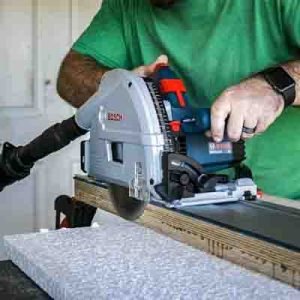
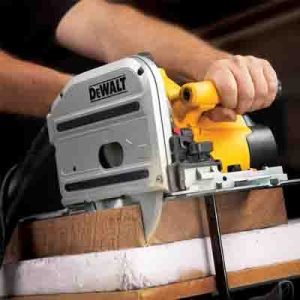
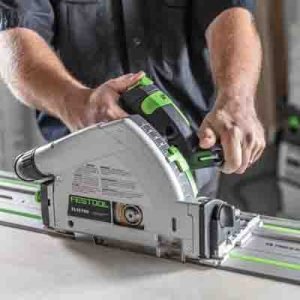
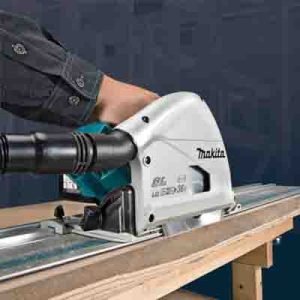
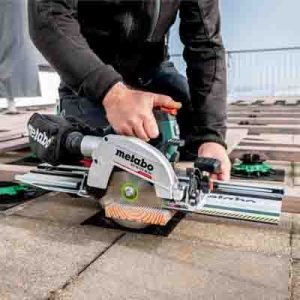


Cordless plunge saws combine the accuracy of a plunge-cutting design with the convenience of battery power. Unlike a conventional circular saw, the blade can be lowered into the material from above. This makes a plunge saw especially useful when you need controlled starts, straight cuts or accurate work on large panels. The cordless design also removes the need to work around a trailing mains cable.
For UK tradespeople, installers, joiners, carpenters and serious DIY users, a cordless plunge saw can be useful for a wide range of cutting applications. It can help with flooring, cabinetry, doors, worktops, shelving and sheet materials. When paired with a suitable guide rail, the saw can follow a predetermined cutting path for improved consistency.
One of the main advantages of cordless operation is mobility. You can move around a workshop or job site without locating a nearby socket or managing an extension lead. This can be particularly convenient during installation work where materials are already positioned in place.
Battery technology also allows modern cordless saws to deliver useful cutting performance without depending on mains electricity. Runtime will vary according to the battery capacity, material, blade, cutting depth and workload, so it is worth considering whether you need additional batteries for longer jobs.
A cordless plunge saw is commonly used for straight cuts in timber and sheet materials. Depending on the saw, blade and manufacturer specifications, applications can include plywood, MDF, chipboard, softwood and other compatible materials. Always check the manufacturer's instructions before cutting unfamiliar materials.
For flooring and cabinetry projects, the controlled plunge action can make it easier to begin a cut precisely. A suitable guide system can also help maintain a straight cutting path across wider boards and panels.
Cutting depth determines the thickness of material the saw can handle at a particular setting. Check both maximum cutting depth and the depth available when using a guide rail. If you regularly work with thicker panels, prioritise a model with suitable capacity.
Blade diameter affects the available cutting depth and the types of applications for which the saw is suitable. The correct blade is equally important. Fine-tooth blades can be appropriate for cleaner cuts in suitable sheet materials, while other blade configurations may be designed for different materials or cutting requirements.
Guide rail compatibility can be an important consideration when accuracy is a priority. A compatible rail can help the saw travel along a straight route and can make repeated panel cuts easier to reproduce. Always check that the saw and rail system are compatible before purchasing accessories.
Some cordless plunge saws offer adjustable bevel angles for angled cuts. If your projects involve cabinetry, joinery or installation work, a suitable bevel range can increase the versatility of the tool.
Battery compatibility is worth checking before you buy. If you already own cordless tools from a particular battery system, selecting a compatible saw may allow you to share batteries and chargers. This can reduce the number of separate charging systems required in your workshop.
Battery capacity is normally expressed in ampere-hours. Higher-capacity batteries can provide longer working time, although they may add weight. For frequent cutting, keeping a charged spare battery available can help reduce interruptions.
Cutting wood-based materials can produce considerable dust. A plunge saw with an effective dust extraction connection can help manage debris when connected to a suitable compatible extractor. Better dust control can make the working area easier to maintain and can improve visibility around the cutting line.
Always use appropriate personal protective equipment and follow the manufacturer's safety instructions. Suitable eye and hearing protection may be required depending on the work environment and material being cut.
For DIY users, a cordless plunge saw can be a useful investment when projects involve large panels or repeated straight cuts. The absence of a mains cable makes setup straightforward and can be useful when working in different areas of a property.
For professional users, factors such as durability, ergonomic handling, cutting accuracy, battery availability and accessory compatibility can become more important. A well-matched saw and guide system can support repeatable results across demanding installation and construction tasks.
Start by identifying the materials and thicknesses you expect to cut most often. Next, check the required cutting depth, blade specifications and bevel range. If straight panel cuts are central to your work, investigate guide rail compatibility. For mobile working, consider battery runtime and whether additional batteries are readily available.
Weight and ergonomics should also be considered. A saw that feels balanced and comfortable can be easier to control during longer cutting sessions. Look for accessible controls, secure depth adjustment and a design that allows you to maintain a stable cutting position.
Explore the cordless plunge saw category at Toptopdeal.co.uk to compare options for woodworking, renovation, installation and general cutting tasks. Consider the specifications that match your projects rather than choosing solely on power or price. The best cordless plunge saw for you will depend on your materials, required cutting depth, preferred battery system and accuracy requirements.
Whether you are preparing sheet materials in a workshop or making precise cuts during an installation, cordless plunge saws can provide a flexible alternative to corded equipment. Choose a suitable model, blade and guide system for the job, and always operate the tool according to its manufacturer's safety guidance.