

Best DeWalt Cordless Plunge Saws Products online UK (United Kingdom)
Explore our real-time updated product directory index curated for performance, verified star metrics, and historical consumer trust rankings.


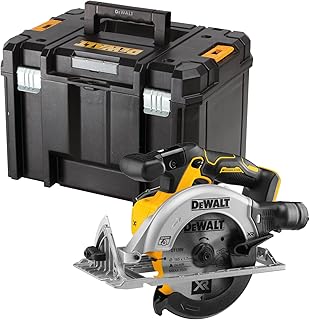


DeWalt cordless plunge saws are designed for users who need controlled, accurate cutting without being restricted by a mains power cable. They are well suited to professional tradespeople, joiners, kitchen fitters, installers and experienced DIY users working with timber and sheet materials. A cordless design can make it easier to move around a workshop, building site or installation area while keeping the cutting setup flexible.
A plunge saw differs from a conventional circular saw because the blade can be lowered into the material at a controlled point. This makes the tool particularly useful when a cut needs to begin away from an exposed edge. When paired with a suitable guide rail, a plunge saw can also produce long, straight cuts with a high level of consistency.
DeWalt has a strong presence in professional power tools, and its cordless systems are designed around practical site use. A cordless plunge saw removes the need to position a power cable close to the cutting path. This can be useful when working in unfinished buildings, outdoor areas or locations where access to mains electricity is limited.
Battery operation also makes the saw easier to relocate between tasks. Instead of setting up an extension lead, users can fit a compatible battery and start working. For tradespeople already using compatible DeWalt batteries, this can provide a convenient addition to an existing cordless tool collection.
Check the battery platform before choosing a cordless plunge saw. Compatibility is important because batteries and chargers may be sold separately depending on the product configuration. If you already own compatible DeWalt batteries, a bare-tool option may help you avoid buying duplicate power packs.
Cutting depth determines the thickness of material the saw can handle in a particular application. Consider both the maximum plunge depth and the depth available when the saw is used with a guide rail. The right specification depends on the timber, boards or sheet materials you regularly cut.
A guide rail can help keep the saw travelling in a straight line. This is especially useful when cutting large boards, worktops, doors and other sheet materials. Before purchasing accessories, check that the rail and saw are designed to work together.
Blade diameter, tooth configuration and cutting speed can all influence results. A suitable blade should match the material and finish required. Fine-tooth blades can be useful where a cleaner finish is important, while other blade designs may be better suited to faster general-purpose cutting.
DeWalt cordless plunge saws can be used for a range of cutting tasks. They are commonly considered for cutting plywood, MDF, timber boards, laminated panels and similar sheet materials. Their plunge mechanism is particularly useful for controlled starting points and accurate panel work.
For kitchen fitting and interior installation, a plunge saw can help with long cuts in worktops and panels when the correct blade and guide system are used. Joinery and carpentry projects can also benefit from the controlled movement of a plunge-cutting tool. Always select a blade suitable for the material and follow the manufacturer's instructions.
One of the main advantages of a cordless plunge saw is freedom of movement. There is no mains cable trailing behind the tool, which can help keep the work area less cluttered. This can be valuable when moving between different parts of a site or when working where electrical sockets are inconveniently positioned.
Battery runtime is an important consideration for demanding work. Your actual runtime will depend on the battery capacity, material, blade, cutting depth and workload. For extended cutting sessions, having additional compatible batteries charged and ready can help maintain productivity.
Start by considering the materials and cutting tasks you perform most often. If your work involves large panels, guide rail compatibility should be a priority. If portability is especially important, consider the overall tool and battery setup. For regular professional use, look at cutting capacity, ergonomics, adjustment controls and compatibility with accessories.
It is also worth considering whether you need a complete kit or a bare tool. A kit can be convenient if you are starting a cordless system, while a bare tool may make more sense for users who already have suitable DeWalt batteries and chargers.
Use a cordless plunge saw only in accordance with the manufacturer's instructions. Check the blade, guards, battery and guide system before starting work. Secure the material properly and keep hands away from the cutting area. Appropriate eye and hearing protection should be used where required by the task and working environment.
Before making a plunge cut, make sure the blade can move through the intended cutting path without contacting hidden objects. Allow the blade to reach the appropriate operating condition before cutting and avoid forcing the saw through the material. Good preparation can improve both cutting control and safety.
DeWalt cordless plunge saws offer a practical combination of cordless mobility, controlled plunge cutting and compatibility with guide-based cutting applications. They can be a useful choice for professional trades and serious DIY projects where accurate panel cutting is required.
When comparing options, focus on the specifications that match your work rather than choosing solely on power or battery capacity. Consider cutting depth, blade size, battery compatibility, guide rail requirements and the accessories you already own. This approach can help you select a plunge saw that fits your existing equipment and the demands of your projects.