

♥ Wishlist
Compare 48 verified Baby and Toddler Toys products in United Kingdom. Reviews, ratings, pros, cons and buying advice updated for November 2026.


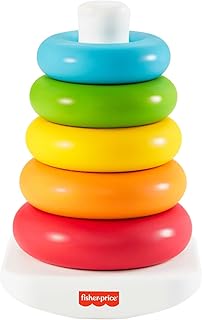


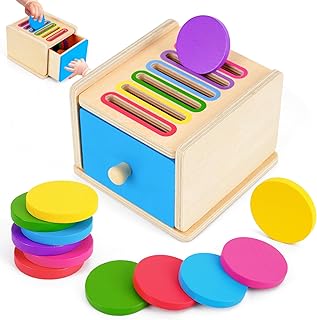

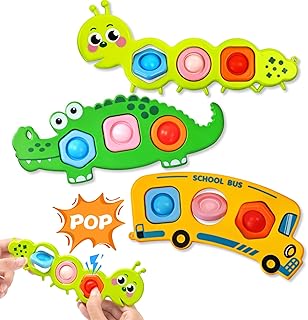


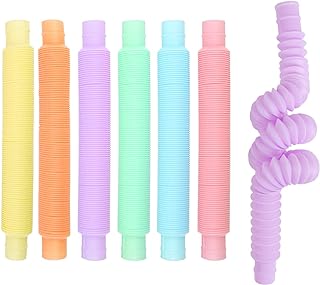


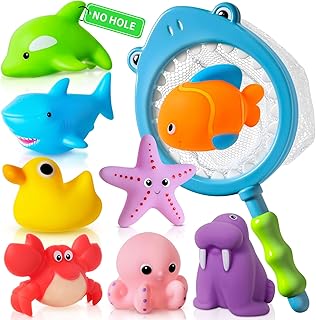


Choosing toys for a baby or toddler involves more than picking something colourful or entertaining. The best choice depends on the child's age, developmental stage, interests, motor skills, attention span and the environment in which the toy will be used. A suitable toy can encourage grasping, movement, communication, problem-solving, pretend play and early social interaction, while a poorly chosen product may simply be too advanced, too fragile, difficult to clean or unsuitable for the child's age. This expanded buying guide looks at the features that matter when comparing baby and toddler toys in the UK. It covers toy types, age suitability, materials, safety considerations, developmental benefits, cleaning, storage, durability, sensory play, travel toys and the differences between popular categories. When comparing products, check the manufacturer's latest specifications, age guidance, safety information and verified customer feedback before making a purchase. The most useful way to compare toys is to start with the child rather than the product. A toy that is excellent for a three-month-old may be inappropriate for an older toddler, while a complicated electronic toy may offer less meaningful play than a simple stacking or building set. Development changes rapidly during the first few years, so age should be treated as an important starting point when comparing toys. Developmental milestones vary between individual children, and toys should never be used as a substitute for professional developmental advice. Very young babies are beginning to develop visual tracking, awareness of sounds and basic hand movements. Suitable toys generally have simple shapes, high-contrast patterns, gentle sounds or textures that can be explored safely under appropriate supervision. Soft rattles, sensory fabrics, high-contrast toys and age-appropriate activity toys can provide opportunities for looking, listening and early reaching. At this stage, avoid choosing products simply because they have many buttons, lights or sounds. Simple sensory input can be more appropriate for a young baby's developing abilities. As babies become more interested in reaching and grasping, toys that can be held, transferred between hands and explored through touch become increasingly useful. Lightweight rattles, textured teethers, soft activity toys and graspable rings are common choices. Consider the size and shape of handles carefully. A toy should be comfortable for small hands without creating unnecessary opportunities for unsafe use. Babies in this stage often become more mobile and increasingly interested in cause-and-effect relationships. Toys that encourage reaching, sitting, crawling, grasping, banging, transferring and simple manipulation can become more engaging. Examples include stacking cups, large activity cubes, soft blocks, simple shape activities and suitable sensory toys. Once a baby starts crawling and exploring the home, toy storage also becomes more important because small household objects can easily become accessible. Toddlers increasingly explore movement, imitation and simple problem-solving. Push-along toys, large building blocks, simple puzzles, pretend-play accessories and musical toys can encourage active participation. Look for toys that allow the child to do something rather than simply watch something happen. Opening, closing, stacking, sorting, pushing and fitting objects together can all create opportunities for hands-on learning. At this stage, pretend play and increasingly purposeful manipulation often become more prominent. Toy kitchens, vehicles, dolls, animals, construction pieces, simple matching games and larger puzzles can support imaginative and practical play. Products with multiple play possibilities can be particularly useful because they may remain interesting as the child develops new ways of interacting with them. Older toddlers can generally engage with more structured games, role play, creative activities and construction toys, provided the particular product is appropriate for their age. Simple board games, larger-piece puzzles, pretend-play sets, drawing materials and building toys can encourage language, coordination and social interaction. Rattles are among the simplest early toys and can encourage reaching, grasping and attention to sound. When comparing rattles, consider weight, grip, construction, ease of cleaning and the manufacturer's age guidance. Teething toys are designed to provide an object for babies to handle and chew. Material, shape, surface texture and cleaning requirements are particularly important considerations. Avoid products with damaged surfaces or components that could become detached. Soft toys can support sensory exploration and early comfort, as well as becoming part of imaginative play later. When comparing them, examine stitching, fabric construction, washable properties and any attached components. Stacking cups, rings and nesting toys provide simple physical challenges while encouraging hand-eye coordination, sequencing and experimentation. Their simplicity is one of their strengths: children can use them in several different ways as their abilities develop. Building blocks can offer excellent long-term play value because there is rarely one correct way to use them. Younger children can practise grasping and stacking, while older toddlers can begin constructing towers, houses, roads and imaginative objects. When comparing blocks, pay attention to piece size, material, surface finish, storage and the manufacturer's age recommendation. Activity centres often combine several functions such as turning, sliding, pressing, opening and spinning. They can provide varied sensory and motor experiences, although a more complicated toy is not necessarily more beneficial. Check whether the toy is stable, whether its controls are appropriate for the intended age and whether the individual activities can be used without excessive frustration. Books are often overlooked when compiling toy lists, but they can be valuable for early communication and shared interaction. Board books and cloth books can be easier for young children to handle, while older toddlers can move towards stories with more detailed pictures and simple narratives. Age-appropriate puzzles encourage children to identify shapes, match pieces and experiment with spatial relationships. For babies and younger toddlers, larger-piece puzzles with simple designs are generally easier to manipulate than complex puzzles containing numerous small components. Pretend play can include toy food, kitchens, dolls, vehicles, animal figures, cleaning sets, tools and role-play accessories. These products can support imitation and imaginative storytelling while encouraging children to practise everyday concepts through play. Musical toys can introduce rhythm, sound and cause-and-effect play. When comparing them, consider volume, controls, durability and whether the child can actively create sounds rather than simply listen to prerecorded content. Bath toys should be selected with cleaning and drying in mind. Products that retain water internally can require particular attention because damp environments can create hygiene challenges. Follow the manufacturer's cleaning instructions and inspect toys regularly for damage or deterioration. Push and pull toys can encourage movement and coordination as toddlers become increasingly mobile. Stability is an important consideration, particularly for products that may be used while a child is learning to walk. Safety should take priority over appearance, novelty and the number of features. Always follow the manufacturer's age guidance, warnings and instructions, and inspect toys regularly rather than assuming that a product remains safe indefinitely. Small components require particular attention around babies and younger toddlers. A product can contain a small part because it is intended for an older child, yet become inappropriate if it is accessible to a younger child in the same household. Families with children of different ages should therefore consider where toys will be stored and whether younger children can access older children's toys. Regularly check sets containing detachable pieces and remove damaged components immediately. Plastic is widely used because it can be lightweight, durable and relatively easy to clean. When comparing plastic toys, consider the quality of construction, surface finish, moving parts and whether the product is designed for the child's intended age. Wooden toys can offer a solid tactile feel and are common in stacking, sorting, construction and pretend-play products. Inspect edges, joints and surface finishes and follow the manufacturer's cleaning recommendations. Fabric toys can provide soft sensory experiences, but they may require more frequent cleaning than smooth plastic or wooden products. Check whether the toy can be washed and how it should be dried and maintained. Flexible materials are commonly found in teethers and sensory toys. Texture and flexibility can make these products appealing to babies, but the manufacturer's material and care information should always be checked before purchase. Electronic toys can provide lights, sounds, music, buttons and interactive activities, while traditional toys often depend more heavily on the child's own actions and imagination. Neither category is automatically better. The more useful comparison is what the child actually does with the toy. A product that encourages pressing one button repeatedly may provide a narrow type of interaction, whereas blocks, pretend-play sets or simple puzzles can allow the child to create different activities independently. For electronic products, consider battery type, battery access, volume, durability, controls and whether the toy can still be used meaningfully without every feature being activated. Open-ended toys such as blocks, stacking cups and pretend-play accessories can be used in many ways. Feature-rich toys often provide more immediate stimulation and structured activities. For many families, a balanced toy collection is more practical than choosing exclusively from one category. Open-ended products can support imaginative play, while structured toys can introduce specific challenges such as matching, sorting or cause-and-effect activities. Durability matters because toys for babies and toddlers can experience repeated dropping, throwing, chewing, washing and enthusiastic handling. A high customer rating can be useful, but it should not be the only factor in a buying decision. Read reviews for patterns and specific observations. Look for repeated comments about durability, actual size, ease of cleaning, battery life, assembly, age suitability and whether children continue using the toy after the initial excitement. Be cautious about drawing conclusions from isolated reviews. A single negative comment may reflect an unusual issue, while repeated complaints about the same component may be more meaningful when comparing products. Well-known toy manufacturers can be useful starting points when comparing construction quality, age ranges and product documentation. Depending on the category, shoppers may encounter brands such as Fisher-Price, VTech, LEGO DUPLO, Playmobil, Melissa & Doug, Hape, Janod, Ravensburger, Tomy and Little Tikes. Brand recognition should not replace product-level comparison. Even within the same manufacturer, toys can differ substantially in age suitability, materials, features and intended use. Always evaluate the individual product rather than assuming that every item from a familiar brand will be the right choice. Look for toys involving grasping, stacking, fitting, turning, pulling, pushing and placing. Suitable examples include stacking rings, nesting cups, chunky puzzles, large construction pieces and activity toys. Products that encourage reaching, crawling, walking, pushing and carrying can support active physical play. Suitable options depend heavily on the child's developmental stage and available space. Books, dolls, animal figures, pretend-play sets and interactive games can create opportunities for adults and children to name objects, describe actions and develop simple stories together. Open-ended building materials, pretend kitchens, vehicles, figures, dolls and role-play accessories can become props for imaginative scenarios. The strongest options often leave room for the child to decide what happens next. Books, puzzles, stacking toys, drawing materials and simple construction sets can be useful when families want calmer activities. The right choice depends on the child's age, attention span and interests. Travel toys should be compact, easy to store and sufficiently engaging without creating unnecessary mess. Small activity books, magnetic puzzles, compact construction toys and simple sensory activities can be practical options where age appropriate. Families with limited space should consider storage requirements before choosing large playsets. A compact toy with several possible activities can sometimes be more practical than a large product designed around a single play pattern. Measure available storage areas before buying bulky products. Also consider whether the toy can be packed away easily and whether pieces are likely to become separated or lost. A useful toy collection does not need to contain dozens of products. A small selection covering different forms of play can provide greater variety. Rotating toys can also make familiar products feel fresh. Instead of keeping every toy available simultaneously, parents can store some items and reintroduce them later. Bright colours and attractive packaging can make products appealing to adults, but appearance says little about whether a toy is suitable for a particular child. A sophisticated toy may be excellent eventually but unsuitable now. Consider whether the child can actually interact with the product safely and meaningfully at the time of purchase. Large activity centres and multi-piece sets can require significant floor and storage space. Check dimensions before committing to a bulky product. Toys handled frequently can accumulate dirt, food residue and other contamination. Products that are difficult to clean may become inconvenient in everyday use. Price alone does not determine developmental value, durability or suitability. A relatively simple toy may provide excellent opportunities for active play. A collection containing several products that perform essentially the same function can create clutter without adding much variety. Compare what each toy contributes to the child's play. A practical comparison should consider the complete ownership experience rather than a single specification. Check the manufacturer's age recommendation and safety warnings first. Age guidance is more useful than choosing based solely on a child's apparent ability. Simple age-appropriate toys that encourage sensory exploration, grasping, reaching, movement and interaction can be useful. Rattles, teethers, soft activity toys, books and stacking products are common examples, depending on developmental stage. Toddlers can benefit from toys that encourage movement, manipulation, language, pretend play, construction and simple problem-solving. Blocks, puzzles, books, vehicles and role-play toys are common options. Not necessarily. Both materials can be suitable when the individual product is well designed and appropriate for its intended age. Compare construction, durability, cleaning requirements, safety information and how the child will actually use the toy. They can be useful when they encourage active interaction and are suitable for the child's age. Compare the quality of the activity rather than simply counting lights, sounds or buttons. The appropriate cleaning frequency depends on the toy, how often it is used and the manufacturer's instructions. Toys that are frequently mouthed or used during meals may need more frequent cleaning than toys used occasionally. It is generally better to follow the manufacturer's recommended age range rather than buying a product simply because the child appears capable of using it. Products containing small parts or more advanced mechanisms may present additional risks to younger children. There is no universal number. A varied selection of suitable toys can provide plenty of opportunities for play without requiring a large collection. Variety and quality of interaction are more useful considerations than quantity. There is no single best toy for every baby. The right option depends on age, developmental stage and interests. Sensory toys, rattles, teethers, soft activity toys, books and simple grasping toys can all be useful when age appropriate. Good toddler toys generally encourage active participation. Building blocks, puzzles, books, pretend-play sets, vehicles, stacking toys and suitable musical or activity products can all provide different forms of play. Prioritise age suitability, safety information, secure construction, appropriate materials, ease of cleaning and a play value that matches the child's developmental stage. They can be, but the label “educational” does not automatically make a product better. Look at the actual activity involved and consider whether the child is encouraged to think, communicate, manipulate, create or solve problems. Products marketed as Montessori-style may emphasise simple, hands-on and open-ended activities, but shoppers should still compare the individual toy's construction, age suitability and purpose. A marketing label should not replace careful product evaluation. A useful developmental toy provides an activity that matches the child's current abilities while allowing opportunities to practise skills such as coordination, communication, movement, problem-solving or imaginative play. Noisy toys can be entertaining, but volume and frequency matter. Consider whether the sound level is appropriate, whether the child can control the sounds and whether the toy offers meaningful interaction beyond repeated audio effects. Consider separate age-appropriate toy areas and storage. Products containing small pieces intended for older children should be kept inaccessible to younger siblings where necessary. Stop using toys that develop cracks, broken components, loose parts or other damage that could affect safe use. Follow the manufacturer's guidance where applicable and replace products when they can no longer be used safely. The best baby and toddler toys are not necessarily the most expensive, largest or most technologically advanced. The strongest choice is the product that is appropriate for the child's age, safe when used as intended, durable enough for everyday handling and capable of providing useful, engaging play. Before buying, compare the manufacturer's specifications with verified customer feedback, check dimensions and materials, understand the age guidance and consider how the toy will fit into your home and daily routine. It is also sensible to compare several alternatives rather than selecting the first product that looks appealing. For 2026 buying decisions, product specifications, availability and retailer pricing can change, so check the latest information before purchasing. Use this guide as a framework for comparing options and choose the toy that best matches the child's developmental stage, interests, available space and the type of play you want to encourage.
Best Baby & Toddler Toys: Buying Guide and Reviews
How to Choose the Right Baby or Toddler Toy
Baby Toys by Developmental Stage
Newborn to Around 3 Months
Around 3 to 6 Months
Around 6 to 12 Months
12 to 18 Months
18 to 24 Months
2 to 3 Years
Baby and Toddler Toy Categories Compared
Rattles and Grasping Toys
Teething Toys
Soft Toys
Stacking and Nesting Toys
Building Blocks
Activity Centres and Activity Cubes
Baby Books and Early Learning Books
Puzzles
Pretend-Play Toys
Musical Toys
Bath Toys
Push and Pull Toys
Toy Safety: What Parents Should Check
Small Parts and Choking Risks
Materials: What Should You Look For?
Plastic Toys
Wooden Toys
Fabric and Plush Toys
Silicone and Flexible Materials
Electronic Toys vs Traditional Toys
Open-Ended Toys vs Feature-Rich Toys
How to Compare Toy Durability
How to Compare Toy Reviews Properly
Best Toy Brands to Consider
Baby and Toddler Toys for Different Needs
Best Toys for Fine Motor Skills
Best Toys for Gross Motor Play
Best Toys for Language Development
Best Toys for Imaginative Play
Best Toys for Quiet Play
Best Toys for Travel
Toys for Small Homes and Limited Storage
How to Build a Balanced Toy Collection
Common Baby Toy Buying Mistakes
Choosing by Appearance Alone
Buying Too Far Ahead
Ignoring Storage Requirements
Overlooking Cleaning
Assuming Expensive Means Better
Buying Too Many Similar Toys
How to Compare Toys Before Buying
Questions to Ask Before Buying Baby or Toddler Toys
Is the toy suitable for the child's age?
What toys are best for babies?
What toys are best for toddlers?
Are wooden toys better than plastic toys?
Are electronic toys good for toddlers?
How often should baby toys be cleaned?
Should I buy toys designed for older children?
How many toys does a toddler need?
Frequently Asked Questions
What is the best type of toy for a baby?
What is the best type of toy for a toddler?
What should I look for in baby toys?
Are educational toys worth buying?
Are Montessori-style toys better?
What makes a toy good for development?
Should toddlers have noisy toys?
How do I choose toys for siblings of different ages?
What should I do with damaged toys?
Final Buying Advice