

♥ Wishlist
Compare 61 verified Miniature Toys for Creative Play products in United Kingdom. Reviews, ratings, pros, cons and buying advice updated for October 2026.


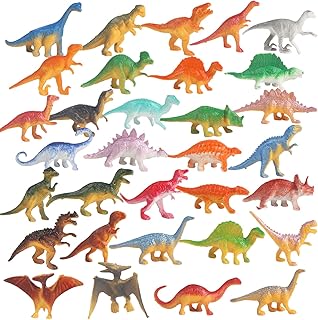

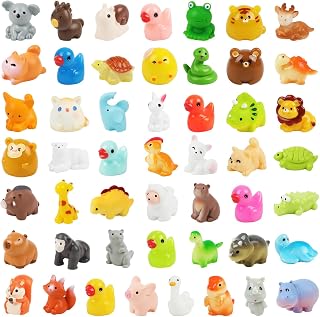



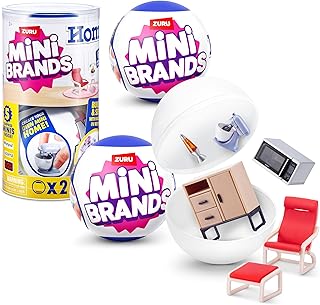


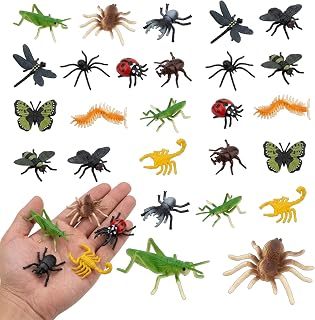
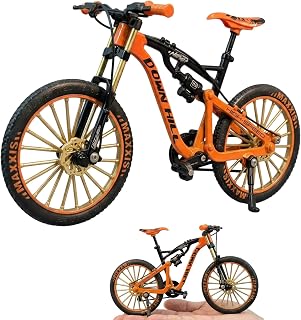


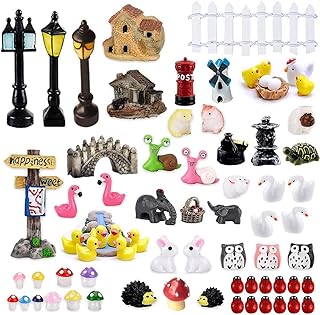


Choosing the best miniature toys is about more than finding the smallest or most detailed model. The right choice depends on the child’s age, the intended type of play, the scale and construction of the toy, the amount of detail required, available space, and whether the miniature is designed primarily for imaginative play, collecting, display or a combination of these uses.
This guide expands the buying considerations that matter when comparing miniature toys in the UK. It covers miniature playsets, dollhouse accessories, tiny vehicles, figures, food and kitchen sets, animals, furniture, craft miniatures and other small-scale toys. Rather than focusing on a single brand or style, the aim is to help shoppers understand which specifications and design characteristics are genuinely useful for different types of buyers.
Miniature toys are small-scale representations of people, animals, vehicles, furniture, household objects, buildings, food and other familiar items. They can form part of an imaginative playset, dollhouse, role-play collection, model scene or display arrangement.
Miniatures vary considerably in size and purpose. Some are designed for young children to handle during everyday pretend play, while others are highly detailed pieces intended for older children, hobbyists or collectors. A miniature toy can therefore range from a simple chunky accessory to a finely finished scale model with several small components.
The distinction is important when shopping because visual detail does not automatically mean better suitability. A highly detailed miniature may be excellent for display but inappropriate for a young child who needs larger, robust pieces for active play.
Dollhouse miniatures are among the most recognisable forms of miniature play. They can include beds, chairs, tables, wardrobes, lamps, kitchen equipment, bathroom accessories, decorations and household items.
When comparing dollhouse accessories, check whether the dimensions are compatible with the dollhouse or room layout already owned. Different miniature ranges can use different scales, so an accessory that looks suitable in a photograph may be disproportionately large or small in the intended setting.
Miniature furniture is useful for creating realistic rooms and encouraging imaginative storytelling. Common pieces include sofas, beds, dining tables, chairs, shelving units, desks and cabinets.
Look closely at construction rather than relying solely on appearance. Furniture with a stable base and sensible proportions is generally easier to position and rearrange. For play rather than display, sturdier construction can be more important than extremely fine decorative detailing.
Miniature cars, buses, vans, tractors, trains, construction vehicles and other small vehicles can add another dimension to pretend play. Some are simple push-along toys, while others reproduce particular vehicle designs with additional moving components.
Important comparison points include wheel construction, axle strength, body material, moving parts, overall size and whether the vehicle is intended for active play or display.
Small figures can be used independently or alongside miniature buildings, vehicles and accessories. They are particularly useful for storytelling because children can create different characters, situations and imaginary environments.
When comparing figures, consider poseability, balance, surface finish, facial detail, clothing details and whether the figures can stand securely. A figure that repeatedly falls over can be frustrating in a detailed miniature scene.
Miniature food, cookware, plates, cups and kitchen accessories are commonly used in pretend kitchens and dollhouse environments. These pieces can help create more realistic role-play scenes without requiring a large play area.
Because these accessories can be particularly small, age suitability and storage deserve careful consideration. Sets containing numerous tiny pieces can be enjoyable but may be harder to keep organised.
Miniature animals can complement farm, woodland, domestic, wildlife and fantasy-themed playsets. Good options typically have recognisable shapes and enough physical definition to make each animal easy to identify.
For active play, a solid construction can be preferable to fragile decorative details. For collecting or display, sculpting, colouring and surface detail may be more important.
A complete miniature playset can be more convenient than purchasing individual accessories because it may provide several coordinated pieces at once. Sets can include a building, figures, furniture, vehicles or themed accessories.
However, a larger set is not automatically better value. Compare the number of genuinely useful pieces, the quality of the components, compatibility with existing toys and the amount of storage required.
For younger children, prioritise age suitability, robust construction and pieces that are easy to grip. Large miniature-style toys can provide the visual appeal of small-scale play while being easier for little hands to manipulate.
Avoid choosing a product purely because it contains a large number of tiny accessories. More pieces can increase the risk of losing components and may make a set less practical for younger children.
Older children may appreciate smaller pieces, more intricate environments and greater opportunities for storytelling. At this stage, miniature toys can become part of creative world-building rather than simply individual play objects.
Look for sets that encourage open-ended play instead of limiting the child to one predetermined scenario. Compatibility with other figures, buildings and accessories can also extend the usefulness of the collection.
Collectors and hobbyists generally have different priorities from children. Scale accuracy, craftsmanship, paint application, materials, realism, rarity and display quality can become more important than impact resistance.
For this type of purchase, examine photographs carefully and compare dimensions with other pieces in the collection. A beautifully detailed item can still look out of place if its scale differs significantly from surrounding miniatures.
The first question should be how the miniature will actually be used. A toy intended for energetic pretend play needs different characteristics from a piece that will remain inside a display cabinet.
Dimensions are particularly important with miniature products because photographs can make objects appear larger than they are. Always check the stated measurements before purchasing.
Measure the available play or display area as well. A miniature set may contain compact individual pieces but still require considerable room once a building, furniture and accessories have been arranged.
Scale is one of the most frequently overlooked factors when buying miniature toys. A collection can look unrealistic when furniture, figures and vehicles are designed to different proportions.
If the miniature is being added to an existing collection, compare its dimensions with pieces already owned. Where a manufacturer specifies a scale, use that information as a starting point rather than assuming that all miniature toys follow the same measurements.
Materials affect weight, appearance, durability and the way a miniature feels in the hand. Plastic is common because it can be moulded into detailed shapes and is relatively practical for play. Wood can provide a different appearance and tactile quality, while metal may be used for selected components or collector-oriented models.
The material itself does not determine whether a miniature is good. Construction quality, joins, moving parts and finishing are equally important.
Inspect how individual components are assembled. For toys intended for regular handling, securely attached parts and sturdy construction are usually more useful than extremely delicate features.
Pay particular attention to wheels, hinges, doors, handles, furniture legs, detachable accessories and other areas likely to experience repeated movement.
Detail can make miniature toys considerably more engaging, especially when creating realistic scenes. Look for moulded features, printed details, textures, colour separation and appropriately scaled accessories.
More detail should not automatically be treated as a sign of superior quality. Extremely fine components can make a toy less suitable for active play and more difficult to maintain.
Doors that open, wheels that roll, drawers that slide and other moving components can increase interactive value. Before choosing a product, consider whether these mechanisms add meaningful play opportunities or simply introduce additional points of failure.
For younger children, simple movement can be preferable to complicated mechanisms. For older children and collectors, functional details may be an important part of the appeal.
Paintwork and printed finishes contribute significantly to how realistic a miniature looks. Compare whether colours appear cleanly applied and whether important details remain clearly defined.
For a mixed collection, colour consistency may also matter. Different manufacturers can use noticeably different interpretations of the same objects, even when their stated scale appears similar.
Small furniture and figures should ideally remain stable when placed on a flat surface. Lightweight objects can be particularly easy to knock over, which may matter during active play.
For displays, stability is even more important because a miniature scene may remain arranged for long periods.
Plastic is widely used for miniature toys because it supports detailed moulding and allows manufacturers to create relatively complex shapes. Plastic pieces can also be lightweight and practical for children.
When comparing plastic products, focus on the quality and thickness of components rather than simply choosing based on material name.
Wooden miniatures can have a distinctive tactile and visual character. They are commonly associated with traditional toys, dollhouses and imaginative play environments.
Check the quality of edges, joints and surface finishing. For toys handled frequently, smooth and well-finished surfaces are particularly important.
Metal can provide weight and a different feel from plastic or wood. It is sometimes used in miniature vehicles and collector-oriented products.
Metal does not automatically make a miniature more durable overall because other components, such as wheels, axles, windows and decorative parts, may still be made from different materials.
Miniature toys can be particularly effective for open-ended role-play because a relatively small collection can represent an entire environment. A child can turn a miniature room into a home, shop, school, restaurant, farm or fictional setting.
The strongest play potential often comes from combining compatible pieces rather than buying the largest individual set. Figures provide characters, furniture establishes environments and accessories provide objects that can drive stories and activities.
When comparing products, therefore, consider how easily each miniature can connect with other toys already owned. Compatibility can make a modest collection considerably more versatile.
Dollhouse shopping requires particular attention to scale. A dollhouse room may look empty if furniture is too small, while oversized accessories can make the entire interior appear cramped.
Before purchasing additional pieces, measure the interior height, floor space and door openings of the dollhouse. Then compare those measurements with the dimensions of prospective furniture and figures.
Display-oriented miniatures require a different buying approach. Instead of prioritising durability alone, consider visual consistency, scale accuracy, paint quality and the overall appearance of the finished scene.
Storage should also be considered before expanding a collection. Small objects are easy to accumulate and surprisingly difficult to organise without dedicated boxes, drawers or display cases.
Collectors should retain product information where appropriate, particularly when different versions or scales exist. This can make future comparisons easier and reduce the risk of accidentally purchasing incompatible pieces.
Safety should always be considered when buying miniature toys. Small components can present a choking hazard to young children, so the manufacturer's stated age guidance should be checked before purchase.
Parents and carers should also consider the child’s individual ability to handle small objects responsibly. Age labels provide an important starting point, but supervision and common sense remain relevant.
The most common mistake is assuming that a miniature will be a particular size based on product photographs. Always check measurements before buying.
Adding attractive pieces from different ranges without checking proportions can result in a collection where furniture, people and vehicles do not look naturally related.
Fine detailing can be appealing, but delicate accessories may not withstand the way younger children play. Robustness and easy handling should take priority where appropriate.
A set containing dozens of accessories is not necessarily better than a smaller, thoughtfully designed collection. Consider whether the pieces are useful, compatible and likely to be played with.
Miniature collections can contain many loose parts. Before buying a large set, consider where everything will be stored and how easily the pieces can be sorted.
Miniature is a broad description rather than a guarantee of identical proportions. Compare actual dimensions and stated scale wherever possible.
Brand selection can be useful when comparing miniature toys, but the right brand depends on the category and intended use. Established toy manufacturers such as LEGO, Playmobil, Sylvanian Families, Schleich, Hot Wheels, Melissa & Doug and Barbie offer different approaches to small-scale play and accessories.
LEGO is particularly relevant when miniature environments are being built from interchangeable construction elements. Playmobil focuses on character-led playsets with themed accessories, while Sylvanian Families is associated with small animal characters, homes and everyday-life settings.
Schleich is worth considering when realistic animal figures are important. Hot Wheels is a familiar option for miniature vehicles, whereas Barbie has a broad ecosystem of dolls, furniture, vehicles and accessories.
Melissa & Doug offers a variety of imaginative-play products and accessories, including products that can complement pretend-play environments. When comparing brands, look beyond reputation and check the specific product's dimensions, construction, age suitability and compatibility with the rest of the collection.
Product specifications can be more useful than marketing descriptions when comparing similar miniatures. Focus on measurable characteristics and practical differences.
Customer reviews can provide useful information that is not always obvious from a product description. When reading reviews, look for repeated comments about construction, dimensions, missing components, ease of assembly, durability and whether the product matches expectations.
Do not rely on a single review to determine quality. A useful approach is to look for recurring patterns across multiple verified customer reviews and then compare those observations with the manufacturer's specifications.
Pay particular attention to reviews from buyers using the product in the same way you intend to use it. A collector's expectations can be very different from those of a parent buying a toy for everyday play.
The cheapest miniature toy is not necessarily the best-value option, and the most expensive set may include features that are unnecessary for your intended use. Value should be assessed against quality, versatility, compatibility and expected frequency of use.
A smaller set with durable components and strong compatibility can be more useful than a much larger set containing accessories that rarely get used.
When comparing current options, check today's prices from trusted retailers because prices, promotions, stock and product bundles can change. Also verify whether the listed price relates to a complete set or an individual accessory.
Storage becomes increasingly important as a miniature collection grows. Small pieces can easily become mixed together, making it difficult to find individual accessories when needed.
Simple compartmentalised storage can help separate figures, furniture, food, vehicles and decorative accessories. For larger collections, labelled containers can make it easier to maintain different themes or playsets.
Display cases can be useful for collector-oriented miniatures, while accessible storage boxes may be more practical for toys that are frequently rearranged.
Small toys can collect dust quickly because their detailed surfaces contain recesses and textured areas. Cleaning should follow the manufacturer's care instructions where available.
One advantage of miniature toys is that they can support imaginative play without requiring the floor space associated with larger play equipment. However, the total footprint of a miniature collection can still become substantial.
For smaller rooms, prioritise compact sets with multiple uses. Products that combine several play functions can provide more opportunities without requiring a large number of separate accessories.
Foldable, stackable or easily stored play environments may also be worth considering when available. The key is to assess the complete storage requirement rather than the size of an individual miniature.
Miniatures can also be incorporated into creative projects, storytelling, photography, dioramas and craft scenes. In these situations, visual appearance and scale may matter more than conventional toy durability.
For creative projects, compare colour, finish, shape, scale and whether the miniature can be positioned securely. Neutral accessories can be particularly versatile because they can be used across different scenes and themes.
Miniature objects can support pretend-play scenarios involving homes, shops, farms, transport, workplaces and everyday routines. Children can use these environments to practise storytelling, sequencing and social role-play.
The educational value comes largely from how the miniature is used rather than from the object alone. Open-ended collections can allow children to invent situations, assign roles and change the environment repeatedly.
Miniature toys are generally more compact and can offer a high number of story possibilities from relatively small objects. Larger pretend-play toys can be easier for young children to handle and may provide a more immersive physical environment.
The better option depends on available space, age, play style and storage. Miniatures are particularly attractive when portability and compact storage are important.
Although miniature toys and collectible models can look similar, their intended purposes may be very different. Toys are generally designed around interaction and play, whereas collectible models can place greater emphasis on visual accuracy and display.
Before purchasing, determine whether the product is designed to withstand repeated handling. A collector-oriented piece may contain delicate details that are not suitable for active children's play.
They can be, provided the selected product is appropriate for the child's age and abilities. Always check the manufacturer's age guidance and consider whether the set contains small detachable components.
Many are, but compatibility depends on dimensions and scale. Check the measurements of both the dollhouse and the accessories before purchasing.
There is no single best material for every use. Plastic can offer detailed moulding and practical handling, wood can provide a distinctive traditional feel, and metal can add weight and a different tactile experience. Construction quality is usually more important than material alone.
Compare their stated scale and actual dimensions. If no scale is provided, measure existing pieces and compare them with the new product's dimensions.
Yes. Figures, furniture, vehicles and accessories can create open-ended environments in which children invent characters and stories. Sets that can be rearranged and combined with other toys tend to offer more flexibility.
Check dimensions, scale, stability, material, construction and compatibility with the intended dollhouse or miniature environment.
No. Price can reflect materials, detailing, branding or the number of included pieces, but the best choice depends on how the product will be used. Compare specifications and construction rather than price alone.
Reviews can highlight practical issues such as durability, dimensions and missing components. Look for recurring patterns across multiple verified customer reviews rather than relying on an isolated comment.
For 2026 buying decisions, the most useful approach is to compare miniature toys according to their intended purpose rather than searching for one universal winner. A child who wants imaginative play may benefit from a durable, expandable playset, while a dollhouse enthusiast may need precise scale compatibility. A collector may prioritise finish and realism, whereas a parent with limited storage space may value compactness and versatility.
Before making a purchase, check the latest specifications, dimensions, age guidance and current retailer information. Product ranges can change, and accessories that appear similar may differ significantly in scale or construction.
It is also worth considering the long-term potential of the purchase. A miniature that works with existing toys or can be expanded gradually may remain useful for longer than an isolated set with limited compatibility.
The best miniature toys depend on the intended use. For imaginative play, prioritise durable figures and accessories that can be combined in different ways. For dollhouses, scale compatibility is essential. For collecting or display, detailing, finish and proportions become more important.
Check age suitability, dimensions, scale, materials, construction quality, included accessories, compatibility and storage requirements. Comparing verified customer reviews and current retailer specifications can also help identify practical differences between similar products.
The best dollhouse miniatures are those that match the scale and dimensions of the dollhouse. Furniture, figures and accessories should have compatible proportions so that the finished environment looks coherent and remains practical to use.
Some are, but suitability depends on the individual product. Always check the manufacturer's recommended age range and consider whether the set contains small detachable parts that may not be appropriate for younger children.
Look for secure construction, clean finishing, well-defined details, stable components and materials appropriate for the intended use. Repeated feedback from verified customer reviews can provide additional insight into durability and practical performance.
They can, but compatibility should never be assumed. Compare dimensions and stated scales before combining products from different brands or ranges. LEGO, Playmobil, Sylvanian Families, Schleich, Hot Wheels, Melissa & Doug and Barbie each have different product ecosystems, so individual specifications should be checked.
Yes. Their small size makes them suitable for themed collections and display scenes. Collectors should pay particular attention to scale consistency, detailing, finish, storage and the condition of individual pieces.
Small compartmentalised boxes, labelled containers and suitable display cases can help keep miniature collections organised. The best storage method depends on whether the toys are frequently played with or primarily displayed.
Use the manufacturer's care instructions where available. In general, gentle dust removal is preferable to harsh cleaning methods, particularly for painted, printed or delicate components. Avoid excessive moisture unless the product is specifically designed to be washed.
A complete playset can be convenient when starting a new theme, while individual accessories can be better when expanding an existing collection. Compare the actual usefulness of the included pieces rather than choosing solely by piece count.
Good value comes from the combination of quality, usefulness, durability, compatibility and versatility. A smaller set that is frequently used and works with existing toys can offer better practical value than a larger collection of accessories that remain unused.
Inspect frequently handled toys periodically, particularly around wheels, hinges, handles, detachable accessories and other small components. Damaged or loose parts should be removed from use where they could create a safety concern.