

♥ Wishlist
Compare 69 verified Furniture for Every Room in Your Home products in United Kingdom. Reviews, ratings, pros, cons and buying advice updated for November 2026.


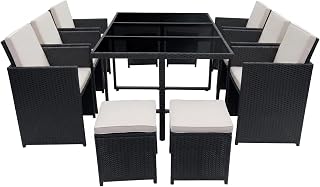


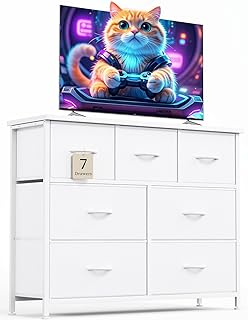


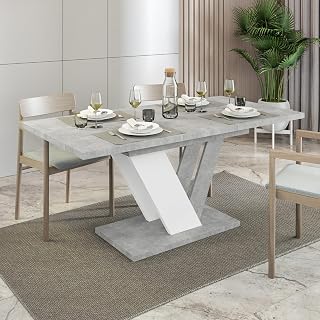


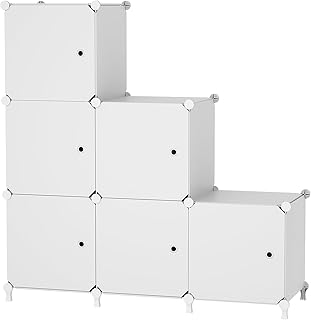
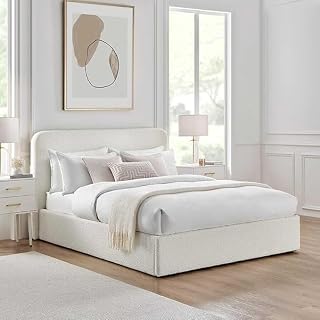


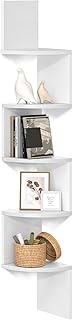


Choosing furniture for a UK home involves much more than finding a design you like. The right piece needs to suit the available space, withstand everyday use, provide the required level of comfort and work with the rest of the room. From sofas and beds to dining tables, wardrobes, bookcases, desks and storage furniture, there can be significant differences in construction, materials, dimensions, functionality and long-term practicality.
This comprehensive buying guide explores the key factors to consider when comparing furniture products in the United Kingdom. It is designed to help with commercial research before purchase, whether you are furnishing a first home, replacing an old item, updating a single room or planning a larger interior makeover.
Well-known names such as IKEA, John Lewis, Dunelm, Habitat, DFS and Ercol can provide useful reference points when comparing furniture styles, materials, construction approaches and specifications. However, the best choice is ultimately the product that matches your own room, budget, usage requirements and expectations rather than simply the most familiar brand.
The best furniture is rarely determined by appearance alone. Before comparing individual products, consider how the item will be used, who will use it, how much space is available and how difficult it would be to replace or move later.
The phrase “best furniture products” covers a wide range of products. Different categories require different buying criteria, so comparing every item in exactly the same way can lead to poor decisions.
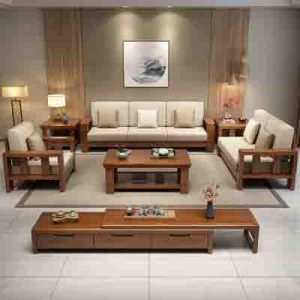
For sofas and armchairs, comfort, frame construction, cushioning, upholstery and dimensions are particularly important. Think about the number of people who will normally use the furniture and whether it needs to withstand children, pets or frequent entertaining.
Check the overall width as well as seat width. A sofa may appear spacious in photographs but have relatively deep or narrow usable seating once the arms and cushions are taken into account.
Seat height and depth also influence comfort. Taller users may prefer a different seating position from someone looking for a compact, upright sofa for a smaller living room. Reclining models, sofa beds and modular designs introduce additional mechanisms and should therefore be assessed for practicality as well as comfort.
When comparing beds, consider mattress compatibility, frame dimensions, support structure, headboard design, under-bed clearance and available storage. The stated bed size should correspond with the mattress dimensions required, but also check the external dimensions because the frame can be considerably larger than the sleeping surface.
Storage beds can be particularly useful in smaller UK bedrooms, while traditional bed frames may provide easier access underneath. Divan-style designs can offer a different combination of storage and support, whereas wooden or metal frames may suit buyers who prioritise a particular appearance.
Wardrobes need careful planning because depth, door movement and internal configuration can have a major effect on usability. Measure the available wall space and allow sufficient clearance for hinged doors if the wardrobe is not a sliding-door model.
Compare hanging rails, shelves, drawers and adjustable compartments rather than judging storage capacity from external dimensions alone. A narrower wardrobe with an efficient internal layout can sometimes be more useful than a larger unit with poorly arranged storage.
A dining table should accommodate the intended number of users without making the room difficult to move around. Measure the table together with the chairs and allow room for people to pull chairs backwards comfortably.
Extendable dining tables can be useful when everyday requirements differ from entertaining needs. When comparing these models, check the extension mechanism, storage location for extension leaves where applicable, and the overall dimensions in both compact and extended configurations.
A desk should provide enough working surface for the equipment you actually use. Consider monitors, keyboards, laptops, documents, lighting and accessories rather than choosing a desk solely by its stated width.
Height is another important consideration. A desk that is too high or too low can make prolonged computer work uncomfortable. Storage drawers, cable-management features and adjustable components can also make a substantial practical difference.
Bookcases and shelving should be assessed according to the objects they need to hold. Check shelf depth, shelf spacing, adjustability and the stated load capacity where provided by the manufacturer.
For tall furniture, consider stability and the manufacturer's guidance concerning installation or securing the unit. This is especially important in households with children or where furniture is positioned in areas with regular foot traffic.
A TV unit needs to accommodate the television while also providing suitable space for connected equipment, media devices, games consoles, speakers and cables. Check both the width of the furniture and the dimensions of the equipment that will sit inside or on it.
Open shelving offers easy access and ventilation, while enclosed cabinets can create a cleaner appearance and reduce visible clutter. Cable openings can also make installation considerably easier.
Material choice affects appearance, durability, maintenance and sometimes the overall weight of furniture. There is no universally superior material because the right option depends on the product and its intended environment.
Solid wood is often chosen for its natural appearance and traditional furniture character. Different timber species have different grain patterns, colours, hardness and finishing characteristics.
Wood furniture can develop changes in appearance over time, particularly when exposed to sunlight, heat or fluctuating environmental conditions. Follow the manufacturer's cleaning and care recommendations rather than assuming every wooden surface can be treated in the same way.
Engineered wood products are widely used in contemporary furniture. MDF and other manufactured wood materials can provide consistent surfaces and are often used for wardrobes, shelving, cabinets and flat-pack furniture.
Pay attention to edge finishing, panel thickness, hardware and assembly quality. Two pieces made from broadly similar sheet materials can have very different levels of perceived quality because of differences in construction and finishing.
Metal can be useful for bed frames, shelving, desks, dining furniture and industrial-style interiors. It can provide a different visual character from wooden furniture and may be particularly appropriate where a slim structural profile is desirable.
When comparing metal products, examine the construction of joints, legs, fixings and moving components. A powder-coated or otherwise finished surface may also have different maintenance requirements from unfinished metal.
Glass can make a room appear visually lighter and is commonly found in coffee tables, dining tables, display furniture and shelving. Look at the manufacturer's specifications and care guidance carefully, particularly where glass forms a load-bearing part of the design.
Fabric sofas and chairs are available in many textures, colours and performance characteristics. When comparing upholstery, consider how frequently the furniture will be used and how easy the surface is to maintain.
For busy households, practical cleaning requirements can be more important than selecting the cheapest or most visually appealing fabric. Check the manufacturer's cleaning instructions before using detergents or specialist treatments.
Leather and synthetic leather-look finishes can provide a distinctive appearance and are available in a range of furniture styles. However, the terms used to describe upholstery can refer to materially different products, so read the specification carefully.
Check whether the upholstery is genuine leather, a combination of materials or a synthetic alternative. Maintenance requirements can also vary considerably between finishes.
Construction quality is one of the most important factors when comparing furniture because attractive finishes cannot compensate for unsuitable structural design.
For sofas, chairs and beds, investigate the frame and support structure where the manufacturer's information provides those details. Look for clear specifications rather than relying on vague descriptions such as “premium” or “heavy duty”.
Furniture joints experience repeated loads during normal use. Screws, bolts, brackets, dowels, hinges and other fittings should be appropriate for the construction and intended load.
For flat-pack furniture, the quality and clarity of the assembly instructions can also affect the finished result. A well-designed product should make it clear how components fit together and which fixings are required at each stage.
Cabinet furniture should be checked for the quality and configuration of its moving hardware. Smooth drawer movement, appropriate runners, sturdy handles and properly aligned hinges can make everyday use much more pleasant.
Soft-close mechanisms can reduce noise and impact, but they should be considered a useful convenience rather than proof of superior overall construction.
Product specifications are especially valuable when several furniture items look similar. Create a simple comparison based on the features that matter to your household.
One of the most common furniture-buying mistakes is measuring only the location where the product will stand. Large furniture must also be capable of reaching that location.
Measure doorways, hallways, staircases, lift interiors and tight corners. For upholstered furniture, consider the packed dimensions if they are supplied. A sofa that technically fits a living room may still be impossible to manoeuvre through a narrow entrance.
For wardrobes and tall cabinets, measure ceiling height and consider skirting boards, sockets, radiators, switches and window openings. For desks and dining tables, account for chairs and the clearance required to move around them.
Compact homes benefit from furniture that performs more than one function. Sofa beds, storage ottomans, extendable dining tables, nesting tables, beds with integrated storage and modular shelving can help make better use of limited floor space.
However, multifunctional furniture should not be selected simply because it offers more features. Consider whether you will actually use those functions and whether additional mechanisms make the product more complicated to operate or maintain.
Visual scale also matters. Large, deep furniture can make a small room feel crowded even when there is technically enough floor space. Slim-profile furniture, raised legs and open shelving can sometimes create a lighter visual effect.
Furniture used every day should be evaluated differently from occasional furniture. In a busy family room, durability, cleanability, storage and robust construction may matter more than delicate detailing.
For dining areas, consider surfaces that can cope with regular cleaning. For living rooms, upholstery and cushion construction deserve particular attention. For children's bedrooms, storage should be easy to access and furniture should be installed according to the manufacturer's safety instructions.
Renters and first-time homeowners often need to balance affordability with flexibility. Furniture that can be moved easily and adapted to different rooms may be more practical than highly specialised pieces.
Flat-pack furniture can be attractive for buyers who expect to move frequently, although assembly quality becomes particularly important. Neutral designs can also make it easier to use the same furniture if your next property has a different interior style.
Furniture style is a personal decision, but longevity can be considered from both a physical and visual perspective. Trend-led furniture may create a strong statement, whereas simpler designs can sometimes remain suitable through multiple interior updates.
Modern furniture often emphasises clean lines, simple profiles and multifunctional features. Traditional furniture may feature more detailed woodwork, decorative elements and classic proportions. Mid-century-inspired designs can combine relatively simple forms with distinctive materials and tapered legs.
When comparing brands such as IKEA, John Lewis, Dunelm, Habitat and Ercol, look beyond the brand name and compare the specific product's construction, dimensions, materials and intended use.
Photographs are useful for judging style, but they do not provide enough information about construction, comfort or practicality. Always examine specifications and product details before making a decision.
A product described as compact may still be too large for a particular room. Always compare the stated dimensions with measurements taken at home.
Furniture can fit against a wall but become difficult to use if doors, drawers or reclining mechanisms cannot open fully.
Price is an important consideration, but the cheapest furniture is not necessarily the best value. Compare materials, hardware, construction, storage and expected usage before deciding.
Large furniture can require considerable assembly. Check the manufacturer's assembly information and determine whether you have the appropriate space, tools and time.
Marketing descriptions can highlight attractive features while leaving important details elsewhere on the product page. Check dimensions, materials, care instructions, included components and compatibility information.
Value for money should be considered in relation to expected use rather than purchase price alone. A dining chair used occasionally in a spare room has different requirements from a chair used every day by a large family.
For frequently used furniture, give greater weight to structural construction, materials, comfort and maintainability. For occasional pieces, appearance, dimensions and flexibility may have greater importance.
A useful approach is to separate essential features from desirable extras. Pay for the characteristics that directly affect how you will use the furniture rather than automatically choosing the model with the longest feature list.
Customer reviews can provide useful insight, but they should be interpreted alongside specifications. Look for recurring comments about the same characteristic rather than relying on one particularly positive or negative review.
Proper maintenance can help furniture remain attractive and functional for longer. The correct approach depends on the material and finish, so always follow the manufacturer's care guidance.
Use cleaning methods appropriate to the particular finish. Avoid assuming that every wooden surface should be treated with the same polish or cleaning product. Excess moisture and unsuitable chemicals can affect some finishes.
Regular vacuuming can help remove loose dust and debris from suitable upholstery. Deal with spills according to the manufacturer's instructions and avoid applying cleaning chemicals without checking compatibility first.
Keep finished metal surfaces clean and dry where appropriate, and inspect joints and fixings periodically on furniture that experiences regular movement or loading.
Do not exceed stated shelf or drawer capacities. Check hinges, runners, handles and other moving components periodically, particularly on heavily used cabinets.
Instead of comparing dozens of products without a clear framework, narrow the selection using a few practical stages.
The most useful features depend on the furniture category, but several characteristics can make a noticeable difference to everyday ownership.
Use this checklist when comparing two or more furniture products:
Long-term value usually comes from a combination of appropriate construction, suitable materials, practical design and correct sizing. A well-made piece that does not fit your room is still a poor purchase, while an attractive product that cannot withstand its intended use may become expensive to replace.
Prioritise the characteristics you cannot easily change later. Dimensions, structural layout and storage configuration should generally receive more attention than decorative details that can be changed through accessories or room styling.
Focus on seating comfort, room proportions, upholstery, storage, television compatibility and traffic flow. Avoid filling every available area with furniture; usable circulation space is part of a successful layout.
Prioritise bed dimensions, mattress compatibility, wardrobe capacity, bedside storage and movement around the room. Storage furniture should be selected according to the clothing and belongings you actually need to organise.
Consider seating capacity, table dimensions, chair clearance, surface durability and whether an extendable design would be useful.
Focus on desk dimensions, working height, chair compatibility, cable management, storage and the amount of equipment used every day.
Compact storage can be particularly useful in hallways, but depth must be carefully controlled so that furniture does not obstruct normal movement. Narrow consoles, shoe storage and coat storage can be practical where the available space allows.
The best furniture depends on the room, budget, available space and intended use. Rather than choosing one universal “best” product, compare construction, materials, dimensions, comfort, storage and customer feedback for the specific furniture category you need.
Well-known brands including IKEA, John Lewis, Dunelm, Habitat, DFS and Ercol can be useful starting points for comparison. However, brand reputation should not replace evaluation of the individual product's specifications, materials, construction and suitability.
Measure the available space and compare it with the complete product dimensions. Also measure doorways, hallways, staircases and other access routes. Remember to account for doors, drawers, reclining mechanisms and other moving parts.
Solid wood can offer an attractive natural appearance and durable construction, but it is not automatically better for every application. Engineered wood and other materials can be appropriate depending on the design, environment, budget and intended use.
Check overall dimensions, usable seating space, seat height and depth, frame construction, cushioning, upholstery, maintenance requirements and access into the property. If the sofa is intended for everyday use, give greater attention to construction and upholstery suitability.
Compare external dimensions, internal storage configuration, hanging space, shelves, drawers, door type and available clearance. Make sure the wardrobe can be safely positioned and assembled in the intended room.
Flat-pack furniture can offer practical designs and easier transportation, but the finished quality depends on the individual product and assembly. Follow the instructions carefully and check that all fixings are correctly installed.
Prioritise correct dimensions, multifunctional designs and useful storage. Consider furniture with a smaller footprint, extendable components or integrated storage where these features genuinely solve a problem.
Ratings can be useful but should not be the only deciding factor. Read the written feedback, examine recurring comments and compare those observations with the published specifications.
There is no universal replacement schedule. Furniture should be assessed according to its condition, structural integrity, comfort, functionality and suitability for your current needs. Well-maintained furniture may remain useful for many years, while heavily used or damaged items may need earlier replacement.
The strongest furniture purchase is one that solves a real need without creating new practical problems. Before choosing a product, measure the room and access route, identify the features that genuinely matter, compare materials and construction, review the specifications and consider how the furniture will perform under everyday use.
Use established furniture brands such as IKEA, John Lewis, Dunelm, Habitat, DFS and Ercol as useful comparison points, but judge individual products on their own merits. A familiar name does not automatically make every item the right choice for every home.
For commercial research, compare several alternatives rather than selecting the first attractive product you find. Check today's specifications and retailer information before purchasing because product configurations, availability and pricing can change. Where customer reviews are available, use them alongside technical information to build a balanced view of the product.
Whether you are searching for the best sofa, bed, wardrobe, dining table, office desk, storage unit or complete furniture solution, the most reliable approach is to match the product's dimensions, construction, materials, functionality and maintenance requirements to the way you actually live.