

♥ Wishlist
Compare 43 verified Men's Shoes for Every Style and Occasion products in United Kingdom. Reviews, ratings, pros, cons and buying advice updated for November 2026.

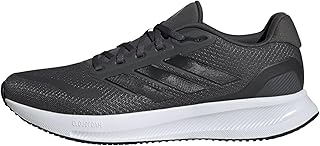


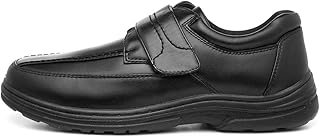


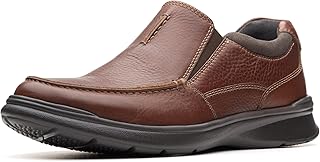


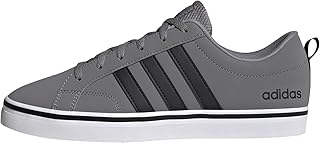


Choosing the right men’s shoes is about more than appearance. A good pair needs to suit the way you walk, the amount of time you spend wearing it, the surfaces you use it on, the weather you are likely to encounter and the level of support and durability you expect. Two shoes can look almost identical while differing considerably in construction, cushioning, fit, flexibility and suitability for particular occasions.
This independent buying guide is designed to make comparison easier when looking at men’s shoes in the UK. Rather than treating every shoe as interchangeable, it explains the practical differences between trainers, formal shoes, loafers, boots, sandals, casual shoes and other common styles. It also covers materials, soles, fit, construction, comfort, care and the specifications worth checking before making a purchase.
Well-known brands such as Clarks, Adidas, Nike, New Balance, Skechers, Timberland, Dr. Martens, Hush Puppies, Ecco and Loake offer very different approaches to footwear. Brand reputation can be useful, but the right choice still depends on the individual shoe, its construction and how you intend to use it.
There is no single specification that makes a shoe the best option for every man. A shoe that works well for commuting may be unsuitable for long-distance walking, while a lightweight trainer may be a poor choice for a formal workplace. The best footwear balances the characteristics that matter for its intended purpose.
Trainers are among the most versatile categories of men’s footwear. However, everyday trainers, running shoes, gym shoes and lifestyle trainers are not necessarily designed for the same purpose. A running shoe is engineered around repetitive impact and movement, whereas a lifestyle trainer may prioritise appearance and everyday comfort.
When comparing trainers, look beyond the brand name and consider the cushioning system, upper construction, outsole pattern, heel-to-toe profile, flexibility and intended activity. For everyday use, comfort and versatility may matter more than specialised performance features.
Walking shoes are designed with repeated foot movement in mind and can be useful for commuting, travel, leisure walks and everyday outdoor use. Important characteristics include cushioning, heel stability, outsole grip, flexibility and upper durability.
If you regularly walk on pavements, the requirements can be different from those of someone walking on muddy paths or uneven ground. Consider the terrain before choosing a sole pattern. Aggressive tread can provide useful grip outdoors, while a smoother outsole may be more appropriate for predominantly urban use.
Formal shoes are commonly associated with office wear, weddings, interviews, ceremonies and business clothing. Oxford, Derby, brogue, monk-strap and other traditional silhouettes each have different visual characteristics.
Oxford shoes generally have a more closed-lacing appearance and are often associated with formal outfits. Derby shoes have a more open-lacing construction and can provide a slightly more versatile look. Brogue detailing adds decorative perforations and can make a traditional shoe appear less severe.
When assessing formal shoes, pay particular attention to the upper material, sole construction, toe shape, heel height, internal comfort and overall finish. A visually attractive shoe is not necessarily a comfortable shoe, especially if the last does not suit your foot shape.
Loafers offer a slip-on alternative to traditional lace-up footwear and can work across smart-casual and formal wardrobes depending on their design. Penny loafers, tassel loafers and more minimalist styles can produce noticeably different results.
Because loafers do not rely on conventional laces for adjustment, getting the correct fit is particularly important. The heel should feel secure without excessive slipping, while the forefoot should have sufficient room for natural movement.
Men’s boots cover a broad range of styles, from smart leather Chelsea boots to rugged outdoor footwear. Before comparing boots, identify whether you need them primarily for appearance, everyday use, work, walking or adverse weather.
Useful specifications include upper material, outsole compound, tread depth, ankle support, waterproofing claims, lining, fastening system and construction method. A heavily lugged outsole can be useful on loose or wet terrain but may be unnecessary for an urban wardrobe.
Chelsea boots are recognisable by their ankle height and elasticated side panels. Their relatively clean silhouette makes them suitable for many smart-casual wardrobes. Leather versions can work particularly well with tailored trousers, chinos and dark denim, while suede versions generally create a more relaxed appearance.
Pay attention to the shape of the toe, height of the shaft, elasticity of the side panels and construction of the sole. A close-fitting ankle area should feel secure without making the boot difficult to put on or remove.
Chukka boots typically have a shorter ankle profile and a relatively simple upper. Their restrained design can bridge the gap between casual shoes and more traditional boots.
Suede chukkas are often associated with casual styling, while polished leather versions can look smarter. As with all footwear, the material should be assessed alongside the intended environment because suede generally requires more careful protection from moisture and staining.
Men’s sandals can be useful during warmer weather, holidays and casual outdoor activities. The most important considerations are footbed comfort, strap placement, sole grip, adjustability and ventilation.
For walking, look for a secure fastening system and a sole with appropriate traction rather than choosing solely on appearance. Flip-flops are convenient for short casual use but are not automatically the best option for long periods of walking.
Leather remains a popular footwear material because of its appearance, structure and potential to develop character with use. Full-grain, corrected-grain, split and other leather categories can have substantially different characteristics, so simply seeing the word leather does not provide enough information to judge a particular shoe.
Leather footwear can require regular cleaning and conditioning depending on the finish. Excessive moisture, heat and unsuitable cleaning products can affect the material, so care instructions should always be followed.
Suede has a softer, more textured appearance than smooth leather and is frequently used for casual shoes, loafers, chukkas and trainers. Its texture can make marks and water exposure more noticeable, so maintenance is an important part of ownership.
A suede brush and a product specifically intended for the relevant material may be useful, but care products should be tested and used according to the manufacturer's instructions.
Synthetic materials can provide consistent appearance, low-maintenance surfaces and useful resistance to particular forms of wear. Their performance varies considerably according to the material and construction used.
Do not assume that synthetic automatically means inferior or superior. Examine the complete shoe, including ventilation, flexibility, lining, reinforcement and outsole construction.
Mesh and textile uppers are common in trainers because they can help reduce weight and improve airflow. They can be particularly attractive for warm-weather or active use.
The trade-off can be reduced resistance to water, staining or abrasion compared with some more structured materials. If the shoe will be used outdoors in changeable UK weather, check whether the upper has any specific weather-resistance treatment.
The outsole is one of the most important components to examine because it is the part that interacts directly with the ground. Its material, tread pattern, flexibility and thickness all influence the way a shoe behaves.
Rubber is widely used because it can provide traction and abrasion resistance. The exact performance depends on the compound and tread design rather than the word rubber alone.
EVA is commonly used in lightweight footwear because it can provide cushioning without adding excessive weight. Different formulations and constructions can produce different levels of firmness and resilience.
Thermoplastic materials can be used in midsoles, outsoles or structural components. Their role varies between footwear designs, so specifications should be interpreted in the context of the complete shoe.
Leather soles are traditionally associated with smarter footwear and can provide a distinctive appearance and underfoot feel. They are generally more closely associated with indoor or relatively dry conditions than heavily treaded outdoor soles.
Correct sizing is only the starting point. Foot shape varies between individuals, and sizing conventions can differ between brands and models. A nominal UK size does not guarantee that every shoe in that size will feel the same.
The shape of the toe box affects both appearance and comfort. Narrow, pointed shoes can create a very different fit from rounded or square-toe designs.
For formal footwear, the visual shape of the toe can influence how traditional or contemporary the shoe appears. For everyday footwear, sufficient forefoot space is generally more important than matching a particular silhouette.
Do not assume that a shoe will become dramatically wider simply because it is made from leather. Some materials can soften with use, but persistent pressure or an unsuitable shape should not be treated as something that must be endured until the shoe "breaks in".
Footwear comfort involves several interacting features rather than cushioning alone. A very soft shoe is not automatically more comfortable for every wearer or every activity.
Footwear can become uncomfortable when heat and moisture accumulate inside the shoe. Breathable uppers, moisture-managing linings and suitable socks can help create a more comfortable environment.
However, breathability and water resistance often involve different design priorities. A highly ventilated mesh trainer may not provide the same protection from rain as a more enclosed waterproof boot. Choose according to the environment rather than assuming that one feature is universally better.
These terms should not automatically be treated as interchangeable. A water-resistant finish may help repel light moisture, whereas footwear described as waterproof may use a membrane, sealed construction or other measures intended to provide greater protection.
When a product makes a waterproof or water-resistant claim, check the manufacturer's specification and understand the conditions under which the claim applies. Seams, tongues, openings and wear over time can all affect practical protection.
A useful comparison should consider the complete specification rather than focusing on one headline feature. A practical comparison checklist includes:
Office footwear requirements depend heavily on workplace dress codes. Traditional business environments may favour Oxford or Derby shoes, while smart-casual workplaces can allow loafers, understated trainers or Chelsea boots.
For daily commuting, comfort and weather practicality deserve additional consideration. A beautiful formal shoe may not be the most sensible choice if it requires substantial walking in wet conditions every day.
For people who spend much of the working day standing, look closely at cushioning, fit, heel stability and overall weight. The most formal-looking option is not necessarily the most practical for prolonged wear.
For weddings, formal dinners and ceremonies, the shoe should complement the level of formality of the outfit. Black leather Oxford shoes are a traditional choice for many highly formal combinations, while brown Derby shoes, loafers and brogues can offer greater flexibility for less formal dress codes.
Consider the full outfit before choosing footwear. Suit colour, trouser cut, belt colour, shirt, accessories and the formality of the venue all influence which shoes will look appropriate.
Everyday footwear should be selected around actual routines rather than theoretical versatility. If one pair will be used for commuting, shopping, casual social occasions and weekend activities, prioritise comfort, easy maintenance and styling flexibility.
Neutral colours such as black, white, grey, navy, brown and understated combinations can integrate easily with a broad wardrobe. More distinctive colours and designs can work well when the shoe is intended to become a central part of an outfit.
Travel footwear needs to balance comfort, practicality and luggage constraints. A versatile pair can reduce the number of shoes required, but attempting to use one shoe for every situation can also create compromises.
British weather makes material and outsole selection particularly relevant. For wet pavements, a sole with dependable traction can be more useful than an extremely smooth outsole. For persistent rain, footwear with appropriate water protection may be preferable.
Leather footwear should be maintained according to its finish, while suede needs particularly careful handling around moisture. Trainers with fabric uppers can be comfortable but may require more consideration during wet weather.
Spring footwear often needs to cope with variable temperatures and occasional rain. Versatile trainers, lightweight casual shoes, loafers and adaptable boots can all work depending on the wardrobe and weather.
Breathability becomes more important during warmer conditions. Mesh trainers, lightweight textile shoes, loafers and sandals can all have a role. Consider ventilation alongside foot security, particularly when walking for extended periods.
Autumn often calls for footwear that can handle damp pavements and changing conditions. Leather shoes, Chelsea boots, chukkas and more weather-ready trainers can be practical choices.
Winter footwear should be evaluated for warmth, traction, water protection and sole design. Boots are often more suitable for exposed conditions than lightweight trainers, particularly where cold or wet surfaces are expected.
A shoe can look excellent in product photography and still be unsuitable for your foot shape or intended use. Always consider fit and construction alongside appearance.
Running shoes, walking shoes, fashion trainers and work shoes can have different design priorities. Selecting a shoe because it looks similar to another category can result in an unsuitable purchase.
Length alone does not determine fit. If your feet are particularly wide or narrow, investigate whether the manufacturer provides different width options.
Cushioning preference is subjective and depends on the shoe's intended use. Excessively soft footwear is not automatically the best choice for every wearer.
The sole is easy to overlook when shopping online, yet it directly affects traction and durability. Product photographs showing the underside of the shoe can provide useful information.
Different lasts, materials and construction methods mean that sizing can vary. Check the relevant manufacturer's guidance rather than relying exclusively on the size of another pair.
A shoe that fits comfortably with thin summer socks may feel different with thicker winter socks. Consider how the footwear will actually be worn.
Footwear should not rely on painful pressure or restricted toe movement to achieve a sleek appearance. Persistent rubbing, pinching or numbness are warning signs that the fit may be unsuitable.
Brand can be a useful starting point because established manufacturers often have consistent design philosophies and broad sizing information, but it should not replace product-level comparison.
For example, Adidas and Nike cover numerous trainer categories, while Clarks offers a broad selection of smart, casual and everyday footwear. New Balance is known for a wide range of trainer and walking-oriented designs, while brands such as Loake and Ecco occupy different parts of the smart and comfort footwear market.
The important question is not simply whether a brand is respected. Ask whether the specific model has the construction, fit, materials and features required for your use.
Goodyear welted footwear uses a welt to join the upper, insole and sole structure. This traditional construction is strongly associated with durable formal and boot footwear and can offer advantages in terms of repairability, although the complete design still determines how the shoe performs.
Blake construction uses stitching through the upper, insole and outsole. It can produce a relatively streamlined shoe and is commonly found in smarter footwear.
Cemented shoes attach the upper and sole using adhesive. This approach is widely used across modern footwear and allows manufacturers to create lightweight, flexible designs efficiently.
Some footwear combines adhesives, stitching, moulding and additional reinforcement. When comparing shoes, consider the complete construction rather than assuming that one construction method is automatically best for every situation.
Durability depends on repeated use, care, construction, environment and individual wear patterns. There is no single specification that guarantees how long a shoe will last.
Online product specifications can contain useful information, but they need to be interpreted carefully. A long specification list does not automatically indicate a better shoe.
For example, "synthetic upper" tells you something about the material category but not necessarily its quality. "Rubber outsole" describes the outsole material but does not tell you how aggressive the tread is. "Cushioned insole" indicates a comfort feature but provides limited information about firmness or long-term feel.
The most useful approach is to combine several specifications and assess whether they collectively match your intended use.
Regular maintenance can help preserve the appearance and condition of footwear. The correct care method depends on the material, finish and manufacturer's instructions.
Remove surface dirt before applying any care product. Use products designed for the particular leather finish and avoid applying unsuitable household cleaners. Excessive product can also affect the appearance, so follow the manufacturer's guidance.
Allow damp suede to dry naturally away from direct heat. A suitable suede brush can help restore the nap after drying. Stubborn marks may require a product specifically designed for suede.
Many trainers can be cleaned with a soft brush or cloth and mild cleaning methods, but not every trainer should be machine washed. Check the manufacturer's care instructions before using water, detergent or a washing machine.
Wet shoes should generally be allowed to dry naturally. Direct high heat from radiators, hairdryers or other strong heat sources can affect adhesives, leather and synthetic materials.
Shoe trees can help formal leather footwear retain its shape between wears. They can be particularly useful for maintaining the structure of smarter shoes.
Replacement should be based on condition and suitability rather than a fixed calendar period. Signs that footwear may need replacing include severely worn tread, damaged structural components, persistent deformation, compromised soles, exposed internal materials or deterioration that affects comfort and safe use.
Cosmetic wear alone does not necessarily mean a shoe has reached the end of its useful life. Conversely, a shoe that still looks acceptable can have significant wear in the sole or internal structure. Examine both appearance and function.
Rather than asking which shoe is universally the best, it is more useful to identify the strongest option for a particular requirement.
Customer reviews can provide useful real-world context, but they should be interpreted alongside specifications rather than treated as a substitute for them.
Look for recurring comments about sizing, width, comfort, durability, sole grip, material quality and whether the product matches its description. A single review describing an unusual problem provides less information than a consistent pattern across many independent customer experiences.
Also distinguish between reviews discussing the same model and reviews referring to an entire brand. A brand can have excellent and poor products within the same category, so model-specific feedback is more useful for a purchasing decision.
Cross-brand comparison becomes more useful when identical criteria are applied to every option. Instead of asking whether one brand is better, compare the relevant models on fit, construction, materials, intended use, sole design, comfort features and care requirements.
For example, a New Balance trainer and an Adidas trainer may both be suitable for everyday use but offer different fits and cushioning characteristics. Similarly, a Clarks formal shoe and a Loake formal shoe can occupy overlapping use cases while differing in construction, styling and fit.
Brand reputation can help create a shortlist, but the final decision should be based on the individual product.
A higher purchase price does not automatically guarantee that a shoe is the right choice. The value of footwear comes from the combination of suitability, fit, construction, materials, expected frequency of use and maintenance requirements.
For occasional formal events, spending heavily on features you rarely use may not make sense. For everyday footwear worn for many hours each week, comfort and construction can become more important because the shoe receives substantially more use.
When comparing prices, compare like with like. A lightweight fashion trainer, a technical walking shoe and a traditionally constructed leather shoe serve different purposes and should not be judged by price alone.
A versatile footwear collection does not necessarily require a large number of pairs. The aim is to cover the situations you regularly encounter without buying several shoes that perform essentially the same role.
The ideal combination depends on lifestyle. Someone working in an office may need several smart options, while someone working outdoors may place greater emphasis on durable and weather-ready footwear.
Before buying, compare the complete product information rather than relying on a product title or promotional description. Confirm the intended use, sizing information, materials, fastening system, sole construction and care requirements.
It is also sensible to check the latest product specifications, current customer feedback and retailer information before purchasing because footwear models can change between production runs or seasons.
Where a particular feature is essential, such as waterproofing, a wide fit, removable insoles or a specific material, verify that feature directly in the manufacturer's or retailer's current specification rather than assuming it from photographs.
The best men’s shoes depend on intended use, fit, budget, preferred style and required features. A comfortable everyday trainer may be the best option for one person, while a formal leather shoe, walking shoe or weather-resistant boot may be more appropriate for another.
Brands including Clarks, Adidas, Nike, New Balance, Skechers, Timberland, Dr. Martens, Hush Puppies, Ecco and Loake are among the established names worth considering across different footwear categories. The most suitable brand depends on the particular product and your requirements.
No. Price alone does not establish whether a shoe is better suited to your feet or intended use. Compare construction, materials, fit, comfort, durability features and purpose before judging value.
A well-fitting shoe should feel secure without creating painful pressure. There should be appropriate room around the toes, the heel should remain reasonably secure and the foot should not slide excessively inside the shoe.
Neither material is universally better. Leather can offer a traditional appearance and structured feel, while synthetic materials can provide consistent finishes and useful practical characteristics. Choose according to the intended use, maintenance preferences and required performance.
Versatility depends on your wardrobe and lifestyle, but understated trainers, simple loafers, Derby shoes and clean Chelsea boots can cover a broad range of smart-casual situations. Neutral colours generally provide more outfit combinations.
Many trainers are well suited to everyday wear, but the appropriate model depends on how you use them. Lifestyle trainers and technical sports footwear have different design priorities, so choose according to activity rather than appearance alone.
Focus on fit, cushioning, stability, flexibility and outsole traction. The appropriate combination depends on whether you primarily walk on pavements, trails, uneven ground or a mixture of surfaces.
Footwear with suitable water protection, enclosed construction and an outsole designed for wet surfaces can be useful. Always check the manufacturer's specific water-resistance or waterproofing information because these terms can describe different levels of protection.
There is no universal replacement schedule. Inspect the footwear for excessive outsole wear, structural damage, persistent deformation and deterioration that affects comfort or function. Usage frequency and environment have a major influence on lifespan.
Clean them appropriately, use material-specific care products, dry wet footwear naturally, store shoes correctly and rotate frequently worn pairs where practical. Regular inspection can also identify sole or structural wear before it becomes severe.
Ratings can be useful but should not be the only deciding factor. Read reviews for recurring comments about fit, sizing, comfort, durability and actual use, then compare those observations with the product's specifications.
There is no single specification that matters most for every shoe. Fit and suitability for the intended use should normally come first, followed by relevant factors such as cushioning, materials, construction, grip, weather protection and durability.
The strongest footwear purchase is not necessarily the most fashionable, most expensive or most highly rated option. It is the shoe that fits correctly, performs the job you actually need it to do and works with your wardrobe and routine.
Start by defining the purpose, then compare fit, construction, materials, sole design, comfort features, weather suitability and maintenance requirements. Once those practical factors have been narrowed down, use styling, colour and brand preference to make the final choice.
For online purchases, always check the latest specifications, sizing guidance, customer feedback, retailer information and current price before completing an order. Product ranges, colours, specifications and availability can change, so current information should take priority over older buying advice.
This approach makes it easier to compare men’s shoes objectively and identify the option that offers the right balance of comfort, practicality, appearance and long-term value for your individual needs.