

♥ Wishlist
Compare 66 verified Men Sports Shoes for Training, Running and Everyday Wear products in United Kingdom. Reviews, ratings, pros, cons and buying advice updated for November 2026.


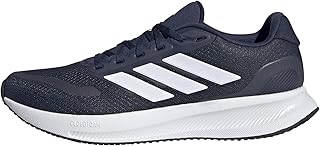

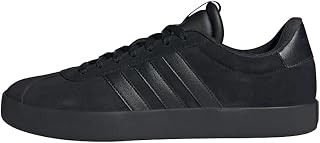


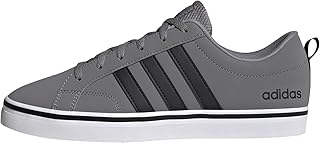

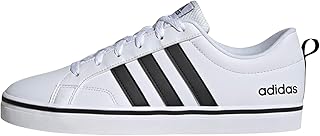


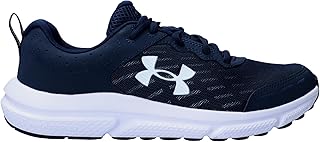


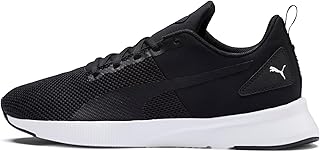

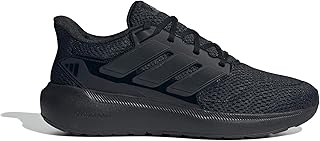
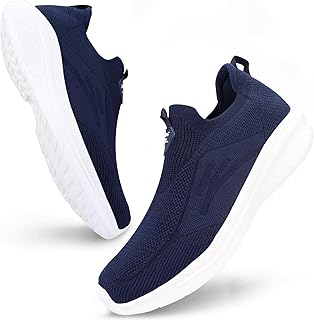


Choosing the right pair of men’s sports shoes is about more than finding a familiar brand or selecting the most attractive design. The best option depends on how you intend to use the shoes, the surface you normally train on, how much support and cushioning you prefer, the shape of your feet, and the demands placed on the footwear during everyday activity. Sports shoes designed for running are not necessarily the best choice for gym training, while football boots, walking shoes, tennis shoes and court trainers are built around very different movement patterns. Even within a single category, models can vary considerably in cushioning, stability, flexibility, upper construction, outsole compound, heel-to-toe geometry and overall fit. This guide provides a deeper framework for comparing men’s sports shoes in the UK. Rather than treating one model as universally best, it explains which characteristics matter for different activities and how to assess specifications before buying. Brands such as Nike, Adidas, New Balance, ASICS, Puma, Reebok, Under Armour, Brooks, Saucony and Mizuno offer footwear across a wide range of sports and training requirements, but the right choice should always be based on the shoe’s construction and intended use rather than the logo alone. The most important question is not simply “Which sports shoe is best?” but “Which sports shoe is best for the activity I actually do?” A shoe that feels excellent during a steady run may feel unnecessarily bulky during strength training, whereas a lightweight gym trainer may not provide the cushioning or construction expected for repeated road running. Running shoes are engineered around repetitive forward movement and impact management. Road-running models commonly prioritise cushioning, weight, smooth transitions and grip suitable for paved surfaces. Some models emphasise a soft, protective sensation, while others are designed to feel firmer and more responsive. When comparing running shoes, examine the midsole material, overall cushioning level, heel-to-toe geometry, upper fit and outsole coverage. A highly cushioned shoe is not automatically better; comfort and running style are personal, and some runners prefer a more direct connection with the ground. Training shoes are generally designed for a broader range of movements than dedicated running shoes. Gym sessions may include resistance training, short bursts of cardio, circuits, jumps and lateral movements. A suitable training shoe often needs a reasonably stable platform and an outsole capable of maintaining traction during changes of direction. Excessively soft or tall cushioning can feel less stable during exercises where controlled foot placement matters. Walking footwear is typically judged by comfort over longer periods rather than high-speed athletic performance. If the shoes will be used for commuting, shopping, travel and regular walking, priorities can include cushioning, breathable materials, secure fit, flexible forefoot construction and outsole durability. A versatile sports-style trainer can also be useful for everyday wear, although lifestyle trainers and performance footwear should not automatically be treated as interchangeable. Construction intended primarily for appearance may not provide the same characteristics as a dedicated athletic shoe. Football footwear is highly dependent on playing surface. Firm-ground, artificial-ground and indoor footwear use different outsole configurations because the interaction between studs, soleplate and playing surface is fundamentally different. When comparing football boots, check the surface designation before considering appearance or brand. The wrong outsole type can affect traction and may be unsuitable for the surface on which the boots are intended to be used. Court sports involve repeated lateral movement, braking and rapid changes of direction. Tennis shoes therefore have different priorities from conventional running shoes. Look for an outsole appropriate to the court surface, a secure upper, adequate lateral support and a construction that allows controlled movement. If a shoe is intended for a particular court type, its surface compatibility should be treated as a primary buying criterion rather than an optional feature. Basketball footwear is designed around jumping, landing, acceleration and frequent directional changes. Cushioning, ankle-area construction, traction and lateral containment can all influence the suitability of a model. Some players prefer lightweight shoes that prioritise mobility, while others prefer a more substantial platform with additional cushioning. There is no single construction that is ideal for every playing style. The upper is the part of the shoe that surrounds the foot. Modern sports shoes commonly use engineered mesh, woven textiles, synthetic materials, knitted constructions or combinations of several materials. Mesh is frequently used where ventilation and flexibility are priorities. More structured synthetic panels can provide additional support around areas that experience movement. Some shoes combine flexible textile sections with overlays to create a balance between breathability and foot containment. When comparing uppers, consider where the shoe flexes, how securely it holds the midfoot and whether the material appears appropriate for the activity. Breathability can be especially useful during prolonged exercise, while durability and structure may be more important for high-abrasion activities. The midsole is central to the feel of a sports shoe. It influences cushioning, energy return, stability, flexibility and the way the foot transitions through movement. Different manufacturers use their own foam technologies and naming systems. Nike uses technologies such as Air and ZoomX across different footwear ranges; Adidas uses technologies including Lightstrike and Boost; ASICS uses GEL and FF-series cushioning systems; New Balance offers several Fresh Foam and FuelCell constructions; and Brooks uses cushioning platforms including DNA LOFT. These technologies should not be compared purely by their marketing names. The complete midsole geometry, foam formulation, shoe weight, outsole construction and intended activity all contribute to how footwear performs. The outsole is responsible for contact with the ground and plays a major role in grip and durability. Different sports require different tread patterns and rubber arrangements. The heel area should provide a secure feel without creating uncomfortable pressure. The midfoot should hold the foot sufficiently for the intended activity, particularly when the shoe will be used for lateral movement or rapid acceleration. People with different foot shapes can experience the same shoe very differently. A narrow, standard or wide-fitting construction can have a major effect on comfort, so the listed width options should be checked where available. One of the most useful comparisons when shopping for sports shoes is cushioning versus responsiveness. A softer shoe can provide a plush sensation and may feel comfortable during long periods of movement. A firmer or more responsive shoe may provide a more immediate sensation during faster movements. Neither approach is universally superior. Consider the activity, personal preference, body size, training intensity and the surfaces on which the shoes will be used. Fit is one of the most important factors in sports footwear, yet it is often overlooked when shoppers concentrate on cushioning technology or brand reputation. The toes should have sufficient room to move naturally without the foot sliding excessively inside the shoe. A toe box that is too narrow can become uncomfortable during prolonged activity, while excessive space can reduce security. The heel should remain reasonably secure during walking, running and changes of direction. Excessive heel movement can be distracting and may indicate that the shoe shape is not suitable for your foot. The midfoot should feel held without excessive compression. Pay attention to the position of laces, overlays and structural panels, especially if you have a high-volume or particularly narrow foot. Width is not simply a comfort detail. It can affect how effectively the foot sits on the shoe platform. Some manufacturers provide different width categories, which can make it easier to find a suitable fit. Do not assume that a size number will fit identically across every manufacturer. Always check the specific brand's sizing information and consider the shape of the model. Sports shoes should be assessed by actual fit rather than by size label alone. Running footwear is sometimes divided into neutral and stability-oriented categories. These labels can help narrow a search, but they should not be treated as a substitute for understanding how a particular shoe feels and fits. Neutral designs generally allow the shoe's cushioning and geometry to accommodate the runner without prominent additional stability elements. Stability-oriented models may incorporate structural features or geometry intended to provide a more guided sensation. If you are uncertain which construction is appropriate, compare the shoe's intended use, fit and design characteristics rather than assuming that a stability model is automatically more supportive or that a neutral shoe is automatically less supportive. Brand comparison can be useful because manufacturers often develop distinctive approaches to cushioning, fit, upper design and outsole construction. However, individual models can differ substantially within the same brand. The most useful brand comparison is therefore model-to-model. A well-designed shoe from one manufacturer may suit a particular foot shape or activity better than a similarly priced shoe from another brand. Colour and styling matter for many buyers, but appearance should not be the primary selection criterion for performance footwear. A visually appealing shoe can still be unsuitable for the activity or poorly matched to your foot shape. Using running shoes for court sports, lifestyle trainers for demanding workouts or football boots on an unsuitable surface can create a mismatch between the footwear and the activity. A shoe can have excellent cushioning and still feel uncomfortable if the width is unsuitable. Always consider the shape of the toe box and midfoot. Maximum cushioning is not automatically the best choice. Some activities benefit from a stable and responsive platform, while some users simply prefer a firmer ride. The outsole directly interacts with the surface. Buying based entirely on the upper and midsole can lead to an inappropriate traction pattern for your activity. Individual reviews can be useful, but footwear fit is highly personal. A shoe that feels excellent to one person may not suit another person's foot shape or training preferences. Compare multiple sources, specifications and verified customer feedback where available. Sports shoe ranges frequently evolve. A newer generation may have different cushioning, materials, geometry or fit from an earlier version carrying a similar model name. Check the exact model and generation before comparing specifications. Product specifications can look complicated, but a small number of fields are particularly useful when comparing several models. Heel-to-toe drop refers to the difference in stack height between the heel and forefoot. It can influence the overall sensation of a running shoe and how the foot transitions through a stride. A higher drop and lower drop shoe can feel noticeably different even when their cushioning levels are similar. However, drop should not be viewed in isolation. Midsole geometry, rocker design, flexibility, cushioning and individual running mechanics also influence the overall experience. If you are replacing a familiar shoe, a substantial change in geometry may feel different from simply moving between two models with similar construction. Compare the complete design rather than selecting solely on the drop number. UK weather can vary considerably, so the ideal sports shoe may depend on when and where it will be used. Highly breathable uppers can be appealing during warmer conditions, while more protective construction may be useful in colder or wetter environments. However, breathable mesh should not automatically be described as waterproof, and water-resistant materials should not automatically be treated as fully waterproof. Check the manufacturer's specific description for the exact model. For outdoor exercise, also consider how quickly the upper and lining may dry after exposure to moisture. For indoor training, breathability and ventilation can become more important than weather protection. Shoppers with wider feet should pay particular attention to available width options, toe-box shape and the way the upper holds the foot. A shoe that technically fits in length can still be uncomfortable if the forefoot is too restrictive. Do not assume that a wider-looking shoe is necessarily a wide-fit model. Check the manufacturer's sizing information and look for explicitly stated width variations where available. When trying or evaluating a wider-fit sports shoe, consider whether the foot remains secure during movement. Additional room should not result in excessive sliding inside the shoe. Weight is an important specification, particularly for runners and users who prioritise agility. Lightweight footwear can feel less cumbersome, while more substantial shoes may incorporate additional cushioning, structure or protective materials. There is always a broader design trade-off to consider. A lower weight does not automatically mean superior performance, and a heavier shoe is not necessarily more durable or supportive. Compare weight alongside cushioning, stability, upper construction and intended activity. Established sports brands can provide useful consistency in product development and category knowledge, but brand reputation should be treated as a starting point rather than the final decision. Individual models within the same manufacturer's range can have completely different purposes. A premium running shoe from one brand may be unsuitable for a gym workout, while a lower-priced training shoe may be exactly what a gym user needs. The strongest buying process is to shortlist reputable manufacturers and then compare the exact models based on use, specifications, fit and independent customer feedback. Customer reviews can reveal practical information that specification tables do not always communicate, particularly around fit, comfort, durability and sizing. However, reviews should be interpreted carefully. A large number of reviews does not automatically make a shoe the best option. Relevance is more useful than volume when researching footwear. There is no universal replacement date that applies to every sports shoe. Usage frequency, activity, body weight, running surface, construction and individual wear patterns all influence lifespan. Instead of relying exclusively on a calendar, inspect the footwear regularly. Appropriate care can help preserve the condition of sports footwear, although cleaning and maintenance cannot prevent normal wear indefinitely. Remove loose dirt before cleaning. Follow the manufacturer's care instructions for the specific materials, particularly where synthetic overlays, suede-like sections, leather or specialised textiles are involved. Allow wet footwear to dry naturally in a suitable ventilated area. Excessive direct heat can affect some materials, adhesives and structural components. If you train frequently and have more than one suitable pair, rotating footwear can be practical. This also allows one pair to dry fully after use when necessary. Store sports shoes in a dry environment away from excessive heat and moisture. Avoid leaving performance footwear compressed under heavy objects for extended periods. Sports footwear manufacturers use extensive technology names to distinguish their products. These terms can be useful for identifying a particular construction, but they should not replace practical comparison. When evaluating a named technology, ask what it actually contributes to the shoe. Does it alter cushioning, stability, weight, energy return, traction, breathability or durability? More importantly, does that characteristic matter for your activity? For example, a complex cushioning system may be highly relevant to a distance runner but far less important to someone purchasing shoes primarily for weight training. The value of a feature depends on how it solves a genuine requirement. Look for a balanced trainer with comfortable cushioning, dependable grip, a versatile upper and enough support for everyday walking and light exercise. Avoid choosing an aggressively specialised shoe if you need one pair to cover several low-intensity activities. Prioritise a model designed specifically for your running surface and compare cushioning, weight, geometry, fit and outsole construction. The best running shoe is the one whose characteristics align with your preferred running experience. Prioritise stability, traction and controlled movement. A very soft running shoe may not provide the same stable sensation during strength exercises and lateral training. Focus on comfort, fit, cushioning, breathability and outsole durability. If the shoes will be worn for many hours, small fit differences can become more important than headline performance features. Choose footwear designed for the specific court activity and surface. Lateral containment and appropriate outsole traction deserve particular attention. Look for a durable upper, suitable outsole grip and construction that matches the terrain. If conditions can become muddy or uneven, conventional road trainers may not provide the traction expected from dedicated outdoor footwear. If two models appear similar, compare them systematically rather than choosing the one with the stronger marketing description. Value should not be confused with the lowest purchase price. A cheaper shoe can represent poor value if it does not suit your activity or fit correctly, while a more expensive model may be worthwhile if its construction genuinely matches your requirements. Consider the total usefulness of the shoe. If you need a dedicated running model, paying for features relevant to running can make more sense than purchasing an inexpensive general-purpose trainer. Conversely, if you only need footwear for occasional light exercise, a highly specialised performance model may provide little practical benefit. There is no single best sports shoe for every man. The right choice depends on the activity, surface, foot shape, cushioning preference, required stability and budget. A dedicated running shoe may be ideal for road running but inappropriate for court sports or heavy gym training. No. Price can reflect materials, technology, construction and positioning, but a more expensive shoe is not automatically better for your particular use. The best value comes from choosing features that genuinely match your requirements. Nike and Adidas both offer extensive sports footwear ranges across running, training and team sports. However, the suitability of an individual model depends on its construction, intended activity and fit rather than the brand name alone. ASICS offers a broad selection of running footwear with different cushioning and support characteristics. Compare the specific model's fit, intended use, cushioning, geometry and outsole rather than assuming every ASICS running shoe will feel the same. New Balance offers footwear in different width options across parts of its range. Availability varies by model, so check the exact shoe's sizing and width information before purchasing. They can be suitable for some gym activities, particularly cardio-based sessions, but dedicated training shoes can offer a more stable platform for strength training and multidirectional movements. Consider the exercises you perform most frequently. Some training shoes can handle short or occasional running, but they are not necessarily designed for the repetitive demands of regular running. Frequent runners should generally compare footwear specifically designed around their running surface and training needs. A good fit should provide secure heel and midfoot containment while allowing adequate room around the toes. The correct amount of space depends on the shoe's intended activity and your foot shape, but the foot should not slide excessively inside the shoe. Neither extreme is desirable. Sports footwear should feel secure without creating uncomfortable pressure. The heel and midfoot should remain controlled while the forefoot provides sufficient room for natural movement. Running shoes are generally designed around repetitive forward movement and cushioning, whereas training shoes are intended for a broader range of movements, including lateral exercises and strength training. Their geometry, outsole and stability characteristics can therefore differ substantially. Focus on comfortable fit, suitable cushioning, breathable construction, flexible movement and an outsole appropriate for everyday surfaces. If walking involves long periods on hard pavement, comfort and fit should receive particular attention. Some models are offered in multiple width options. Availability varies between brands, ranges and individual models, so check th
Men’s Sports Shoes Buying Guide for 2026
How to Choose the Best Men’s Sports Shoes
Sports Shoe Categories Explained
Men’s Running Shoes
Men’s Gym and Training Shoes
Men’s Walking and Everyday Sports Shoes
Men’s Football Boots
Men’s Tennis and Court Shoes
Men’s Basketball Shoes
Understanding Sports Shoe Construction
Upper Materials
Midsole and Cushioning
Outsole and Traction
Heel and Midfoot Structure
Cushioned vs Responsive Sports Shoes
Sports Shoe Fit: What to Check Before Buying
Toe Box
Heel Security
Midfoot Fit
Width Options
When to Recheck Your Size
Men’s Sports Shoes for Different Activities
For Running
For Gym Workouts
For Walking
For Outdoor Training
Running Shoe Comparison: Neutral vs Stability Designs
Men’s Sports Shoe Brands Worth Comparing
Common Mistakes When Buying Men’s Sports Shoes
Choosing Solely by Appearance
Buying the Wrong Category
Ignoring Width
Assuming More Cushioning Is Always Better
Ignoring the Outsole
Relying on One Review
Assuming Every Version Is Identical
How to Compare Sports Shoe Specifications
Understanding Heel-to-Toe Drop
Breathability, Weather and Seasonal Use
Sports Shoes for Wider Feet
Lightweight vs Heavier Sports Shoes
How Important Is Brand Reputation?
How to Use Customer Reviews Properly
When to Replace Men’s Sports Shoes
How to Care for Sports Shoes
Cleaning
Drying
Rotation
Storage
Men’s Sports Shoes: Performance Features vs Marketing Features
Best Men’s Sports Shoes by Buyer Priority
Best for Everyday Versatility
Best for Running Performance
Best for Gym Training
Best for Walking
Best for Court Sports
Best for Outdoor Mixed Use
Sports Shoe Buying Checklist
How to Compare Two Men’s Sports Shoes
What Makes a Sports Shoe Good Value?
Questions to Ask Before Buying
Frequently Asked Questions About Men’s Sports Shoes
Which are the best men’s sports shoes?
Are expensive sports shoes always better?
Are Nike and Adidas good brands for men’s sports shoes?
Is ASICS good for running?
Are New Balance sports shoes suitable for wider feet?
Can running shoes be used for gym workouts?
Can gym shoes be used for running?
How should men’s sports shoes fit?
Should sports shoes be tight or loose?
What is the difference between running shoes and training shoes?
What should I look for in sports shoes for everyday walking?
Do men’s sports shoes come in wide sizes?