

♥ Wishlist
Compare 47 verified Hacksaw Hand Tool for Precise Cutting products in United Kingdom. Reviews, ratings, pros, cons and buying advice updated for November 2026.


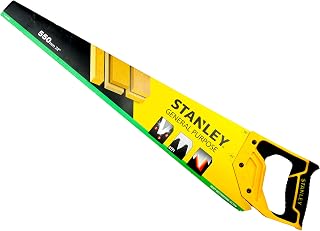


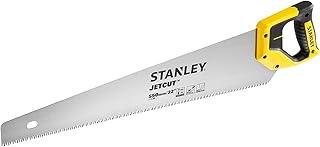





A good hacksaw remains one of the most useful hand tools for cutting metal, plastic, threaded rod, conduit, pipe and other workshop materials. Unlike powered cutting tools, a hacksaw is inexpensive to operate, easy to control and useful in situations where portability, quiet operation or precise manual cutting matters. The challenge is choosing a frame and blade combination that suits the material and the type of work you actually do.
When comparing the best hacksaw hand tools in the UK, it is worth looking beyond the frame alone. Blade quality, tooth pitch, tension adjustment, handle comfort, frame rigidity, cutting depth and replacement-blade compatibility can have a greater effect on everyday performance than appearance. A well-designed frame fitted with the correct blade can make difficult cuts considerably easier, while an unsuitable tooth pitch can cause slow cutting, snagging or premature blade wear.
This expanded buying guide explains the important specifications, blade choices, materials, ergonomics, maintenance requirements and common purchasing mistakes to consider before choosing a hacksaw. It is intended as an independent consumer guide for comparing products from established manufacturers such as Bahco, Stanley, IRWIN, Draper and Faithfull.
A hacksaw is a manually operated frame saw designed primarily for cutting relatively hard materials. The traditional design consists of a rigid frame, a replaceable narrow blade, blade-mounting points and a handle. The blade is tensioned between the front and rear supports so that it remains sufficiently rigid during a cutting stroke.
Most general-purpose hacksaws use replaceable blades with teeth arranged along one edge. The user applies controlled pressure while moving the blade backwards and forwards through the workpiece. Because the cutting action is produced by the teeth rather than by a powered motor, the operator has considerable control over the cut.
Hacksaws are particularly useful for:
The frame determines how comfortably and securely the tool can be used, but the blade determines how the teeth interact with the material. Choosing the correct blade is therefore one of the most important decisions when comparing hacksaws.
Two blades that look similar can behave very differently because of differences in tooth pitch, tooth geometry, material and construction. A coarse blade can remove material quickly from a thick section, whereas a finer blade is generally better suited to thinner material where a coarse tooth pattern may catch or damage the workpiece.
A premium frame fitted with the wrong blade is still a poorly matched cutting system. For regular workshop use, it can therefore make sense to compare the availability and cost of compatible replacement blades alongside the initial price of the hacksaw.
TPI means teeth per inch. It describes the number of teeth present along one inch of blade length and is one of the key specifications to understand before buying replacement blades.
Common hacksaw blade pitches include approximately 14, 18, 24 and 32 TPI, although other configurations are available. The correct choice depends on the material, its thickness and the type of cut being made.
A relatively coarse 14 TPI blade can be useful when cutting thick sections of softer material or substantial metal where rapid material removal is more important than producing a particularly fine cut. The larger teeth create larger gullets for carrying away chips.
Coarse blades are generally less suitable for thin sheet or small sections because there may not be enough teeth engaged with the workpiece at once.
An 18 TPI configuration provides a useful middle ground for many general workshop applications. It can suit thicker metal sections and a range of maintenance tasks where an excessively coarse or fine blade would be less appropriate.
24 TPI is a popular general-purpose choice because it offers a relatively fine cutting action without being as specialised as a very high-TPI blade. It can be suitable for many common metalworking, plumbing and maintenance jobs when the workpiece is not excessively thick.
A 32 TPI blade has smaller, more closely spaced teeth and is typically considered for thinner materials. The finer tooth pattern allows more teeth to remain engaged with a thin section during cutting, helping reduce the tendency for individual teeth to catch the edge of the material.
A useful principle is to ensure that several teeth are engaged with the material during the cutting stroke rather than relying on only one or two teeth. If the material is very thin and the blade is excessively coarse, the teeth can catch at the edge of the workpiece and make the cut uncomfortable and difficult to control.
Conversely, using an extremely fine blade on a thick section can make cutting unnecessarily slow because each stroke removes relatively little material.
For that reason, blade choice should consider both the material and its cross-sectional thickness. The ideal blade for a thin steel strip is not necessarily the best blade for a thick steel bar, even though both are made from the same basic material.
Hacksaw blades are available in several constructions, and the blade material can have a significant effect on durability and cutting behaviour.
High-carbon steel blades are commonly associated with economical general-purpose cutting. They can be useful for occasional DIY and maintenance tasks where the blade will not be subjected to prolonged heavy use.
Their relatively accessible cost can make them practical when blades are treated as consumable components. However, frequent professional use may justify considering more advanced blade constructions.
Bi-metal blades combine different materials or properties within the blade construction to balance cutting performance and resistance to breakage. A common approach uses a flexible backing with a harder cutting edge.
This construction can provide a useful combination of toughness and tooth durability, particularly when the blade is exposed to repeated flexing. For users who cut metal regularly, bi-metal blades are often worth considering even if their initial cost is higher than basic blades.
Flexibility is not necessarily a sign of poor quality. A blade designed to flex in a controlled manner can resist sudden breakage under suitable operating conditions. However, excessive bending during use is undesirable and can indicate incorrect tension, poor technique or an unsuitable blade for the application.
The frame design affects both usability and versatility. Traditional full-frame hacksaws are designed to support a standard blade along its entire working length and provide a rigid cutting platform.
Adjustable frames can accommodate different blade lengths or provide additional flexibility in configuration. This can be useful for users who keep several blade types available or need a tool capable of handling different workshop requirements.
A fixed frame can be a sensible choice for straightforward everyday cutting. The simpler construction may appeal to DIY users who primarily need a dependable tool for occasional maintenance.
An adjustable hacksaw frame can offer greater versatility. Before choosing one, check the range of blade lengths it accepts and how securely the blade is retained at each adjustment position.
Correct blade tension helps keep the blade straight during cutting and can improve control. A frame with a practical tensioning mechanism is therefore preferable to one where fitting and tightening the blade is awkward.
Too little tension can allow the blade to wander or flex excessively. Excessive tension can place unnecessary stress on the blade and frame. The objective is firm, controlled tension rather than simply tightening the mechanism as far as possible.
When comparing hacksaws, look at the tensioning system as part of the overall design. A large, accessible tensioning mechanism can be particularly useful when blades need to be changed frequently.
A hacksaw is powered by the user, so handle design has a direct effect on comfort. This becomes increasingly important when making multiple cuts or working with thick materials.
Look for a handle that provides a secure grip without forcing the hand into an uncomfortable position. A shaped handle can help maintain control, while a suitable grip surface can be useful when working for extended periods.
However, a soft or heavily padded handle should not automatically be considered better. Overall hand position, frame geometry and the ability to apply force in line with the blade are equally important.
A rigid frame helps keep the blade aligned with the intended cutting path. If the frame flexes significantly under normal pressure, the blade can wander and the user may compensate by applying uneven force.
Frame rigidity is particularly important when making straight cuts through thicker material. A robust frame can also make the tool feel more predictable because less of the applied force is lost through unwanted movement.
When comparing products, consider the frame material, construction, blade support and tensioning arrangement together rather than treating any single specification as decisive.
Traditional hacksaw frames are often constructed from metal because rigidity and durability are central requirements. Some modern designs combine metal structural components with composite or polymer elements around the handle or other areas.
A metal frame can provide a reassuringly solid feel, while composite components may reduce weight or improve grip comfort. The best choice depends on how the tool will be used rather than on material alone.
For heavy workshop work, frame strength and blade tension stability should receive particular attention. For occasional household tasks, a lighter and simpler construction may be entirely adequate.
Standard hacksaws and junior hacksaws are related tools but are intended for different types of work.
Standard hacksaws generally provide a larger frame and longer blade, allowing the user to make longer cutting strokes. They are a strong general-purpose option for metalworking, maintenance, plumbing and workshop tasks.
Junior hacksaws are smaller and can be easier to manoeuvre in confined spaces. They are useful for lighter cutting tasks, small sections and applications where the compact frame is an advantage.
If your work frequently involves thick metal or long cuts, a standard hacksaw is usually the more appropriate format. If access is restricted and the material is relatively small, a junior hacksaw may be more convenient.
Before buying replacement blades, check the required blade length and mounting arrangement for the frame. Many traditional hacksaws use widely available blade formats, but compatibility should never be assumed solely from appearance.
Keeping compatible replacement blades available is particularly important for anyone who uses a hacksaw regularly. A frame may remain perfectly serviceable long after its original blade has become blunt, so replacement availability can influence the long-term value of the tool.
For general DIY, the ideal hacksaw does not necessarily need professional-grade specifications. A reliable frame, comfortable handle, straightforward blade tensioning and easy access to replacement blades can be more valuable than specialist features that will rarely be used.
A sensible DIY setup could include a standard hacksaw frame and several blade pitches so that the tool can be adapted to different materials. This is often more useful than purchasing several complete saws for individual tasks.
Professional users are more likely to benefit from a durable frame, dependable tensioning mechanism, comfortable grip and high-quality bi-metal blades. When the tool is used frequently, small ergonomic differences can become much more noticeable.
Professionals should also consider replacement-blade availability, blade life, compatibility with commonly used pitches and the consistency of the frame. A hacksaw that remains comfortable and predictable after repeated use can be more useful than one chosen solely because of a low purchase price.
Several established hand-tool manufacturers offer hacksaws and replacement blades suitable for different levels of use. Brand reputation should not replace specification checking, but it can be a useful starting point when comparing build quality, blade availability and product ranges.
Bahco is a well-known hand-tool manufacturer with a strong presence in professional and workshop applications. Its hacksaw range is worth considering when frame ergonomics, blade tension and replacement-blade compatibility are important purchasing criteria.
Stanley offers a broad selection of hand tools and is a familiar choice for DIY, maintenance and general workshop use. When comparing Stanley hacksaws, examine the specific frame design and supplied blade rather than assuming all models offer identical performance.
IRWIN is another established tool brand with products aimed at DIY and professional users. Its hacksaws can be compared on frame construction, handle design, blade technology and the availability of compatible replacement blades.
Draper has a broad UK tool range covering workshop, DIY and maintenance applications. Its hacksaws can be worth considering when looking for different combinations of frame design and price point.
Faithfull is a recognised UK tool brand with hand tools covering many general-purpose applications. When comparing its hacksaws with alternatives, pay attention to blade specifications, frame construction and the intended level of use.
When comparing several hacksaws side by side, it helps to rank specifications according to your actual workload rather than treating every feature as equally important.
The cheapest hacksaw may appear attractive for occasional use, but a poor frame or uncomfortable handle can make cutting unnecessarily difficult. Conversely, paying for advanced professional features may not make sense if the tool will only be used a few times a year.
A hacksaw is only as useful as the blades available for it. Always check replacement-blade compatibility before making a purchase.
A single general-purpose blade can handle many jobs, but it is not necessarily optimal for every material thickness. Keeping different TPI options available can make the same hacksaw considerably more versatile.
Compact saws are useful where access is restricted, but they are not always the best choice for thick sections or repeated heavy cutting. Consider the size of the material and the required cutting stroke before selecting a compact frame.
A hacksaw requires repeated manual strokes, so an uncomfortable grip can become a significant drawback. Examine the handle shape and hand position rather than judging the tool solely by its frame.
Higher TPI does not automatically mean faster or better cutting. Fine teeth are useful for suitable thin materials, while thicker sections often require a coarser tooth pattern.
Good technique can make a substantial difference to manual cutting performance. Secure the workpiece firmly before starting and mark the intended cut clearly. Begin with controlled strokes rather than immediately applying heavy pressure.
Once a groove has been established, maintain a consistent cutting path and allow the blade teeth to do the work. Excessive force can increase blade wear and make the cut harder to control.
For longer cuts, use as much of the blade length as practical. Short, rapid strokes using only a small portion of the blade can concentrate wear in one area and make cutting less efficient.
Starting the cut is often the most important stage for accuracy. Mark the workpiece clearly and position the blade so that the first few strokes establish a shallow groove in the correct location.
Use light pressure during the initial strokes. Once the groove has formed, gradually increase pressure while keeping the blade aligned with the intended cut.
If the blade repeatedly slips away from the mark, review the starting angle, blade condition and workpiece support rather than simply pressing harder.
Thin metal can be awkward because coarse teeth may grab the edge of the material. A finer TPI blade is generally more appropriate when several teeth can remain engaged with the section being cut.
Supporting the workpiece close to the cutting area can also reduce vibration. The objective is to prevent the material from moving while maintaining a smooth, controlled stroke.
A hacksaw is commonly used to shorten threaded rod, bolts and similar metal components. Before cutting, consider where the cut will finish and whether the threads need to remain usable afterwards.
For threaded components, avoid unnecessarily damaging the surrounding threads. A suitable blade and controlled cutting technique can help produce a cleaner result. After cutting, inspect the end carefully and remove sharp edges before attempting to refit a nut or other threaded component.
Hacksaws are not restricted to metal. They can also be useful for cutting certain plastic pipe and other rigid materials. Blade selection still matters because different plastics can respond differently to tooth patterns.
Support the workpiece securely and avoid excessive pressure. If the material is prone to cracking or splintering, a finer and appropriately configured blade may provide better control than an aggressive coarse blade.
Although a hacksaw is a relatively simple hand tool, it can still cause cuts, punctures and other injuries if used incorrectly. Inspect the blade and frame before use and do not use a blade that is damaged, excessively worn or unsuitable for the material.
Routine maintenance is straightforward. After use, remove metal filings and debris from the frame and handle. Keep the blade mounting points clean so replacement blades can be fitted securely.
Inspect the tensioning mechanism periodically and check that the frame remains straight. If the blade no longer sits correctly in the frame, investigate the mounting points and blade condition before continuing to work.
Replacement blades should be stored where their teeth will not be damaged by contact with other tools. Keeping blades dry and protected can also help prevent unnecessary corrosion.
There is no single cutting-hour figure that determines when a hacksaw blade must be replaced. Wear depends on the material being cut, tooth pitch, blade quality, cutting technique and frequency of use.
Signs that a blade may need replacing include noticeably slower cutting, increased effort, difficulty maintaining a straight cut, damaged teeth or visible defects in the blade. Continuing to use a heavily worn or damaged blade can reduce cutting control.
A hacksaw and reciprocating saw can perform some similar cutting tasks, but they are fundamentally different tools.
A hacksaw provides manual control, requires no battery or mains supply and can be useful for occasional precision work. A reciprocating saw can remove material much faster in many applications but introduces a powered cutting mechanism, vibration and greater dependence on the correct blade.
Choose a hacksaw when manual control, simplicity and portability are priorities. Consider a reciprocating saw when cutting speed and powered operation are more important.
An angle grinder can cut many types of metal considerably faster than a hand hacksaw, but the two tools serve different purposes. A hacksaw is quieter, simpler and does not generate the same type of powered cutting operation.
An angle grinder also requires suitable discs, appropriate protective equipment and careful control of sparks and debris. For a small number of cuts, a hacksaw may be the more straightforward solution. For repeated cutting where speed is critical, a powered tool may be more appropriate.
The standard hacksaw is generally preferable for longer cuts and larger workpieces, while a junior hacksaw can be easier to manoeuvre in confined spaces. Consider the physical dimensions of your typical workpiece before choosing between the two.
There is no universal price point that represents the best value. The appropriate budget depends on frequency of use, required durability and the cost of replacement blades.
For occasional household jobs, a straightforward frame with a suitable general-purpose blade may be enough. For regular workshop or trade use, spending more on a better frame and quality bi-metal blades can be more sensible if the additional durability and comfort are relevant to the workload.
When comparing current products, consider the complete ownership cost rather than focusing only on the initial purchase price. A durable frame that accepts widely available replacement blades can offer better long-term value than a cheaper model with limited compatibility.
Plumbing work can involve copper pipe, plastic pipe, threaded components and occasional metal brackets or fittings. A hacksaw with a comfortable handle and suitable blade options can therefore be a useful addition to a plumbing toolkit.
For pipework, access can be just as important as cutting performance. A compact design may be useful in restricted spaces, while a full-size frame can make longer cuts more comfortable where there is adequate clearance.
Automotive maintenance can involve cutting brackets, fasteners, metal sections and other components. In this environment, blade durability and frame rigidity can be particularly useful because some materials may be tougher or more awkwardly positioned than typical household workpieces.
Where access is restricted, a smaller frame or alternative cutting tool may be more practical. Always consider the location of the cut before choosing a hacksaw purely on the basis of blade size.
Metal fabrication demands more from a hacksaw because repeated cuts can quickly expose weaknesses in blade quality, frame rigidity or ergonomics. Users working with metal regularly should prioritise a robust frame and a selection of appropriate blade pitches.
For fabrication work, it is particularly useful to compare replacement-blade quality and availability. The frame may be a long-term purchase, while blades are consumables that will need to be replaced as teeth wear.
The best general-purpose hacksaw is one with a rigid frame, dependable blade tensioning, a comfortable handle and compatibility with commonly available replacement blades. A versatile frame paired with several suitable TPI options can cover a wide range of household and workshop tasks.
The correct TPI depends mainly on material thickness and application. Coarser blades are generally more suitable for thicker sections, while finer blades are generally better for thinner material. A versatile user may benefit from keeping more than one TPI available.
A 24 TPI blade is a common general-purpose choice for many cutting tasks, particularly where the material is not extremely thick. However, it should not automatically be considered the best option for every material or thickness.
Not necessarily. A 32 TPI blade has finer teeth and can be more suitable for thin materials, whereas a 24 TPI blade may be more versatile for medium-duty general cutting. The appropriate choice depends on the workpiece.
Bi-metal blades can be worthwhile for users who cut metal regularly because their construction is intended to balance tooth durability with resistance to blade breakage. Occasional DIY users may find basic blades sufficient for their workload.
A suitable hacksaw blade can be used for stainless steel, but the material can be demanding on cutting tools. Blade selection, correct tension and controlled technique become particularly important. Avoid excessive pressure and use a blade appropriate for the material.
Yes, hacksaws can be used for aluminium when fitted with an appropriate blade. Because aluminium is relatively soft compared with many steels, choosing a suitable tooth configuration and keeping the cut clear of accumulated material can help maintain smooth cutting.
Yes. Hacksaws are commonly used for cutting certain rigid plastic pipes. A suitable fine or medium tooth blade can provide useful control, although the correct blade depends on the specific plastic and thickness.
A standard hacksaw is larger and normally provides a longer cutting stroke, making it suitable for general metalworking and larger workpieces. A junior hacksaw is smaller and can be easier to use in confined spaces or on lighter materials.
The blade should be tensioned firmly enough to remain stable and straight during normal cutting without being excessively tightened. Follow the manufacturer's instructions for the particular frame and avoid treating maximum tension as the target.
Blade breakage can result from excessive tension, incorrect blade installation, excessive force, sideways twisting, unsuitable material or a damaged blade. Check the frame, blade mounting and cutting technique before fitting another blade.
Slow cutting can be caused by a worn blade, unsuitable TPI, excessive pressure, poor blade tension or a material that requires a different cutting approach. Check the blade condition and tooth pitch before increasing cutting force.
Secure the workpiece firmly, mark the cutting line accurately and begin with light, controlled strokes. Once a groove has been established, maintain a consistent blade angle and use smooth strokes rather than forcing the blade through the material.
No single blade is ideal for every metal and material thickness. Different tooth pitches and blade constructions are designed to suit different applications, so regular users should consider keeping a small selection of compatible blades.
If the existing frame is straight, secure and comfortable, replacing the blade may be all that is required. If the frame is damaged, difficult to tension or uncomfortable to use, buying a new hacksaw may be more sensible.
The best hacksaw is not necessarily the most expensive model or the one with the longest list of features. The right choice is the frame-and-blade combination that matches your materials, cutting frequency, available workspace and expectations for durability.
For occasional DIY work, prioritise straightforward blade replacement, comfortable handling and good compatibility with general-purpose blades. For regular workshop or trade use, place greater emphasis on frame rigidity, tension control, ergonomics and high-quality bi-metal blade options.
Before making a purchase, compare the actual specifications of the individual models, including frame construction, cutting capacity, blade length, supplied blade and compatible replacement blades. Read verified customer feedback where available, but use reviews alongside technical specifications rather than relying on ratings alone.
A well-matched hacksaw can remain a useful workshop essential for years because the frame is reusable and the blade is replaceable. Choosing the correct blade pitch, using controlled technique and maintaining the frame properly can make a greater difference to cutting performance than simply selecting the most expensive tool.