

♥ Wishlist
Compare 45 verified Hand Cutters Hand Tool products in United Kingdom. Reviews, ratings, pros, cons and buying advice updated for October 2026.


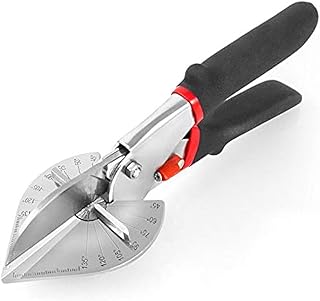
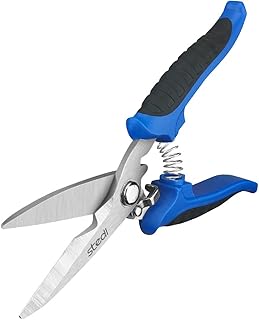


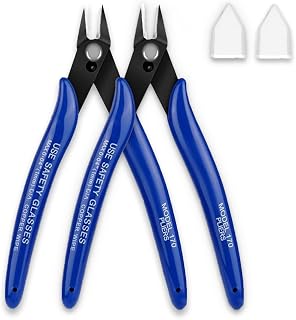


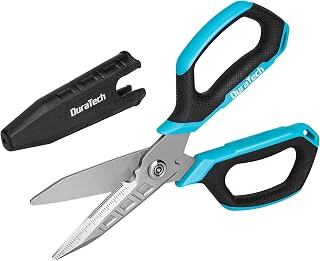
Choosing the right hand cutter is less about finding the largest or strongest-looking tool and more about matching the cutter to the material, cutting frequency, access and level of precision required. Hand cutters cover a broad range of tools, from compact diagonal cutters and flush cutters to heavy-duty cable cutters, end cutters, bolt cutters and specialist cutting tools.
For UK buyers, the most useful comparison is therefore not simply which hand cutter has the highest specification. A better approach is to consider the material being cut, the diameter or thickness involved, the required finish, available leverage, handle comfort, jaw geometry, working environment and the frequency of use. A cutter that is excellent for electrical wire may be completely unsuitable for hardened fasteners, while a heavy-duty tool can be unnecessarily cumbersome for delicate trimming work.
This guide expands the buying considerations behind hand cutters, helping you compare construction, cutting capacity, ergonomics, durability and specialist features before choosing a suitable tool.
Hand cutters are manually operated cutting tools designed to sever, trim or remove materials using mechanical leverage. The cutting edges are positioned around a pivot, allowing force applied through the handles to be concentrated at the jaws. Different cutter designs alter the position of the cutting edges, jaw shape and leverage to suit particular applications.
Common examples include diagonal cutters, side cutters, end cutters, cable cutters, wire cutters, flush cutters, bolt cutters, tile cutters and specialist cutters used for particular materials. Some designs are intended for clean and precise cuts, whereas others prioritise mechanical strength and cutting capacity.
The term “hand cutter” therefore describes a family of tools rather than one specific design. Identifying the exact type required is the first step towards making a sensible purchase.
Diagonal cutters, often called side cutters, have cutting edges arranged diagonally across the jaws. They are widely used for cutting wire, cable ties and other relatively small materials. Their angled head can make it easier to reach wires positioned close to a surface.
When comparing diagonal cutters, look at jaw geometry, handle design, cutting capacity and the materials for which the manufacturer specifies the tool. Do not assume that a compact diagonal cutter is suitable for hardened wire or thick metal simply because its jaws look substantial.
Flush cutters are designed to leave a relatively neat cut close to the surface of the material. They are particularly useful where protruding ends would be inconvenient or undesirable.
The quality of the cutting edge is especially important for this type of tool. A flush cutter intended for fine wire or plastic trimming should not automatically be used for hard metal. Applying excessive force to an unsuitable cutter can damage the cutting edges or pivot.
End cutters have jaws positioned to approach the material from the end rather than from the side. This configuration can be useful for cutting nails, pins, wire and similar materials where direct access from above is preferable.
The jaw profile also makes some end cutters useful for pulling or lifting small embedded fasteners. However, cutting and pulling are different tasks, so the manufacturer's intended application should always be considered.
Wire cutters are designed around the characteristics of electrical or mechanical wire. Cable cutters generally use a different jaw profile from conventional diagonal cutters and can be better suited to larger cable sizes.
For electrical work, pay close attention to whether a cutter is designed for the particular conductor and cable construction involved. Cutting capacity should be treated as a specification for defined materials rather than a universal measurement.
Bolt cutters use long handles to create substantially greater leverage than compact hand cutters. They are intended for tougher cutting jobs involving suitable metal rods, bolts, chains and similar materials within the tool's specified capacity.
Longer handles can increase leverage, but they also make the tool larger and heavier. For occasional workshop use, storage and access can therefore be important considerations alongside cutting performance.
Specialist cutters are designed around particular materials or tasks. Examples can include cutters for plastics, electronics, cable ties, fencing materials, soft metals and other applications.
A specialist cutter can be preferable to a general-purpose tool when the same cutting operation is performed repeatedly. The correct geometry can improve control and reduce the temptation to force a general-purpose cutter beyond its intended use.
Material should be the first specification to check. Wire, copper cable, aluminium, plastic, nails, mild steel and hardened steel behave differently under cutting pressure.
A cutter designed for soft electrical conductors is not equivalent to a heavy-duty metal cutter. Using the wrong tool can result in poor cuts, damaged jaws or premature wear. Always compare the stated material compatibility rather than judging capability from appearance alone.
Cutting capacity describes the size and type of material a tool is designed to cut. It may be specified by diameter, material type or a combination of both.
Two cutters with similarly sized jaws can have very different cutting capabilities. A larger diameter does not automatically mean that the tool can cut every type of metal at that diameter.
If your work involves several materials, make a short list of the largest and hardest materials you regularly encounter. Use those requirements to narrow the options rather than buying solely according to overall tool size.
Jaw geometry affects access, cutting position and control. A narrow head can be useful when working in confined spaces, while a broader or reinforced cutting head may be more appropriate for demanding applications.
Consider whether you need side access, end access, flush cutting or a combination of functions. The most versatile-looking design is not necessarily the most effective for a specific task.
The cutting edge is one of the most important parts of a hand cutter. Precision-ground edges can be valuable where a clean, controlled cut matters, while robust cutting edges are more appropriate for tougher materials.
Edge hardness and geometry should be considered alongside the intended application. A very sharp edge designed for precision work may not be suitable for hard or abrasive material, while a heavy-duty edge may be unnecessarily aggressive for delicate trimming.
Handle length influences mechanical advantage. Longer handles can make difficult cuts easier by increasing leverage, whereas shorter handles generally offer greater compactness and control in restricted spaces.
For repeated cutting, leverage becomes particularly important because constantly applying excessive hand force can make work tiring. Choose a handle length appropriate to both the cutting capacity and the available working space.
Handle comfort is often overlooked when comparing hand tools. If a cutter will be used frequently, grip shape, handle texture, spring action and overall balance can make a meaningful difference to day-to-day usability.
A comfortable handle should allow a secure grip without requiring excessive squeezing. Some cutters also incorporate opening springs to reduce the effort required to reopen the jaws after each cut.
Hand cutters are commonly manufactured from hardened tool steels selected for strength, wear resistance and edge retention. The exact steel designation can vary between manufacturers and product ranges.
Rather than choosing purely because a product mentions a particular steel type, consider the complete construction. Heat treatment, cutting-edge geometry, pivot design and manufacturing quality all contribute to how a cutter performs.
Some cutters use specially hardened cutting edges to improve resistance to wear. This can be useful when a tool is repeatedly exposed to suitable materials.
Edge hardness should still be considered in relation to the intended application. A cutter engineered for hard material is not necessarily the best choice for precision electronics or delicate wire trimming.
The pivot transfers the force from the handles to the jaws. Smooth movement and secure construction are therefore important indicators when comparing hand cutters.
A well-designed pivot should allow the jaws to open and close smoothly without unnecessary looseness. Excessive play can affect cutting accuracy and may become more noticeable as the tool is used over time.
Tools stored in damp workshops, garages or outdoor environments may be exposed to moisture and condensation. Corrosion resistance can therefore be an important consideration for UK users, particularly where tools are not stored in a consistently dry environment.
Even corrosion-resistant finishes do not remove the need for sensible storage and maintenance. Wiping tools clean and keeping them dry can help preserve moving parts and cutting surfaces.
Tool size should be selected according to the task rather than simply choosing the largest available option. Compact cutters are easier to carry and can provide better access in confined areas. Larger cutters can provide greater leverage and may be more suitable for tougher materials.
Weight also matters when a tool is carried regularly or used throughout a working day. A heavy-duty cutter can be valuable for demanding applications but may become inconvenient if most jobs require only light cutting.
For electrical applications, look for cutters designed specifically for the type of wire or cable involved. A compact diagonal cutter may be appropriate for smaller conductors, while dedicated cable cutters may be more suitable for larger cable.
Where electrical safety is relevant, tool insulation and working practices require particular attention. Insulated handles should not be treated as permission to work on live electrical systems. Appropriate electrical isolation and professional safety procedures remain essential.
General DIY users often benefit from a versatile diagonal cutter or combination of cutters rather than a single oversized tool. Think about the materials most commonly encountered around the home, garage or workshop.
If your jobs include cable ties, small wire, soft metal and general trimming, prioritise control and versatility. If you regularly cut heavier metal, look towards a dedicated heavy-duty design instead.
Construction environments can expose tools to dust, impact, moisture and demanding materials. A robust design with suitable cutting capacity and comfortable handles can be more useful than a lightweight precision cutter.
However, the material specification remains critical. Nails, wire and hardened fasteners should only be cut with tools specifically intended for those materials.
Automotive work can involve wiring, clips, cable ties, hoses and various metal components. Different tasks can require very different cutter designs.
A useful automotive toolkit may therefore include a precision cutter for wiring and a stronger cutter for appropriate mechanical materials rather than relying on one tool for everything.
Electronics work often benefits from compact flush cutters with carefully formed jaws. Precision is usually more important than maximum cutting capacity.
Choose a cutter according to the gauge and material of the wire or component leads being trimmed. Avoid using precision cutters for nails, hardened wire or other materials outside their intended range.
When researching hand cutters, it can be useful to compare established tool manufacturers alongside less familiar options. Brand reputation alone should not determine the purchase, but established ranges can make it easier to compare tool types, specifications and intended applications.
When comparing these brands, focus on the individual model's specifications rather than assuming that every cutter within a brand range has the same construction, capacity or intended use.
The distinction between professional and DIY tools is not always straightforward. A DIY user who performs demanding cutting tasks may need a tool with professional-level construction, while a professional who performs occasional precision work may prioritise a compact specialist cutter.
For occasional household jobs, paying substantially more for features that will rarely be used may not provide much practical benefit. For frequent trade use, however, durability, ergonomics, replacement availability and consistent performance can become much more important.
The cheapest cutter is not necessarily the best value, but the most expensive cutter is not automatically the best choice either. Compare the intended application, materials, construction and ergonomics before considering price.
This is one of the most important mistakes to avoid. Cutting capacity must be interpreted alongside material type. A diameter specification without its corresponding material specification can be misleading.
Using a diagonal cutter when an end cutter is more appropriate, or using a precision flush cutter for heavy metal, can make an otherwise simple job difficult. Start by identifying how the cutter needs to approach the material.
Larger tools can provide greater leverage, but they can also be heavier and less convenient in restricted spaces. A compact cutter may provide better control for small, precise work.
If a tool is used regularly, uncomfortable handles can become a practical disadvantage. Grip texture, opening action, balance and handle shape are worth considering before buying.
There is no universal hand cutter that is ideal for every application. Specialist cutters exist because different materials and cutting positions place different demands on the tool.
A simple comparison process can make it easier to narrow down several similar-looking models.
It is easy to assume that a cutter with large jaws will automatically have a high cutting capacity. In reality, cutting performance depends on the combination of jaw geometry, edge hardness, leverage, material and tool construction.
For example, a cutter designed for copper wire can have a very different cutting capability from a similarly sized cutter designed for harder steel. The physical dimensions may look comparable while the intended applications are completely different.
For this reason, treat manufacturer specifications as application-specific information rather than as a simple ranking system where the largest number is always the best.
Ergonomics becomes increasingly important as cutting frequency increases. A tool that feels acceptable for five cuts may become tiring during repetitive work.
Look for a handle design that allows controlled pressure without forcing the hand into an awkward position. A suitable opening spring can also reduce repeated manual effort on some cutter designs.
Tool balance is another consideration. If the head is excessively heavy relative to the handles, precision work can become less comfortable. Conversely, a very lightweight tool may not provide the leverage required for demanding applications.
Proper maintenance can help keep hand cutters operating smoothly and protect their cutting edges.
Many modern hand cutters are manufactured with cutting edges designed to remain serviceable without routine sharpening. Attempting to sharpen a precision cutting edge without understanding its geometry can change the cutting profile and reduce performance.
If the cutting edges become damaged, consult the manufacturer's maintenance guidance for the specific model. For professional tools, replacement may be preferable to attempting an improvised repair.
Prevention is often more effective than sharpening. Using the cutter only on appropriate materials and staying within its specified capacity can help preserve the edge.
Hand cutters can generate significant mechanical force, so safe working practices are important even when the tool appears simple.
Extra care is required when working around electrical systems, tensioned materials or hardened components. A hand cutter should never be treated as a substitute for appropriate isolation procedures, protective equipment or professional training where these are required.
A practical home workshop does not necessarily need a large collection of specialised cutters. A sensible starting point is to identify the jobs you perform most often and select tools around those tasks.
A compact diagonal cutter can cover many light wire and trimming applications, while a stronger general-purpose cutter can address more demanding work where appropriate. Users who frequently work with cables, electronics, fencing or heavy metal may benefit from adding dedicated specialist cutters.
Keeping tools task-specific can also reduce accidental misuse. When the correct cutter is immediately available, there is less temptation to force a small precision tool through a material for which it was never designed.
There is no single price point that represents good value for every buyer. The appropriate budget depends on frequency of use, material difficulty, required precision and expected service life.
For occasional DIY work, a reasonably constructed cutter that comfortably meets the required specification may be sufficient. For frequent professional use, investing in stronger construction and better ergonomics can make more sense because the tool is subjected to greater use.
When comparing prices, consider the total value of the tool rather than the initial purchase price alone. A cutter that is comfortable, appropriately specified and durable may be more useful than a cheaper model that needs replacing after unsuitable use.
When several models appear similar, use the following checklist to make the comparison more objective:
The best hand cutter depends on the material, cutting capacity, access and frequency of use. A precision flush cutter may be ideal for small wire, while a heavy-duty side cutter or bolt cutter may be more appropriate for tougher materials. Compare the specific application and manufacturer specifications rather than choosing one tool as universally best.
In many tool ranges, the terms side cutter and diagonal cutter describe the same general type of tool. The cutting edges are positioned diagonally so material can be approached from the side. Exact terminology can vary between manufacturers.
They can be worthwhile when a cutter is used frequently, requires precise cutting, needs specialist geometry or is expected to withstand demanding use. For occasional light DIY work, a simpler cutter that meets the required specification may provide better value.
Some hand cutters are designed to cut particular types of steel, while others are intended only for softer materials. Always check the manufacturer's specification for the exact cutter and material. Never assume that a cutter capable of cutting wire can also cut hardened steel.
Some diagonal cutters are suitable for particular cable and wire sizes, but larger or specialised cables may require a dedicated cable cutter. Check the specified conductor type and cutting capacity before use.
A good wire cutter should have cutting edges and leverage appropriate to the wire being cut, along with comfortable handles and a suitable jaw profile. Precision, capacity and edge durability should all be considered together.
Flush cutters are generally designed around clean and controlled cutting rather than maximum cutting force. Their suitability for tougher materials depends on the specific model. They should not automatically be treated as heavy-duty cutters.
Choose the size according to the material and working environment. Larger handles can provide more leverage, while smaller cutters can offer better access and portability. The cutter's stated capacity should be the deciding factor rather than physical size alone.
Professional users should consider cutting capacity, edge durability, pivot construction, ergonomics, handle comfort, material compatibility and suitability for repeated use. Consistency and comfort can be particularly important where the same cutting operation is performed throughout the working day.
Store them somewhere dry and protected from unnecessary impact. Keep cutting edges away from other tools that could damage them, and avoid leaving the tool exposed to prolonged moisture or corrosive substances.
There is no universal replacement interval. Replace a cutter when the cutting edges, pivot or handles become damaged or when the tool can no longer perform its intended task safely and effectively. Actual service life depends heavily on usage and whether the cutter has been used within its specified limits.
The best hand cutter is the one that closely matches the work you actually perform. Start with the material, establish the required cutting capacity, select the appropriate jaw design and then compare construction, leverage, ergonomics and durability.
For light wire and precision trimming, prioritise control and a suitable cutting edge. For demanding workshop or construction work, look for the correct heavy-duty design and adequate leverage. For specialist applications, a purpose-built cutter is generally preferable to forcing a general-purpose tool beyond its intended use.
Before making a purchase, compare the latest specifications from the manufacturer, read verified customer reviews, check the tool's intended materials and confirm current retailer information. A careful comparison can help you avoid buying a cutter that is either too light for the job or unnecessarily large for the work you actually need to complete.