

♥ Wishlist
Compare 56 verified Hand Planer products in United Kingdom. Reviews, ratings, pros, cons and buying advice updated for October 2026.


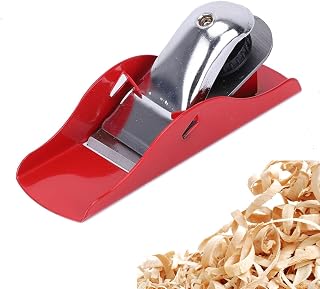


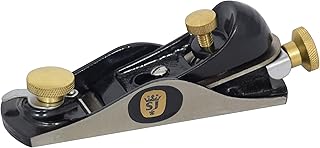


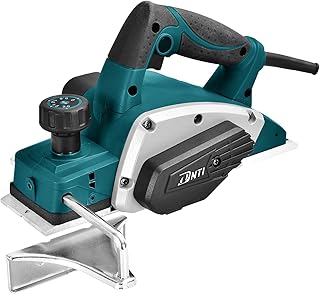


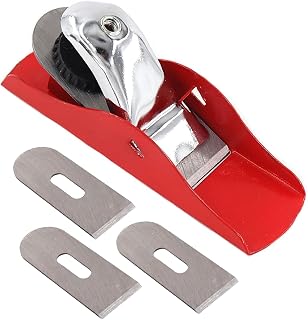

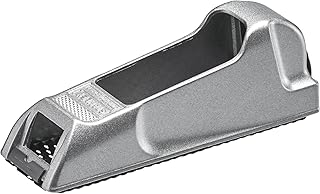


Choosing the right hand planer is about more than selecting the highest-rated or most expensive model. A good hand plane should match the type of timber you work with, the amount of material you need to remove, the finish you want to achieve and the way you prefer to work. Traditional hand planes remain useful for joinery, furniture making, restoration, trimming doors, preparing boards and correcting small imperfections that can be difficult to address with power tools.
For buyers in the UK, the most important considerations include plane type, blade quality, sole flatness, adjustment mechanism, body material, ergonomics, replacement parts and the availability of suitable blades. Brands such as Stanley, Record, Faithfull and Draper offer different approaches to hand-planing, while specialist woodworking manufacturers may provide more traditional or precision-focused options.
This guide expands the buying considerations behind hand planers so you can compare specifications intelligently rather than relying on price or a single customer rating. Always check the manufacturer's current specification and verified customer feedback before purchasing, as individual models and configurations can change over time.
A hand planer, more commonly called a hand plane in woodworking, is a manually operated cutting tool used to remove controlled amounts of material from timber. A blade, or iron, projects through an opening in the plane's sole and cuts the wood as the tool is pushed across the surface.
Unlike an electric planer, a traditional hand plane does not require a motor, battery or electrical connection. This gives the user direct control over the amount of material removed and makes a hand plane particularly useful for fine adjustment work.
Depending on its design, a hand plane can be used for rough stock removal, flattening, smoothing, jointing edges, trimming components, chamfering edges and producing a fine surface ready for finishing.
Power planers are valuable when large quantities of timber need to be removed quickly, but hand planes offer a different set of advantages. They are quiet, portable and capable of extremely controlled cuts when correctly set up.
A block plane is compact and versatile, making it one of the most useful choices for general workshop tasks. It is particularly suitable for trimming end grain, breaking sharp edges, fitting doors and making small adjustments to components.
Its compact size also makes it easier to control when working on smaller pieces. A block plane can be a sensible first hand plane for a DIY user who wants a tool for occasional trimming rather than full-scale furniture construction.
A smoothing plane is designed to leave a refined surface after the timber has already been brought close to its final dimensions. The cut is normally relatively fine, allowing the user to remove small imperfections and produce a surface suitable for finishing.
Smoothing planes are especially relevant to furniture making and traditional woodworking, where the objective is often to produce a clean surface directly from the hand tool.
A jack plane is a general-purpose bench plane designed to bridge the gap between heavy stock removal and finer smoothing work. Its versatility makes it an attractive option when you want one plane capable of handling a broad range of jobs.
For a beginner building a woodworking toolkit gradually, a jack plane can provide more flexibility than buying several specialist planes immediately.
Jointer planes are longer than most general-purpose bench planes. Their extended sole helps the user reference longer surfaces and straighten timber edges or faces.
The length can make a jointer plane less convenient for small components, but it becomes valuable when working on longer boards where maintaining a straight reference surface is important.
A shoulder plane is designed for trimming shoulders and other areas around joints. Its cutting edge extends close to the sides of the body, allowing the tool to work accurately against a shoulder.
This is a specialist choice rather than an all-purpose plane, so it makes more sense for buyers who regularly produce joinery such as tenons.
Rabbet planes are designed for cutting or refining rebates. Their construction allows the blade to work across the full width of the rebate area.
Traditional woodworking projects that include rebates, housings and similar joints may benefit from a dedicated rabbet plane, although modern power tools can perform many of the same operations.
A low-angle block plane positions the blade at a lower effective cutting angle, making it particularly useful for end grain and difficult grain in suitable applications.
When comparing low-angle designs, pay attention to blade adjustment, mouth configuration, blade thickness and how easily the plane can be controlled with one hand.
Start by deciding what you actually need to accomplish. A compact block plane may be ideal for trimming and fitting, whereas a jack or smoothing plane is more appropriate for preparing broader timber surfaces.
Buying a specialist plane for occasional work can be unnecessary. Conversely, attempting demanding joinery with a small general-purpose plane can be frustrating. Match the tool to the job before comparing individual models.
The blade is one of the most important components of any hand plane. A good blade needs to hold a usable edge and be capable of being sharpened accurately.
Look at the blade material, thickness, sharpening requirements and replacement availability. A plane with a replaceable blade can be more practical for regular users, particularly when replacement irons are readily obtainable.
Do not judge blade quality purely by thickness. Blade geometry, steel characteristics, sharpening technique and the overall plane design all influence performance.
The sole is the reference surface that travels across the timber. For many hand-planing applications, a flat and stable sole is important because it helps the plane maintain predictable contact with the workpiece.
When comparing a hand plane, consider the manufacturer's construction and the feedback from verified purchasers concerning fit, finish and setup. A poorly finished sole can require additional preparation before the tool performs as expected.
Fine blade adjustment is essential when you need to move between heavier and lighter cuts. The adjustment mechanism should allow predictable changes without excessive movement or difficulty locking the blade securely.
Some traditional planes use mechanisms that allow very fine depth adjustment, while simpler designs may require more manual positioning. Beginners often benefit from an adjustment system that is easy to understand and repeat.
Lateral adjustment allows the user to align the cutting edge so that it is correctly positioned across the mouth of the plane. This is particularly important when attempting to produce an even shaving across the width of the blade.
A good adjustment mechanism should allow controlled movement and remain stable during use.
The mouth is the opening through which the blade projects. Its size and configuration influence how the plane handles different cuts and timber conditions.
A tighter mouth can be useful for fine finishing work, while a more open configuration can accommodate thicker shavings during heavier material removal. Adjustable-mouth designs can offer additional flexibility.
Traditional metal-bodied planes are typically valued for their durability, stability and ability to provide a consistent reference surface. Cast iron and other metal constructions can also provide useful mass, which may help the plane move smoothly through the cut.
Wooden-bodied planes offer a different feel and are still widely appreciated in traditional woodworking. They can be lighter and have a distinctive relationship between the user's hand, the plane and the timber.
Weight affects how a hand plane feels during extended use. A heavier plane may carry momentum through a cut, while a lighter plane can be easier to manoeuvre and lift repeatedly.
There is no universally correct weight. Consider the timber, workpiece size and duration of use. A plane that feels comfortable for five minutes may not feel equally comfortable during a prolonged woodworking session.
Comfort matters because hand-planing involves repeated pushing movements. Check the shape of the front knob, rear handle and grip areas, particularly if you expect to use the tool regularly.
The best ergonomic choice depends on hand size, working position and personal preference. A well-balanced plane should feel secure without requiring excessive gripping force.
Before buying a hand plane, consider whether replacement blades, adjustment components and other wear parts are available. This is particularly important if the plane is intended for regular use.
A relatively inexpensive tool can become less economical if compatible replacement parts are difficult to source. Conversely, a well-supported tool can remain useful for much longer because worn components can be replaced.
Product specifications can appear confusing when comparing several hand planes. The following measurements and characteristics are worth understanding before making a purchase.
Blade angle is one of the most frequently discussed technical characteristics when comparing hand planes. A lower effective cutting angle can be advantageous for certain end-grain and difficult-grain applications, while higher cutting angles can be useful for managing challenging grain in other circumstances.
However, blade angle should never be evaluated in isolation. The bevel angle, bed angle, blade geometry and intended application all contribute to the effective cutting behaviour.
For a buyer, the practical question is more important than the number itself: will the plane be primarily used for general stock preparation, fine smoothing, trimming end grain or working difficult timber?
Even a well-designed hand plane depends heavily on blade condition. A dull blade can make a quality plane feel ineffective, increase pushing effort and encourage the user to take unsuitable cuts.
When comparing models, investigate the type of steel used for the blade and the manufacturer's guidance for sharpening. Also consider whether replacement irons are available.
For regular woodworking, buyers should budget for a suitable sharpening system. This may include sharpening stones, honing guides or other equipment depending on the preferred sharpening method.
A hand plane blade should be sufficiently sharp to produce a clean shaving without requiring excessive force. Sharpness is not simply about creating a polished-looking bevel; the cutting edge needs to be properly formed and free from damage or unwanted burrs.
If the blade becomes difficult to push through the timber, starts producing torn fibres or requires increasing pressure, checking the edge is often one of the first sensible troubleshooting steps.
Before use, inspect the body, sole, blade, cap iron or associated components and adjustment mechanism. Make sure all relevant components are secure and correctly assembled.
Check that the blade is sharp and appropriately shaped for the intended task. The cutting edge should be aligned correctly before installing it in the plane.
Fit the blade according to the manufacturer's instructions. Make sure the blade is seated securely and that the adjustment mechanism operates correctly.
For a new user, starting with a relatively fine cut is usually easier than immediately setting a deep projection. A fine shaving provides greater control and reduces the likelihood of aggressive catches.
View the cutting edge from the front and adjust its lateral position so that the blade is correctly aligned with the intended cut.
Test the setup on a suitable piece of scrap timber before working on the finished component. This allows you to confirm cutting depth, blade alignment and grain direction without risking the final workpiece.
Successful hand-planing depends on technique as well as tool quality. The workpiece should be held securely, and the plane should be guided in a controlled direction across the timber.
Apply appropriate pressure and avoid forcing the tool. Allow the blade to cut rather than attempting to compensate for a dull edge by pushing harder.
For longer boards, pay attention to how pressure is distributed during the stroke. Experienced users often adjust pressure and body position throughout the pass to help control the beginning, middle and end of the cut.
Timber grain can have a major effect on planing results. Straight-grained wood is generally easier to plane than heavily figured or reversing grain.
When the grain direction changes, a plane may begin to lift fibres rather than cleanly slice them. Reducing the cutting depth, using a suitable blade setup and changing the direction of the cut can help reduce tear-out.
Do not assume that a more expensive plane will automatically eliminate tear-out. Timber species, grain structure, blade sharpness, cutting angle and technique all matter.
A traditional hand plane and an electric planer are designed around very different working methods. An electric planer is generally chosen when speed and substantial material removal are priorities. A hand plane is more suitable when the user wants direct control and precision.
For many woodworking workshops, the two tools are complementary rather than competing choices.
A belt sander removes material using abrasive action, whereas a hand plane cuts timber fibres with a blade. This difference affects the character of the finished surface.
A properly tuned hand plane can produce a clean surface without covering the timber in sanding dust. A sander may be more convenient for certain materials and finishing workflows, particularly where shaping or blending is required.
The better option depends on the desired finish, timber type, available equipment and level of control required.
Chisels and hand planes perform different roles but frequently work together. A plane is designed to remove controlled material across a surface, while a chisel is better suited to localised cutting, paring and joinery work.
A good woodworking toolkit can therefore include both rather than treating them as alternatives.
Beginners should generally prioritise versatility, straightforward adjustment, manageable size and good replacement-part support rather than choosing a highly specialised plane.
A compact block plane can be an accessible starting point for small trimming tasks. A jack plane can make more sense for someone who intends to prepare and dimension larger pieces of timber.
Before buying, consider the projects you actually expect to undertake. Buying a specialist joinery plane before learning basic sharpening and plane setup may provide less value than investing in a versatile general-purpose model.
Furniture makers may require more than one plane because different stages of construction call for different characteristics. A jack plane can help with general preparation, while a smoothing plane may be preferred for final surface preparation.
Specialist planes can then be added for joinery operations such as rebates, shoulders and other detailed work.
For furniture projects, blade quality, sole condition, adjustment precision and comfortable handling become increasingly important because small inconsistencies can become visible in the finished piece.
Door fitting commonly involves relatively small adjustments around edges and corners. A compact block plane can therefore be particularly useful for this type of work.
Choose a model that is easy to control and capable of producing a predictable cut. Avoid removing more material than necessary, especially when fitting a finished door where excessive trimming can create additional problems.
End grain presents a different cutting challenge from long grain because the blade interacts with the exposed ends of the wood fibres.
Low-angle block planes are often considered for end-grain work because their geometry can be advantageous for this application. A sharp blade remains essential, however, and technique still has a significant influence on results.
Hardwood can place greater demands on the blade and user than softer timber. The correct choice depends on the species, grain direction, required cut and amount of material being removed.
For harder timber, look for a plane with a robust construction, reliable blade adjustment and a blade that can be sharpened effectively. Taking lighter cuts may also improve control and reduce unnecessary effort.
Stanley is one of the best-known names associated with traditional hand planes. Its range includes classic plane designs as well as compact options suitable for smaller woodworking and trimming jobs.
When comparing a Stanley plane, pay attention to the exact model and configuration rather than assuming all products under the same brand have identical characteristics.
Record has a long association with woodworking tools and is a familiar name to UK buyers interested in traditional hand planes. Its products can be relevant to users looking for conventional bench-plane designs.
As with any manufacturer, compare the individual model's dimensions, blade specifications, adjustment system and intended application.
Faithfull offers a broad range of hand tools, including hand planes aimed at different levels of woodworking and DIY use. Its products may appeal to buyers looking for a practical option without automatically moving into specialist equipment.
Draper is another established UK tool brand with products spanning DIY and professional-oriented applications. Its hand planes can be considered when comparing different price points and specifications.
Always assess the specific model rather than relying solely on brand recognition.
A good hand plane should be appropriate for its intended task, securely constructed and capable of holding a correctly adjusted blade. The adjustment system should be predictable, the sole should provide a dependable reference and the handles should allow controlled use.
For frequent woodworking, long-term support can be just as important as the initial specification. Replacement blades and serviceable components can extend the useful life of the tool.
The cheapest plane is not necessarily the best value, while the most expensive plane is not automatically the best choice. Consider construction, intended application, blade quality, adjustment and replacement parts together.
A block plane, jack plane, smoothing plane and jointer plane solve different problems. Buying the wrong type can make a straightforward task unnecessarily difficult.
Even a well-made plane will perform poorly if its blade is dull. Buyers should consider sharpening equipment and maintenance as part of the total cost of ownership.
Additional mass can be beneficial in some situations, but excessive weight may make a plane tiring to use. Consider the duration and nature of the work rather than treating weight as a simple quality indicator.
A plane that cannot easily be maintained may offer poor long-term value. Check the availability of compatible blades and important replacement components before purchasing.
Specialist planes are valuable when the relevant work justifies them. For occasional DIY use, a versatile general-purpose plane may provide considerably better utility.
There is no single correct budget for a hand plane because requirements vary substantially between occasional DIY work, serious hobby woodworking and professional joinery.
Instead of setting a price first, identify the work you need the plane to perform. A simple trimming plane may not justify the same investment as a precision bench plane that will be used regularly for furniture making.
When comparing prices, consider whether the tool includes a usable blade, how much setup may be required, whether replacement components are available and how long you expect to keep it.
Remove wood shavings and dust from the body, mouth and adjustment mechanism. Keeping the moving components clean can make future setup easier.
Metal components should be kept dry and protected against corrosion, particularly when the tool is stored in a damp workshop or garage.
Inspect the blade regularly and sharpen it when the cutting performance begins to deteriorate. Avoid waiting until the edge becomes severely damaged unless the blade specifically requires more extensive restoration.
Make sure adjustment components continue to move correctly and that the blade can be secured firmly. If movement becomes unusually stiff or loose, inspect the relevant components before continuing to work.
Protect the cutting edge from contact with hard surfaces. Storing the plane in a dry location also helps reduce corrosion and protects the blade.
Storage conditions matter more than many first-time buyers expect. A damp garage, shed or workshop can encourage corrosion on exposed metal surfaces, particularly around the blade and sole.
Store the plane somewhere dry and avoid placing the cutting edge directly against metal benches or other hard surfaces. If the plane will remain unused for a long period, follow the manufacturer's recommendations for protecting exposed metal components.
Hand planes do not have motors or rotating blades, but they still contain a sharp cutting edge and should be treated as precision cutting tools.
When two models appear similar, compare them systematically rather than focusing on brand or price alone.
Prioritise simplicity, versatility and manageable size. A compact plane can be particularly useful for trimming, fitting and small woodworking repairs.
Choose a versatile model that teaches basic planing and sharpening skills without requiring a highly specialised setup. A plane with straightforward adjustments can make the learning process easier.
Consider investing more heavily in blade quality, sole preparation, adjustment precision and ergonomics because the tool is likely to receive regular use.
Furniture making may justify multiple planes for different stages of stock preparation, smoothing and joinery. Long-term availability of blades and components becomes particularly relevant.
Professionals should prioritise reliability, consistency, maintainability and ergonomics. Downtime and repeated setup problems can be more significant than the initial purchase price.
Customer reviews can provide useful information, but they should be interpreted alongside technical specifications. Look for repeated comments about the same issue rather than placing too much weight on a single unusually positive or negative review.
Reviews are particularly useful for identifying practical details that specifications may not explain clearly, such as the ease of adjustment, packaging condition, initial setup requirements or long-term availability of compatible accessories.
Where possible, prioritise verified customer feedback and compare comments across multiple sources before making a decision.
For buyers comparing hand planes in 2026, the fundamentals remain more important than marketing terminology. Look for an appropriate plane design, dependable blade system, practical adjustment, sound construction and maintainability.
Newer product listings can change specifications, accessories or included components, so check the current product information before purchasing. Do not assume that a specification found in an older review applies to the current version of the product.
The best beginner hand plane depends on the work being undertaken. A versatile block plane is useful for small trimming tasks, while a jack plane can be more appropriate for broader timber preparation. Beginners should generally prioritise manageable adjustment, good blade support and versatility.
Neither is universally better. A hand plane provides greater manual control and is particularly useful for fine adjustments and finishing, while an electric planer is generally more efficient for rapid material removal.
Both can be excellent. Metal planes are often valued for their stability and robust construction, while wooden planes offer a traditional feel and can be lighter. The intended application and quality of construction are more important than simply choosing one material.
The appropriate size depends on the workpiece and task. Smaller planes are easier to manoeuvre and useful for trimming, while longer planes can provide a longer reference surface for straightening larger timber.
Yes. Hand planes can be used on hardwood, although blade sharpness, grain direction, cutting depth and plane configuration become particularly important. Difficult or figured grain may require a more controlled setup.
There is no fixed interval because sharpening frequency depends on timber species, usage, cutting depth and blade condition. Sharpen the blade when cutting performance deteriorates rather than following an arbitrary timetable.
Tear-out can result from grain direction, insufficient blade sharpness, excessive cutting depth or an unsuitable plane setup. Try a sharper blade and lighter cut while paying close attention to grain direction.
Not necessarily. All hand planes benefit from proper blade sharpening, cleaning, adjustment and storage. A higher-quality construction may offer advantages in consistency or durability, but maintenance remains part of using the tool correctly.
A versatile plane can handle many tasks, but specialist planes exist because different operations benefit from different dimensions and blade configurations. For occasional DIY work, one general-purpose plane may be sufficient. Regular woodworkers may eventually benefit from several types.
A compact block plane is often a practical choice because it provides good control for small adjustments. The specific model should still be assessed for blade quality, ergonomics and adjustment.
A smoothing plane is specifically designed for producing refined surfaces with relatively light cuts. The quality and sharpness of the blade, as well as correct setup and grain direction, are critical to achieving a clean finish.
A longer jointer-style plane is generally more suitable for establishing straight reference surfaces on longer boards. The longer sole can help bridge small variations in the timber surface.
A second-hand plane can offer an interesting option for experienced buyers who can assess its condition, but it may require restoration or replacement components. New buyers may prefer a new tool with a known specification and manufacturer's support.
The best hand planer is the one that matches the work you actually intend to perform. Instead of choosing purely from popularity, price or appearance, compare the plane type, blade, sole, adjustment system, weight, ergonomics and maintenance requirements.
For occasional DIY jobs, simplicity and versatility can be more valuable than specialist features. For regular woodworking, blade quality, precision adjustment, construction and replacement-part availability deserve greater attention. For professional or advanced furniture making, it can make sense to build a collection of planes suited to specific operations rather than expecting one tool to handle every stage.
Before making a purchase, compare current specifications, read verified customer reviews and check the latest price from trusted retailers. Product configurations and availability can change, so confirm the exact model and included accessories at the time of purchase.
A well-chosen and properly maintained hand plane can remain one of the most useful tools in a woodworking workshop. With the right blade setup, secure workholding and suitable technique, it can handle everything from small fitting adjustments to detailed surface preparation with a level of control that remains difficult to replicate with powered equipment.