

♥ Wishlist
Compare 63 verified Water Bottles for Everyday Hydration products in United Kingdom. Reviews, ratings, pros, cons and buying advice updated for October 2026.


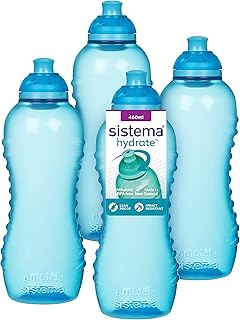


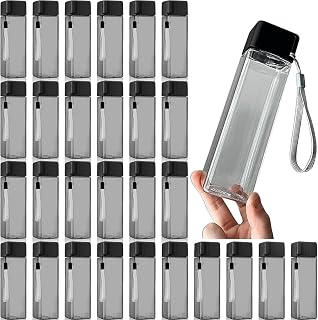


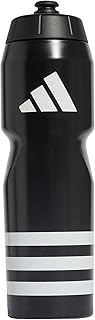

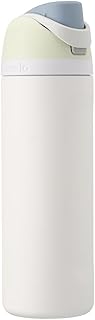

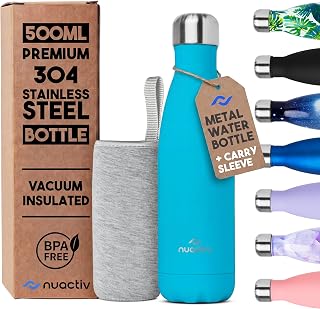


Choosing the right water bottle is less about finding the bottle with the most impressive-looking specification and more about matching its construction, capacity, drinking system and maintenance requirements to the way you actually use it. A bottle for commuting has different priorities from one used for running, hiking, cycling, school, travel or keeping water cold at a desk.
This expanded buying guide looks beyond simple ratings and star scores to explain the features that matter when comparing water bottles in the UK. It covers materials, insulation, capacity, lids, leak resistance, portability, cleaning, durability, everyday usability and the compromises that are easy to overlook when shopping online.
Popular manufacturers and established names in this category include Hydro Flask, Stanley, Chilly's, Owala, CamelBak, Thermos, Nalgene, YETI, SIGG and Sistema. Individual models can differ substantially, however, so the brand name alone should not determine your choice. Always compare the specifications and intended use of the particular bottle.
The best water bottle for you should make drinking water easier rather than creating another inconvenience. Before comparing individual products, consider where the bottle will be used, how much water you normally carry and whether you need insulation, a particular drinking mechanism or compatibility with a bag or cup holder.
Stainless steel is one of the most common choices for reusable water bottles because it combines durability with a relatively clean, robust construction. Many insulated bottles use stainless steel as the inner and outer material around a vacuum-insulated structure.
Steel bottles can be particularly suitable for people who carry a bottle regularly and want something more resistant to everyday knocks than glass. They also tend to avoid the flavour retention that some users notice with certain plastic bottles.
The main disadvantage is weight. A large stainless steel bottle can become noticeably heavier once filled, particularly when compared with a lightweight plastic alternative. Steel can also make a bottle more expensive, depending on its construction and insulation system.
Plastic bottles are often selected for their low weight and practicality. They are especially useful for sports, cycling, school, commuting and situations where carrying additional weight is undesirable.
When comparing plastic bottles, look beyond the word "plastic". The type of plastic, construction quality, lid design, flexibility and cleaning requirements can all affect the experience. Some bottles are designed to be rigid and durable, while others are deliberately squeezable for sports use.
Check the manufacturer's material information and care instructions rather than assuming that every plastic bottle has identical characteristics.
Glass can appeal to users who prefer a neutral-tasting drinking container and a transparent view of the contents. It can also be easier to inspect visually for residue or remaining water.
The trade-off is weight and fragility. Even bottles with protective silicone sleeves require more care than a conventional plastic or stainless steel bottle. Glass can therefore be a better choice for desks, offices and controlled environments than for demanding outdoor activities.
Some reusable bottles use clear, rigid plastics designed to provide a glass-like appearance without the same level of breakage risk. These can offer a useful balance between visibility, weight and everyday durability.
As with any reusable bottle, check the specific manufacturer's care instructions, including whether the bottle and its individual components are suitable for a dishwasher and what temperature limits apply.
One of the most important buying decisions is whether you actually need insulation. Double-wall vacuum-insulated bottles are designed to reduce heat transfer between the contents and the surrounding environment. This can help drinks remain colder or hotter for longer than they would in a conventional single-wall bottle.
Insulation is particularly useful when the bottle will be carried outdoors, left in a warm vehicle, used during exercise or taken on long journeys. It can also make a difference for office workers who do not want to refill their bottle frequently.
The downside is that insulated bottles are generally heavier and bulkier than similarly sized non-insulated bottles. They may also cost more and can be less convenient to squeeze or compress.
If you normally drink water quickly, refill regularly or primarily use your bottle indoors, insulation may not be necessary. A lightweight non-insulated bottle can be easier to carry and may provide more capacity for the same overall weight.
For runners and cyclists, reducing carried weight can sometimes matter more than keeping water cold for many hours. For a desk worker, the opposite may be true.
Capacity should be based on your routine rather than simply choosing the largest bottle available. A larger bottle means fewer refills, but it also becomes heavier when full and may occupy considerably more space in a backpack.
Remember that the practical weight of a bottle is the empty bottle plus the weight of its contents. A high-capacity stainless steel bottle can become surprisingly heavy when completely filled.
The lid can be more important than the bottle body because it determines how easily you can drink, carry and clean the product.
Screw caps are simple and familiar. They can provide a secure closure when properly designed and are often straightforward to clean because they have relatively few moving parts.
The disadvantage is that drinking usually requires two hands or removing the cap completely, depending on the design. That may be inconvenient while walking, cycling or exercising.
Flip-top systems provide faster access to the contents and can be convenient for commuting and exercise. Some incorporate a locking mechanism intended to reduce accidental opening inside a bag.
More moving components can mean more areas where dirt, moisture or residue may accumulate. Inspect the hinge, seal and underside of the lid when assessing how easy the bottle will be to clean.
Straw-style bottles allow you to drink without tilting the entire bottle. This can be particularly convenient while working, exercising or travelling.
However, straws introduce additional components that need regular cleaning. A bottle that appears easy to use may become frustrating if its straw, valve or mouthpiece is difficult to dismantle.
A wide opening makes filling and cleaning easier and can accommodate ice more readily than a narrow-neck bottle. It may also make it easier to inspect the interior.
The compromise is that drinking directly from a wide opening can be less controlled, especially while moving. Some users therefore prefer a wide-mouth bottle with a separate drinking lid.
A bottle can have an excellent body but still be inconvenient if its closure allows water to escape. Leak resistance depends on the interaction between the lid, seal, threads, valve and bottle opening.
When comparing products, look for clear information about whether the manufacturer describes the particular closure as leakproof, leak-resistant or simply secure. These terms should not automatically be treated as interchangeable.
A bottle that is only intended to remain upright should not automatically be treated as suitable for loose storage inside a laptop bag or backpack.
Weight becomes increasingly important as capacity increases. A lightweight bottle may be preferable for running, cycling, school or long walks, whereas the additional weight of an insulated steel bottle can be worthwhile when temperature retention is a priority.
Do not compare empty weights without considering capacity. A heavier bottle may still provide a better weight-to-capacity balance if it holds substantially more water.
Durability is influenced by material, wall thickness, lid construction, seals and the quality of the finish. A bottle that survives years of use is often more useful than one that looks impressive when new but has a complicated closure that becomes difficult to maintain.
Stainless steel generally offers good resistance to the kinds of everyday knocks associated with commuting and outdoor use, although dents and cosmetic damage can still occur. Plastic can flex or resist certain impacts differently, while glass requires greater care because of its inherent fragility.
Pay particular attention to the lid. A damaged lid can make an otherwise perfectly usable bottle difficult or impossible to use safely, so replaceable components can be a worthwhile consideration.
Capacity is only one part of portability. The diameter and overall shape determine whether the bottle fits comfortably into a backpack pocket, vehicle cup holder, bicycle cage or work bag.
Before buying a large bottle, measure the storage compartment or cup holder where you intend to use it. Product photographs can make bottles appear slimmer than they actually are.
For gym use, quick access is often more valuable than maximum insulation. A bottle should be comfortable to hold and simple to open between exercises.
Straw lids, flip-top designs and sports caps can all be useful depending on personal preference. If the bottle will be carried in a gym bag, leak resistance becomes especially important because moisture can damage clothing, electronics or other equipment.
A medium-to-large capacity can reduce the need to refill during a workout, but avoid choosing a bottle so large that it becomes awkward to handle while exercising.
Running and cycling place different demands on a bottle because the user may need to drink while moving. Weight, grip and one-handed access can therefore be more important than a premium insulated construction.
For cycling, also consider whether the bottle fits the specific bottle cage used on the bicycle. A bottle that is too wide, too tall or difficult to remove can be frustrating even if its specifications look excellent.
For running, the shape and grip deserve close attention. A bottle that is comfortable on a desk may be awkward when carried repeatedly during movement.
Outdoor use generally rewards a combination of durability, capacity and secure closure. A bottle should be easy to carry and practical to refill in the environments where you intend to use it.
Insulation can be useful during hot weather, while a lightweight design may be preferable when carrying equipment over longer distances. The best balance depends on the duration and conditions of your activity.
For extended outdoor trips, consider the complete hydration system rather than evaluating the bottle in isolation. A bottle may be excellent for carrying water but less convenient than a hydration reservoir when frequent drinking is required during movement.
An office bottle usually needs to balance appearance, portability, capacity and convenience. A bottle that fits easily into a work bag and can be placed securely on a desk may be more useful than an oversized outdoor model.
Insulation is worthwhile if you prefer cold water throughout the working day. A transparent or clear bottle can also make it easy to see how much water remains.
If you carry electronics, documents or clothing in the same bag, prioritise a closure system designed to minimise accidental opening and check the manufacturer's guidance regarding how the bottle should be transported.
Travel creates a different set of priorities. Size restrictions, empty weight, storage space and cleaning convenience may all matter depending on your journey.
A bottle that can be carried empty and refilled later may be more practical than a permanently large bottle. If you are taking it through an airport or other security-controlled environment, check the current rules applicable to your journey rather than relying on general assumptions.
For road trips, larger insulated bottles can be attractive because they reduce the need for frequent refills. For city travel, a compact bottle can be easier to carry throughout the day.
For school use, choose a size that a child can comfortably carry and operate. A complicated lid can be inconvenient for younger users, while small components may require more careful cleaning.
Leak resistance is particularly important when the bottle is placed inside a school bag alongside books, stationery and electronic devices. Consider a design that is easy for the intended user to open and close independently.
Do not assume that every insulated water bottle is suitable for every type of drink. Check the manufacturer's instructions for the specific model before using hot beverages.
Some lids, valves and drinking systems are designed primarily for cold drinks. Hot liquids can create pressure, increase the risk of burns and interact differently with certain closures. Follow the manufacturer's stated limitations rather than judging suitability from the bottle's appearance.
Neither material is automatically better for every user. Stainless steel is attractive when durability, a robust feel and insulation are priorities. Plastic is often preferable when low weight, flexibility and affordability are more important.
The best decision comes from matching the material to the way the bottle will be used rather than assuming one construction is universally superior.
Product pages can contain a large amount of technical information. The following specifications are usually the most useful when comparing models side by side.
Worth considering if temperature retention is a major priority. It is less important if the bottle is normally emptied and refilled frequently.
Useful for people who carry bottles inside bags. A locking mechanism can reduce the likelihood of accidental lid operation, although the complete closure should still be checked before transporting the bottle.
A replaceable gasket, straw or lid can extend the practical life of a bottle. This is especially useful for bottles with more complex drinking systems.
Helpful for cleaning and filling. They can also make adding ice easier, although the final usability depends on the rest of the lid design.
Handles become more valuable as capacity increases. A secure handle can make a large bottle considerably easier to transport between the car, office, gym or outdoor activity.
Not every premium feature improves the experience for every user. A sophisticated drinking mechanism can add convenience but also introduce additional parts to clean. An oversized insulated bottle may keep water cold for longer but can become heavy when filled.
Similarly, a very large capacity is not necessarily better. If the bottle is uncomfortable to carry, difficult to fit into your bag or too heavy when full, you may end up using it less often.
The most useful premium features are those that solve a problem you actually encounter.
Maximum capacity sounds attractive, but a full bottle can be considerably heavier than expected. Choose enough capacity for your routine without creating unnecessary bulk.
The bottle body often receives the most attention in product photographs, but the lid determines much of the everyday experience. Check how it opens, closes, locks, drinks and cleans.
Insulated bottles differ in construction, wall design, lid design and stated performance. Compare the specifications of individual models rather than assuming all vacuum-insulated products are equivalent.
A complicated bottle can become inconvenient if the mouthpiece, straw or seal is difficult to access. Before buying, consider how every part will be cleaned.
Capacity does not tell you whether a bottle will fit your backpack, bicycle cage, car holder or kitchen storage space. Always check the stated dimensions.
Customer ratings can provide useful information, but reviews reflect individual circumstances. A bottle that is excellent for a commuter may be unsuitable for a runner, cyclist or hiker.
Dishwasher compatibility, maximum temperatures, cleaning recommendations and lid-specific instructions can vary significantly. Always check the manufacturer's guidance for the exact model.
Customer reviews can be useful for identifying recurring practical issues that are difficult to understand from specifications alone. Instead of focusing only on the overall star rating, look for patterns in detailed feedback.
A small number of isolated complaints should not automatically disqualify a product. Repeated comments describing the same issue deserve much more attention.
Reusable bottles need regular cleaning because moisture and drink residue can remain around lids, seals, straws and mouthpieces. A bottle that is easy to clean is therefore often more practical than one with a complicated design.
Do not assume that a dishwasher-safe bottle means every component is dishwasher safe. Lids, seals, painted finishes and other parts can have different care requirements.
Persistent odours are often associated with residue or moisture remaining in areas that are difficult to reach. Thorough cleaning and complete drying are more useful than simply rinsing the main bottle body.
Straw systems and multi-part lids deserve particular attention because liquid can remain inside narrow channels. If an odour persists despite normal cleaning, inspect the lid and removable components rather than concentrating solely on the main container.
A reusable bottle does not necessarily need replacing simply because it is old. Its condition and functionality are more important than age alone.
Consider replacing or repairing components when the bottle develops persistent leakage, a damaged closure, a cracked body, a badly deteriorated seal or another defect that prevents normal use.
If replacement lids, seals or other components are available for the particular model, replacing a small worn part may be more practical than replacing the entire bottle.
When comparing two bottles at a similar price or specification level, rank the features according to your actual usage rather than trying to find a model that wins every category.
Hydro Flask, Stanley and Chilly's are all well-known names in the reusable bottle market, but a brand-to-brand comparison is only useful when specific models are compared.
Hydro Flask products often appeal to buyers interested in insulated drinkware and outdoor-oriented designs. Stanley has a broad range of drinkware and large-capacity options, while Chilly's is widely associated with reusable bottles designed around everyday portability and insulated drinkware.
Rather than selecting purely on brand recognition, compare capacity, dimensions, weight, lid design, insulation construction and care instructions for the exact models you are considering.
Owala, CamelBak and Nalgene offer different approaches to reusable hydration. Owala is known for distinctive drinking-lid designs, CamelBak has extensive experience with hydration products and sports-oriented equipment, while Nalgene is particularly associated with durable reusable bottles and practical outdoor use.
The right choice depends on whether your priority is drinking convenience, low weight, durability, outdoor practicality or a particular bottle shape. Product-level specifications remain more useful than simply choosing the most recognisable name.
YETI and Thermos both offer insulated drinkware, but individual products can differ considerably in size, lid configuration, insulation design and intended use.
If your priority is cold-water retention, compare the specific insulation claims and construction. If portability matters more, compare empty weight and dimensions. If the bottle will travel inside a bag, pay particular attention to the closure and locking mechanism.
The right budget depends on how frequently the bottle will be used and which features matter. A basic bottle can be entirely adequate for someone who mainly drinks water at home or in an office, while a more sophisticated insulated bottle can justify additional cost for someone who carries it outdoors every day.
Do not pay extra simply for a premium appearance or a long feature list. Prioritise the features that directly affect your use case: capacity, weight, insulation, closure, durability and cleaning convenience.
Look for a medium-capacity design with a secure lid, manageable weight and straightforward cleaning. A bottle that is comfortable to carry every day is usually more useful than one optimised for a very specific activity.
Prioritise vacuum insulation, suitable capacity, reliable closure and a design that is not excessively heavy when full. Check the manufacturer's stated care instructions and temperature-retention information.
Focus on empty weight first, then consider capacity and durability. Lightweight plastic designs can be particularly practical when the bottle will be carried for long periods.
Choose a bottle with convenient drinking access, a secure closure and enough capacity for your normal workout. A straw or flip-top design may be useful if you prefer not to unscrew a cap repeatedly.
Look for a durable construction, appropriate capacity, secure closure and a carrying solution that integrates well with your backpack or outdoor equipment.
Check compatibility with your bicycle's bottle cage before buying. Weight, diameter, grip and ease of removal can be more important than premium insulation.
A practical capacity, attractive but durable construction, easy cleaning and good leak resistance are useful priorities. Insulation is worthwhile if you prefer cold water throughout the working day.
Online product pages can make comparison difficult because important information may be spread across specifications, descriptions, images and customer feedback. Create a short list and compare the same criteria for every model.
This approach prevents attractive photographs, marketing language or a high overall rating from overshadowing specifications that may be more important to your circumstances.
Use reusable bottles according to the manufacturer's instructions. Do not use a bottle for liquids or temperatures outside its stated suitability, particularly when the closure is designed for cold drinks.
Inspect the bottle periodically for cracks, damaged seals, loose components or other defects. A bottle that no longer closes securely should not be treated as fully functional simply because the main body remains intact.
When carrying a bottle with electronics, documents or other items that could be damaged by moisture, use particular caution and make sure the closure is properly secured before placing it inside a bag.
Value is not necessarily the same as the lowest purchase price. A bottle that is comfortable, durable, easy to clean and suited to your routine can provide better long-term usefulness than a cheaper bottle that you stop using because of poor portability or an inconvenient lid.
Replacement components can also influence long-term value. A bottle with a replaceable seal or lid may remain useful after a small component wears out, whereas an otherwise good bottle with an unavailable proprietary part may be harder to maintain.
There is no single water bottle that is best for everyone. The strongest choice is the one whose capacity, weight, material, insulation, lid and maintenance requirements fit the way you actually drink and carry water.
For everyday use, prioritise comfort, portability and easy cleaning. For outdoor activities, pay greater attention to durability, capacity and secure carrying. For hot or cold drinks, check the manufacturer's specific guidance rather than assuming suitability. For sports, consider drinking access and weight. For travel and commuting, give extra attention to closure security and dimensions.
When comparing recommended water bottles, use verified product specifications alongside detailed customer feedback. Check today's retailer information before purchasing because specifications, colours, accessories, availability and pricing can change. A careful comparison of the exact model is more reliable than choosing solely from a generic "best water bottles" list.
The best type depends on how you intend to use it. Stainless steel insulated bottles are useful when durability and temperature retention matter, lightweight plastic bottles can be practical for sports and everyday carrying, and glass bottles may suit users who prefer a glass drinking surface.
Not universally. Stainless steel can provide a durable and robust construction and is commonly used for insulated bottles, while plastic can offer lower weight and greater practicality for sports or situations where carrying weight matters.
They can be worthwhile if keeping water cold or hot for longer is important to you. If you regularly refill your bottle or mainly use it indoors, a lighter non-insulated bottle may be sufficient.
Choose a capacity that matches your normal period between refills. Larger bottles reduce the frequency of refilling but become heavier and bulkier when full.
A gym bottle should be easy to hold, quick to drink from and secure when carried in a sports bag. Flip-top and straw-style lids can be convenient, while the ideal capacity depends on the duration and intensity of your workouts.
A hiking bottle should balance durability, capacity, weight and portability. Insulation may be valuable in warm conditions, but a lighter non-insulated bottle can be preferable when minimising carried weight is a priority.
Glass can provide a neutral-feeling drinking surface and makes the contents easy to see, but it is heavier and more vulnerable to breakage than many plastic or stainless steel alternatives. A protective sleeve can provide additional handling protection, but it does not make glass unbreakable.
Make sure the lid is correctly fitted, the closure is fully secured and the seals are clean and correctly positioned. If leakage continues, inspect the gasket, valve and threads for damage and follow the manufacturer's maintenance instructions.
Clean it regularly rather than relying on occasional rinsing. The exact cleaning method depends on the material and design. Pay particular attention to lids, straws, mouthpieces and seals because these areas can retain moisture and residue.
No. Dishwasher suitability varies by product and may differ between the bottle body and its lid or accessories. Check the manufacturer's instructions for the exact model before putting any component in a dishwasher.
They can be easier to drink from while working, exercising or travelling because the bottle does not necessarily need to be tilted. However, straw systems have additional components that require thorough cleaning.
A wide opening can make filling, cleaning and adding ice easier. Whether it is better depends on how you drink, because a wide opening may not be as convenient for controlled drinking while moving.
Check the manufacturer's description of the closure, inspect the lid and seal design, and look for consistent customer feedback concerning leakage. Also consider whether the manufacturer intends the bottle to be transported horizontally or upright.
A commuter bottle should be easy to carry, appropriately sized for a work bag and fitted with a secure closure. Insulation is useful if you want cold water throughout the day, while a lighter bottle may be preferable if you walk or cycle long distances.
Choose a bottle that fits your bicycle's bottle cage and can be removed and replaced comfortably. Weight, diameter, grip and drinking convenience generally deserve more attention than unnecessary features.
A travel bottle should suit the type of journey. Compact dimensions, low weight, reliable closure and easy cleaning are useful priorities for general travel, while larger insulated models can be useful for road trips and longer periods away from refill points.
Compare the specifications that matter most to your routine: capacity, weight, dimensions, insulation, lid design, cleaning requirements and replacement components. Then use detailed customer feedback to identify recurring practical issues.
No. Higher-priced bottles may offer better insulation, materials, construction or more sophisticated lids, but those features are only valuable if they solve a problem you actually have. A simpler bottle can be the better choice for straightforward everyday use.
Brand reputation can help create a shortlist, but the exact model matters more. Established names such as Hydro Flask, Stanley, Chilly's, Owala, CamelBak, Thermos, Nalgene, YETI, SIGG and Sistema have different product ranges, so compare individual specifications rather than assuming every bottle from a particular brand is suitable.
There is no universal number-one feature. For many buyers, the most important considerations are capacity, comfortable weight, reliable closure, suitable material, easy cleaning and appropriate insulation. The priority should change according to how and where the bottle will be used.
The best water bottles in the UK are not defined by one universal specification. The right choice depends on the combination of capacity, material, insulation, weight, lid design, portability, durability and maintenance that suits your lifestyle.
Use this guide as a framework for comparing individual products, then verify the latest specifications, customer feedback, care instructions and retailer information before making a purchase. A well-matched bottle should be convenient enough to use every day, secure enough to carry confidently and simple enough to maintain properly.