

♥ Wishlist
Compare 23 verified Cordless Reciprocating Saws products in United Kingdom. Reviews, ratings, pros, cons and buying advice updated for November 2026.
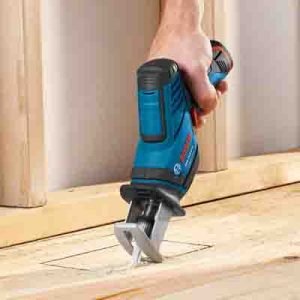
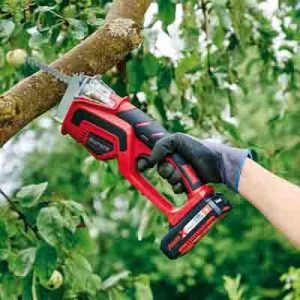
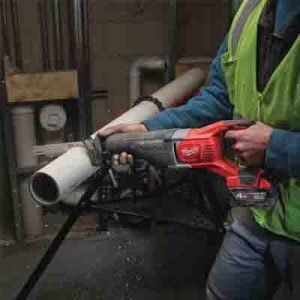
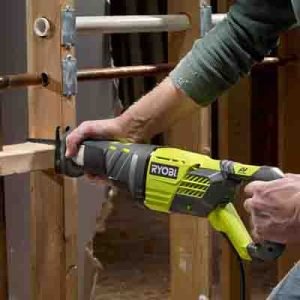


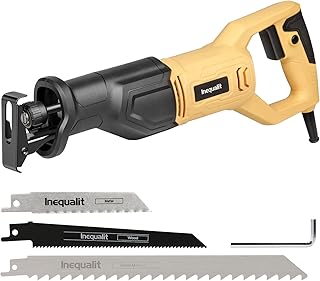


A cordless reciprocating saw is one of the most versatile cutting tools for renovation, construction, demolition, maintenance and garden work. Unlike a conventional circular saw, it does not require a perfectly straight cutting path, while its narrow blade can reach awkward areas that are difficult to access with larger power tools. The absence of a mains cable can also make a substantial difference when working outdoors, moving around a building site or cutting materials where a power outlet is inconvenient.
However, choosing the right model involves more than comparing voltage or motor power. The most suitable saw depends on the materials being cut, the frequency of use, the type of blades required, the desired cutting speed, battery platform, vibration control, ergonomics and the amount of demolition work involved.
For occasional DIY work, a compact saw with sensible weight and good handling may be more useful than a heavier high-performance machine. For professional construction or repeated demolition, cutting speed, battery capacity, durability, blade-changing convenience and vibration management become much more important.
A reciprocating saw uses a motor and drive mechanism to move a blade rapidly backwards and forwards. This reciprocating motion allows the blade to cut through timber, plastics, metal, plasterboard, pipework and other materials when the appropriate blade is fitted.
The basic design is deliberately practical rather than delicate. The blade projects from the front of the tool and can usually be changed without dismantling the saw. Many models also incorporate an adjustable or pivoting shoe, variable-speed trigger, electronic control and an LED work light.
In the UK, reciprocating saws are frequently used for renovation, property maintenance, plumbing, electrical work, carpentry, landscaping and demolition. They are particularly useful when the cut does not need to have the highly finished appearance produced by a circular saw or jigsaw.
Understanding where a reciprocating saw fits into a cordless tool collection helps prevent buying the wrong machine.
A reciprocating saw is therefore not necessarily a replacement for every other saw. Its strength is versatility and accessibility rather than producing the cleanest possible finish.
Cordless reciprocating saws are commonly built around established battery platforms. Lower-voltage compact systems can be attractive for light-duty work because the tool may be easier to handle, while higher-voltage professional systems are generally designed for demanding applications.
Voltage alone should not determine a purchase. Two tools with similar nominal battery voltage can have noticeably different designs, drive systems, electronics, weight and cutting performance. Look at the complete tool specification and intended application rather than treating voltage as a direct measurement of cutting ability.
Battery capacity, normally expressed in ampere-hours, affects how much energy is available between charges. A larger-capacity battery can be useful for prolonged cutting, but it normally adds weight and bulk.
For short DIY tasks, a smaller battery may provide a better balance. For repeated demolition, site work or extensive timber cutting, additional battery capacity can reduce interruptions caused by charging.
Battery compatibility can be one of the most important considerations when buying a cordless reciprocating saw. If you already own cordless tools, staying within the same battery ecosystem may allow the same batteries and chargers to be used across multiple machines, subject to the manufacturer's compatibility requirements.
Popular cordless tool ecosystems include DeWalt, Makita, Milwaukee, Bosch, Ryobi, Einhell and HiKOKI. Each manufacturer has its own battery ranges and compatibility rules, so check the exact battery series rather than assuming that all batteries from the same brand are interchangeable.
Stroke length describes how far the blade travels during each reciprocating cycle. It is an important specification because it influences how much blade movement occurs during cutting.
A longer stroke can be useful for rapid material removal, particularly during demanding cuts. A shorter stroke can provide a more controlled cutting character and may be preferable for some applications. Neither is automatically superior because the ideal configuration depends on the material, blade and intended work.
Stroke rate refers to how many reciprocating movements the blade makes over a given period. Higher stroke rates can support fast cutting in suitable materials, while slower operation can provide greater control and can be preferable when cutting metal or other materials that require a more measured approach.
A variable-speed trigger is particularly useful because it allows the operator to adjust the cutting action rather than running the saw at maximum speed continuously.
Variable-speed control is one of the most useful features on a reciprocating saw. Starting slowly can help position the blade accurately and reduce the chance of the blade skating across the workpiece. Once the blade has established the cut, the operator can increase speed where appropriate.
Controlled speed can also be valuable when switching between timber and metal. Always follow the blade manufacturer's recommendations for the material being cut.
A tool-free blade clamp makes changing accessories considerably more convenient. This matters particularly when a project involves several materials and requires switching between wood, metal or specialist blades.
When comparing models, look for a blade-release mechanism that is straightforward to operate while still securely retaining the blade. Always disconnect the battery before performing maintenance or working around the blade assembly according to the manufacturer's instructions.
The shoe provides a contact point against the workpiece and helps stabilise the saw during cutting. An adjustable or pivoting shoe can improve control as the angle of the cut changes and can help the operator make better use of different sections of the blade.
A robust shoe is particularly valuable for demolition and construction applications where the saw may be subjected to frequent contact with rough surfaces.
Reciprocating saws naturally generate substantial movement because the blade is travelling rapidly backwards and forwards. Vibration management therefore deserves close attention, especially if the tool will be used for extended periods.
Look for a design that combines suitable grip geometry, internal balancing and vibration-reduction features. Good vibration control can make a saw more comfortable and easier to control, although it does not eliminate the need for sensible working practices and regular breaks.
Many modern cordless reciprocating saws use brushless motors. A brushless motor uses electronic control rather than traditional mechanical brushes, and manufacturers commonly use this architecture in higher-performance cordless tools.
Potential advantages include efficient operation, reduced routine brush maintenance and good electronic control. However, brushless technology should not be treated as the only measure of quality. Motor design, gearing, electronics, thermal management, ergonomics and overall construction all contribute to the usefulness of a saw.
An integrated LED can be useful when cutting inside cabinets, beneath floors, around pipework or in poorly lit areas. Although a work light does not affect cutting performance directly, it can improve visibility around the blade and make positioning easier.
Modern cordless tools may include electronic systems designed to manage issues such as overload, overheating or battery protection. The exact protection features vary between manufacturers and models.
These systems should be considered part of the overall tool design rather than a substitute for using the correct blade, avoiding excessive force and following the manufacturer's operating instructions.
A high-quality reciprocating saw can still perform poorly if it is paired with an unsuitable blade. Blades are designed around different materials, tooth patterns, thicknesses and cutting objectives.
Wood-cutting blades generally use tooth configurations intended to remove timber efficiently. Coarser blades can be useful for rapid cutting where surface finish is not the priority, while finer configurations may provide greater control.
Metal-cutting blades generally use finer teeth than many wood blades. Selecting the appropriate blade for the thickness and type of metal is important because an unsuitable blade can cut slowly, wear prematurely or become damaged.
Demolition blades are designed for demanding applications where speed and durability are more important than achieving a clean edge. They can be useful for renovation work involving timber, mixed materials and general dismantling.
Specialist pruning blades can turn a reciprocating saw into a useful garden-cutting tool. They are intended for branches and similar woody material, but the saw should still be selected and operated according to its manufacturer's guidance.
Longer blades can help when reaching through thick or awkward workpieces, while suitable flexible blades can assist with certain flush-cutting applications. Blade length should not be selected purely because a longer blade appears more versatile; excessive unsupported blade length can reduce control.
Tooth count and tooth geometry have a direct effect on cutting behaviour. Coarser teeth generally remove material aggressively, whereas finer teeth can be more appropriate for thinner materials and applications requiring a smoother cut.
For mixed-material work, keeping several blade types available is usually more useful than expecting one universal blade to handle every job.
For occasional household projects, prioritise manageable weight, comfortable handling, variable-speed control and straightforward blade changes. A compact cordless model can be preferable if the saw will mainly be used for small renovation jobs, cutting timber or removing old fixtures.
Demolition work places greater demands on the drive mechanism, battery system, blade and housing. Look for a robust construction, effective vibration management, secure shoe, reliable blade retention and a battery platform capable of supporting sustained use.
For regular site work, the best choice is usually the saw that fits the existing professional battery platform and provides the required combination of power, durability, handling and runtime. A tool that shares batteries with drills, impact drivers, grinders and other equipment can simplify charging and battery management across a working day.
Plumbing applications can involve plastic pipe, timber, metal and awkward access. A reciprocating saw with good control, suitable metal and plastic blades and a compact front end can be particularly useful.
Electrical work may involve cutting access points, timber, plasterboard and other building materials. Compact dimensions, precise speed control and good visibility around the blade can be more valuable than maximum cutting power.
When used with an appropriate pruning blade, a cordless reciprocating saw can be useful for cutting branches and dismantling garden timber. If garden work is the only intended application, however, a dedicated cordless pruning saw may be easier to handle depending on the task.
Compact reciprocating saws are designed around manoeuvrability. Their smaller form can be valuable when working between studs, beneath worktops, inside cupboards or in other confined spaces.
Full-size models generally place greater emphasis on demanding cutting performance and prolonged professional use. They may be preferable for demolition, thick timber and applications where maximum productivity is more important than minimum size.
The right choice therefore depends on where the saw will be used. A larger machine is not automatically better if it becomes difficult to position accurately.
Where possible, assess the complete tool rather than focusing only on specifications. A saw that appears impressive on paper may not be the most comfortable option for your particular working position.
Product specifications can look complicated when comparing several models. The following measurements are among the most useful when assessing a cordless reciprocating saw.
Specifications should always be compared like-for-like. A larger stroke length does not automatically mean faster real-world cutting, because blade design, material, motor characteristics, operator technique and battery condition also affect results.
Brand choice is often less about finding a universally superior manufacturer and more about selecting the ecosystem that fits your existing equipment and intended workload.
DeWalt is a major professional power-tool brand with an extensive cordless range. Buyers already using compatible DeWalt batteries may find platform continuity particularly useful when adding a reciprocating saw.
Makita offers a broad range of cordless tools covering DIY, trade and professional applications. Its established battery ecosystem makes compatibility an important consideration for existing users.
Milwaukee is strongly associated with professional power tools and jobsite equipment. Buyers should compare the specific saw, battery system and intended application rather than relying solely on brand reputation.
Bosch offers cordless tools across several market segments. When comparing Bosch reciprocating saws, pay attention to the specific battery family, tool size and intended application.
Ryobi is widely known for its broad cordless tool ecosystem aimed at home users and DIY enthusiasts. Existing owners may benefit from choosing a saw that works within their compatible battery platform.
Einhell offers cordless tools designed around its battery platform, providing another option for users who want to build a compatible collection of DIY and workshop equipment.
HiKOKI produces professional-oriented cordless power tools and should be considered when durability, performance and compatibility with an existing professional battery system are important.
The battery is not simply an energy source. Its size and weight can change the balance of the entire saw.
A compact battery can make the tool easier to manoeuvre, particularly when working overhead or in confined areas. A larger battery can provide greater energy capacity but may make the tool heavier.
For occasional use, owning one suitable battery may be sufficient. For professional work, having multiple compatible batteries can be more practical than selecting a tool solely on maximum battery capacity.
Battery condition also matters. A cordless saw may not deliver its expected performance when used with an unsuitable, depleted, damaged or incompatible battery. Always use batteries and chargers approved for the particular tool platform.
Many cordless power tools are available either as a bare tool or as part of a kit containing one or more batteries and a charger.
A bare tool can make sense when you already own compatible batteries and chargers. It can be the more economical way to expand an established cordless collection, provided the battery system is compatible.
A kit can be more suitable when starting a new battery platform. Compare what is actually included because kit contents can vary considerably between product versions.
Do not assume that a battery shown in a product photograph is included. Always check the stated contents of the exact listing before purchasing.
When two models appear similar, use a structured comparison rather than focusing on a single headline specification.
This approach helps separate genuinely useful differences from marketing language.
Despite its versatility, a reciprocating saw is not ideal for every cutting task.
If you need long, accurate and clean straight cuts in sheet material, a circular saw is generally more appropriate. For intricate curves, a jigsaw offers better control. For very small flush cuts or delicate access work, an oscillating multi-tool can be easier to manage.
Similarly, if your primary purpose is pruning branches, a dedicated pruning saw may provide a more specialised solution. The best buying decision is therefore determined by the work you actually need to perform rather than by the number of features listed on the product page.
Reciprocating saws are powerful cutting tools and should be treated accordingly. Read the manufacturer's instructions before use and use the correct blade for the material.
For structural, electrical, plumbing or other potentially hazardous work, make sure you understand what is behind the surface before cutting.
Good maintenance can help keep a cordless reciprocating saw working reliably. Always follow the manufacturer's specific maintenance instructions because construction and servicing requirements differ between models.
Remove dust and debris from the housing, ventilation areas, shoe and blade-clamp region. Avoid allowing material build-up to interfere with moving parts.
A blunt, bent or damaged blade can make cutting slower and place additional demands on the tool. Replace damaged blades rather than attempting to continue using them.
Use the correct charger and follow the battery manufacturer's storage, charging and temperature guidance. Avoid using batteries that show signs of physical damage.
The shoe and blade-retention mechanism are important for safe and controlled cutting. Keep them clean and inspect them regularly for damage or abnormal movement.
Unexpected noise, excessive vibration, burning smells, intermittent operation or unusual movement should not be dismissed. Stop using the tool and consult the manufacturer's guidance or an appropriately qualified service provider.
Technique has a major influence on reciprocating saw performance. Start the blade at a controlled speed and position the shoe securely against the material where practical. Allow the teeth to do the work rather than forcing the saw through the cut.
Choose the blade according to the material and thickness. If a cut is unexpectedly slow, increasing pressure is not always the solution. The blade may be unsuitable, worn or moving at an inappropriate speed.
For metal cutting, use an appropriate metal blade and follow the blade manufacturer's recommendations. For timber demolition, a suitable demolition blade can often be more practical than a fine woodworking blade.
Professionals should evaluate a cordless reciprocating saw as part of a wider tool system rather than as an isolated purchase.
The highest-specification model is not automatically the best professional purchase. Productivity, reliability, compatibility and comfort can be more important than a single performance figure.
DIY buyers often benefit from taking a simpler approach. Start by identifying the jobs the saw will actually perform. If you expect to cut occasional timber, remove old fittings and carry out small renovation projects, a compact model with good control may be sufficient.
If you are already invested in a cordless platform, compatibility can be more valuable than changing brands for a small difference in specification.
It is also worth budgeting for suitable blades. The saw itself is only one part of the cutting system, and different materials may require different accessories.
Customer ratings can be useful when comparing cordless reciprocating saws, but they should not be treated as a substitute for technical specifications. A product may receive positive feedback from DIY users while being unsuitable for a professional who requires prolonged daily use.
When reading verified customer reviews, look for recurring observations rather than isolated comments. Pay particular attention to feedback about battery life, handling, vibration, blade changes, build quality and suitability for the intended materials.
Reviews are most useful when interpreted alongside the manufacturer's specifications and the actual requirements of your project.
The cheapest cordless reciprocating saw is not necessarily the best value, and the most expensive model is not automatically the right choice. Value depends on how often the tool will be used, which battery platform it belongs to and whether its features solve a real problem for the buyer.
For occasional use, spending more for professional-grade features may provide little practical benefit. Conversely, a professional user who relies on the tool frequently may find that better ergonomics, durability and battery compatibility justify a higher initial investment.
When comparing today's prices, also consider whether batteries and chargers are included, whether additional blades are required and whether you already own compatible equipment.
A cordless reciprocating saw is particularly useful for demolition, renovation, timber cutting, pipe cutting, maintenance, garden work and situations where access is more important than producing a perfectly clean edge.
Many cordless reciprocating saws are designed for professional applications. Suitability depends on the specific model, battery system, blade, material and workload. Professional users should compare durability, cutting performance, ergonomics, battery availability and manufacturer specifications rather than relying on voltage alone.
A brushless motor can provide useful advantages in a cordless power tool, including electronic control and reduced brush maintenance. However, motor type should be assessed alongside the saw's complete design, performance specifications, weight, ergonomics and intended use.
Choose a voltage system based on the work you intend to perform and the cordless platform you already use. Higher nominal voltage does not automatically mean that one model is better for every user.
Yes. A reciprocating saw can cut suitable metal when fitted with an appropriate metal-cutting blade. Blade selection should take account of the type and thickness of the material.
Yes. Timber is one of the common applications for reciprocating saws. Select a blade designed for the particular type and thickness of wood and use a suitable cutting speed.
Yes, reciprocating saws are commonly used for cutting suitable pipework. The correct blade must be selected according to the pipe material and thickness.
Some reciprocating saws can be used for pruning when equipped with an appropriate pruning blade and when the manufacturer permits that application. For frequent garden work, compare the saw with dedicated pruning tools before buying.
No. Stroke length is only one part of the cutting system. The best configuration depends on the material, blade, cutting speed, access and intended application.
Battery capacity and tool power are related but should not be treated as identical measurements. A larger-capacity battery primarily provides greater stored energy, while the tool's electrical system, motor, electronics and battery characteristics influence actual performance.
Choose a bare tool if you already own compatible batteries and a charger. A kit may be more appropriate if you are starting a new cordless platform.
Vibration control becomes increasingly important when a reciprocating saw is used frequently or for extended periods. Good ergonomics and vibration management can make the tool easier to control and more comfortable to operate.
There is no universal number. Occasional users may only need one suitable battery, whereas professionals performing repeated cutting may benefit from having multiple compatible batteries available.
Yes. Demolition is one of their principal applications. For repeated heavy-duty demolition, prioritise a robust tool, suitable demolition blades, good vibration management and a battery system appropriate for sustained use.
Focus on durability, cutting performance, battery compatibility, ergonomics, vibration control, blade-change convenience, battery capacity options and availability of suitable accessories.
For DIY work, prioritise manageable weight, ease of use, variable-speed control, straightforward blade changes, useful battery compatibility and enough performance for the materials you expect to cut.
Choose the blade according to the material and cutting objective. Wood, metal, demolition and pruning applications generally require different blade designs. Check the blade manufacturer's recommendations for the material and thickness.
Ratings can provide useful real-world feedback, but they should be considered alongside technical specifications, intended use, verified reviews and battery compatibility.
They can be extremely useful for buyers who need a portable cutting tool for renovation, demolition, maintenance, construction or garden applications. Their value is greatest when the tool's capabilities match the user's regular work.
The best cordless reciprocating saw is not necessarily the one with the highest advertised specification. It is the model that provides the right combination of cutting capability, battery compatibility, handling, durability, control and accessories for the work you actually intend to perform.
Before making a purchase, compare the complete specifications, check the exact battery and charger configuration, confirm the appropriate blades are available and consider the tool's weight in relation to your working position. Existing users of DeWalt, Makita, Milwaukee, Bosch, Ryobi, Einhell or HiKOKI should also consider whether staying within their current battery ecosystem offers a practical advantage.
For occasional DIY, prioritise simplicity and manoeuvrability. For professional construction and demolition, place greater emphasis on durability, sustained performance, ergonomics and battery availability. Above all, match the blade to the material and choose the saw according to the job rather than buying solely on headline specifications.