

♥ Wishlist
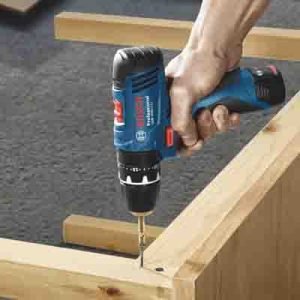
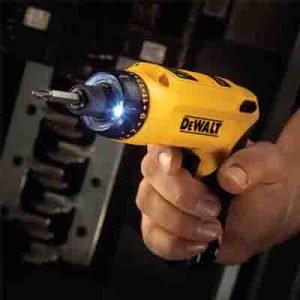
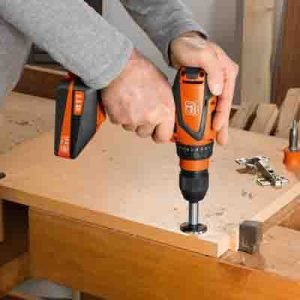
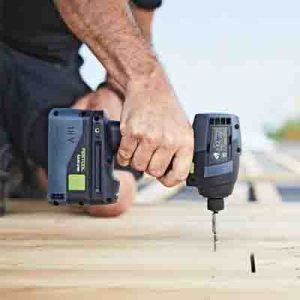




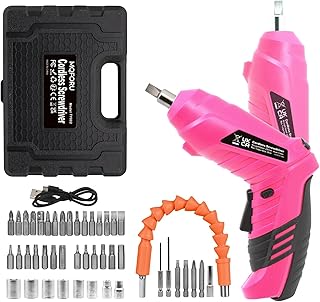
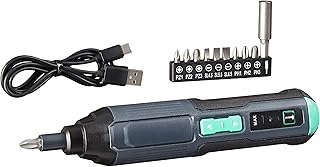


Cordless screwdrivers provide a practical way to drive and remove screws without relying on a trailing mains cable. Their compact format makes them useful for a wide range of household and workshop tasks, from assembling flat-pack furniture to fitting brackets, hinges and fixtures. For UK shoppers, choosing the right cordless screwdriver starts with understanding the type of work you expect to complete and the level of power and control you need.
Unlike a traditional manual screwdriver, a cordless model can reduce the effort involved in repetitive fastening. Battery operation also makes it easier to work away from a socket. This can be particularly useful when assembling furniture in different rooms, carrying out maintenance around the home or completing DIY projects where cable management would be inconvenient.
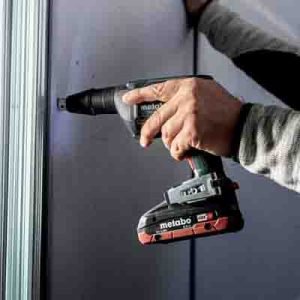
Different cordless screwdrivers are suited to different applications. Compact models can be convenient for lighter household jobs where access and manoeuvrability matter. More capable models may provide greater torque and additional control for demanding fastening applications. Consider the materials you normally work with, the screw sizes you use and how frequently you expect to use the tool.
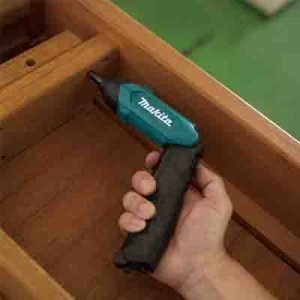
A compact cordless screwdriver can be a useful choice for furniture assembly, tightening fittings and handling everyday household repairs. Its smaller profile can help when working inside cabinets, drawers or other restricted spaces. Lightweight construction may also make longer jobs more comfortable, particularly when you need to hold the tool at different angles.
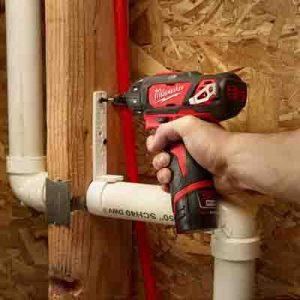
If you regularly undertake DIY projects, look for a cordless screwdriver with suitable torque control and a battery system that matches your expected workload. Variable speed control can help you approach different fastening tasks with greater precision. A comfortable grip and accessible controls can also make a difference during repeated use.
Before choosing a cordless screwdriver, consider battery type, voltage, torque, speed settings, chuck or bit compatibility, size and overall handling. Battery capacity can affect how long you can work between charges, while torque control can help prevent overtightening on delicate applications. LED work lights can be useful in darker areas, and a reversible drive makes switching between fastening and screw removal straightforward.
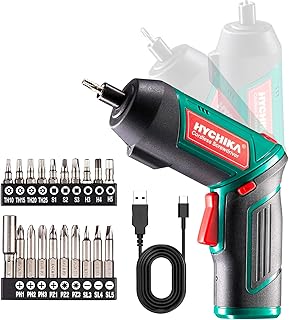
Bit compatibility is another important consideration. A suitable range of screwdriver bits allows one tool to handle different screw heads and applications. If you already own compatible accessories, checking the tool's fitting system can help you make a practical choice.
Cordless operation is one of the main advantages of these screwdrivers. Rechargeable batteries eliminate the need to stay close to a mains socket and make the tool easier to carry between work areas. When comparing options, consider whether the product includes a battery and charger or whether these need to be purchased separately. This distinction can affect the overall value of a cordless tool.
Always select the correct bit for the screw and application. Keep the bit properly seated before starting the tool and use an appropriate speed and torque setting. Avoid forcing the screwdriver when the bit begins to slip. Follow the manufacturer's instructions for charging, battery care, accessories and safe operation.
Whether you are assembling furniture, maintaining your home or working through a DIY project, cordless screwdrivers can offer a convenient alternative to manual fastening. Compare the available specifications, intended applications and included accessories before making your choice. By matching the tool to your typical tasks, you can select a cordless screwdriver that fits your working style and everyday requirements.
Make everyday fastening tasks more convenient with cordless screwdrivers. Designed for jobs such as furniture assembly, home maintenance, fitting hardware and light DIY work, these compact power tools offer freedom from mains cables. Explore cordless screwdriver options to find a model suited to your projects, preferred handling style and required level of control.