

♥ Wishlist
Compare 16 verified Dewalt Cordless Caulking Guns products in United Kingdom. Reviews, ratings, pros, cons and buying advice updated for November 2026.


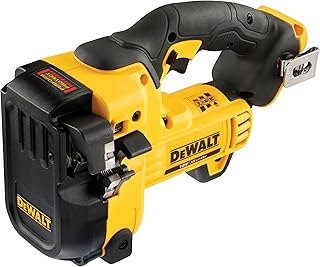


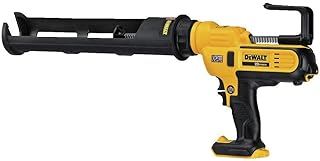


Choosing the right cordless caulking gun is about more than selecting a familiar power-tool brand. The best option depends on the materials you regularly dispense, the cartridge or sausage-pack format you use, the amount of control you need and whether the tool will be used occasionally or throughout a working day. DEWALT cordless caulking guns are designed around the convenience of battery-powered dispensing, making them particularly relevant to tradespeople and serious DIY users who want to reduce manual effort while maintaining consistent application. This guide looks beyond basic product descriptions to explain the features that matter when comparing cordless sealant guns. It covers dispensing control, thrust force, speed adjustment, cartridge compatibility, battery platforms, ergonomics, maintenance, application technique, common buying mistakes and the differences between cordless, pneumatic and manual caulking guns. When comparing individual products, always check the manufacturer's current specification for the exact model because configuration, included accessories, battery compatibility and package contents can vary between versions and markets. Customer reviews can also be useful for identifying practical strengths and weaknesses, but they should be considered alongside technical specifications rather than used as the only buying criterion. A cordless caulking gun is a battery-powered dispensing tool used to push sealant, adhesive, construction adhesive, silicone and other compatible materials through a nozzle. Instead of relying on hand pressure to move the plunger, a motor and drive mechanism apply controlled force to the cartridge or sausage pack. The principal advantage is reduced physical effort. A manual applicator can become tiring when dispensing thick materials repeatedly, particularly when a large quantity of sealant is required. A cordless model transfers much of that mechanical work to the tool, allowing the user to concentrate on nozzle positioning, bead consistency and finishing. For professional applications, the value is not simply speed. Controlled dispensing can make it easier to maintain a consistent bead, reduce unnecessary material waste and work more comfortably over long periods. DEWALT is widely associated with professional cordless power tools, and its battery-powered ecosystem is an important consideration when comparing cordless sealant guns. For an existing DEWALT user, platform compatibility can potentially be more significant than the headline specification of the caulking gun itself. A cordless dispensing tool can be particularly attractive when the alternative is repeatedly operating a manual gun. The motorised drive reduces the force required from the user's hand and can make high-volume dispensing considerably more manageable. However, brand recognition should not replace specification checking. A suitable caulking gun must match the material, packaging format, dispensing requirements and working conditions of the job. The most expensive or most powerful tool is not automatically the best choice for every application. The best cordless caulking gun is the one that matches the actual dispensing task. Before comparing models, identify the material you use, its viscosity, the package format and the bead size required. This prevents a common mistake: buying a tool based on battery voltage, brand or advertised power without checking whether it is suitable for the sealants and adhesives used on the job. Thrust force is one of the most important specifications for a powered caulking gun. It describes the force available to push material through the cartridge and nozzle. Thick construction adhesives and high-viscosity sealants require considerably more force than easier-flowing materials. A tool with insufficient thrust may struggle with demanding materials, particularly when using a narrow nozzle. This can lead to slow dispensing, inconsistent flow or excessive strain on the drive mechanism. On the other hand, maximum thrust alone does not determine application quality. Excessive output can make it harder to control the bead when working with low-viscosity products. A good buying decision therefore considers thrust capacity together with speed control and trigger response. Variable speed control is valuable because different sealants require different dispensing rates. A slow, controlled setting can help when applying a narrow bead around a window frame or finishing a visible joint. A faster setting may be preferable when filling a long construction joint. Good control also allows the user to coordinate material flow with hand movement. The objective is not simply to dispense material quickly; it is to produce a continuous bead of the correct size without excessive material accumulating ahead of the nozzle. If you already own cordless tools, battery compatibility can have a major effect on overall value. A bare-tool caulking gun can be more attractive to an existing battery-platform user than purchasing an entirely separate battery and charger system. Before buying, confirm the exact battery family required by the model. Do not assume that every DEWALT cordless tool accepts every DEWALT battery. Battery generations, voltage classes and physical interfaces can differ. For occasional users without compatible batteries, compare the complete cost of the tool, battery and charger rather than judging the bare-tool price alone. Not every caulking gun handles every type of packaging. Depending on the design, a powered applicator may support standard cartridges, larger-volume cartridges, sausage packs or other dispensing formats. Check the manufacturer's specification for the exact model before purchasing. Also consider the materials you buy most frequently. A tool that supports your preferred packaging format will be substantially more useful than one that requires adapters or a different consumable format. Dispensing speed affects both productivity and precision. High output can be useful for large joints, while a slower setting provides greater control for detailed finishing work. Look for a tool that allows the dispensing rate to be adjusted rather than treating maximum speed as the primary performance measure. The ability to fine-tune output can make a greater practical difference than raw speed. Pressure relief is an important feature in powered sealant guns. When the trigger is released, residual pressure can otherwise continue pushing material through the nozzle. A suitable pressure-release mechanism helps reduce unwanted drips and excess sealant. This can be especially useful when working with visible joints where a clean finish matters. It can also help reduce material waste, although actual results depend on the sealant, nozzle design, temperature and dispensing technique. A cordless caulking gun can be used for extended periods, so ergonomics should not be treated as an afterthought. Consider the handle shape, trigger position, overall weight, balance and ease of reaching the controls. A tool may have impressive specifications but still be uncomfortable if the battery and cartridge make it front-heavy. If possible, consider how the complete tool will feel with the cartridge and battery installed rather than assessing the bare tool in isolation. When comparing DEWALT cordless caulking guns with other professional models, concentrate on specifications that directly affect your work. The fundamental difference is how the material is pushed through the cartridge. A manual gun relies on the user's hand strength, whereas a cordless model uses a powered drive mechanism. For a homeowner applying a small amount of sealant once every few years, a manual gun may remain the more sensible option. For installers, maintenance workers, contractors and users regularly applying high-viscosity products, cordless operation can offer a much stronger practical advantage. Pneumatic caulking guns use compressed air rather than a battery-powered motor. They can be effective in workshop or production environments where a reliable compressed-air system is already available. Cordless tools are generally more convenient for mobile work because they do not require an air compressor, hose or mains connection. This can simplify work on construction sites, inside occupied buildings and in locations where access to compressed air is limited. The right choice depends on the working environment. A workshop with established pneumatic infrastructure may favour air-powered equipment, while a mobile tradesperson may benefit more from the flexibility of a cordless platform. A powered caulking gun can be suitable for a broad range of sealants and adhesives, but compatibility must always be confirmed for the specific product and tool. The viscosity of the material is particularly important because thick compounds require more dispensing force. Always read the sealant manufacturer's instructions. Some products have specific temperature, nozzle, curing, storage or application requirements that are independent of the caulking gun. Viscosity affects how much force is required to move a material. A thin sealant may flow readily, while a dense adhesive can require substantial thrust, particularly through a narrow nozzle. This is why two products packaged in apparently identical cartridges can behave very differently in use. A tool that performs well with a relatively easy-flowing silicone may need a higher thrust setting for a heavy construction adhesive. For professional users, it is sensible to identify the thickest material regularly used and ensure the selected tool is designed to handle it. The tool should then offer sufficient control for less demanding products as well. Cartridges are convenient, widely available and easy to load. Sausage packs can provide efficient material packaging and may reduce packaging waste depending on the product and application, but they require a compatible dispensing system. If your work involves both formats, look for a model designed to accommodate the relevant configurations rather than assuming that an adapter will always be suitable. There is no universal thrust figure that makes a caulking gun suitable for every job. Required force depends on the material, cartridge design, nozzle diameter, temperature and desired flow rate. As a practical rule, users working primarily with thin decorative caulk do not necessarily need the same level of dispensing force as contractors applying thick construction adhesive. Users who work with a wide range of materials should prioritise a model with a useful combination of high available thrust and precise speed control. Do not choose a tool solely because its thrust figure is higher. Controlled output, compatibility and ergonomics are equally important to producing a professional finish. Sealant behaviour can change with temperature. Many materials become easier to dispense when warmer and more resistant when cold. This means a cartridge that flows comfortably in a warm workshop may require considerably more force in colder conditions. Cold-weather work can therefore place additional demands on a cordless caulking gun. Users working outdoors should consider the manufacturer's recommended application temperature for the sealant as well as the operating conditions specified for the tool and battery. Battery capacity affects how long a cordless tool can operate between charges, but the exact runtime depends on factors such as material viscosity, dispensing speed, trigger usage, battery capacity and operating conditions. A higher-capacity battery can increase operating time but may also add weight. For overhead work or detailed finishing, a smaller and lighter compatible battery may feel more comfortable. For repetitive construction work, longer runtime may be more important. Existing DEWALT users should compare the tool against the batteries already available in their workshop. New users should consider the cost and practicality of entering the battery platform before making a purchase. DEWALT is not the only brand worth considering. Depending on the user's existing tools and required specifications, alternatives from manufacturers such as Milwaukee, Makita and Ryobi may also be relevant. DEWALT can be particularly attractive to users who already own compatible DEWALT cordless tools and want to consolidate batteries and chargers. Compare the exact model's thrust, speed control, package format compatibility and ergonomics rather than choosing solely on brand. Milwaukee offers a broad professional cordless ecosystem, making its dispensing tools worth considering for users already invested in the relevant battery platform. Compare the complete system rather than isolated headline specifications. Makita is another established cordless power-tool manufacturer. Its battery ecosystem and tool design can make its dispensing equipment relevant to professional users who already rely on compatible Makita equipment. Ryobi is particularly relevant to users looking for broad cordless-tool compatibility across DIY and home-maintenance applications. As with every brand, check the exact tool's material compatibility and performance specifications before buying. Professional users should prioritise durability, dispensing control, battery compatibility and comfort over features that look impressive on a specification sheet but have little effect on daily work. If the tool will be used for long periods, ergonomic balance becomes increasingly important. If different sealants are used throughout the week, variable speed and sufficient thrust capacity become more valuable. If the tool is part of a larger cordless setup, battery compatibility can simplify charging and inventory management. Construction adhesive can be considerably thicker than ordinary decorator's caulk. Users applying heavy adhesives should therefore pay close attention to thrust capability and the manufacturer's stated material compatibility. A narrow nozzle can also increase resistance. If the adhesive is difficult to dispense manually, choosing a powered gun with adequate thrust is particularly important. Avoid assuming that every cordless caulking gun will handle every construction adhesive simply because the cartridge fits physically. Window and door installation often requires a clean, continuous bead rather than maximum dispensing speed. Precise trigger control and adjustable output can therefore be more useful than simply selecting the highest-power model. Weight and balance also matter because installers may work along long frames, overhead or from awkward positions. A tool that can be controlled smoothly with one hand may be more practical than a heavier model with specifications that exceed the requirements of the sealant being used. Silicone products vary considerably in formulation and viscosity. For detailed sealing work, control is usually more important than maximum output. A smooth trigger and adjustable dispensing rate can help users maintain a consistent bead while moving the nozzle at a controlled speed. Always confirm the silicone manufacturer's instructions and ensure the dispensing system is compatible with the cartridge format. DIY buyers should consider frequency of use before paying for professional-level capability. If the tool will be used occasionally for bathroom sealing, window maintenance or small renovation projects, ease of use and overall system cost may be more important than maximum thrust. If you already own compatible DEWALT batteries, a bare tool may make practical sense. If you do not own batteries from the platform, compare the complete purchase cost against a manual applicator or another cordless system. A respected brand does not guarantee that every model is appropriate for every job. Compare the exact specification and intended application. The fact that a cartridge physically fits does not automatically mean the tool is designed for that material. Check viscosity and manufacturer compatibility information. More force is not necessarily better. Precise control can be more important when applying visible beads or relatively low-viscosity products. A bare tool can appear inexpensive compared with a complete kit. Check whether you already own the correct battery and charger before comparing prices. A tool that feels manageable for a short test can become tiring during a full day of repeated application. Consider the complete loaded tool. Always confirm cartridge capacity and packaging compatibility. This is particularly important for professional users who rely on specific sealant formats. A powered caulking gun does not automatically produce a professional finish. Consistency depends on the relationship between material flow and hand movement. If the gun dispenses material faster than the nozzle moves, the bead becomes excessively thick. If the nozzle moves too quickly, the bead may become too thin or discontinuous. Start slowly and increase the dispensing rate until the material flow matches your movement. The nozzle opening also has a major influence on bead size. Cutting too large an opening can waste material and make precise application more difficult. Regular maintenance helps keep a powered dispensing tool operating smoothly. Sealant should not be allowed to accumulate around moving components, cartridge holders or the dispensing mechanism. Powered caulking guns should be used according to the manufacturer's safety instructions. Keep hands away from moving components and the dispensing mechanism while the tool is operating. Use appropriate personal protective equipment for the material being applied. Sealants and adhesives can have different requirements for ventilation, skin protection and eye protection, so the safety information supplied with the consumable should be followed. Do not modify batteries, chargers or the tool. Use compatible accessories and batteries specified for the particular model. Waste is often caused by poor preparation rather than the caulking gun itself. Applying too large a bead, cutting the nozzle excessively wide, dispensing faster than necessary and continuing to press the trigger after completing a joint can all increase consumption. Use the smallest nozzle opening that provides the required bead size, maintain a steady movement and use the tool's pressure-release feature where available. Good joint preparation also reduces the temptation to compensate for gaps with excessive sealant. A useful comparison should consider the whole workflow rather than one specification. Customer reviews can provide useful practical information that is difficult to capture in a specification sheet. However, review quality varies, so look for repeated observations rather than relying on isolated comments. Useful review topics include trigger control, ease of cartridge loading, handling, battery performance, dispensing consistency, compatibility with thick adhesives, cleaning and long-term usability. Reviews should be interpreted in context. A user applying thin silicone occasionally may have very different expectations from a professional contractor dispensing thick adhesive every day. For frequent users, a cordless caulking gun can be a worthwhile upgrade because it reduces the manual force required to dispense sealant and can provide more controlled output. The value becomes more compelling when the user already owns compatible batteries and regularly performs repetitive sealing or adhesive application. For occasional DIY work, the answer is less straightforward. A manual applicator remains simple and inexpensive, while a cordless tool adds the cost and maintenance considerations associated with a battery-powered platform. The strongest reason to choose a DEWALT cordless model is therefore not simply the brand name. It is the combination of suitable dispensing capability, control, ergonomics and compatibility with the user's existing workflow. Choose a cordless caulking gun if: you regularly dispense sealant or adhesive, want to reduce hand fatigue, need consistent powered output or already own a compatible cordless battery system. Consider a manual gun if: you only perform occasional small sealing jobs and do not need the additional speed or mechanical assistance of a powered tool. Prioritise thrust if: your work involves dense construction adhesives or high-viscosity sealants. Prioritise control if: you mainly work on visible joints, windows, doors, bathrooms, finishing work or applications requiring a carefully controlled bead. Prioritise battery compatibility if: you already own several cordless tools from the same platform. The best model depends on the material, cartridge format, required thrust, dispensing speed and intended frequency of use. There is no single model that is automatically best for every application. Compare the exact specifications against your normal working requirements. They can be better for repetitive work because the motorised drive reduces the physical effort required to dispense material. For occasional DIY applications, however, a manual gun may be sufficient. Some models are designed for high-viscosity adhesives, but compatibility depends on the exact tool and material. Check the manufacturer's stated thrust capacity and material recommendations before use. No assumption should be made that every DEWALT battery is compatible with every cordless tool. Check the exact model's specified battery platform and compatible batteries. Compatible silicone cartridges can be used with suitable powered applicators. The cartridge format, viscosity and tool specification should be checked before use. They can be, provided the specific tool is designed to provide enough thrust for the adhesive. Dense materials can require considerably more force than ordinary sealants. Not necessarily. Thrust is important for thick materials, but dispensing control, speed adjustment, ergonomics, cartridge compatibility and battery integration are also important. Variable speed allows the user to match material flow with nozzle movement. Lower speeds can help with precision work, while higher speeds can improve productivity on long joints. Residual pressure inside the cartridge can continue pushing material through the nozzle. A pressure-release or anti-drip mechanism can help reduce this effect, although the amount of residual flow also depends on the material and application conditions. It can be used for suitable applications when the tool and material are appropriate, but weight, balance and secure handling become especially important during overhead work. If you already own compatible batteries and a charger, a bare tool may be the more practical configuration. If you are new to the battery platform, compare the complete kit contents and total ownership cost. The nozzle opening should correspond to the bead size required for the joint. A smaller opening generally offers greater control, while an unnecessarily large opening can dispense excessive material. Prepare the joint correctly, cut the nozzle appropriately, select a controlled dispensing speed and move the nozzle steadily. The aim is to keep material flow and hand movement consistent throughout the joint. Models designed for professional applications can be suitable for tradespeople, but suitability should be assessed against the exact workload, material, cartridge format, battery requirements and manufacturer's specifications. Check the exact model number, specifications, compatible batteries, cartridge capacity, included accessories, seller information, current customer reviews and the complete package contents. Prices and availability can change, so verify these details immediately before purchasing. The best DEWALT cordless caulking gun is not necessarily the model with the highest specification or the largest amount of power. The better choice is the one that provides the right combination of thrust, dispensing control, cartridge compatibility, battery integration, ergonomics and reliability for the materials and applications you actually handle. Professional installers should concentrate on repeat-use performance, material compatibility, balance and control. DIY users should consider whether the additional convenience justifies the cost of entering or expanding a cordless battery platform. Existing DEWALT users have an additional reason to consider the ecosystem because compatible batteries can simplify tool ownership. Before purchasing, compare the exact product specification rather than relying on a generic description of a product family. Check the manufacturer's current information, compare competing brands such as Milwaukee, Makita and Ryobi where appropriate, read verified customer feedback and confirm the latest retailer price, battery configuration and package contents. Taking this approach makes it easier to choose a cordless caulking gun that matches the job rather than simply buying the most powerful or most heavily marketed option.
DEWALT Cordless Caulking Guns: Buying Guide & Reviews
What Is a Cordless Caulking Gun?
Typical Applications
Why Consider a DEWALT Cordless Caulking Gun?
Key Advantages to Look For
How to Choose the Best Cordless Caulking Gun
1. Check the Required Thrust Force
2. Look for Variable Speed Control
3. Understand the Battery Platform
4. Consider Cartridge Compatibility
5. Check Dispensing Speed and Control
6. Look for Automatic Pressure Relief
7. Evaluate Ergonomics and Balance
Important Specifications to Compare
DEWALT Cordless Caulking Gun vs Manual Caulking Gun
Cordless vs Pneumatic Caulking Guns
Which Materials Can a Cordless Caulking Gun Apply?
Common Material Categories
Why Material Viscosity Matters
Choosing Between Cartridge and Sausage-Pack Systems
Cartridge Advantages
Sausage-Pack Advantages
How Much Thrust Do You Need?
How Temperature Affects Caulking Performance
Battery Considerations for Professional Users
DEWALT Cordless Caulking Guns Compared With Other Brands
DEWALT
Milwaukee
Makita
Ryobi
Best DEWALT Cordless Caulking Gun for Professional Trades
Best DEWALT Cordless Caulking Gun for Construction Adhesive
Best Cordless Caulking Gun for Windows and Doors
Best Cordless Caulking Gun for Silicone
Best Cordless Caulking Gun for DIY Users
Features That Matter Most in Real-World Use
Common Buying Mistakes
Choosing by Brand Alone
Ignoring Material Compatibility
Focusing Only on Maximum Thrust
Forgetting Battery Costs
Ignoring Weight
Buying Without Checking Cartridge Size
How to Use a Cordless Caulking Gun Properly
How to Achieve a Consistent Caulk Bead
Caulking Gun Maintenance
Battery and Tool Safety
How to Reduce Sealant Waste
How to Compare Cordless Caulking Guns Before Buying
What to Look for in Customer Reviews
Questions to Ask Before Buying
Is a DEWALT Cordless Caulking Gun Worth It?
DEWALT Cordless Caulking Gun Buying Checklist
Quick Decision Guide
Frequently Asked Questions
What is the best DEWALT cordless caulking gun?
Are cordless caulking guns better than manual ones?
Can a cordless caulking gun be used for thick adhesive?
Do all DEWALT batteries work with DEWALT caulking guns?
Can cordless caulking guns dispense silicone?
Are cordless caulking guns suitable for construction adhesive?
Does higher thrust mean a better caulking gun?
Why is variable speed useful on a caulking gun?
What causes sealant to continue coming out after releasing the trigger?
Can a cordless caulking gun be used overhead?
Should I buy a bare tool or a kit?
How do I choose the correct nozzle size?
How can I get a smoother bead?
Are DEWALT cordless caulking guns suitable for professional use?
What should I check before buying online?
Final Buying Advice
Key Takeaways